Archive by Author

50th anniversary of 1969 – The greatest year of the century

8 Sep

If you were to choose the most eventful year ever – which would it be? Malcolm Gladwell in his 2008 bestseller  “Outliers: The Story of Success” talks about the impact that people born in 1955 have made. Yes Steve Jobs, Bill Gates, Whoopi Gooldberg and many more born in 1955 transformed the world. I dug in and after some research came up with a clear winner by a mile. A year that transformed the world in multiple areas – Technology, Politics, Music, Civil Rights…. and that year would be 1969. ( Well, some of the transformation started in 1968 and accelerated through 1969)

First the facts that we all know of.

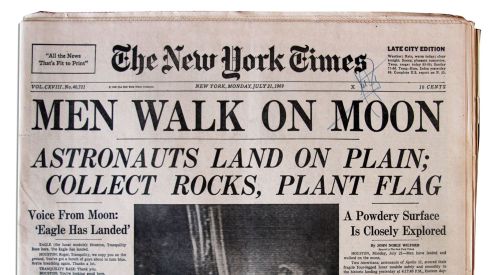
History was made and one small step for man became a huge leap for mankind. Neil A. Armstrong, Command Module pilot Michael Collins, and Lunar Module pilot Edwin “Buzz” E. Aldrin landed in the Sea of Tranquility, on The Moon on July 20, 1969. Remember this was a time when the largest computers had computing power lesser than your smartphone of today.

March 2nd, 1969 was also when the Anglo-French supersonic airliner Concorde made its maiden flight. During the test flight, Concorde’s speed never rose above 300mph and its altitude reached a lowly maximum of 10,000 feet. During commercial journeys it would reach speeds of up to 1,350mph – more than twice as fast as conventional aircraft – and fly as high as 60,000 feet. This was also the year when Boeing 747 made its 1st passenger flight.

A lot more happened on the technology side

  • The 1st ATM was installed in New York
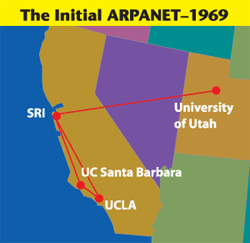
  • ARPANET (later to become a little thing called the Internet) was commissioned by DoD for research into networking. First set up with 4 nodes – Stanford, UCLA, UCSB, and Univ of Utah. First attempt at sending packets was from UCLA to Stanford on October 29. The first 2 characters were successfully transferred, but the third keystroke crashed the system. (hmmmm…maybe Bill Gates was involved! – he was already 14 by then)
  • UNIX then called as UNICS was invented at Bell Labs led by Thompson & Ritchie working on a PDP7. Dec 28th, 1969 was also the year when Linus Torvalds was born – he would go on to become the creator and principal developer of the Linux Kernel.
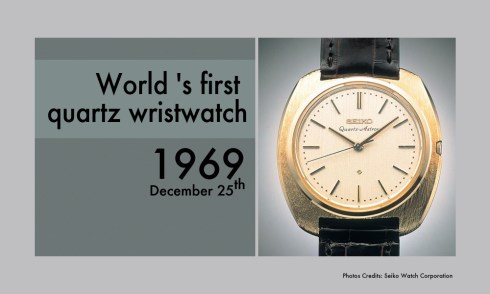
  • Seiko rolled out the worlds 1st Quartz watch
  • May 1st 1969 AMD – Advanced Micro Devices was founded by Jerry Sanders and seven others from Fairchild Semiconductor. (Less than a year back on July 18th 1968 – Intel was started by the legendary Andy Grove)
  • It was in 1969 that David Paul Gregg patented the optical or laser disc, although he came up with the idea in 1958.
  • Doctors at Methodist Hospital in Houston, Texas, made medical history on April 22, 1969, when they performed the first human eye transplant on 54-year-old John Madden. Because the donor eye had not been preserved enough to keep it viable, the procedure failed to restore Madden’s sight. The procedure itself, however, went down in history as a medical miracle.

A lot of changes were happening on the people front. Revolution and change was in the air. The Hippie’s movement – a countercultural movement that rejected  mainstream American life had engulfed the youth. The movement originated on college campuses in the United States, although it spread to other countries, including Canada and Britain. This was the era of Pop, Rock & Roll, Jazz & the Blues. Blend the Hippes lifestyle with music and you have the greatest music festival of the century – The Woodstock. 

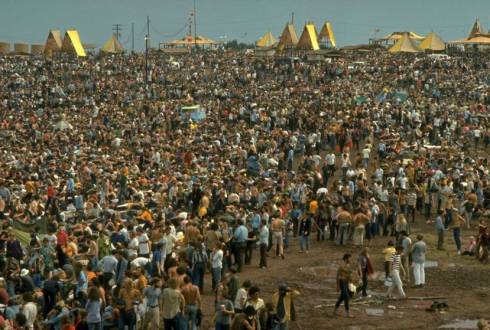
  • The famous Woodstock music festival took place in upstate New York between August 15–18, 1969, which attracted an audience of more than 400,000. The festival featured legends like Jimi Hendrix, the Who, the Grateful Dead, Janis Joplin and Sly and the Family Stone. The event would help define an era.
  • Apart from being one of the only Indian musicians to perform at Woodstock, renowned Sitar player Ravi Shankar did not share his contemporaries’ excitement about the festival. He once said it was a terrifying experience, where the large crowds lounging in the mud reminded him of water buffaloes in India.
  • Also that summer, the Beatles, then arguably still the western world’s most popular band, released one of their final albums: Abbey Road. And the Beatles performed their last concert in 1969. This was also the year when John Lennon & Yoko Ono were married on March 20th.
  • 1969 is also quoted in the Hotel California song. It is assumed to refer to  the year when the Satanic bible was released.
  • June 1969 is famous for the Stonewall Riots. (Also referred to as the Stonewall uprising or the Stonewall rebellion) were a series of spontaneous, violent demonstrations by members of the gay (LGBT) community against a police raid that took place in the early morning hours of June 28, 1969, at the Stonewall Inn in the Greenwich Village neighborhood of Manhattan, New York City. They are widely considered to constitute the most important event leading to the gay liberation movement and the modern fight for LGBT rights in the United States

  • The US Civil Rights movement led by Martin Luther King was in its final phase. King had been assassinated in late 1968 but had laid the foundation for change.
  • The Vietnam war had peaked, more than 34,000 American soldiers died in the strife. President Richard M. Nixon assumed responsibility for the Vietnam War as he swore the oath of office on January 20, 1969. He knew that ending this war honorably was essential to his success in the presidency. He kept his promise and the US withdrew from Vietnam in 1973. Ho Chi Minh the communist leader of North Vietnam died on 2nd Sep 1969. 
  • 1969 was also the year when almost all of the world’s nations come together to sign the Nuclear Non-Proliferation Treaty
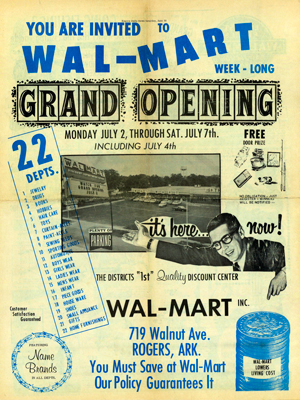
  • Two of the worlds largest retailers opened stores in 1969 – The 1st GAP store opened and Walmart was incorporated as Walmart Stores Inc.
  • In late 1968 McDonald launched the Big Mac – A meal disguised as a sandwich – and it became extremely popular in 1969.
  •  The football legend Pele scored his 1000th international goal on Nov 19th, 1969
  • The Godfather by Mario Puzo was published in 1969
  • Sesame Street debuts on television and the last episode of the original “Star Trek” airs on NBC. During the episode, titled “Turnabout Intruder,” one of Captain Kirk’s former lovers steals his body.

India in 1969 

  • A lot happened in India also in 1969 which has had its impact till date. India’s grand old party The Congress split into two factions led by Indira Gandhi and Morarji Desai.
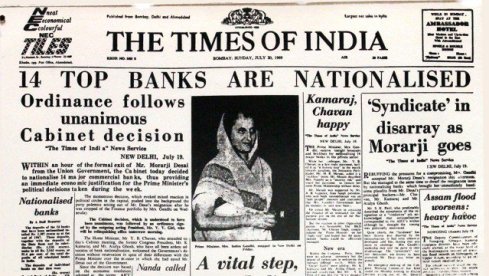
  • Indira Gandhi made the bold move of nationalising 14 banks that controlled 70% of the country’s deposits

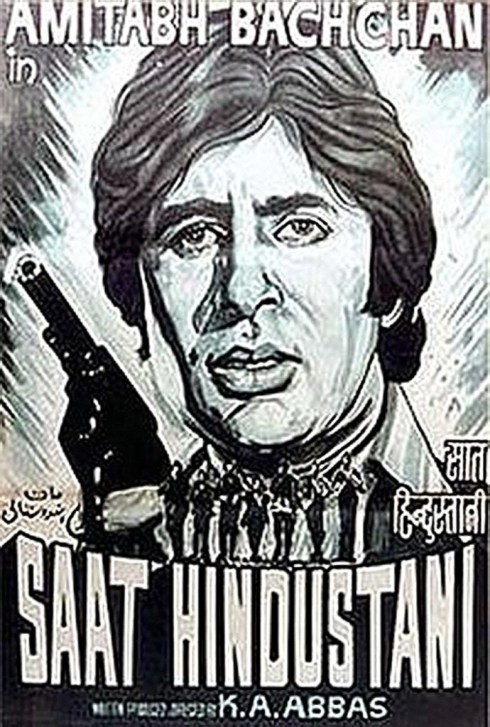
  • The actor we all love Amitabh Bachchan made his debut in 1969 with Saat Hindustani 

  • 1969 was also the turnaround year for superstar Rajesh Khanna. In 1968, Khanna didn’t have a single film. In fact, the vacuum had stretched into the tenth month of 1969, prompting his doting but disturbed father to ask him to rethink his career plans. “To pursue a career that keeps rejecting you persistently is foolishness,” he told him. “In life, one should learn to read the writing on the wall early. Maybe a career in films is not for you. Give it serious thought.”Fortunately for Khanna, a ‘small’ unassuming film saved him from further ignominy. Ittefaq — directed by a man with a Midas touch, Yash Chopra, on a shoe-string budget and shot in 28 days without frills — turned the tide. The film, a thriller, had no songs, no dance, no big stars. It might have had a better initial draw than any other Khanna-starrer based on the reputation of the B.R. Chopra banner, but the movie’s popularity really owed to Khanna — who was about to rewrite the rules of stardom. Ittefaq was followed by Aradhana, another stop-gap venture produced and directed by a stalwart, Shakti Samanta. Released in November 1969, it took off on a whirlwind run
  • It was in 1969 that Goenkaji started teaching Vipassana Meditation in India – making true the prophecy that Buddha has made 2500 years back.
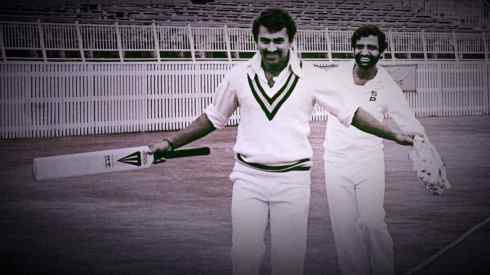
  • Two of India’s greatest cricketers launched themselves in 1969. Gundappa Vishwanath made his test cricket debut Vs Australia at Kanpur in 1969 and scored a century. And Sunil Manohar Gavaskar was selected to play in the 1968 – 69 Ranji season.

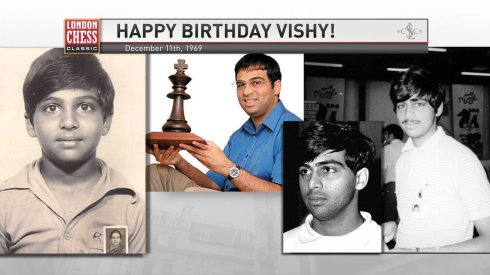
  • And on Dec 11th , 1969 India’s greatest Chess player V.Anand was born.

  • 1969 was also the year when many great talents were born. Jennifer Lopez, Steffi Graf , Jennifer Aniston, Catherine Zeta Jones, Mathew Perry (Chandler of Friends), Michael Schumacher, Sheryl Sandberg , Ajay Devgun, Javagal Srinath, Mandakini and Arnab Goswami.

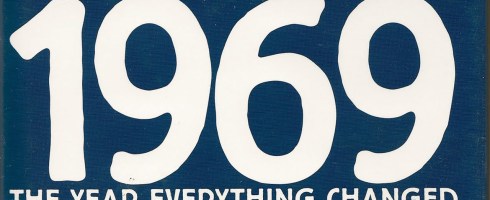
If all of this doesn’t make 1969 the greatest year ever – what will ? No wonder its the topic of a book titled “1969 The year everything changed – By Rob Kirkpatrick


Kailash Mansarovar Travel Tips

15 Aug

I feel energised visiting ancient Shiva temples. Having visited the Pancha Bhootha Temples and most of the Jyotirlingas I have had a deep desire to visit Kailash Mansarovar. This materialised between July 30th & Aug 14th in 2018 – a great advance 50th Birthday treat for me. A long and challenging trip that was executed to perfection by the Isha Sacred Walks team.

There is something mystical about Kailash that has drawn pilgrims for thousands of years. Many keep coming again and again. I would say this is how a temple should be – spread over 1000’s of km’s across pristine nature, no rituals, no flowers, no aartis, no poojari – just you and the Lord in direct contact. Kailash Mansarovar,
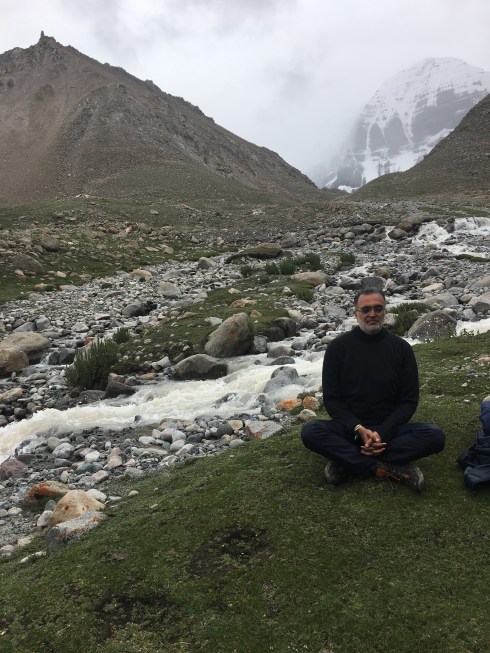
By the Grace of God and the blessings of the Masters the trip worked out magically. Here is a  summary before I delve into the details

  • We travelled via Lhasa (Bangalore – Kathmandu – Lhasa by flight) and then 1500 km bus drive @ 500 km / day from Lhasa to Mansarovar.
  • Lhasa is at 12,500 feet and Mansarovar – Kailash at 16500/17000 feet. For a perspective Simla is 7000 feet and Leh/Ladakah is 12,000 feet.
  • Our journey was across a fortnight spanning 14 different hotel rooms. Wake up at 5 AM, Pack your bags by 5.30 AM, Guru Pooja and Kriya till 7 AM, Breakfast then start the journey at 8.30 AM driving almost 10 hrs every day. Reach the hotel by 7.30 PM – Dinner – Bath – Sleep. It was a blur as the 14 days whizzed by.
  • Temperatures  ranged from – 5 to 10 degrees, cold and wet, and at times the high altitude sun searing down on you. The challenge of altitude sickness, lack of appetite, tiredness – all of this overcome with one singleminded purpose – the goal to visit and experience  Kailash Mansarovar.
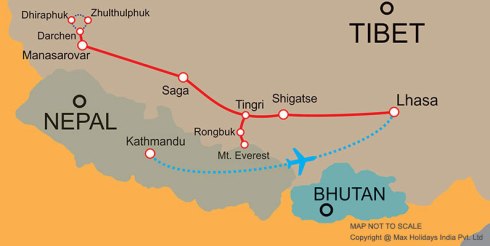
map

The journey in Phases 

Phase – 1 : Planning 

I made my bookings in Dec 2017. I had been hunting for a good reliable agency and finally decided that Isha Sacred walks was the best. They have been at this for years and do a professional job with the highest regard for safety and convenience. This year Isha is conducting passage for 21 groups with ~ 70 people in each group. Thats a total of ~ 1500 Yatris which contributes to almost 15% of all who will visit Kailash Mansarovar. The pre travel communications for packing / medicines / fitness were crisp and efficient.

Phase – 2 : Arrival at Kathmandu  (Day – 1) 

Our assembly point was at Kathmandu. I reached a day early to visit the city and the famous Pashiupathinath Temple (The package covers this on the return leg). Kathmandu looks like a bombed city – dusty, potholed roads, congested, chaotic. We stayed at The Yak & Yeti in central Kathmandu a nice 5 star property. We completed our debrief, tied the Abhaysutra’s, collected our kits (Isha gives you a Duffel bag, back pack, sling bag and a Down jacket on returnable basis), converted currency to Yuan. We were strictly informed to remove all books / T Shirts that had any connotation of “Free Tibet” and travel as Yatris and not activists. One wrong message can put the whole group in jeopardy. Next morning we started with Guru Puja and Kriyas (Something we did every day) and then headed to the airport for the flight to Lhasa with our coordinators.

Phase – 3 : Acclimatisation at Lhasa (Day – 2/3)

The flight from Kathmandu to Lhasa is less than 90 minutes. Clearing immigration was a hassle – the Chinese are not very friendly and it took us over an hour to complete the process. Lhasa at 12500 feet is a modern city, well maintained with the hallmark Chinese infrastructure of broad roads and nice footpaths. We stayed at the Lhasa Mansarovar hotel – a nice spacious property with good facilities. Breakfast was the regular hotel buffet but lunch and dinner were Indian meals cooked specially for us. That was one of the highlights of the trip – we had fresh piping hot Indian food all through the trip.  Mansarovar hotel
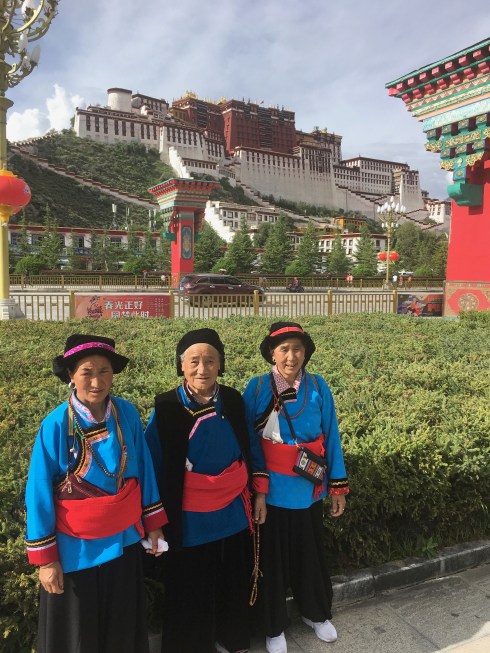
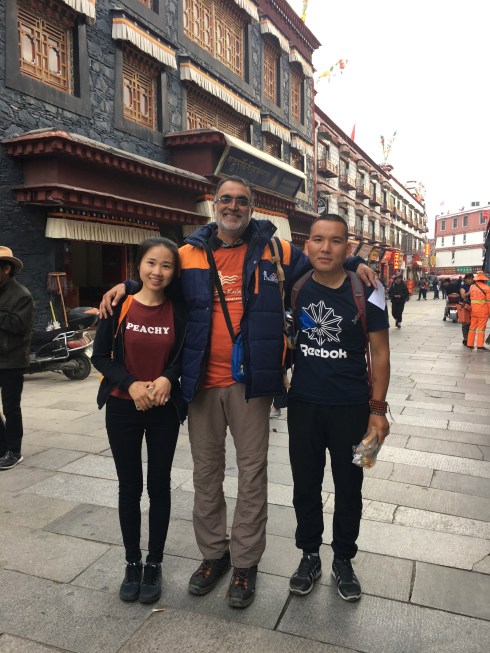
The weather in Lhasa was bright and sunny and we had time to visit the ancient Jokhan Temple, The Potala Palace and The Summer Palace. Tibetans are happy friendly people, and they always oblige to take photos. But they seem to be a minority amidst the Chinese population.

The city was disciplined, organised and clean. We spent more time at Lhasa on our return leg and had dinner at a beautiful place, so more about it then.


Phase – 4 : Bus Trip from Lhasa to Mansarovar (Day – 4/5/6)

From Lhasa our journey shifted to buses for the next 9 days. Lhasa to Mansarovar is almost 1500 Km and we covered ~ 500 Km / day. Our first stop was at Shigatse, the 2nd largest town of Tibet at 12,500 feet. And this was the shortest drive of the trip for 6 hrs. From Shigatse we drove to Saga and reached a altitude of over 16,000 feet. This was a long day with over 10 hrs of driving. And then from Saga to Mansarovar.
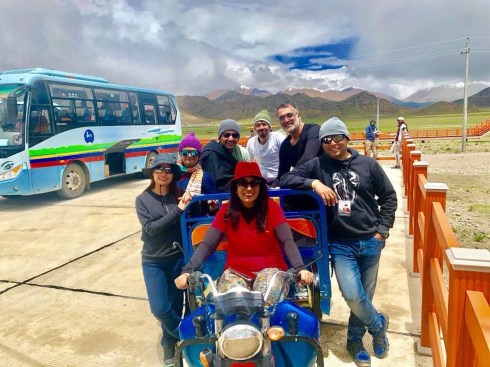
Family trip

As we travelled from Lhasa the quality of the hotels started deteriorating. However, till Saga we had rooms with hot water and bathrooms.

We were lucky to get Indian food all through. Even lunch was packed. Breakfast was Khichdi, Upma, Cereal, Fruits, Milk, Tea, Coffee and lunch was Rice, Dal, Sabji, Rajma, Canned Sweets, Bhujia, Apple etc.

The landscape changes after Lhasa. Tibet is the worlds highest plateau. It’s a cold desert. All you see is undulating plains of grasslands with Yaks and Sheep and hardy nomads. There are no trees.

After reaching Shigaste (12500 feet), I fell sick. A combination of AMS and GERD hit me. I lost my appetite and felt feverish and weak. I rarely fall sick and was a little underprepared with my medicine kit. The YAK Butter, Milk Powder and Puri with Rajma for lunch must have caused the problem in this high altitude zone. Luckily we had doctors travelling with us in the bus and stationed at the hotels. They were checking everyone twice a day and thanks to their support I recovered in a few days.

(Doc in Green T Shirt was a fellow Yatri who was doing Gods own service by treating and helping us. I owe it to him for getting back in shape)Kailash Mansarovar,
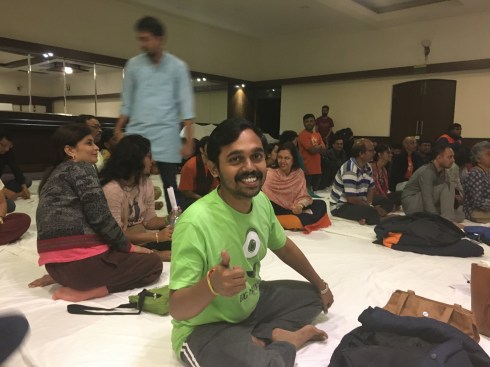
On this trip it is best to avoid greasy food. I had carried a lot of “Groundnut Chikki” which I gave away. Figs, dates, biscuits, ginger balls, chocolates , energy bars etc are good to have. The family of Yatris helped me out with medicines and useful supplies all through. It’s amazing how people who you have never never met before come together as a family to help you in your time of need.

If you suffer from GERD or acidity, stick to a light diet. We got bananas and apples every day – so you can stock up on that. Falling sick has nothing to do with age. Our group of 75 had people from 26 – 66 and many of the people in their mid 50’s were the fittest of the lot.
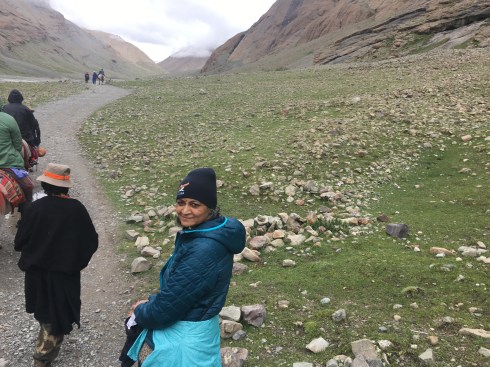
Kathmandu

Diamox to prevent altitude sickness is a must have twice a day. It is recommended to start it 5 days before you leave for Kathmandu. With Diamox you drink a lot of water so that means frequent restroom breaks. Which is a challenge. There are no decent loos on the highway so your breaks are always in the open.  Diamox kept me waking up every hr at night all through the trip adding to the tiredness. At these altitudes its difficult to get a restful 5 hr sleep at night. And I am a super sensitive light sleeper.

Phase – 5 : We reach Mansarovar on Day 6

After 3 days of long drives we finally reached Mansarovar. We stayed at a camp right across the lake. Our camp was a Pucca brick structure room with no attached bath. For the next 4 days we would have to manage with no bathrooms, which was a challenge. The toilets were sink pits inside small tents and with no air circulation, it can be smelly. You have the option of using open air starry sky toilets also – which was a better option. At 4 AM, pitch dark, no power, armed with a torch on your head like a coal miner, wet wipes, toilet paper roll, a rain coat, layers of warm clothing you hunt for a nice starry corner. (Suggestion if you are using the tent loos carry some Camphor with you – the smell of Camphor minimises the stink)
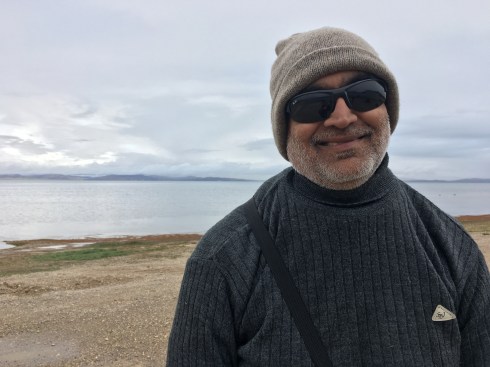
Mansarovar lake

Mansarovar is a large lake. It is mystical and has a close linkage with Kailash. We could see the South Face of Kailash from our camp. Many have seen lights and divine bodies taking a dip at the lake during the Brahma Muhurtam  – we also woke up at 2.30 AM and spent some time but were not lucky to witness any celestial beings.

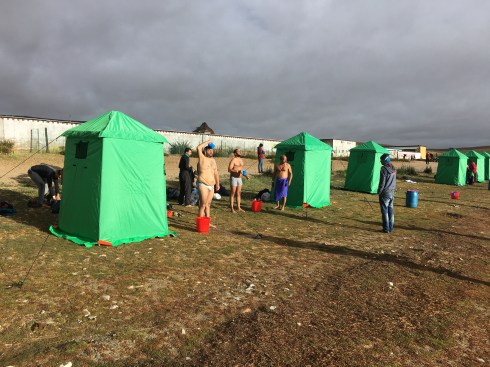
The next morning we did our meditation and prayers by the lake. It is a serene experience and as you sit quietly you can’t but help choke and feel the tears running down your eyes.travel tipsMany brave souls took a bath in the chill cold water. The authorities don’t allow you to take a dip – so the sherpas get water in drums. Recovering from fever, I splashed water all over my body and it was very refreshing.
Phase – 6 : The final Trek to Kailash – day 7 /8

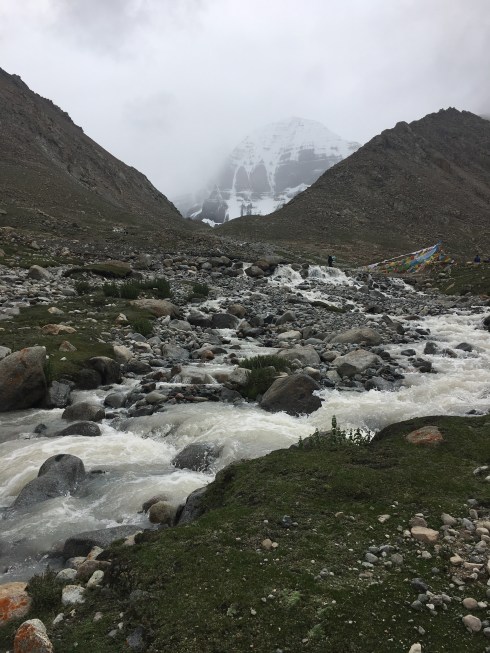
After breakfast we had a short 1 hr ride to Yam Dwar and started our trek. Many people do the full 72 Km Parikrama that takes 3 days. We did a total of 32 Km (16 Km up and down). Starting from Yam Dwar and walking along the Western face till we reached the Northern face of Kailas where we camped for 2 nights.  We had views of the Southern Face, Western Face and the Northern face.
travel tips

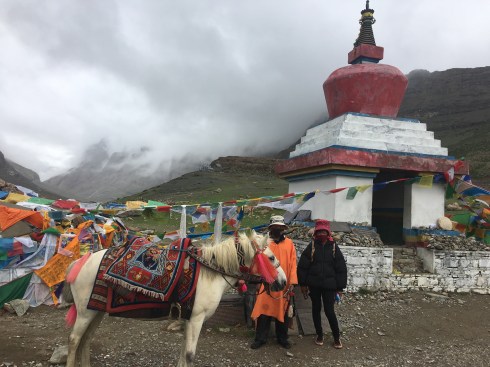
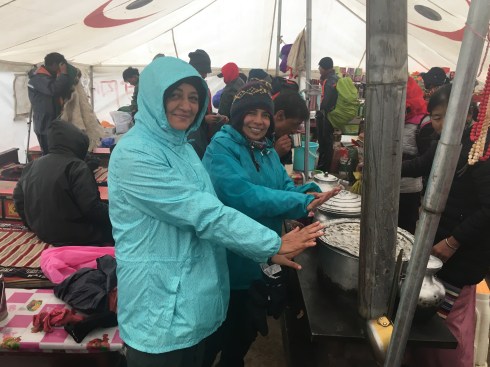
You have an option of taking a pony. Most people walk. Its a easy trek. Broad path, scenic views, fresh air. You can do it comfortably in 4 – 6 hrs.  Good to have a porter as at this altitude even a few 100 grams can tire you out. The porters cost 850 Yuan for the round trip and the Pony costs 2200 Yuan. There are a few stopover points for tea and snacks to catch you breath and warm your hands.
travel tips

I was all set to walk but after 3 days of fever the doctor insisted I take a pony. Isha paid for the pony – which was a wonderful gesture, 2200 Yuan is almost Rs 24,000. The horses are young, wild and very sensitive. We were in a group of 4 horses and the Yatri on the 1st horse opened his umbrella, which got his horse troubled. In the neighing and confusion, my pony suddenly started running and knocked me down. For a few minutes I was in a state of shock, wondering if I had broken bones. Fortunately by the grace of God all was well, the thick jacket had saved me and all I had was a few bruises. In this panick moment I saw the horse man remove my RADO watch – but was in no state to stop him. With little oxygen, your memory loss is high and I forgot the incident. After the fall, I refused to sit on the pony and trekked the remaining way to Kailash and back. It was only late in the evening after I reached Kailash that I realised that my watch was missing. By sheer luck the organisers managed to get it back. Miracles do happen in Kailash.
Kailash Mansarovar,

Kailash is the source of enormous energy. The mountain looks different from others in its vicinity. Its majestic and towering. It draws sadhaks from across religions – Hindus, Jains, Buddhists, Tibetans. Many come and spend years drawing energy and knowledge. The 1st Jain Tirthankara Rishaba spent over 7 years, Milarepa the buddhist monk spent many years. Sages, wise men, monks, students are all drawn to the power of Kailash. Some say it was made by extra terrestrials, others say it is the centre of the universe, and the global HQ of energy and power which the puny human mind cannot comprehend. Many holy rivers originate from here. You go to Kailash to dissolve. Not to ask, but to merge and take back a spark of that energy with you. You are lucky if you can connect and get that spark embedded in you.

After you reach Kailash you sit quietly trying to absorb this infinite power. You thank the Gods and the divine masters for a safe journey. And you can sense a catharsis within you as the tears swell up and flow silently. We spent 2 nights at Kailash – I wish we could have spent more. I did get a view of the full mountain, but it was cloudy most of the time. We did not have blue skies and at night could not see the stars. Old timers say that later part of Aug the weather gets clearer.

Our stay at Kailash was also in pucca camps similar to Mansarovar. The toilets were better as they were not tents. they were better designed with open roofs. It snowed at night making it very cold. The rooms were comfortable and the piping hot food was a treat. People started reaching Kailash by 4.30 PM and the last set by 7.30 PM. The sun sets only by 9 PM. Tibet is set to Beijing time so its 2 hrs 30 min ahead of India.

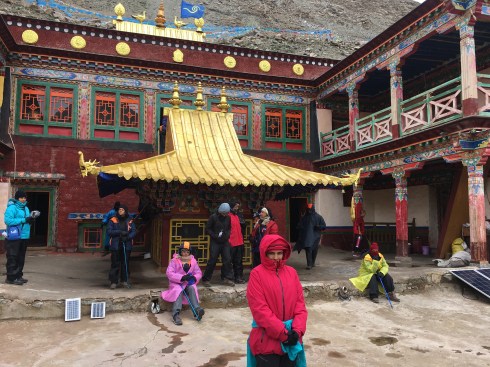
Next morning after breakfast we did our group meditation in front of Kailash and visited the Milarepa Monastery close by. The brave Sherpas went close to the mountain glaciers and collected “Kailash Teertha” for us. Fresh with minerals and the energy of Lord Shiva – one drop is all you need to energise yourself.
Kailash Mansarovar,

Phase – 7 : The Trek Back – Day 9

You dont feel like coming back from Kailash but after 2 nights we had to head back. The return walk is easier. This section is not steep and we touched a max of 17,000 feet. There are however parts of the 72 km Parikrama that are steep and a tough trek with altitude touching 18,000 feet. Many buddhist devotees do the entire Parikrama by prostrating. That takes nearly 45 days to complete. Yak land
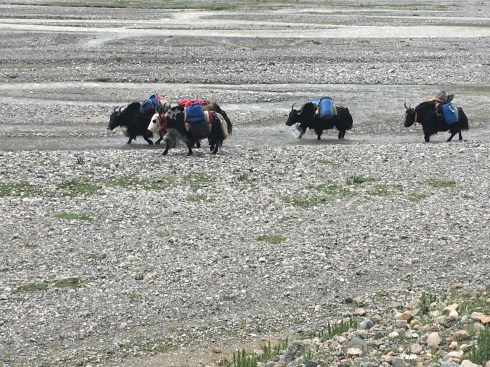
Our luggage came by Yak’s. This is Yak land – they are strong wild beasts and the local population survives on everything YAK. From Meat, Wool, Milk, Leather – life in Tibet is tough and would not be possible without the Yaks.

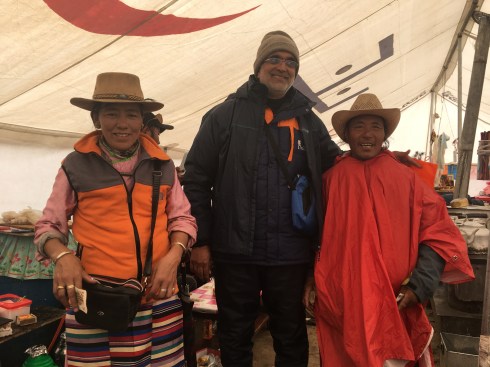
Tibetans are tough people and with all the challenges they are a smiling lot. They may be Buddhists but their religion is steeped in tradition and rites and has a lot of Tantric aspects of Hinduism. They say that when the invaders came the Tantric knowledge of Hinduism was smuggled to Kashmir, Tibet, Nepal & Assam as it was safest here in the remote Himalayas. Somehow from here it managed to find its way to Kerala also.
Kailash Mansarovar,

After 4 days of no bath we finally reached Darchen – to a nice hotel with a bathroom and hot water. What luxuries. A nice warm bath, lovely hot food, contentment, a sense of accomplishment and happiness gave way to a relaxed nights sleep.

Phase – 8 : Back to Lhasa

Over the next 3 days we drove back the long 1500 Km back to Lhasa Via Saga & Shigatse. Most of the drive was along the Brahmaputra that was in spate and we had a few long stop overs were the bridges were broken or landslides had blocked the roads. Small incidents nothing serious. We were lucky.

After reaching Lhasa we  ventured out for dinner to a lovely places called The Tibetan Family Kitchen. Nobody knows a word of english in Lhasa – locating the place was a challenge. After a few misses I was lucky to find a young English speaking couple who escorted me to the restaurant. There are good helpful people everywhere.
Tibetan

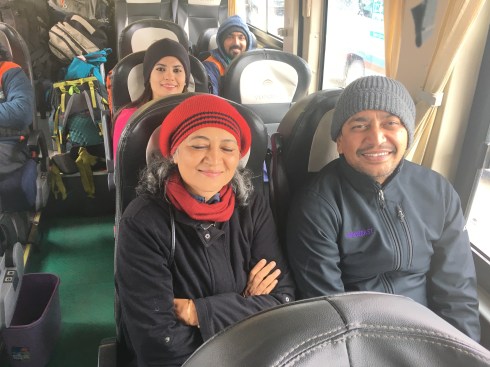
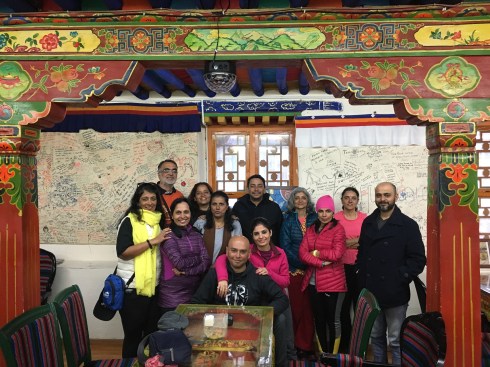
The service and food at the restaurant was outstanding. We ordered almost every veg dish (Their speciality was Yak Meat) and enjoyed the meal. The group of 75 was split across 4 buses – we were in Bus 4 and over the last 12 days had built a good camaraderie with the group. Far far away in Lhasa, it was fun dining with a few good people.  The lady who runs the restaurant was the perfect host. She booked us cabs and got us back safely to our hotel. Kailash Mansarovar,
Phase – 9 : Back to Kathmandu

On the 13th of Aug we headed back to Kathmandu. And the jinx of 13th played up for a bit. Our flight almost landed at Kathmandu and then had to turn back to Lhasa as the weather was bad. A short stopover for refuelling and we were headed back to Kathmandu reaching in time for a late lunch at 2.30. the 2 1/2 hr time lag was a blessing.

That evening we had a Satsang with Sadhguru at the Gokarna hotel. Its rare to meet Sadhguru in a small group of 150 people. We were lucky. We were the 1st batch, A1, and there was a batch heading to Kailash the next day. The Satsang was for both groups. Sadhguru was in full flow and enthralled us for almost 2 hrs in an interactive session.

Phase – 9 : Back to Bangalore

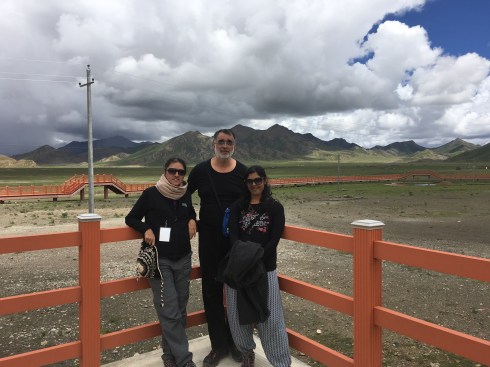
Aug 14th we headed back to Bangalore. We had left on July 30th. It was day 16. We had covered a lot and had accumulated memories for a lifetime. We had survived on an adrenalin rush till now and as I sunk into the  Jet Airways seats, I was overcome by exhaustion. It’s going to take a few days to recover. Something tells me that this is not the last trip – I will head back again to Kailash again in the near future. And as I sign off a special thanks to our team lead from Isha, the young Pooja from the ashram, who did a stellar job with her band of volunteers in managing and coordinating this trip so well. A big thanks to the volunteers, sherpas, cooks, all the support staff who make this trip possible and the friendly helpful fellow yatris who were like family forging new bonds.
Kailash Mansarovar,

Other Tips 

  • Travel light. Dont pack too many woollens, reuse. Ensure 3 sets of Thermals, Undergarments change every day, Socks for every 2 days. Dress in layers.
  • Carry healthy food – Dates/Figs/Biscuits/Chocolates/Energy Bars/Gur/ Something salty – helps to munch something in the long bus rides.
  • Carry 2 – 3 pairs of Gloves, Caps, Mufflers – they tend to get misplaced. A good raincoat is a must. Wear ziplocks over your your socks so that they dont get wet as you trek.
  • Pack all your clothes in Ziplocks / Plastic covers. Use number locks for duffel bags.
  • Carry a flask for hot water and a regular water bottle.
  • A head torch can be very useful
  • Medicines I ended up having – Dymox, Domistal, Omniprosol, Allegra, Azithrol, Dexam, B Complex. (Carry the list that Isha subscribe – http://www.sacredwalks.org/wp-content/uploads/2016/07/First-Aid-Kit.pdf
  • Packing suggestions : http://www.sacredwalks.org/wp-content/uploads/2018/E-Brochures/Kailash-Packing-Suggestions.pdf
  • There is network connectivity available in almost all the places including Kailash & Mansarovar. Battery pack is needed only at Kailash & Mansarovar.
  • Hotels in China have Wi Fi – but FB/ WhatsApp / Google are banned – activate Airtel Roaming pack before you travel.
  • How much does this cost? Ex Kathmandu 2.85 Lacs. Flight to Kathmandu, 1 extra night stay, Porter, Misc etc add 30 K – so thats a total of 3.15 Lacs for the trip/person.

A few more Views from the trip

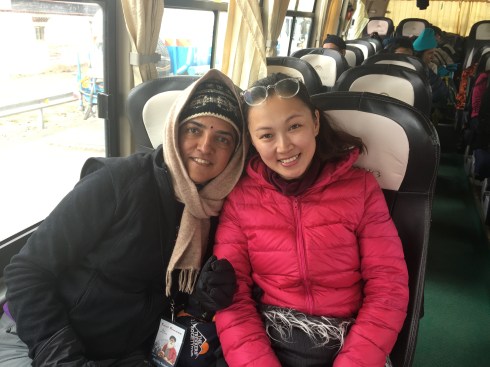
 Mythily with the bus drivers friend 
Kailash Mansarovar,

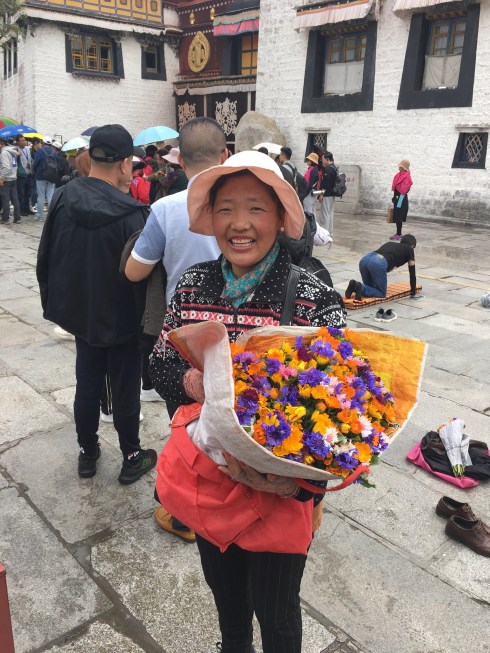
A Tibetian lady selling flowers at the Jokhan temple Kailash Mansarovar,
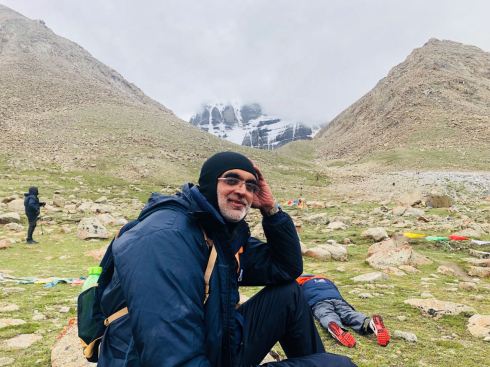
Meghna & Vikramjit Travel tips

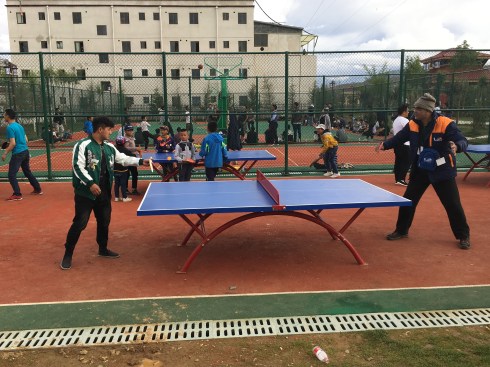
Playing TT at the park at Shigatse Playing TT at the park at Shigatse

Afternoon view of KailashKailash Mansarovar
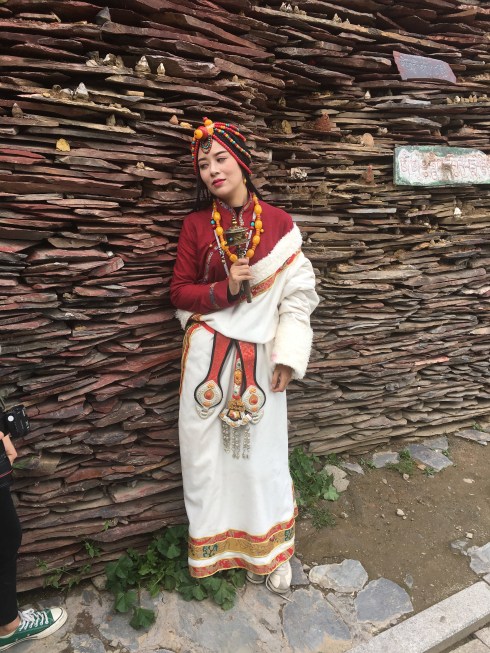
A performer / model near the Potala Palace Kailash Mansarovar
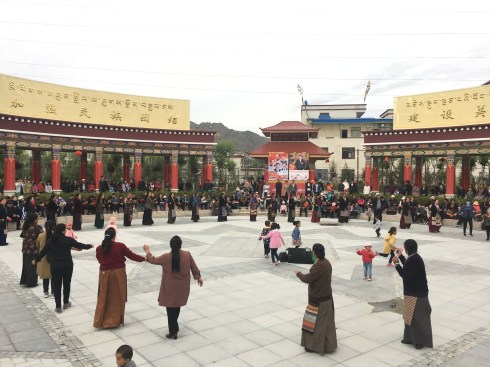
Community dance at Park at ShigatseCommunity dance at Park at Shigatse

Locals we met Enroute
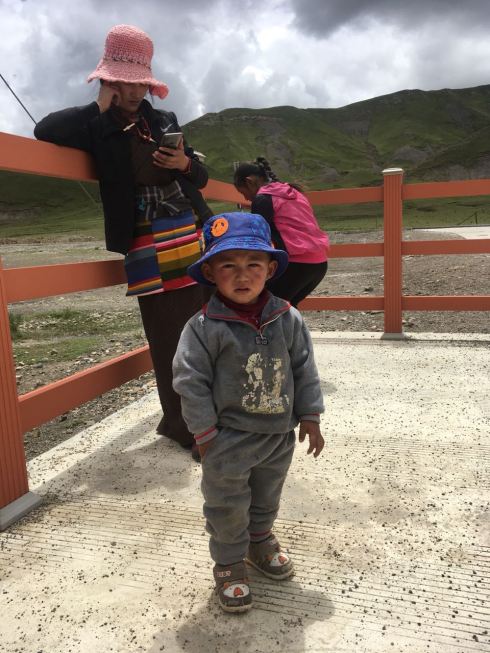
Kailash Mansarovar

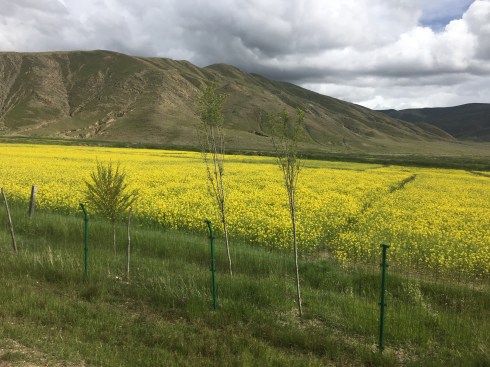
Mustard fields on the road to Saga Kailash Mansarovar

Room at Lhasa

Day Trip 19 – Rangasthala, An ancient Vishnu temple at Chikkaballapur near Bangalore

25 Jul

An ancient Vishnu temple that was built by the Cholas and later developed by the Vijayanagara empire, Rangasthala in Tippanahalli village, Chikkaballapur around 70 Km from Bangalore is a well kept secret. (Locals claim that the temple is over a 1000 years old and the main shrine was installed by the Sapta Rishis in the Treta Yuga)

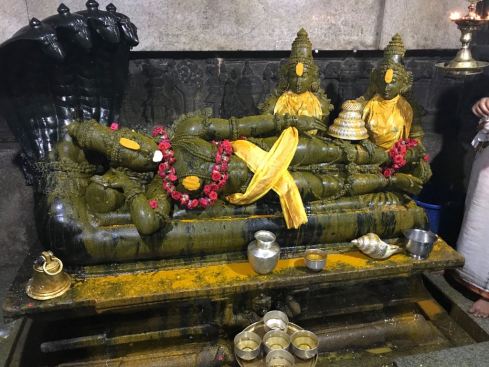
Surrounded by misty hills and green fields lies this beautiful temple of lord Vishnu. The idol of Ranganatha is 4.5 feet in length with Bhoo Devi and Neela Devi at His feet. Lord is in Yoga Nidra and his Shesha (Lord Vishnus Snake) is spreading his hood like an umbrella. The idol is beautifully sculpted out of Black Saligrama stone and it is believed that the sanctum sanctorum was installed by the Sapta Rishis. Locals state that if devotees visit this temple after  Adi Ranga in Srirangapatna, Madhya Ranga in Shimsha and Anta Ranga in Srirangam, they achieve liberation or moksha. Hence the Lord is known as Moksha Ranganatha.

We were lucky to witness the elaborate “Abhishekam” of the Lord in Milk, Curd, Sandal etc with the divine chanting of mantras. A rare sight and the priests had no objections to photography and video. And guess what – we were the only people in the temple seated right next to the sanctum sanctorum.

On the wall there are sculptures of Saptarishis, Brahma, Rambha, Urvashi etc. It feels like the Lord is in Vaikunta and he is surrounded by all the gods who are prostrating in front of him.

The temple is serene and peaceful and its a joy to sit quietly and soak in the energy and vibrations exuding from its premises. On a weekday its empty.

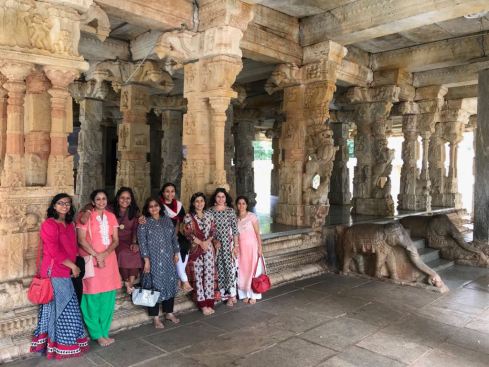
The architecture of the temple is very “Chola” with the intricately sculptured pillars that support the temple. It is very well maintained and clean.

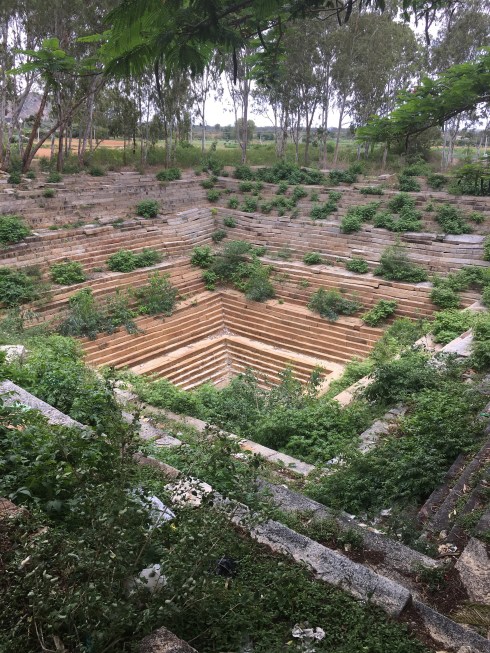
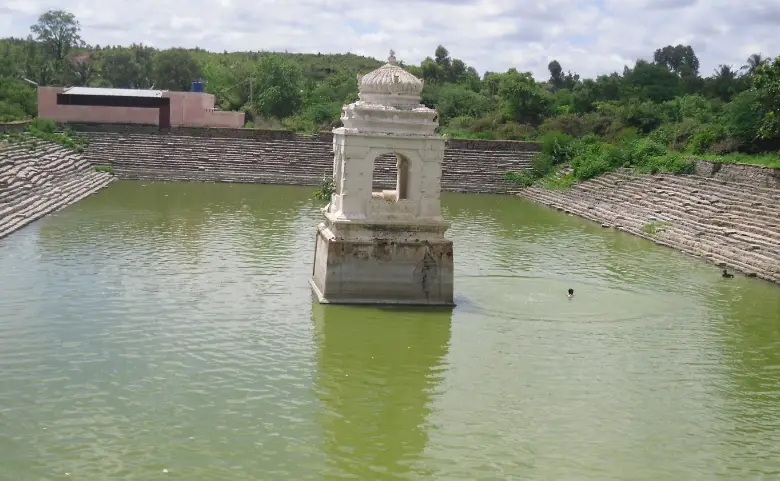
Adjacent to the temple is a large step well. That is currently not operational. But one can visualise how beautiful it would have been when it was brimming with water.

We left temple at 11.15 AM and reached our lunch place at Race Course Road –  South Ruchis Square exactly at 1 PM.  This is a newly opened pure veg restaurant that serves Breakfast, Lunch and Dinner. I would call this Bangalore’s nicest fine dining S Indian restaurant. Nice interiors, good service and most importantly the food was sumptuous. You have a choice of a regular S Indian Thali or Millet Thali. Lots and lots of varieties in the Thali. And guess what, its priced at a very affordable Rs 180/-. This was the second great find of the day.

Other useful points

  • Drive Time from Koramangla Via Devanahalli Airport ~ 2 Hrs. Breakfast stop – Udupi Swaada. Nice place with clean bathrooms. Lots of restaurants on this stretch. We left Koramangla at 7.30 AM and reached our breakfast halt (10 Km after the airport) at 8.45 AM and after a leisurely tasty breakfast were at the temple at 9.45 AM. The last 15 Km are thru the town of Chikkaballapur, roads are good – last 1 Km is mud road. Google maps gets you to the temple correctly.
  • Budget 60 – 90 Minutes at the temple.
  • On the way back if you have time you can stop at the Devanahalli fort where Tipu Sultan was born. You can see it as your drive on the highway. Inside the fort there is another Vishnu temple. We had a 3.30 PM return deadline so could not cover this.
  • A Shirdi Sai Baba temple on the main road between Chickballapur and Devanahalli is also worth visiting
  • Back home at Koramangla 2.15 PM.

A beautiful documentary on this temple by Hackberry that I found on YouTube


Please follow my Facebook page for regular updates on A Few Good Things 

https://facebook.com/afewgoodthingsvak1969/

For other fascinating day trips in and around Bangalore visit below

https://atomic-temporary-14030268.wpcomstaging.com/2018/07/11/explore-bangalore-21-curated-day-trips/


From Technology Outsourcing to Social Entrepreneurship – The journey of Dr Sridhar Mitta

24 Jul

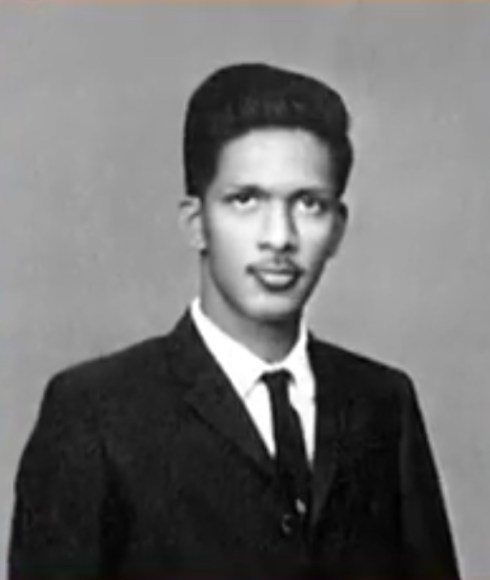
As part of A Few Good People – This blog features Dr Sridhar Mitta, a pioneering visionary who not only established Wipro as a global leader in Technology Outsourcing but also built the foundation for the industry. Dr Mitta has influenced the lives of thousands and on this Guru Purnima I would like to pay my respects to this wonderful man.  

In 1980 when a young 30 year old walked into Wipro’s nascent Information Technology Division as a founding employee he achieved two things. He helped catapult Wipro into a Global Technology giant and set the ball rolling to position India as a Global Outsourcing hub.

 Dr Sridhar Mitta, Bangalore in 1980, with a population of ~ 2M was a quaint little town deserving the sobriquet of a pensioners paradise and a hub of  Research Institutes. The Janata government had shown the door to IBM, The PC was yet to be discovered, Infosys did not exist and the Indian Rupee was trading at 1 USD = Rs 7.86.

This was also the time when a young Azim Premji (AHP) at the helm of Wipro was hungry to expand. Whether it was vision or chance one would never know – but AHP who always had the knack for identifying great talent hired Ashok Narasimhan (A smart savvy financial controller from Telco) and Dr Mitta. Between them they were tasked to build the IT / Technology business at Wipro. 

Dr Mitta armed with a MTech from IIT Kharagpur and a PhD in Control Systems from Oklahoma State University (He was inducted into the Hall of Fame in 2009) was the right choice for Wipro. He was a visionary but hands on. A wonderful team player he was crystal clear on the road ahead as he went about it step by step with determination and passion.

I recollect my first interaction with him in 1992. At our induction  program he  predicted that in the coming years the PC would be like a telephone, just a black box – and the whole attention would be on Software and Services. How right he was.

Over the next 20 years the successful trio of AHP, Ashok Soota and Dr Mitta built Wipro into a global giant. (Mr Ashok Soota took over as the President of Wipro Infotech from Ashok Narasimhan in 1984)

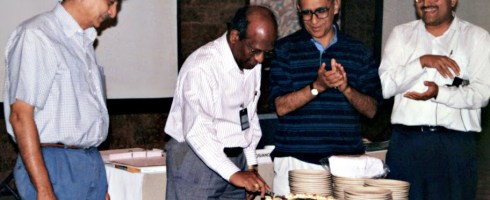
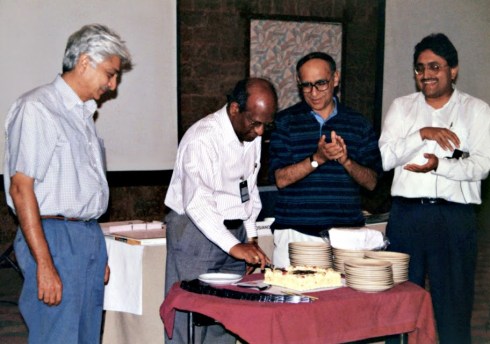
 Dr Sridhar MittaSridhar Mitta celebrates his birthday with Mr Premji, Ashok Soota & Sudip Banerjee

The first phase between 1980 and 1990 was the “Make in India” journey. Intel was coming out with blazing fast microprocessors and Wipro started building multi-user Minicomputers the S86, S286, S386, Landmark 486, Pentium based Synergy series etc. some of them based on the Unix operating system

Designing a Multi Processing Computer in the 80’s was not easy. Remember there was no Internet and Google. The R&D team under Dr Mitta built deep expertise in Chip design, Board design, Operating System, Compilers, Interoperability, Testing and all the zillion things that go into making a reliable high end system.

Dr Mitta recalls that in those days Wipro was the 1st choice for any IIT Graduate because of the quality of work and company ethics. People, Process & Technology were the bedrock for the R&D team and that was Wipro’s positioning for many years. Quality work always gets noticed and global tech companies like Intel started exploring partnerships with Wipro’s R&D team.  This would prove to be the foundation for the next wave of innovation. 

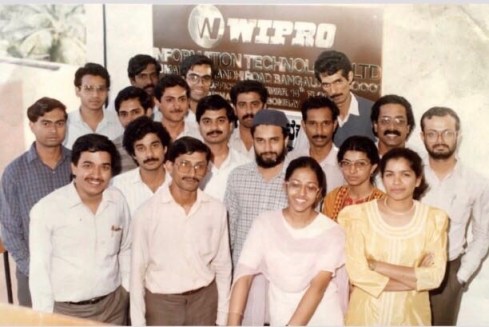
 R&D teamThe young engineers from Global R&D. Most have grown to be Tech entrepreneurs,CTO's and CEO's of leading companies

By the early 90’s it was evident that the India was liberalising. HCL had tied up with HP, Compaq had an alliance with Microland. All the large players were beginning  to make an entry. They had global scale and size and it would be unviable to try and compete with them in manufacturing given the small size of the Indian market.

The visionary in Dr Mitta saw an opportunity amidst this threat. He started contacting his friends  in the US who were working in large Tech companies like Intel, Sun, Tandem and NCR. The bold pitch was to ask for projects that could be done by his team of highly qualified engineers from India. He was crystal clear that there would be no body shopping (The model that software exporters had adopted initially).

The going was not easy as foreign travel needed RBI permission and there were strict controls on the amount of Forex you could carry. He recollects – “We survived on less than $50 a day living with friends and at times eating one meal a day. It was tough. But we were fired with a mission.” Infrastructure, power and network bandwidth were the other challenges that the team had to surmount.

Doing work remotely needed a strong process. Wipro led the industry in embarking for ISO and later CMM certification. This gave a high degree of comfort to clients on the process maturity of the company. Thus was born Tech Outsourcing from India. A wave that has transformed the lives of millions and positioned India globally.

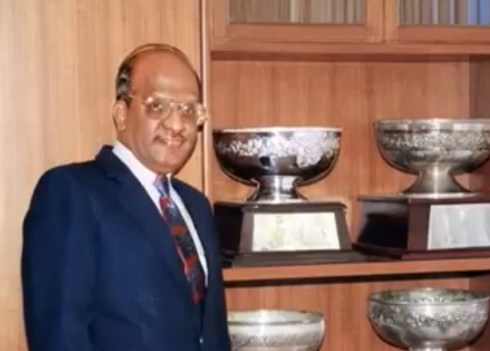
Dr Mitta      Dr Mitta with the numerous awards won by Wipro Global R&D

After that there was no looking back as Wipro’s R&D transformed to Global R&D executing high end work for tech giants in US, Europe & Japan.This was when Dr Mitta decided to explore his entrepreneurial calling. After a 20 year stint at Wipro starting as employee No 1 he had now become the President of Wipro Global R&D. But deep down the technologist in him was itching for doing more innovative work that would impact society.

He spent a decade in EnThink and E4E two innovative startups. EnThink was an Intellectual Property design and licensing start-up located in silicon valley. At E4E  he helped develop the concept of EAP – Entrepreneurship Acceleration Program working closely with TIE (A Global organisation fostering entrepreneurship). By now he had seen the challenges of the rapidly growing IT Industry in Indian cities. It was time to connect the dots and bring his 40 years of experience in creating something new and innovative. This led to the creation of NextWealth.

While conceptualising NextWealth he met the legendary Dr C.K.Prahlad who spent a lot of time with Dr Mitta and finally concurred that his basis for NextWealth was foolproof. Dr Mitta still remembers his advice ” Think beyond Best Practice, invent the NextPractice – The next big business model“.  The founders wanted the company to be named NextPractice but since that domain was not available they settled for NextWealth.

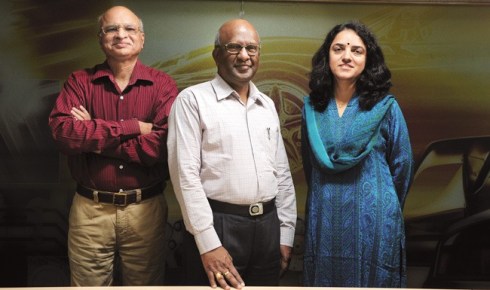
Dr Mitta           Dr Mitta with Anand Talwai & Mythily Ramesh

NextWealth was Co – Founded with leaders from Wipro and the team of Dr Mitta, Anand Talwai, S.R.Gopalan and Mythily Ramesh steering it ahead.

NextWealth was created to add social value through entrepreneurship. The company has a unique business model that solves many of the challenges of the day.

  1. The Vision of the company is to provide 10,000 jobs in smaller towns. They call it The Distributed Delivery model.
  2. Each job generates 5 ancillary jobs and kick starts the local economy. NextWealth promotes not just employment but overall economic development in smaller towns.  “40 Years back Bay Area outsourced work to India 5000 miles away so why can’t Indian companies outsource work 500 miles away in their own backyard? Questions Dr Mitta.
  3. A lot of good talent is available in smaller towns at very affordable prices. This kills two birds with one stone – Lower costs and almost nil attrition.

The company identifies business opportunities and partners with entrepreneurs in smaller towns. The local entrepreneur runs the centre with  inputs from the experienced leadership team at NextWealth. The company has now partnered with competent entrepreneurs in smaller towns like Salem, Chittoor, Mysore, Hubli and Bhilai and has established its business model with many customers.

Over the last few years NextWealth has delivered with some very demanding Global & Indian customers in eCommerce, Finance, IT & Retail. Their core expertise is on deriving insights from Digital Data that can be monetized by blending people and automation. The focus areas are

  • Customer Interaction
  • Assisted Digitisation &
  • Business Process Management

It is a Win Win formulae for Customers, Employees and the Entrepreneur. A mid sized company that can scale rapidly and deliver quality output at very affordable rates. Quality of staff is good and with the right training and mentoring the staff excelled. And it was no surprise that more than 50% of the staff are women.

NextWealth

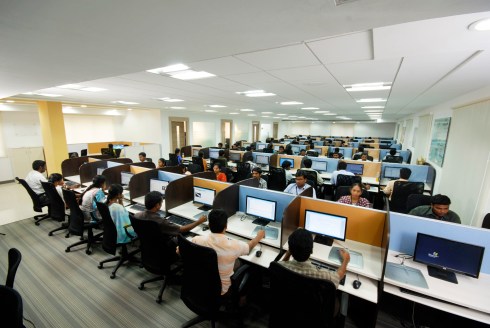
I visited their largest centre near Salem. It was buzzing with energy. The process & security standards were foolproof. NextWealth supports over 40 customers in a variety of high end digital services. (Judgemental, Cognitive, Analytics, Lead management and Lead conversion customer support) and is meeting metrics ever day and every week

Backed with the vision and operational depth of Dr Mitta and his leadership team NextWealth is now ready to take on large complex projects. The proof of concept phase is over. NextWealth is now ready to accelerate this proven model. It is truly delivering its promise “Human Touch to Digital processes”. 

For additional information please contact 


Graama Bhojanam – Fresh, Healthy, Tasty Millet restaurant at Jaynagar

17 Jul

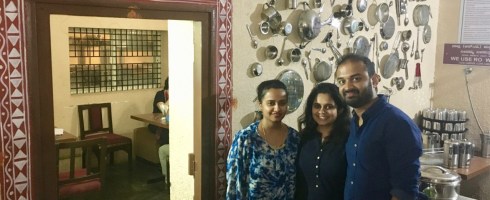
An experienced Iyer couple from Chennai (Who left his job after 30 years at HLL), a young entrepreneur just back after completing his degree in Hotel Management from Switzerland and his friend from the legendary Savera hospitality group, and a Ranji cricketer  – When these four people with diverse expertise get together something unique is born. And that was Prem’s Graama Bhojanam.

The restaurant at Jaynagar Bangalore leveraged on the expertise of Mr Krishnamurthy who started Prem’s Graama Bhojanam with his own cooking at a small place in the bye lanes of Adyar Chennai.

Their goal is to promote healthy food with healthy ingredients. All the  dishes here are made of millets and Red/Brown Rice.  It definitely is more environmental friendly as growing millets requires 70% lesser water than rice.

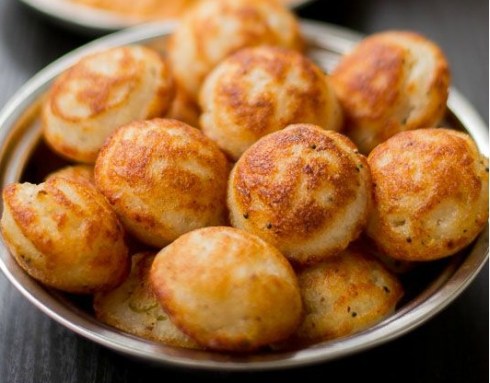
The first thing you must order here is their “Paddus” (“Kuzhi Paniyaram”) – They are delicious and healthy – made of  “Samai” Little millets. Crispy outside and soft inside – you can gobble 3 – 4 of them easily. So ensure that you order more than 1 plate if you are in a group. At just Rs 80/- a plate you need not worry about the bill.

Paddus

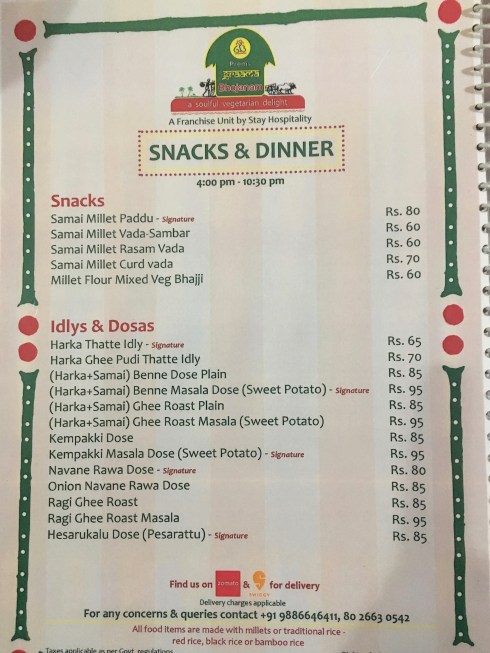
Thats the beauty of this place – all the varieties of Idlis, Dosa’s, Vada’s and Bajjis  are made of millets and they taste better. Of course they are healthier. They are also priced very reasonably.

The signature dish is their Lunch and Dinner Thali that includes 4 Main Dishes – Sambar rice, Curd Rice, Rasam Rice and Rice of the day – Lemon / Puliyogare etc  but all these “rice” items are made of millets. Then there is a Curry, Chutney, Sweet of the day,  (Made with Jaggery), Buttermilk and Roti – all of this unlimited for Rs 195/-. Even the RO water is laced with Camphor, Tulsi, Clove and Cardamom. Food is cooked in a healthy way – all their products are sourced directly from Organic farms and there is no use of Vanaspati, Sugar, Maida and artificial colours.

A lot of focus has gone on the menu and the accompaniments – and thats what is important. If you get the food and pricing right people will come – ambience is secondary. And they seem to be on track serving over 100 lunches every day and 200+ lunches on the weekend.

Menu

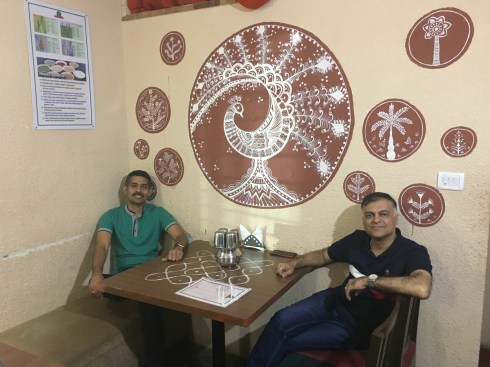
The ambience is basic, functional and clean with an eye on costs.  Prem’s Graama Bhojanam is expanding with a fine dining restaurant that opens in Chennai (Annanagar) on the 23rd of July and its a matter of time before they expand their footprint in Bangalore. They seem to be setting the trend with a handful of other restaurants in promoting Millet based food.

Prem's Graama Bhojanam

Do visit them – Sr Citizens especially will love this food. Prem’s Graama Bhojanam is a house in Jaynagar converted to a restaurant. Its run by Yuvajith and Smita, Avinash & Tina and their friend from the Savera group Tarun Reddy. (Yuvajith is passionate about Coffee and has opened a signature coffee brewing centre – The Brewing Bean at Eco Space Bangalore)

Graama Bhojanam

  • Address : 234, 32 A Cross 2nd Main Road, 7th Block, Jayanagar, Bangalore
  • Timings : 12 Noon – 10.30 PM

Graama Bhojanam

________________________________

Please follow my Facebook page for regular updates on A Few Good Things 

https://facebook.com/afewgoodthingsvak1969/

Navaratnas : 9 Must Visit Restaurants in Bangalore

15 Jul

Bangalore is home to thousands of restaurants. Its tough selecting the best and most unique amongst them. The criteria I have used is based on Longevity, Consistency and Uniqueness. These are the Nine Jewels – the 9 Must visit restaurants in Bangalore.

  • The first 5 are legendary  – they are part of Bangalore’s history. Many have been around for more than 50 years. They are located in Old Bangalore – Malleswaram, Basavangudi & Lalbagh. All of them serve authentic Karnataka taste S Indian food . Most of them are Tiffin joints serving traditional Karnataka tasting food. (Yes the taste of Sambar and Chutney changes across the 4 South Indian states). These places are always crowded, service is fast & effecient and they are very affordable. BMW’s and Mercs line up outside these shops and don’t be surprised if you bump into Rajnikanth, Puneet Rajkumar or the Padukone family.
  • The Next 3 are unique new ones run by passionate entrepreneurs. They serve healthy food – Vegan, Millet based food in a lovely ambience. They are also located in traditional Kannadiga localities of JP Nagar, Jaynagar and Sadashivnagar.
  • The lone North Indian Restaurant – In a city packed with Italian, Chinese and Continental restaurants its difficult to find a good authentic North India restaurant. It was a close call between two restaurants and I finally chose the newer one because of its brightness and positive energy.

The First 5 : Traditional and legendary, They are timeless. 

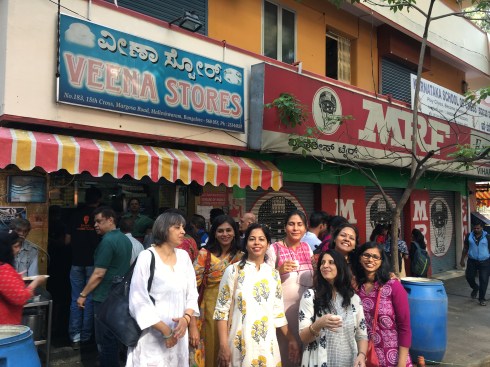
No 1 – Veena Stores at Malleswaram – Light as air Idlis and yummy “Savige”

A small standing joint spread across 150 sft it dates back to 1977 . It all started when  Suryanarayana Hegde moved to Bangalore from Sirsi as a 10-year-old after the death of his parents. After working as a cook for 10 year in a doctors house he started his own restaurant on Sampige Road. That closed due to labour problems. He then started Veena Stores with mainly condiments and a limited menu of coffee, tea, badam milk and Idlis.His son Pradeep a diploma in electrical engineering joined the business in 1987. Pradeep now runs the restaurant with his wife.

Veena Stores serves a limited menu – Fluffy soft Idlis, Vada, Khara Bath, Kesari, Pongal, Lemon Rice, Puliyogare, Coffee all of this served fresh and piping hot. The Savige (Vermicelli)  is the best. The Mint Chutney they serve is a hit. (The restaurant does not serve Sambar). Very reasonable priced all dishes are in the 20 – 30Rs range. Sumptuous breakfast for 2 will be less than Rs 150/-. Good to know Kannada while ordering and please go with a driver as parking is a challenge.

  • Address : 187, 15th Cross, Margosa Road, Malleshwaram, Bangalore
  • Timings : 6.30 AM – 12 Noon , 3.30 PM – 9 PM

Veena Stores at Malleswaram

No 2 – CTR (Shiv Sagar) at Malleswaram – Best Place for Dosa

This hotel was started by Y.V. Subramanyam and brothers  in the 1920s. They hailed from a village in Kolar, whose residents are Ashtagrama Iyers of Tamil origin. Subramanyam sold his hotel the mid-1950s. It still has a vintage wall clock and rosewood furniture with Italian marble table tops. It is said the brothers passed on tips about preparations to the new owners along with advice to take care of workers by not overburdening them. It was established as Shree Sagar in 1950 and after changing hands a few more times it was bought by the current owner in 1992 and renamed Central Tiffin Room (CTR)

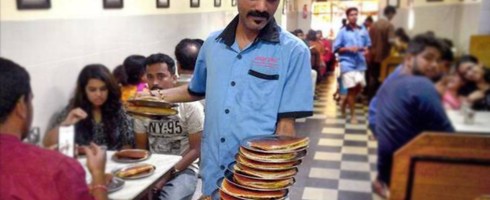
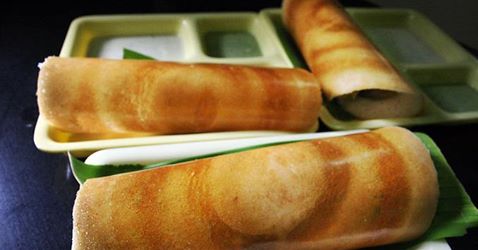
This is the best place in Bangalore for Dosas. And they come in many varieties Benne Masala Dosa, Butter Masala Dosa and Crispy Masala Dosa. They have seating inGround & 1st floor. It has the ambience of a Coffee House. Apart from the Dosas CTR is also known for its Idly Vada, Poori-Saagu, Kharabath and Kesaribath, Mangalore Bajji and Filter Coffee. It has won awards including the Times Food Guide “Best Benne Masala Dosa in Bangalore” and Burrp.com’s “Best Benne Masala in Bangalore. Very reasonable prices – A sumptuous breakfast for 2 will be about Rs 200/-

  • Address : 7th Cross, Margosa Road, Malleshwaram, Bangalore ( Opp to Malleswaram Grounds)
  • Timings : 7.30 AM – 12.30 , 4 PM – 9 PM

Best Dosa

No 3 – Brahmins Coffee Bar commonly known as Brahmins Cafe – Basavangudi  : Consistent quality and awesome Chutney

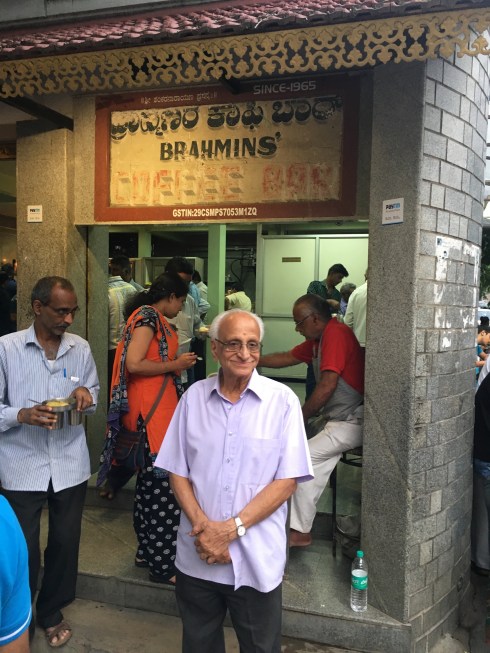
Brahmin’s was set up by Narasimha Rao, in the 1960s. Jan 27th 1965 to be precise. They initially started by serving traditional Filter Coffee and sourcing snacks from outside. Soon they started making limited variety of high quality S Indian tiffin. They have stuck to this winning formulae over the years. The speciality here is their Chutney. KN Saraswathi (the founder’s wife) who is in her 80s is still believed to supervise the preparation of the restaurant’s chutney every single day. It’s one of the many things that have remained constant at the restaurant. And there is a person serving serving unlimited chutney from buckets. The menu hasn’t changed in over four decades – Idli, Vade, Kara Bath and the sweet Kesri Bath. Each one of these items is truly delicious and incredibly consistent. (The restaurant does not serve Sambar)

  • Address : Ranga Rao Road, Near Shankar Math, Shankarpuram, Near Basavanagudi, Bangalore
  • Timings : 6 AM – 12 Noon , 3 PM – 7 PM

Brahmins Coffee Bar

No 4 – Vidyarthi Bhawan – Gandhi Bazar, Basavangudi  : Truly legendary  – a tradition since 1943

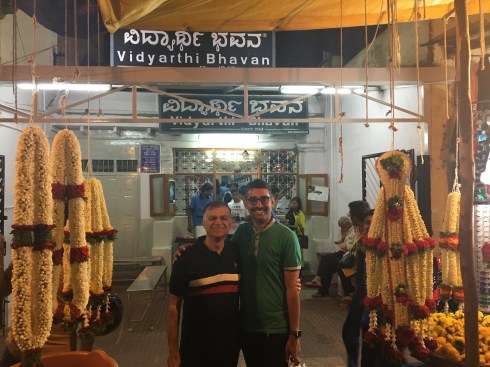
Located on the main road you enter the restaurant walking by a street full of fragrant flowers. “Vidyarthi Bhavan was primarily started for students, as the name suggests, but its popularity increased, and today we have celebrities from all fields who brainstorm over our dosas and coffee,” says Arun Kumar Adiga, who runs Vidyarthi Bhavan. On weekends there are over 3000 walk ins as people wait patiently for the seats to be freed up.

Vidyarthi Bhavan Basavangudi

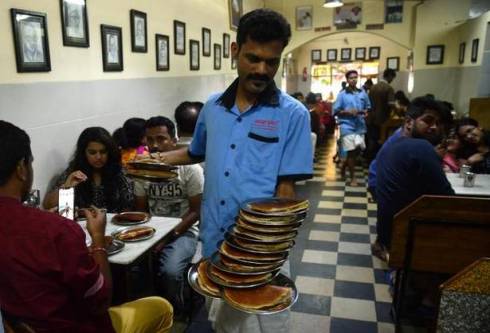
The wait is worth it – The dosas are rich and soaked in butter. To this day, six dishes on Vidyarthi Bhavan’s menu — benne (butter) masala dose (along with saagu-masale), puri-saagu, idli sambar, uppittu, chow-chow bath and rave vade have celebrity status! And its been consistent over the years.

Garland shops near Vidyarthi Bhavan

  • Address : 32, Gandhi Bazaar, Near Gandhi Bazaar Circle, Basavanagudi, Bangalore
  • Timings : 6.30 AM – 12 Noon , 2.30 PM – 8 PM

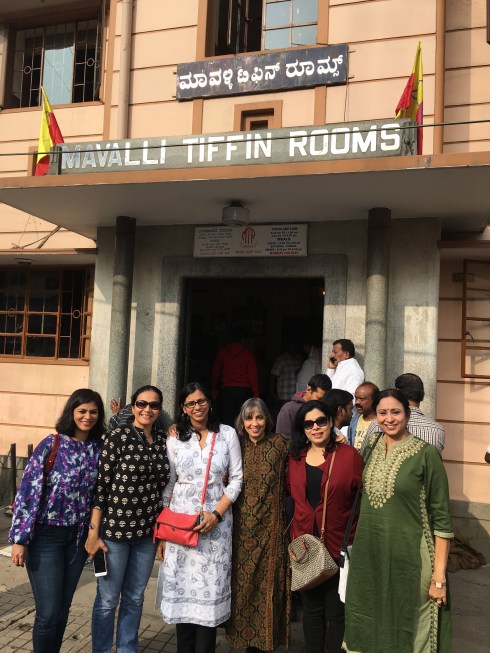
No 5 – Mavalli Tiffin Room (MTR) – Needs no introduction 

MTR needs no introduction. Lalbagh, Cubbon Park, Vidhan Soudha and MTR are the 4 pillars that define Bangalore. There are many MTR restaurants in town and abroad but I am referring to the iconic 1st branch near Lalbagh. The others are no match to the original one. Started in 1924 the restaurant is spread across 2 floors and has a lot of seating. There are even rooms that can be reserved for families.

The food served at the MTR is all veg, Karnataka Brahmin fare and owes its origin to the Udupi Cuisine of coastal Karnataka. The decor is old age. For many years, the customers entered the restaurant through the kitchen so that they would be able to satisfy themselves about the restaurant’s cleanliness before they ate there.

During  WW 2, MTR found it difficult to make Idlis, since rice was in short supply. They experimented with Semolina instead of rice and thus invented the very popular breakfast item of Rava Idli. The Tiffin here is wonderful and over the weekends its customary for Bangaloreans to go for a walk in Lalbagh and then Q up for breakfast at MTR. However if you are visiting for the 1st time visit them for Lunch. Its an elaborate multiple course meal with unlimited servings and you will struggle to complete it. Important to note that they are Closed on Mondays. Paid 3rd party Car parking is available diagonally opposite.

  • Address : # 14, Lalbagh Road , Bangalore
  • Ph: 080 – 22220022 (Reservations are taken for lunch & dinner only)
  • Timings : 6:30 am – 11:00 am & 12:30 pm – 9:00 pm

Mavalli Tiffin Room Bangalore

The Next 3 : Unique, Healthy Food run by passionate entrepreneurs. 

These are not as well known as the earlier 5. They are a new age of restaurants promoting healthy food. They have a lovely ambience, tasty food and are reasonably priced. After the rich fare with dosas soaked in butter in the above 5 restaurants  – the light and healthy food here will be a refreshing change.

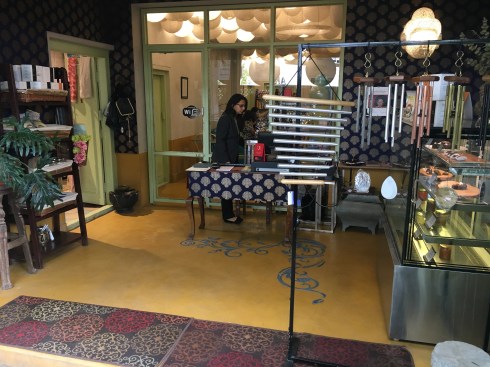
No 6 – JustBE, A Vegan Restaurant that offers a lot more

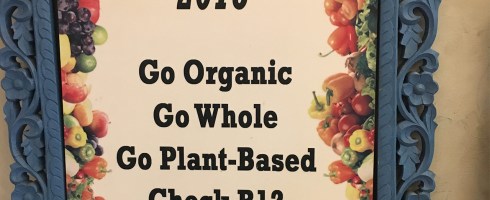
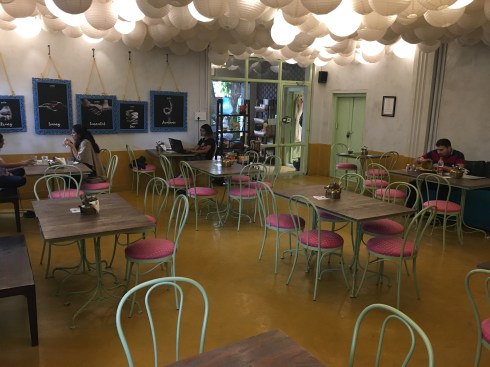
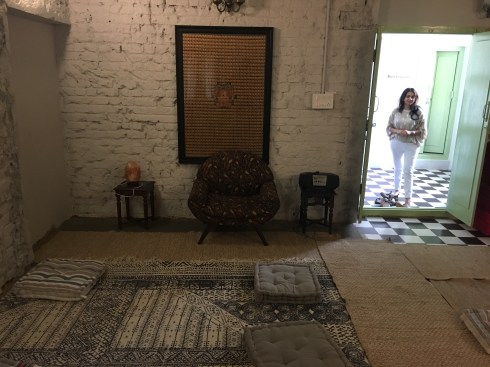
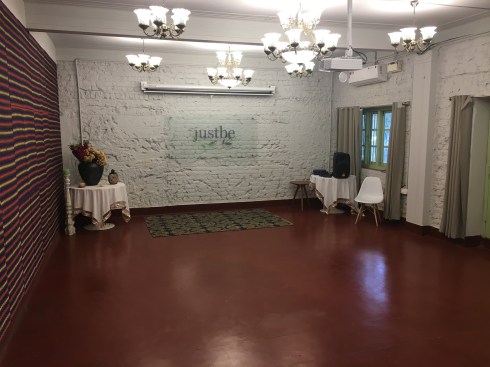
A classy Vegan Restaurant at Sadashivnagar it serves Vegan food without Oil, Dairy products, Refined Products like Maida, Sugar etc. Serves a variety of tasty and healthy  continental dishes from Nachos, Sandwiches, Sizzlers to Pizzas and Asian Bowls. The idea is to appeal to the younger generation. The ambience is calm and serene. the place also has a Meditation Room and the only Svara (Sound Healing) room outside of Auroville. Servings are large and a meal for two costs about Rs 1000.

JustBE, A Vegan Restaurant

Read more about JustBe : https://vak1969.wordpress.com/2018/07/12/justbe-cafe-eat-meditate-satiate-in-a-holistic-zone/ 

  • Address : 383/31, 13th Cross, Sadashiv Nagar, Bangalore
  • Timings : 11 AM – 11 PM

No 7 – Vaathsalya’s Millet Cafe, A Millet Only Restaurant 

Located at JP Nagar this place serves a wide variety of dishes – from Cutlets to Thali and everything cooked here is mad with Millets or Red Rice. Jyoti the owner is passionate about furthering the cause of Millets and after years of seeing the benefit in her family has started this restaurant to espouse the cause. the signature dish is their Thali. The store also sells handicraft , ladies handloom clothes, and organic products. A calm and quiet place on weekdays – it can get busy on weekends.

Vaathsalya's Millet Cafe

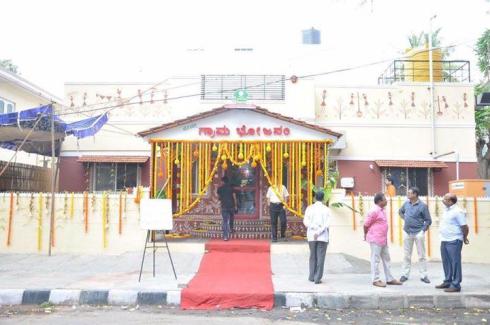
No 8 – Prem’s Graama Bhojanam, A Millet Only Restaurant 

This is another Millet only food restaurant that serves a wide variety of dishes that look and taste like regular S Indian dishes made with rice. All of this served in a rustic village ambience. The Dosas, Vadas, Paddu’s are all made of Millets. They also have Rotis of all the main millets served with curry. Thali options are available at lunch. The water that is served tastes like the “Teertham” you get in a temple – mixed with Camphor, Tulsi, Clove & Cardamom. The Matka Kulfi was also very tasty. At the end of the meal they give you a concoction “Kashayam” to improve your digestion. Its a very affordable place. Between four of us we ordered 2 plates of Paddu’s (Kuzhi Paniyaram), 2 Dosas , all the 4 Varieties of Millet Roti’s with Sabji and Kulfi and the bill was only Rs 884/-.

Prem's Graama Bhojanam Bangalore

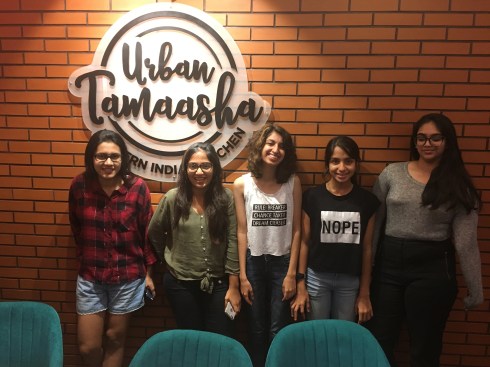
No 9 – Urban Tamasha – Bright and Positive 

After so many S Indian fares I had to include one North Indian restaurant. In the new Bangalore areas of Indiranagar , Koramangla and Sarjapur you will struggle to find a good North Indian restaurant. All you see is Pubs , Italian, Chinese, Continental , Sandwich cafes, Coffe Bars etc. I have always felt that Tandoor in MG Road was the best bet for North Indian food. Good variety, authentic N Indian, consistent quality and great service. But I recently found a place that had all this with 2 additional advantages – A bright ambience full of positive energy and a wider variety of dishes.

This place is Urban Tamasha a newly opened restaurant at Indranagar.  The North India food and starters were great – they also have Pasta, Noodles and Pizza options – which works out very well when you go with the younger generation. Non veg dishes available. Lunch has a buffet option. No Alcohol is served.

Urban Tamasha Bangalore

  • Address : 2011,1st Floor, HAL 2nd Stage,100 Feet Road, Indiranagar
  • Timing : 12Noon to 1 AM

………..and one more thing

At the end of every presentation the legendary Steve Jobs used to have a slide titled “One more thing” – having worked in Apple I will take that learning from him and add one more restaurant to this list.

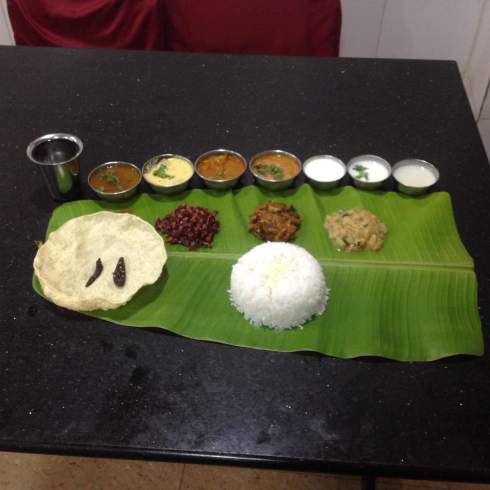
Sree Krishna Kafe Koramangla 

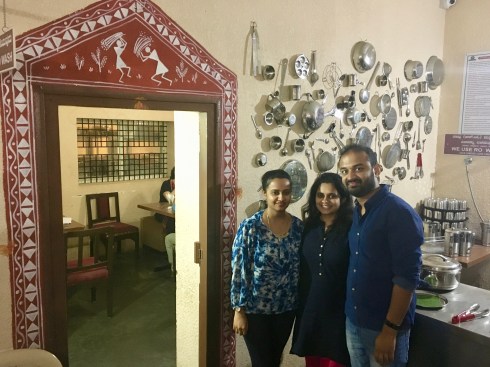
This is where I have been going Traditional restaurants of bangafor breakfast once a week for many years. And it would not be fair not to include it. Located in Koramangla next to Anand Sweets its the only restaurant that serves authentic Tamil Nadu style food. Idlis, Upma, Pongal, Dosas for breakfast and evening tiffin and plantain leaf lunch. The Sambar here is distinctively different from the other restaurants listed above. Its like a mess – always crowded with regulars.

Sree Krishna Kafe Koramangla

  • Address : 5th Main, Near Anand Sweets, Koramangala 5th Block, Bangalore
  • Timing : 7:30AM to 10:30AM, 12Noon to 3:15PM, 5:30PM to 10:30PM

PS : For the best thin Crust Pizzas visit Toscano or Little Italy – Both have multiple branches in the city 

________________________________

Please follow my Facebook page for regular updates on A Few Good Things 

https://facebook.com/afewgoodthingsvak1969/


JustBe Cafe – Eat, Meditate & Satiate in a holistic zone

12 Jul

If you are invited for a treat to a place where the food is cooked Oil free, Dairy free, Sugar free, Color free – chances are that 99 of 100 people would make a polite excuse and wriggle out. I guess I was the odd one out when by chance I discovered JustBe. Its not just a restaurant but a lot more – with many unique zones that includes the one and only Sound Healing Therapy room outside of Auroville. Do plan a visit to JustBe at Sadashivnagar, but before that read on about this place and the passion of Nidhi  who conceptualised and developed this place.

JustBe is a classy boutique restaurant – Its unique and it serves amazing fresh food. Tasty, nutritious and aesthetically very appealing.

The Spinach Quesadilla, Crunchy Nachos, Hotpress Batata Sandwich, Asian Curry, Garden Pizza, Pink Lemonade, a variety of smoothies and many more interesting dishes will keep your taste buds captivated. The servings are large – and thats the 1st philosophy at the restaurant – Eat sufficient quantities of one item and don’t mix and match too many dishes in your meal. 

JustBe is not just a unique restaurant it is a holistic Zone of peace and tranquility. A zone of positive energy where you can Eat, Meditate and be Satiated to the full. You can let go of the stress and JustBe in touch with your inner self.

Every Sunday 9 AM a group Vipassana session is conducted for old students. You can use the facility to come and meditate whenever you are in the mood for some Soulitude. 

They also have a library and a Yoga Hall where Yoga, Tai Chi, Qui Gong and many other classes are regularly held here.

What I feel in love with was Svaram – the Sound healing room. The only such facility outside of Auriville Pondicherry. Its a unique experience and its just getting started. Here is a brief Video about Svaram and the therapy room. 

JustBe also hosts a Sunday farmers market that sells a wide variety of fresh organic produce and a shop that sells handcrafted clothes, Jewellery and more.

It requires a passionate, creative person with an eye for detail to run a place like this – And that person is Nidhi. A housewife tending to her family and teenaged children her life transformed after attending a 21 day retreat at Swaswara (An Eco Retreat near Goa) organised by Sharan in 2016. (This organisation was started by Dr Nandita Shah in 2005 to prevent and reverse lifestyle diseases by identifying the cause of the disease and using food as a medicine – https://sharan-india.org/about-us/)

While attending the program Nidhi was ailing from high Cholesterol, Skin Allergy and Migraines. She had heard from friends how this 21 day program not only transformed you but also taught you the techniques to lead a healthy life.

JustBe was born thanks to the learnings from this 21 day program. Nidhi’s eyes light up as she talks about this program and how it has changed her life. The only medicine we were served during this program was FOOD – she says. Food is the core element of our being and the right food, cooked correctly can solve all your health problems. The body needs proteins , minerals, calcium etc – the body gets stressed when it has to hunt for this amongst fried, unhealthy food. Yes they are tasty and addictive – but not healthy.

During the 21 day session they were served a wide variety of global cuisines – but the one common theme across all of them was Vegan Food cooked with no oil, no diary products, no preservatives. Add to this no refined food was used – so No maida and sugar. Inspite of this the food was tasty and delicious. And they were taught how to cook with these principles. 

Over 21 days Nidhi was convinced that this was the solution for a healthy body and mind. Her Jain traditions further helped her to imbibe the concepts deep within her  and she practised it with heart and soul at home. The transformation at home was also magical – and health bloomed at home.

This then took her to the next step of wanting to share the benefits of this learning with a wider audience through JustBe. And she practises what she has learnt to the minutest detail. No food is cooked in Aluminium dishes, No microwave is used and no Bone China Crockery is used in her kitchen. She was lucky in finding the right cook – a trained Chef Prem Darshan who after years of serving in high end restaurants and hotels in India and abroad joined her and is now running the kitchen with the same zeal and enthusiasm. They jointly developed the menu keeping in the mind the younger generation and hence most of dishes were continental.

I tried having a debate with Nidhi on the positives of milk and honey trying to understand why they were eliminated. I have grown up knowing that a glass of hot milk in the morning and a spoon of pure honey is as good as nectar. Nidhi demolished this notion by explaining that nature has given us enough food. The human baby needs milk for a few years just like other mammals and then graduates to other food. Any food taken from animals is developing cruelty towards animals and the ethos associated with that food is negative.

I failed in the debate  – I was up against a woman who has many a certificate in NLP, TA , Counselling etc – and was no match for her strong conviction and rationale argument.

By now we had spent over an hour chatting and it was time for my evening cup of tea – but felt a little conscious asking for masala tea after this educative session. Sensing my predicament Nidhi got me a Smoothie – made of Spinach, Mint, Banana and Pineapple. It tasted divine. Thats the beauty at JustBe – I would never have drunk a smoothie of these ingredients at home.

And as I drove back I kept wondering – can I really make a shift to a diet that is devoid of Milk, Sugar and Oil. That would mean no Coffee, Tea, Chocolates, Sweets…. all of which I love. I am not sure. Maybe I should ask my wife to attend the 21 day program at Sharan.

This is a unique restaurant in Bangalore and probably India. Its a must visit so the next time you happen to be in Sadashivnagar do visit JustBe

JustBe

  • 383/31, 13th Cross, Sadashiv Nagar, Bangalore
  • Open from 11 AM – 10 PM
  • Meal for 2 Approximately Rs 1000/-
  • Valet parking available
  • https://www.zomato.com/justbecafe

______________________________________

Please follow my Facebook page for regular updates on A Few Good Things 

https://facebook.com/afewgoodthingsvak1969/


Explore in and around Bangalore – 25 Curated Day Trips

11 Jul

There is more to Bangalore than Lalbagh, Cubbon Park, Vidhan Soudha and MTR. We have visited over 50 interesting places across 25 day trips in and around Bangalore. Almost all these trips are 7.30 AM to 3.30 PM day trips. Ancient temples 1000’s of years old, beautiful serene ashrams, Treks – Easy and not so easy, traditional restaurants, unique resorts …. and a lot many more of Good Places.

So form your groups of a Few Good People and explore Bangalore like never before by following these 25 curated day trips.  Every trip is documented after personal travel – which is what makes it authentic. (Text in Dark Blue is clickable Link)

21 curated day trips

  • Trips 1,2,& 3  : Pyramid Valley, Bhoga Nandeeshwara Temple, Basavangudi temples 
    • Trip – 1 : Pyramid Valley – Kanakpura Road
    • Trip – 2 : Bhoga Nandeeshwara Temple , School of Ancient Wisdom (Near the Devanahalli Airport)
    • Trip – 3 : Basavangudi the heart of Bangalore.  Brahmins Cafe – Ramkrishna Ashram – Gave Gangadeshwar Cave Temple –  hanuman Temple on a Hill – Jain temple

Jain temple

Bangalore Trips

Temples of Malleswaram

  • Trip 9 : Kolar & Avani 
    • Kolar & Avani – Ancient Kolaramama Temple – Shiva Temple from Chola era, Ancient Ramalingeshwara temples at Avani

Kolaramama Temple

  • Trip 10 : Devrayani Durga
    • Fascinating Green hill temple of Devrayani Durga – Siddha Garden – Nammade Chilumme ( Place where Rama supposedly shot an arrow in the ground for water to put his Nama)

Green hill temple of Devrayani Durga - Siddha Garden

  • Trip 11 : Baevu Village 
    • Baevu Village – A lovely nature resort with thousands of Neem trees surrounded by Hills – Off Kanakpura Road

Baevu Villagewith neem trees

Trips to the edge of Mysore

  • Trip 13 : Antarganga trek 
    • Antargana Trek – A hillock near Kolar with fascinating dark caves that need you to be adventurous and flexible to explore

Antargana Trek - dark caves

  • Trip 14 : Bangalore Palaces & Forts 
    • MTR – Bull temple – Bugle Rock park – Tipu Summer palace – Bangalore Fort – KR Market – Bangalore Palace – Esplanade

Bangalore Palace and Forts

  • Trip 16 : Mandargiri 
    • Mandargiri – On Tumkur Road near Hoskote visit an ancient Jain temple complex on the top of a monolithic hill

Mandargiri ancient Jain temple

Sushil Dham Jain Temple

  • Trip 18 : Trek to Madhugiri 
    • Near Tumkur – Head on the Tumkur Road till Dobaspet and then drive past Devrayani Durga to reach Madhugiri.
    • A steep Monolithic hill supposedly Asias 2nd tallest at 3930 feet. A tough and challenging trek – not for the weak hearted

Trek to Madhugiri

  • Trip 19 : Rangasthala – An Ancient Vishnu temple at Chickballapur  
    • Visit an ancient Vishnu temple Rangasthala – over 1000 years old
    • Devanahalli fort of Haider Ali and the birth place of Tipu
    • Venugopalaswami temple
    • Lunch @ South Ruchi’s Square
  • Trip 20 : Channapatna 
    • Malur Krishna – An ancient Chola temple built by Rajendra Simha Chola on the banks of the river Kanva
    • Aprameya Temple – A unique ancient temple of crawling baby Krishna. The great Vaishnavite sage Ramanujacharya is said to have worshipped the lord at this temple.
    • Kokrebellur – a Town full of painted storks and many more migratory birds (25 Km from Channapatna)
  • Trip 21 – 25: Family Treks around Bangalore. 
    • Savandurga
    • Channarayadurgs
    • Ramadevara Betta (Vulture Sanctuary)
    • Muthurayanabetta
    • Haddina Kallu (Eagle Stone Hill)

______________________________________

Please follow my Facebook page for regular updates on A Few Good Things 

https://facebook.com/afewgoodthingsvak1969/

Visit blogadda.com to discover Indian blogs

Trek to Madhugiri

10 Jul

A challenging and interesting trek – Madhugiri is a magnificent monolithic hill near Tumkur. Its not a long trek – but a steep one on rocky inclines with limited to no grips.

Located near Tumkur –  it is about 15 km ahead of Devrayani Durge. Look out for a signage for Devarayanadurga/Madhugiri and turn right  under Dobaspet overbridge and drive 100M on a one way or go a little further and take a U turn. The drive is scenic with lots of greenery, hillocks and lakes.  Enjoy the refreshingly fresh rural ambience. We left Koramangla at 7.30 and after breakfast at Shree Rathnam (You have many options on this route) we reached the parking lot at the foothills of this monolithic hill by 9.30 AM. And the first impression was  – Challenging and daunting.

Route – Google Map of the circuit

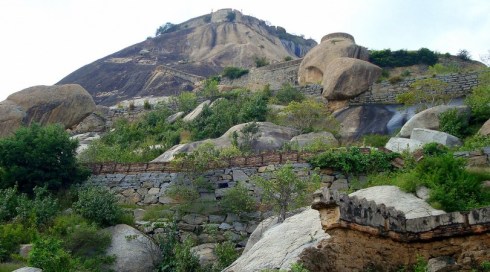
Madhugiri at  3930 feet is supposedly the 2nd tallest monolithic hill in Asia. The hill is home to a dilapidated fort supposedly built by Hyder Ali. A series of doorways leads to the hill. The ruined temple of Gopalakrishna is located at the top. It took us slightly over an hour to reach the summit. The steep slopes of the hill and exploration of the fort is slow due to steepness pf the hill. Descent is quicker.

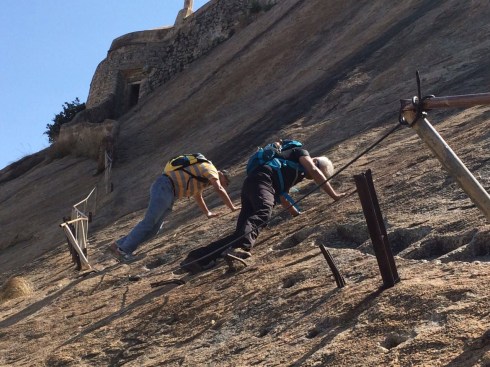
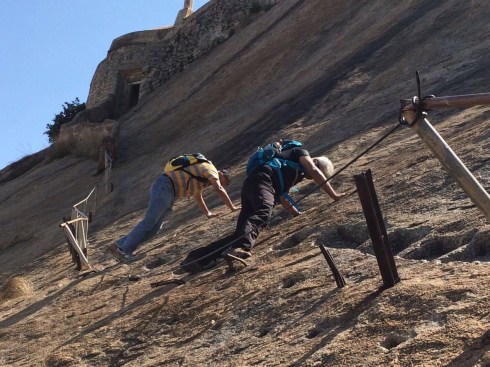
There is one specific stretch that is very tricky and requires guts. You are on all fours as you inch forward with the wind blowing like a gale. Its almost a ten minute section but with every step you can feel your heart pounding. Even the bravest in our group had second thoughts about this section – but we all finally managed to cover it.

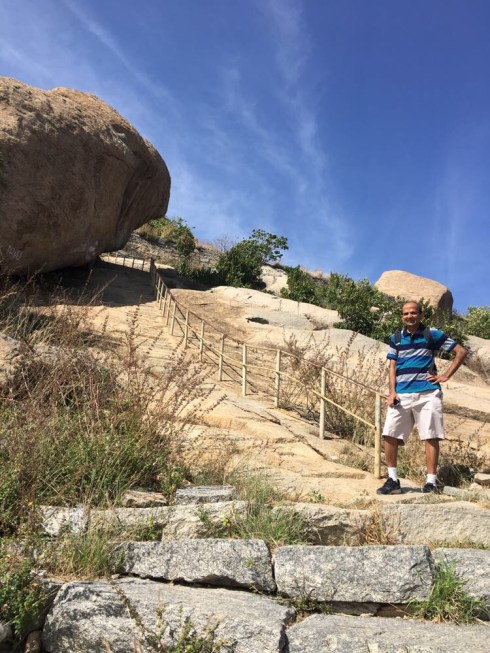
The Hill is steep and all rock – limited foothold. Yes the initial sections have regular stairs and and rock-cut steps. But after the halfway mark its just steep rocky ascent.  Be careful while climbing. Don’t be adventurous. This is a dangerous trek. Thats probably the reason why we hardly saw any crowds. Please dont risk with children.

There are no shops and stalls on the way so do carry water and some snacks to munch once you reach the top. Fortunately there were no monkeys either. Do get a shoe with a good grip. And have a hat – its pleasant but sunny.

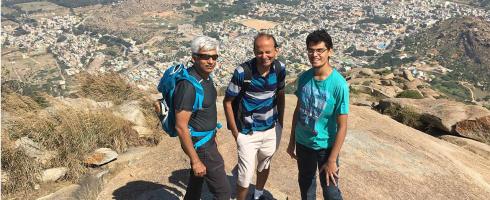
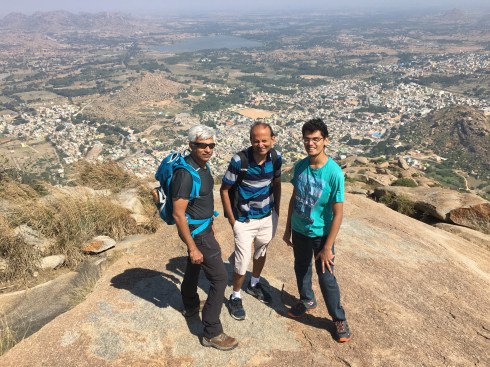
The view from the summit is beautiful.

We spent 30 min at the summit and were back to the car park by 12 Noon. there are no good restaurants in the vicinity so we headed back to Bangalore taking a round route via Sira so that we could visit the Narasimhaswami  Temple at Seebi. This is a beautiful ancient temple but unfortunately it was closed. The Temple tank outside the temple is well maintained and clean.

Madhugiri

On the way back we stopped for lunch at Kamath and reached home by 3.30 PM.

__________________

Please follow my Facebook page for regular updates on A Few Good Things 

https://facebook.com/afewgoodthingsvak1969/

For other fascinating day trips in and around Bangalore visit below

https://atomic-temporary-14030268.wpcomstaging.com/2018/07/11/explore-bangalore-21-curated-day-trips/


Discovering the passion behind Vaathsalya’s Millet Cafe

6 Jul

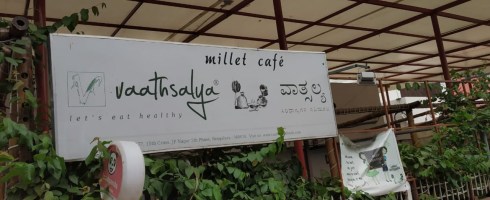
After our Banahsankari/Jaynagar temple visits we stopped by at Vaathsalya’s Millet Cafe at J.P.Nagar for lunch. It is probably Bangalore’s only Millet cafe, that serves a wide range of dishes, and almost everything is made from Millets.

We relished the freshly made healthy Thali that consisted of 2 Millet rotis, 1 Sprouted Sabji,  veg Sabji , Chutney , Raita, 3 Varieties of rice (Millet Curd Rice, Millet Coloured Rice and Red Rice), Millet Payasam, Millet Butter Milk and papad. Thats a lot of nutrition and taste for only Rs 230/-. The food is healthy and tasty – less oil, less spice. They don’t use preservatives, baking soda or food colours. Even white rice is not used. The motto is Healthy grains in a Healthy way.

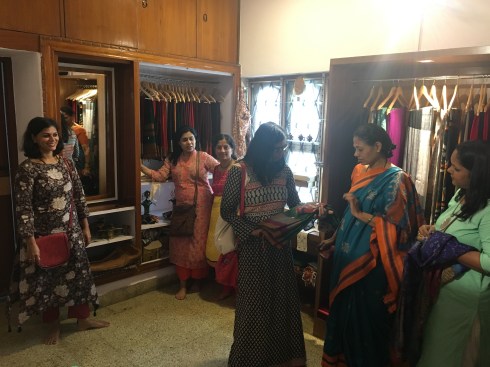
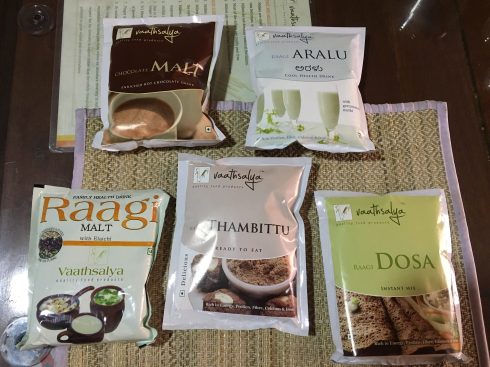
The cafe is a nice calm homely place, very traditional, very unique. They also have a store called Jawari that sells a wide variety of millets , ready to use millet products like Ragi malt , Ragi Dosa Mix etc. Jawari also sells Handloom clothes for women sourced from village artisans. Sarees, Kurtis, Salwars, Stoles , handicraft Items and a wide variety of Pots. The women in the group loved the collection and felt that the rates were very reasonable. 

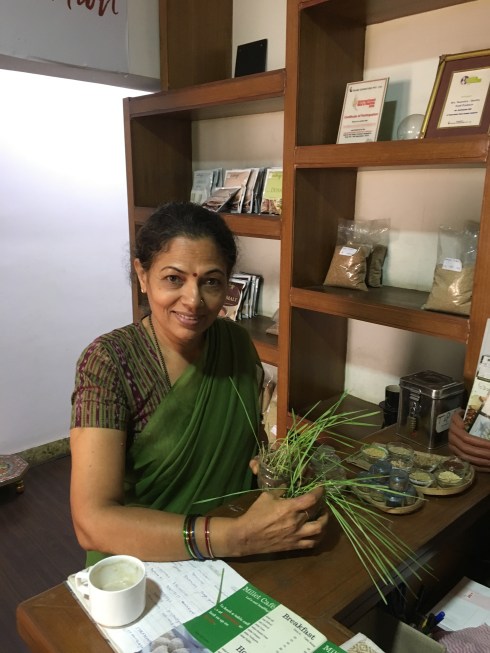
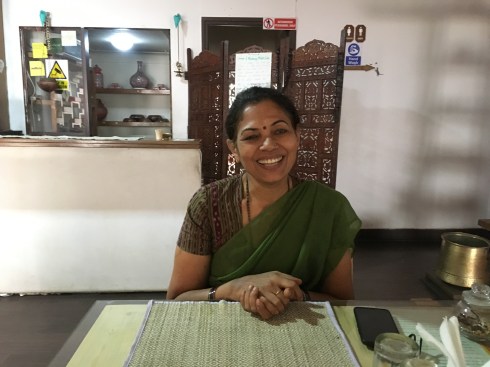
Vaathsalya is indeed a unique must visit restaurant for vegetarians – but what is more fascinating is the story behind Vaathsalya. The determination and passion of Jyoti the lady whose only goal in life is to promote and share the goodness of millets. I had a long discussion with her and this lady is in love with millets. Her eyes sparkle and she went non stop for 90 minutes talking about her passion.

Born in a rural Lingayat family near Hampi she was the 9th child amongst a large family of 11 children. As a child she loved art & mathematics ( a rare combination) – and had a deep sense of compassion for the Lambani women who used to perform annually at their hometown. She visited the houses of these tribals in her Luna moped and was smitten by the skill and dexterity that these otherwise tough looking people had. This was also when she realised that women work harder put are paid lesser.
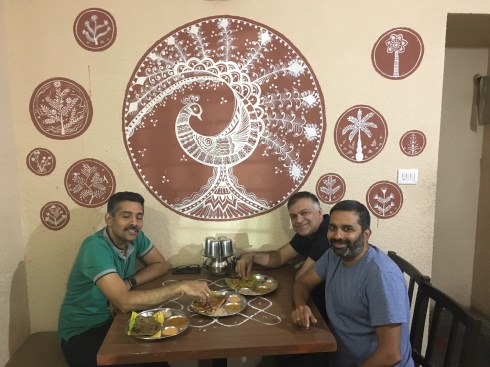
Her journey with Millets started when her 2nd son a sports enthusiast broke his hand and the doctors advised a high nutrition diet to strengthen his bones. Her son refused to eat Ragi Mudde as it was brown and not tasty. This took her to CFTRI (Central Food Technology Institute – Mysore). She just walked in one day and was lucky to get an audience with Dr Malleshi – one of India’s leading researchers on millets. He taught her how to make ragi Malt.

She was thrilled – Ragi malt tasted like any chocolate drink – and her son loved it. This is where the journey started. At CFTRI she learnt the basics of cooking tasty healthy food for her family. A devoted mother of 3 sons she was thrilled that she had finally learnt the art of cooking healthy, nutritious, tasty meals for her family. The motherly love or ” Vaathsalya” was flowing with joy.

Back in Bangalore she then did a 1 week course at the Gandhi Krishi Vignana Kendra Bangalore (GKVK – Part of Bangalore University). The program was on different ways of cooking with Ragi. This is where she learnt the nutritional values of Ragi and how it was grown organically with no pesticides and very little water. It was an eye opener to her when she realised that 70 years back Millets was the staple diet in India but had slowly got replaced with Rice & Wheat.

She was very excited and happy – since then spreading the good word about millets and Ragi became her mission in life. She spent 2 + years at  GKVK learning, teaching, contributing, participating in Krishi Melas trying to spread the message. But it was tough going – inspite of the inherent advantage of Millets it was not an easy sell. She took her menus and ” how to cook” guides to big hotels pleading with them to include the Millet dishes in their menu – but they all refused

That is when the idea of a restaurant was conceived and Vaathsalya was born. Taking a 25 Lac loan it was a struggle for a housewife to start a business. But the drive and passion of Jyoti had no stopping. Initially it was difficult to even get a cook – and Jyoti managed the kitchen by herself for two years. She now trains women to cook and manages a team of 12 staff who cook and serve the fresh tasty food at her restaurant. The first 2 months she served her food free. Slowly over years the concept has picked up and is now attracting attention.

Large Corporates and Spiritual Guru’s have approached her to sell her products to them so that they can promote it under their own brand. But she is skeptical and is passionate about the Vaathsalya brand. She has even developed 5 ready to use products.

She manages a good show – Sat / Sun her restaurant of about 60 seats is sold out. A lot of business also comes as takeaway. The best seller Thali is available for Lunch and Dinner and her cafe is open from 10 AM to 8 PM.

Do check out this lovely place and as a respect to the admirable spirit of Jyoti spread the word about the goodness of Millets.

_________________________________________________________

Address  : 277, 15th Cross, 21 Main, Outer Ring Road, JP Nagar 5th Phase, JP Nagar, Bangalore

Phone Numbers

+91 9449064494
+91 8125995641

_________________________________________________________

Please do sign up on my Facebook page for regular updates on A Few Good Things like this

https://facebook.com/afewgoodthingsvak1969/