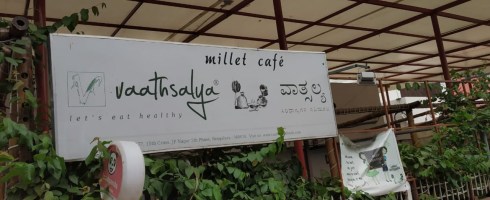
Discovering the passion behind Vaathsalya’s Millet Cafe

6 Jul

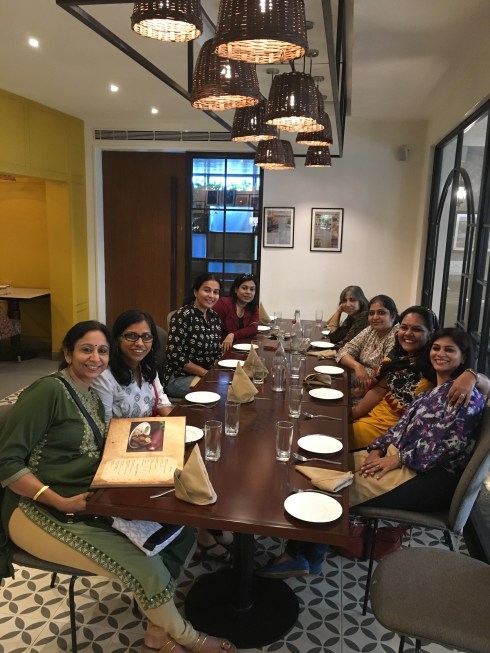
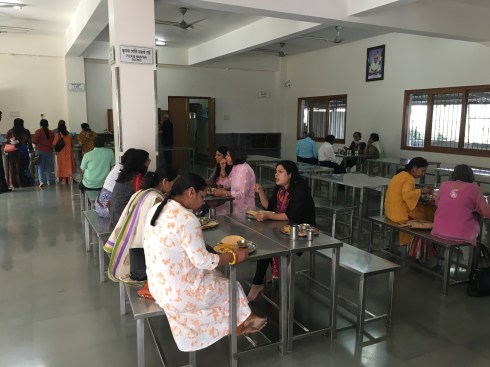
After our Banahsankari/Jaynagar temple visits we stopped by at Vaathsalya’s Millet Cafe at J.P.Nagar for lunch. It is probably Bangalore’s only Millet cafe, that serves a wide range of dishes, and almost everything is made from Millets.

We relished the freshly made healthy Thali that consisted of 2 Millet rotis, 1 Sprouted Sabji,  veg Sabji , Chutney , Raita, 3 Varieties of rice (Millet Curd Rice, Millet Coloured Rice and Red Rice), Millet Payasam, Millet Butter Milk and papad. Thats a lot of nutrition and taste for only Rs 230/-. The food is healthy and tasty – less oil, less spice. They don’t use preservatives, baking soda or food colours. Even white rice is not used. The motto is Healthy grains in a Healthy way.

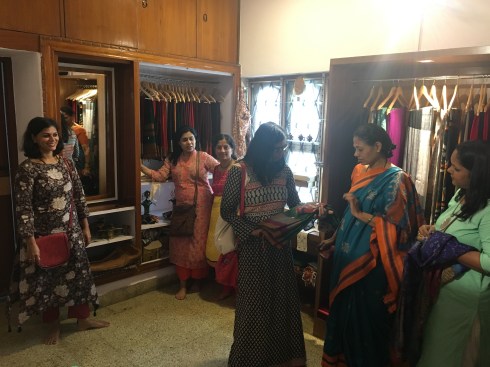
The cafe is a nice calm homely place, very traditional, very unique. They also have a store called Jawari that sells a wide variety of millets , ready to use millet products like Ragi malt , Ragi Dosa Mix etc. Jawari also sells Handloom clothes for women sourced from village artisans. Sarees, Kurtis, Salwars, Stoles , handicraft Items and a wide variety of Pots. The women in the group loved the collection and felt that the rates were very reasonable. 
Vaathsalya is indeed a unique must visit restaurant for vegetarians – but what is more fascinating is the story behind Vaathsalya. The determination and passion of Jyoti the lady whose only goal in life is to promote and share the goodness of millets. I had a long discussion with her and this lady is in love with millets. Her eyes sparkle and she went non stop for 90 minutes talking about her passion.
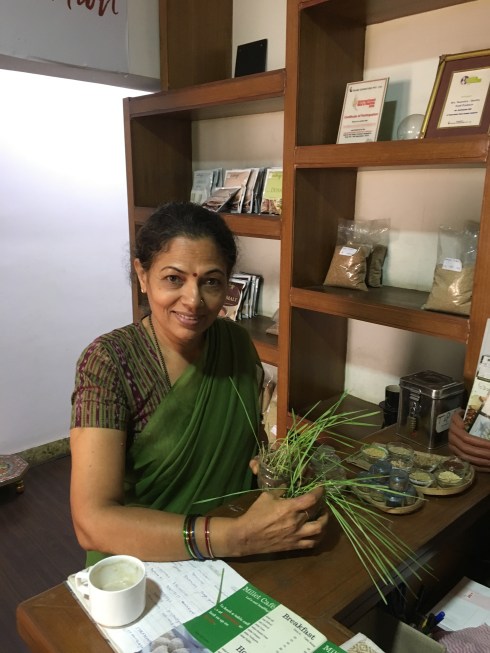
Born in a rural Lingayat family near Hampi she was the 9th child amongst a large family of 11 children. As a child she loved art & mathematics ( a rare combination) – and had a deep sense of compassion for the Lambani women who used to perform annually at their hometown. She visited the houses of these tribals in her Luna moped and was smitten by the skill and dexterity that these otherwise tough looking people had. This was also when she realised that women work harder put are paid lesser.

Her journey with Millets started when her 2nd son a sports enthusiast broke his hand and the doctors advised a high nutrition diet to strengthen his bones. Her son refused to eat Ragi Mudde as it was brown and not tasty. This took her to CFTRI (Central Food Technology Institute – Mysore). She just walked in one day and was lucky to get an audience with Dr Malleshi – one of India’s leading researchers on millets. He taught her how to make ragi Malt.
She was thrilled – Ragi malt tasted like any chocolate drink – and her son loved it. This is where the journey started. At CFTRI she learnt the basics of cooking tasty healthy food for her family. A devoted mother of 3 sons she was thrilled that she had finally learnt the art of cooking healthy, nutritious, tasty meals for her family. The motherly love or ” Vaathsalya” was flowing with joy.

Back in Bangalore she then did a 1 week course at the Gandhi Krishi Vignana Kendra Bangalore (GKVK – Part of Bangalore University). The program was on different ways of cooking with Ragi. This is where she learnt the nutritional values of Ragi and how it was grown organically with no pesticides and very little water. It was an eye opener to her when she realised that 70 years back Millets was the staple diet in India but had slowly got replaced with Rice & Wheat.
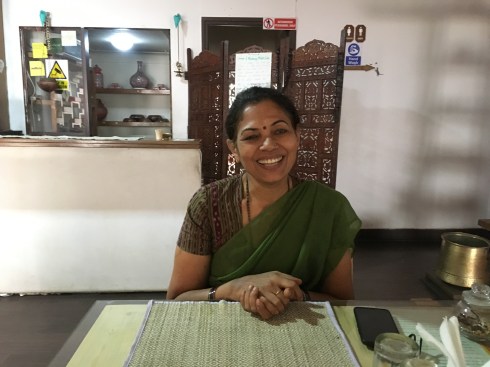
She was very excited and happy – since then spreading the good word about millets and Ragi became her mission in life. She spent 2 + years at  GKVK learning, teaching, contributing, participating in Krishi Melas trying to spread the message. But it was tough going – inspite of the inherent advantage of Millets it was not an easy sell. She took her menus and ” how to cook” guides to big hotels pleading with them to include the Millet dishes in their menu – but they all refused

That is when the idea of a restaurant was conceived and Vaathsalya was born. Taking a 25 Lac loan it was a struggle for a housewife to start a business. But the drive and passion of Jyoti had no stopping. Initially it was difficult to even get a cook – and Jyoti managed the kitchen by herself for two years. She now trains women to cook and manages a team of 12 staff who cook and serve the fresh tasty food at her restaurant. The first 2 months she served her food free. Slowly over years the concept has picked up and is now attracting attention.

Large Corporates and Spiritual Guru’s have approached her to sell her products to them so that they can promote it under their own brand. But she is skeptical and is passionate about the Vaathsalya brand. She has even developed 5 ready to use products.
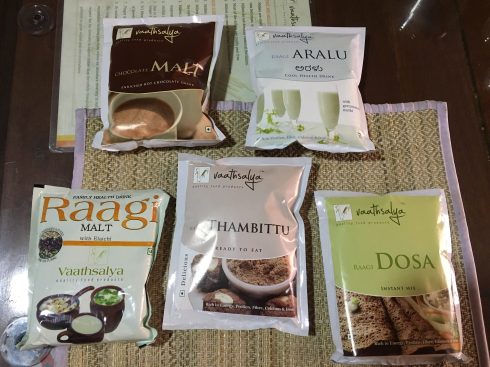
She manages a good show – Sat / Sun her restaurant of about 60 seats is sold out. A lot of business also comes as takeaway. The best seller Thali is available for Lunch and Dinner and her cafe is open from 10 AM to 8 PM.

Do check out this lovely place and as a respect to the admirable spirit of Jyoti spread the word about the goodness of Millets.

_________________________________________________________

Address  : 277, 15th Cross, 21 Main, Outer Ring Road, JP Nagar 5th Phase, JP Nagar, Bangalore

Phone Numbers

+91 9449064494
+91 8125995641

_________________________________________________________

Please do sign up on my Facebook page for regular updates on A Few Good Things like this

https://facebook.com/afewgoodthingsvak1969/


Bangalore’s Birla Temple – 1/2 Day trip on Hosur Road

30 Jun

Birla Temples are a must see tourist attraction in many cities of India. Bangalore doesn’t have a Birla temple – but we discovered a Jain temple on Hosur Road that was a lot nicer than many of the Birla temples we have visited.

Most of our trips had been in and around Devanahalli, Tumkur, Kolar  and of course Bangalore city. For the first time we decided to explore Hosur Road. I have frequented that road multiple times on road trips to Chennai, Salem, Coimbatore – but never stopped by to look at any of the sites. Hosur Road and Krishnagiri has a lot to discover.

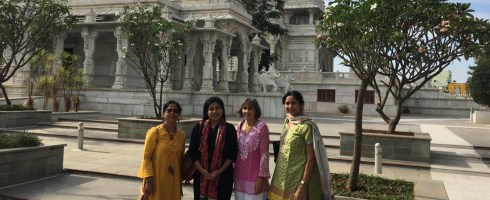
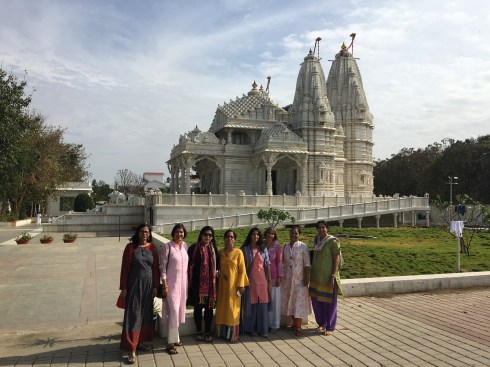
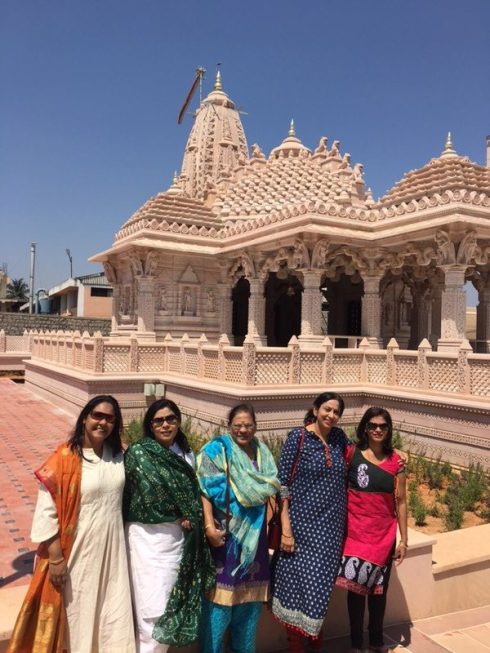
Our 1st stop was an absolute stunner – a lovely Jain temple located 5 Km from Electronic City on Hosur Road, dedicated to the 23rd Jain Tirthankara – Parsavnath. The temple complex is so beautiful it felt better than a Birla temple. Intricate carvings in sparkling white marble – well manicured lawns, lots of greenery. The complex also has a nice museum. A very serene and calm ambience. Indeed an oasis in Bangalore.

Bangalore’s Birla Temple

The temple complex called Sushil Dham was built by the Surana Family who own Micro labs. The complex also has rooms for Monks & Yatris and a Bhojanalaya that serves authentic delicious Jain food for breakfast, lunch and dinner at very reasonable price (If I recollect breakfast was Rs 35 and lunch was Rs 75). the complex also has a small but nice museum.

Temple lunch Service

A shot walk ahead from this temple on the same Road the Surana family has built another smaller temple dedicated to the Goddess. Don’t miss this – built in red sandstone – this one also has intricate carvings.

Temple In Bangalore

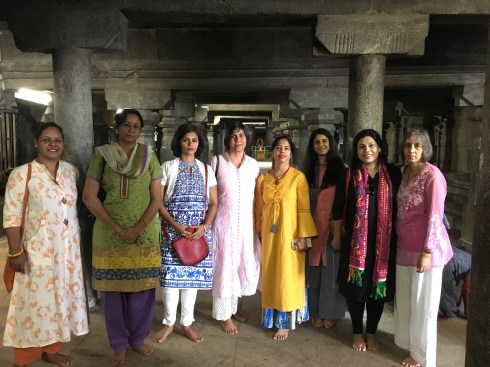
Our second stop was in Hosur town – the ancient hilltop Shiva Temple called the Chandra Choodeshwar temple. The current structure of the temple dates back to 1260 AD and the temple was maintained by the Cholas, Hoysala and the Vijayanagara kingdoms. The sanctum sanctorum is believed to be very ancient as this temple legend is talked about in the Brahmananda Purana. This is a large temple on the top of a hill ( car can drive up) – and has the feel and energy of the ancient temples of Tamil Nadu (Incidentally we were in TN as we were in Hosur). Large granite structure, low ceiling, bells chiming , inner Parikrama , outer Parikrama , a small alley leading to the Sanctum Sanctorum etc.

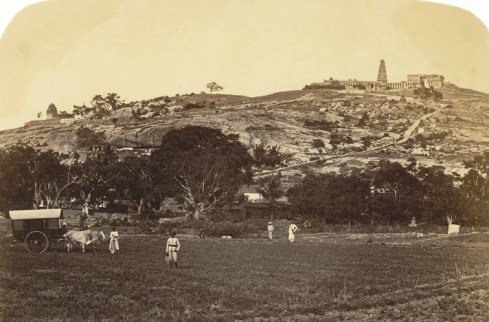
Old look of the Jain Temple

Photo of the temple from 1860 

It was a coincidence that we visited the temple on “Pradosham” considered a very auspicious day for Lord Shiva. Fortunately it being morning the temple was not crowded. The Goddess in this temple is Margathambal.  Temples in Bangalore

We completed our visit by 11 AM and on the way back stopped by at A2B for a cup of Filter Coffee. The complex also houses a large retail outlet of the famous silk saree shop Chennai Silks.

We were back home by 12.30 in time for lunch.

This was our first foray to Hosur Road – but there is a lot to discover on that route right upto Krishnagiri and we will be back here soon to explore more.

__________________

Please follow my Facebook page for regular updates on A Few Good Things 

https://facebook.com/afewgoodthingsvak1969/
For other fascinating day trips in and around Bangalore visit below

https://atomic-temporary-14030268.wpcomstaging.com/2018/07/11/explore-bangalore-21-curated-day-trips/


Palaces, Forts, KR Market and more – A unique Bangalore day Trip

29 Jun

Most people wonder what to do in Bangalore over a long weekend and the  roads to Coorg, Chickamagalur and Ooty are jammed. But Bangalore has a lot to see – we have done over 15 day trips and we keep discovering new interesting places.

This time we did a Fusion trip and accomplished a fun day between 7.30 AM – 3.30 PM covering a lot of ground

  • Breakfast at the iconic MTR
  • A visit to the Bull temple at Basavangudi
  • A walk in the Bugle Rock park watching colonies of Bats
  • A quick dash to the small but well maintained Tipu Summer Palace and the Bangalore Fort
  • The famous KR Market
  • The beautiful and vast Bangalore Palace
  • Lunch at Esplanade – a lovely Bengali restaurant at Indiranagar

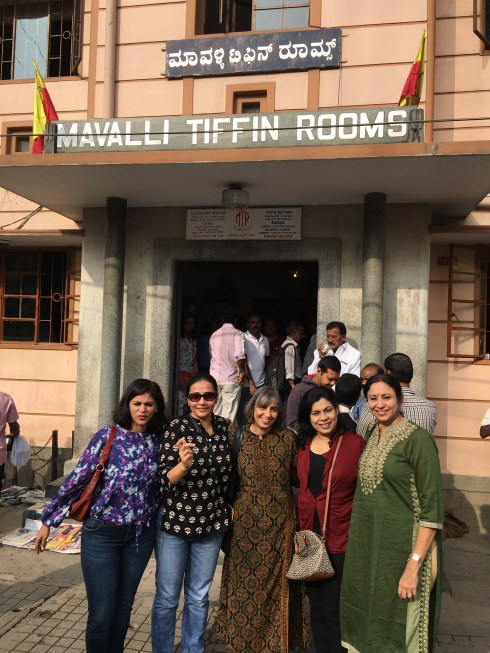
Breakfast at MTR is always a treat and on weekdays it is not crowded. Yes the food is rich and since we were a group of 10 we got our own private dining space with excellent service. Hours of operation: 6:30 am – 11:00 am & 12:30 pm – 9:00 pm. Closed on Mondays

Mavalli Tiffin Rooms

MTR to the Bull temple at Basvangudi is a short ride. The main temple is a few steps climb – but they have a large Ganesha temple and an assortment of other temples in the complex. Right next to the temple is the Bugle Rock park ( You can reach there from the temple main sanctum area) a lovely green space with nice clean pathways. There is a small tower like lookout place atop a rocky section and from there when you look up you see thousands of bats hanging from the trees.

Bull temple at Basvangudi

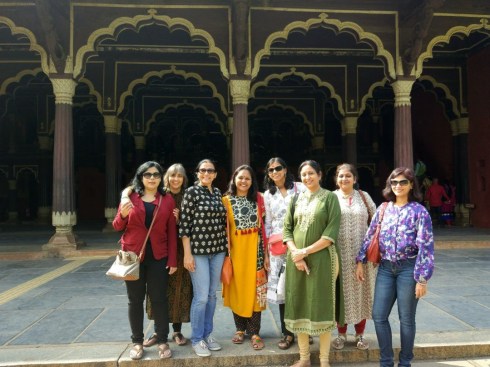
We left from here by 10 AM and in a few minutes reached Tipu’s Summer Palace. Its a small but well maintained structure with a lovely green garden. Located adjacent to the Kote Venkatramana temple – it was at one time part of the Bangalore fort complex. The building dates back to 1791 and is made of Teak adorned with pillars, arches and balconies. One may feel that it is frugal to be called a palace – it hardly has any rooms, but for a king like Tipu who was always fighting wars it may have indeed been a palace.

Tipu's Summer Palace

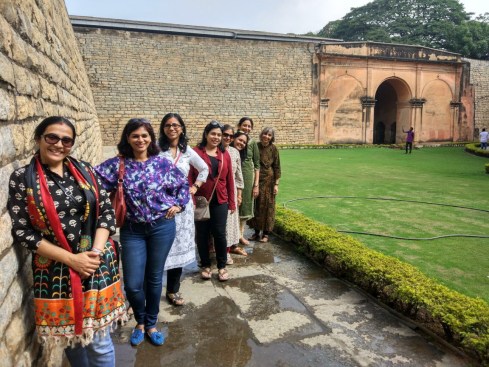
A few minutes drive from here is the Bangalore Fort. Not much of it is left – but at one time the whole area including the Palace was part of the Fort complex. The Bangalore Fort was constructed in 1537 as a mud fort by Kempe Gowda (The founder of Bangalore) and later fortified as a  robust strong stone structure by Haider Ali in 1761. The fort was breached by the British in the 3rd Mysore war in 1790 – 92.

Kempe Gowda Fort

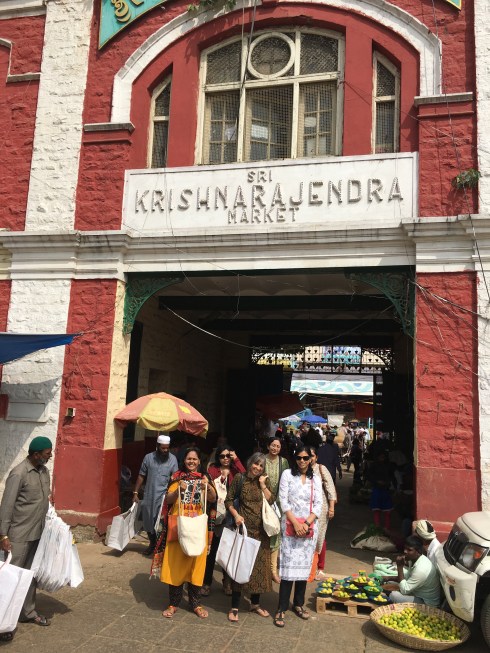
The Fort is located next to the Victoria hospital and a short drive from here brought us to our next stop – the famous KR Market. Having lived in Bangalore since 1996 – I had never visited the place. It was a pleasant surprise to see that it was well maintained and very clean – considering that it is the largest wholesale market for vegetables in Bangalore. The area outside the market you have villagers selling greens and some vegetables  – mountains of fresh “dhaniya” some of it crushed under the legs and wheels of trolleys gave a very appetising smell. And being sold for a fraction of the price that the supermarkets charge.

Krishna Rajandra Market

Once you enter the main complex, the big large iconic building there is a semblance of order in the courtyard and finally in the innermost section you see aisle after aisle stacked with vegetables, fruits and flowers. Fresh and very very cheap. They also have some shops selling traditional pots and pans, paper bags etc. You must do this trip with friends and family – it is indeed very enjoyable. Parking is a problem – but we had a driver. There is a Metro station close by – so thats an easy option.

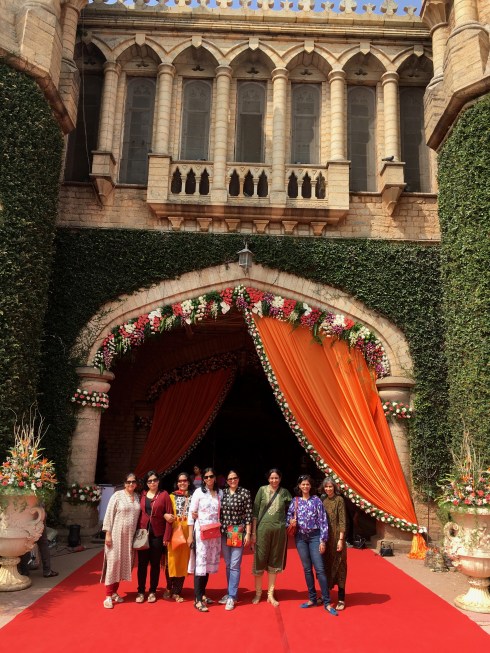
Loaded with veggies we reached our cars and headed for the last destination – Bangalore Palace. This one was built by the Wodeyars in the later part of the 1800’s. Its built in Tudor style architecture with fortified towers and Turrets . Its a large building  of over 45,000  sft spread across 454 acres. Just to get an idea of Inflation – this imposing structure was bought by the British from the Wodeyars for Rs 40,000 in 1873.

Bangalore Places

We received a red carpet treatment as the palace was getting ready to host a wedding (yes you can rent it). The entry fees are expensive – it is owned and privately maintained by the Wodeyar family, and they take only cash. The palace is now a museum.

Having covered a lot – we were famished and were running late to meet our deadline of being home by 3.30. We landed at Esplanade – an authentic Bengali restaurant at Indranagar (Double Road – CMH Road junction). the food here is outstanding and the service is fast. Between the Mochar Chops and Baingan Bhajas, Dum Aloo, Luchi, Dal, Mishti and a lot more – we just ordered too much food. But we thoroughly enjoyed it.

We left at 3 PM and were back home by 3.20 – just in time to welcome the children coming back from school at 3.30

This is a fun Fusion trip – so easy to execute, try it with your friends and family

________________________

Please follow my Facebook page for regular updates on A Few Good Things 

https://facebook.com/afewgoodthingsvak1969/


Day trip to Baevu – The Village (Nature Retreat near Bangalore)

28 Jun

A few years back I had discovered Shreyas – a lovely nature / Yoga retreat at Neelmangala and called it Bangalore’s best kept secret. I now discovered another gem ” Baevu Village” on Kanakpura Road – 2 hrs drive from Bangalore.

Day trip to Baevu

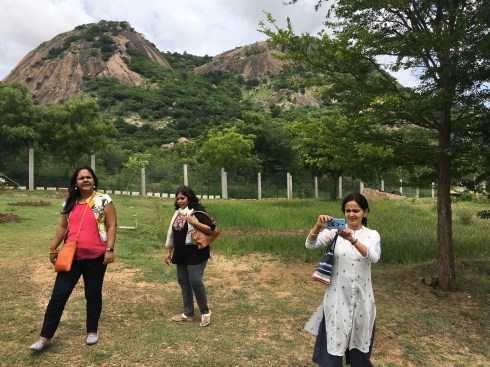
“Baevu” in Kannada means Neem Tree and this 30 acre property has over 1000 Neem Trees. Its a green eco spot with over 800 Mango Trees and a wide variety of vegetables, herbs, paddy & ragi grown in an organic farm. Set in a scenic landscape surrounded by hills and forests its an oasis of greenery and tranquility.

Fram Stay in Banglore

I have stayed at Baevu for a weekend before – but this time we planned a Day Trip. This includes Breakfast , Lunch and tea , usage of pool and the freedom to explore the full resort and even indulge in a short trek if time permits.

We departed Koramangla as usual at 7.30 and took the Hosur Road – Nice Road to Kanakpura. After reaching Kanakpura Road – Baevu village is an hr away – after you cross Kanakpura town you need to take a right ( Google Maps will get you there) – th exact location is somewhere between Kanakpura & Ramnagara – Roads are good – last few Km’s is mud road.

We reached by 9.45 – and were treated to a delicious spread of authentic S India breakfast. Having feasted we explored the place between 10.30 and 12.30. We did not have time for the treks since we had to leave by 1.30 to reach home at 3.30. But if you don’t have a deadline you can relax at the rest till 4.30 – 5 PM – have tea and then leave.

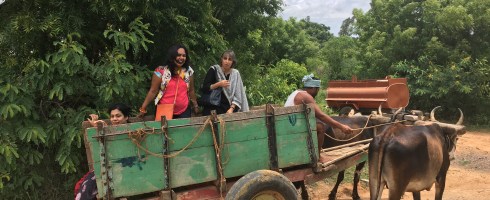
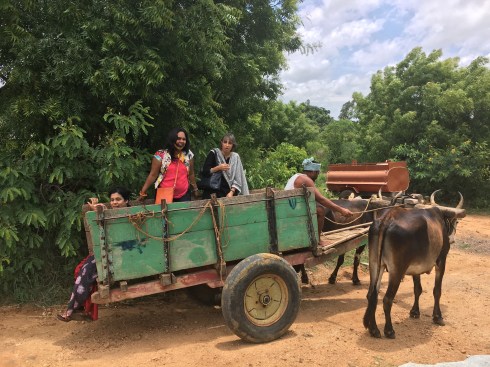
Baevu is partly Resort – partly farm. They cross millets , vegetables , have their own cows and you can enjoy a bullock cart ride

Family Resort Bangalore

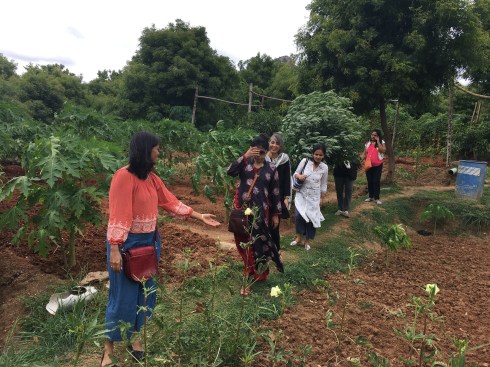
Or just walk past the scenic vegetable gardens

Eco Resort Bangalore

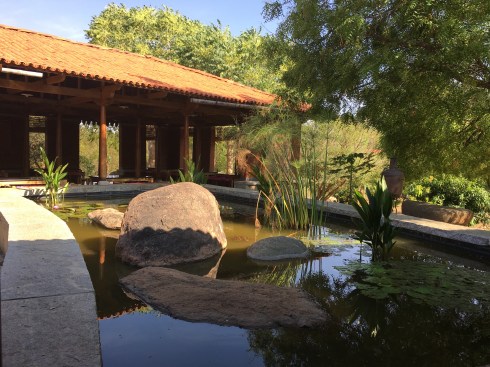
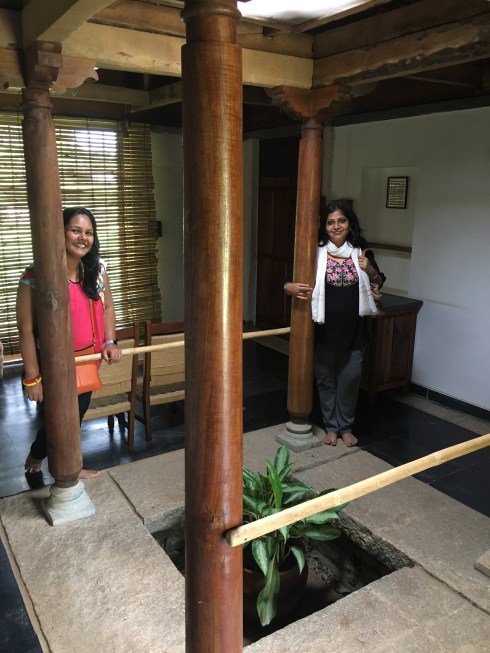
Take a look at the authentic rooms built like a traditional village house with a nice sit out.

Family Resort near Mangalore

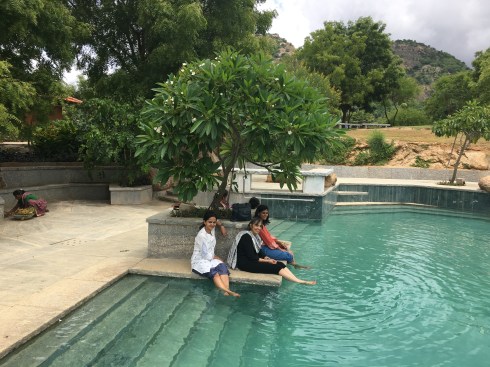
Or just chill by the crystal clean azure blue pool

Banglore offbeat location

The lunch was also a treat – again authentic S Indian ( Veg & Non Veg) – overall a great way to spend a day in a nature retreat – and I am sure all those who did this trip will soon come back with family to spend a weekend.

Farm Stay near Bangalore

Other Information

  • Contact Details – Divya Kare – + 91 94482 86415
  • Website – http://www.avanileisure.com/baevu-home.php
  • Google Maps will locate the place – roads are excellent – budget 2 hr drive from Koramangla

________________________

Please follow my Facebook page for regular updates on A Few Good Things 

https://facebook.com/afewgoodthingsvak1969/
For other fascinating day trips in and around Bangalore visit below

https://atomic-temporary-14030268.wpcomstaging.com/2018/07/11/explore-bangalore-21-curated-day-trips/


Are you doing Yoga or 1/8th of Yoga?

15 Jun

21st June – International Yoga day is less than a week away. On that day Malls, parks, schools, play grounds, office meeting rooms –  will be packed with enthusiastic people twisting their bodies and stretching themselves to do 108 Surya Namaskars. To the layman Yoga is primarily associated with “Asanas” and to a lesser extent “Pranayamas”  that help you on the physical front – improve flexibility, enhance your energy, cure ailments and make you feel fresh and rejuvenated.Its wonderful that Yoga is becoming so popular globally.

However there is a lot more to Yoga than this. Lets take some time to reflect on “What is Yoga”? Are we doing Yoga in totality or are we doing only 1/8th of  what Patanjali documented in the Yoga Sutra’s.

My motivation to write this Blog came after I watched a wonderful talk by Sri M on Ashtanga Yoga. This article is a summary of that Video. I am attaching the link below – do watch the 1hr video. The way Sir explains it with witty stories and anecdotes is a treat to watch.

What is the Yoga Sutra 

The Yoga Sutra – widely regarded as the authoritative text on yoga, is a collection of aphorisms, outlining the eight limbs of yoga. These “threads” (as sutra translates from Sanskrit) of wisdom offer guidelines for living a meaningful and purposeful life, and the steps to merge your limited identity with the Ultimate.  The Yoga Sutras are considered the most accomplished and well compiled step by step writings on Yoga – but it is not the only one. Even the Bhagwad Gita is a book of Yoga with the 18 Chapters each showing a step or path towards enlightenment.

The Yoga Sutras were compiled by the great sage Patanjali. He is depicted as half man – half snake and is said to have consecrated the famous Shiva temple at Chidambaram. When we visited Tiruchi we were pleasantly surprised to see the Jeeva Samadhi of this great sage in a small temple in the suburbs of Tiruchi – the Brahmapureeswarar temple.

The basic aim of Yoga is to settle the mind down. As Patanjali explains in the 1st chapter the goal of Yoga is ” Chitta – Vritti – Nirodha“. The agitated mind needs to be calmed – and Sir explains it well by saying that this is the tarmac from where you can start the journey.

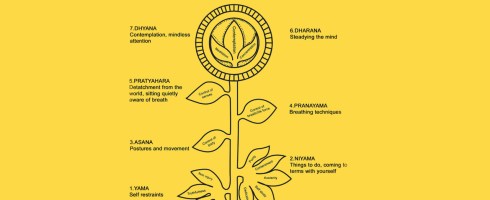
Like Gautama’s Nobel 8 Fold Path – Patanjali has clearly defined the 8 Steps to follow in Yoga – hence the name Ashtanga Yoga. Many practitioners in the US may credit B.K.S.Iyengar as the founder of Ashtanga Yoga – but he was just a passionate student and teacher of Ashtanga Yoga spreading it in the west.

The 8 Limbs of Ashtanga Yoga are Yama, Niyama, Asana, Pranayama, Pratyahara, Dharana, Dhyana and finally all of this leading to Samadhi. 

Please go thru Sri M’s talk for a thorough understanding of these steps – I am sharing a quick summary basis my recap from the talk.

  • Yama & Niyama’s are the rules and regulation to be followed. Predominant amongst which is simple living. Moderation is the key. The ability to be compassionate and not harm others – Ahimsa in action, words & thought. Following the path of Brahmacharya – which is not necessarily celibacy but having self control.
  • Asanas – the step that is most associated with Yoga, helps the practitioner to a strong snd supple body. A healthy body is a must for the long and arduous journey of a spiritual seeker. If the body is still the mind is still. An Asana is a posture in which you can sit comfortable for an extended period of time. There are over 108 Asanas that help energise all parts of the body – many of the focused on the spine. Asanas also play an important role in activating your ductless gland (Endocrinal Glands). Which is the reason your Yoga Teacher asks you to hold that pose for 6 – 7 breaths so that the effect reaches the glands thru the muscles. Asanas when done correctly move the limbs from a position of being tense & stretched to relaxed. This helps in flow of energy or “Prana” the life force thereby  balancing the body & mind.
  • Pranayam is the science of breathing. Breath is an important part of life. you can live without water and food for days but without breath you will not survive for even half a minute. The ancient Rishis were scientists – they realised that our breath reflects your mood. When you are angry and agitated you breathe faster. When you are at peace the pace of breathing slows down. The Rishi’s questioned  “if the mind can affect the breath – can we use the breath to effect the mind” – and that is the science behind Pranayama.To be aware of your breath is the simplest and easiest way to mediate. (I again see a similarity with Gautama’s teaching – his 1st step to tame the restless mind was to practise Ānāpānasati. A meditation technique where you focus your entire attention on the breath)
  • Pratyahara is the capacity of a person practising Yoga to be able to switch your mind on and off and focus full attention on what you are doing. This is a skill that can be learnt with time. It is a crucial skill and is the core teachings of even the Zen school.
  • Dharana  & Samadhi  – After you have accomplished Pratyahara you use this skill to FIX  your mind with single-minded focus on 1 sound , 1 image , 1 thought and exclude everything else. When you stay in this state for an extended period you slowly dissolve and there is no difference between the meditator and the surrounding – you melt and become one with the universe and that is the ultimate state of Samadhi. You become empty and the divine energy from the universe flows thru you. This is the ultimate goal of Yoga.

The article is based on the talk by Sri M on Ashtanga Yoga in March 2018. Please do watch the video – the talk on Yoga is for 60 Minutes. 

________________________

Please follow my Facebook page for regular updates on A Few Good Things 

https://facebook.com/afewgoodthingsvak1969/
 

Find Purpose – The Means Follow, 3 Rural Hospitals – A case study in excellence

1 Jun

Over the last few months I have had the opportunity to visit divine forces at work in remote rural India. It is amazing to see the transformation that a few good people can bring around with their commitment and passion. There is no adulation, no positive strokes, no awards – the commitment is totally Service, Service, Service. This is Karma Yoga in its purest form, True meditation – and they have found peace happiness and satisfaction.

The 3 Centres we visited are all located in Rural India – about 125 to 200 Km  from Bangalore.

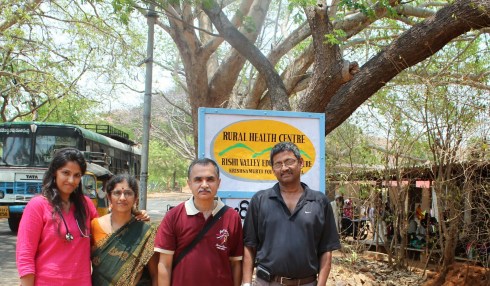
  • Rishi Valley Rural health centre (Near Madanapalli) –  http://rvrhc.blogspot.com
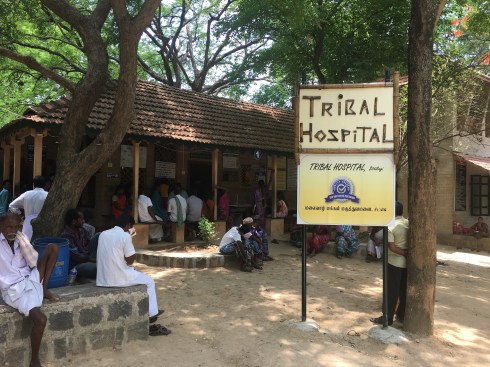
  • Tribal health Initiative at Sittilingi (100 Km from Krishnagiri) – http://www.tribalhealth.org
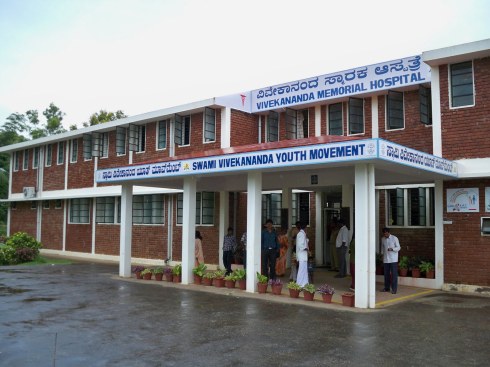
  • Swami Vivekananda Youth Movement at Saragur , H.D.Kote – 70 Km from Mysore – http://www.svym.org

There are a few common things that have made these initiatives so successful in the last 25 – 30 years since they were started from a thatched hut or 1 room.

  • The dedication and commitment of the doctors who started these centres. They could have had great careers in the cities with big hospitals but they consciously decided to tread a different path. They started small – hands on, and built it brick by brick.
  • The strong focus on community development and awareness. They are Human Centric Organisations focused on Holistic Health. All of them have invested in counselling and guiding people to lead a healthy life. As Dr Seetharam at SVYM pointed out – ” We are not here just to kill the Bacteria & Virus but to ensure that we provide Holistic services to the community to ensure that they don’t fall sick”. And they have taken it to a totally different level with a team of dedicated counsellors and even a Radio Channel to spread awareness.
  • All of which has translated in deep trust and overall development of a healthy community

Dr Regi & Leela started the Tribal Health Initiative at Sittilingi in a remote hilly tribal valley 100 Km from Krishnagiri. It all started with a thatched hut with no electricity – but over time they have built a 30 bed hospital with 3 operating theatres and have earned the trust of the community. Treating over 100 patients every day they conduct ~ 75 surgeries every month. What is more important is their initiative to train the Tribal women as counsellors. The core team trains the local village women  who become the first point of contact to spread the awareness on health , sanitation , pre & post natal care – and this has created wonders.

Dr Karthik and Kamkshi at the Rishi Valley Rural health centre had a similar start almost 20 years back. Trained in AFMC Dr Karthik left a successful career to start the centre with his wife Kamakshi – a pathologist. Today they serve over 200 patients a day – some coming as far as 100 Km away. Madanapalli is a district HQ with a Govt Hospital – but the trust and quality of service they offer is so high that people prefer coming to them. They have taken the level of service to a totally different level and even have a local cobbler designing shoes specifically for diabetes patients.

While talking to Dr Kamakshi she introduced us to a young girl from Washington University St Louis who was visiting them on a Fulbright scholarship to research the high instance of Diabetes in the area. Inspite of the idyllic rural setting – the instance of Diabetes, Hypertension & Thyroid are widely prevalent amongst the villagers. Preliminary study indicates the usage of pesticides and extensive use of Palm Oil in cooking as possible reasons. Here again the focus is on counselling & advisory services for healthy living – how to shift to Millets , the right diet , enabling them to access the best of Govt programs etc.

I had written in one of my earlier blogs for India to Progress – you need 3 things Healthcare , Education & Jobs. Most of these places seem to be following this to perfection. They all  have a school that helps the community children get educated. Quality of education is excellent , schools are neat and clean , well equipped , good teachers. They also provide jobs to the local community – the Nurses , technicians , drivers all come from the local community. At SVYM they have even tied up with Mysore University for a 2 year management program in community development.

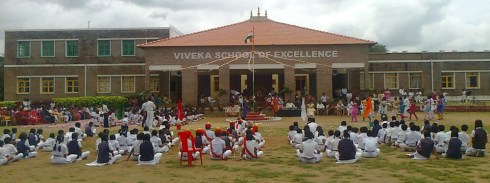
Swami Vivekananda Youth Movement (SVYM) was founded by Dr Bala when he was graduating from Mysore Medical College and he has not looked back in the last 30 years since its inception. Today the centre has a 100 bed hospital and outreach program that covers almost all the districts of Karnataka. The institute is doing ground level practical research on areas that impact the lives of the local in close coordination with the Govt. The Viveka school of excellence adjacent to the hospital is an excellent facility for overall development of the children. The approach is 100% Holistic – Dr Bala the Secretary explained that SVYM even helps the local get legal help when they face harassment regarding their land , they help them the documentation to apply for Govt aid programs, they even supply them seeds to promote kitchen gardening – they are a one point social connect to the localities.

At all the three centres the doctors were clear that there would be a nominal charge for services. This contributes less than 50% of their expenses – but there are compelling reasons to charge. Dr Balasubramanya explained beautifully why it is important to charge a notional amount. This is what he had to say

Charging helps preserve the poor patients dignity – he is now demanding service. He has the right to question. This puts pressure on the institution. We are a country where we walk in to a guests house with a token gift of fruits or flowers or sweets – even the poor tribal does not like the concept of Free

The other common theme was the element of trust. Dr Anup explained the importance of building Trust thru Human Connect. Rural people are simple folks. You need to advertise to them. They believe what they see. they believe their community. When the same doctor visits them or treats them, is genuine, doesn’t con them – then slowly familiarity breeds favourability. Then the Trust quotient builds up and spreads word of mouth.

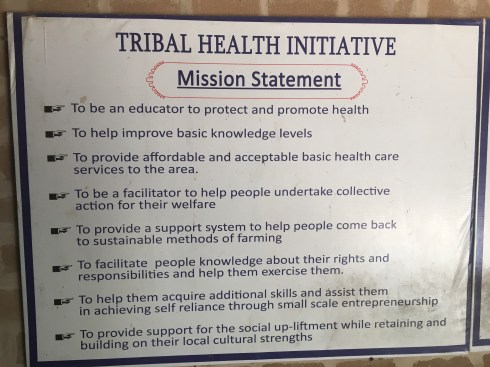
These are hospitals that are spotlessly clean, efficiently run, professionally managed with well defined process and as the mission statement at the Tribal health centre says it all  – their mission is to play an integral part in the communities development. India runs because of such people and their selfless service.

They say “Find Purpose – The Means Follow” – and these doctor teams have demonstrated this saying word by word. Dr Karthik, Dr Kamakshi, Dr Regi, Dr Lalitha, Dr Balasubramaniam  and his wonderful team are all testimony to this.

They are helping define what the new age hospitals should look like. Its time the management from Apollo , Fortis , Manipal …. hospitals paid them a visit. And if you ask ” What is the one things that distinguishes these hospitals from the 5 Star Corporate hospitals of Indian cities ? ” – the answer in one word – GREED.

You can play your part – visit their websites and feel free to contribute what best you can – remember that they need help from Corporates and people like you to manage 50% of their operational costs.

________________________

Please follow my Facebook page for regular updates on A Few Good Things 

https://facebook.com/afewgoodthingsvak1969/


A week in fascinating Jordan

25 May

How is Jordan different from other countries in the Middle East ?

  • It has no OIL
  • A liberal modern country with no dress regulations. That is credit to the royal family.
  • Diverse landscape – from the depths of the Dead Sea to the highlands of Petra & Amman where it snows in winter. The country is blessed with lovely mediterranenan climate

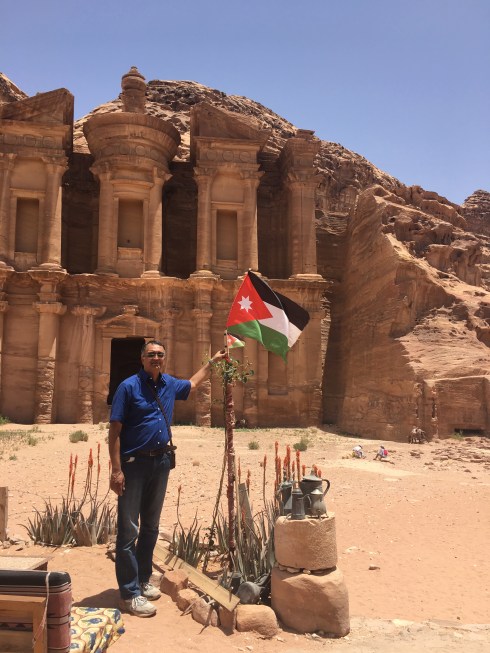
We had a perfect one week holiday. My first experience with a travel company Byond Travel – and they scored 10/10. Jordan has lots to see. We covered 1500 Kms in 6 days with 4 hops across the Dead Sea, Petra, Wadi Rum & the capital Amman. A small group of 9, a dedicated bus to us and a wonderful guide all added up to make this a memorable trip. Jordan is waiting to be explored – we had nice weather (In May) , almost no Q’s (thanks to Ramadan) – and we covered a lot – thanks to the wonderful planning of Byond Travel. When you travel with a good agency it takes a lot of your head – my earlier self planned family holidays were a project , this one was relaxed. I just followed the guide. Since all payments were made in advance we hardly had any expenses right thru the week – barring our lunch bills and  stuff we bought to carry back home.

travel company byond travel

Detailed Notes 

Day – 1 

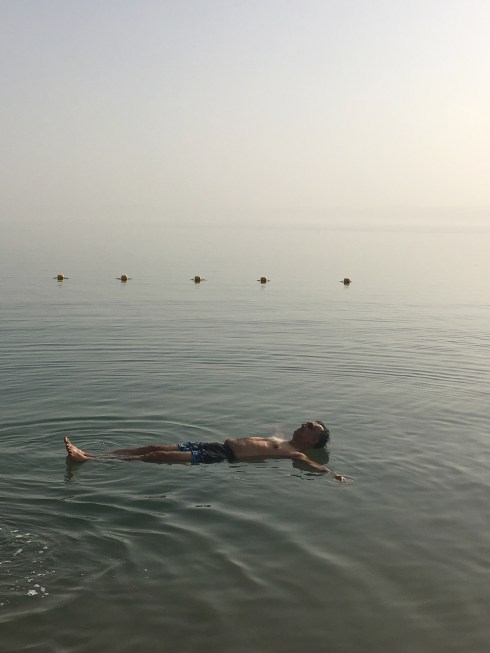
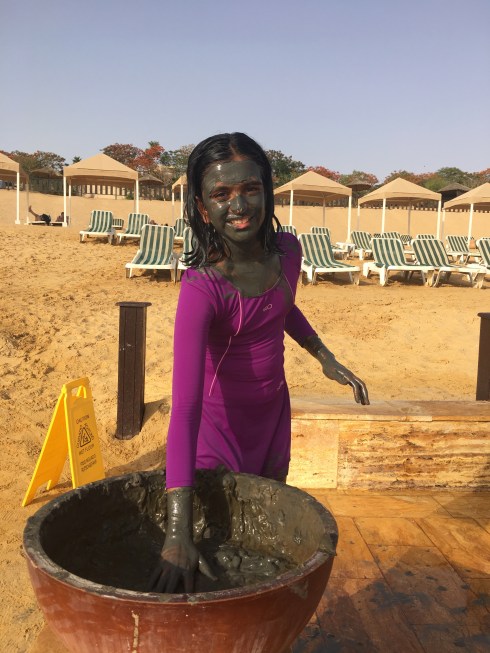
There are no direct flights to Jordan from India and we took Etihad from Bangalore to Amman Via Abu Dhabi. An early morning flight on Sat at 4.30 AM from Bangalore got us to Amman by 12 noon with a 3 hr stop over at Abu Dhabi. Etihad is good – better than Emirates and you get Jet Airways miles. Leg space is comfortable, food is decent. At Amman we were received at the gate and whisked past immigration (Jordan has Visa on arrival) and in less than 30 minutes after landing we were in the bus with our luggage headed to the Dead Sea – Holiday Inn Resort. A nice property located on the Dead Sea. A 1 hr drive – past barren land and olive trees ( Jordan is full of olive trees) we reached the lowest elevation on earth – 1400 feet blow MSL . It was warm but bearable. The Dead Sea is shrinking and the locals say it may not last beyond 2050. The salinity of water is almost 10X that of the normal sea so you float. And there is no life on the Dead Sea.

dead sea

The Holiday Inn resort is one of the many resorts on the Dead Sea – and many come here for the curative power of the water and the Dead Sea salts. After a few hrs at the beach we had a lovely dinner and hit the bed. A long day that started at 2 AM on Sat morning finally ending. Note that Jordan has a 2 1/2 hr lag with India – so when we slept at 9 PM it was 11.30 PM India time.

Day – 2

A 1 night stop at Dead Sea the next day morning we headed out to Petra and on the way stopped by a few interesting sights

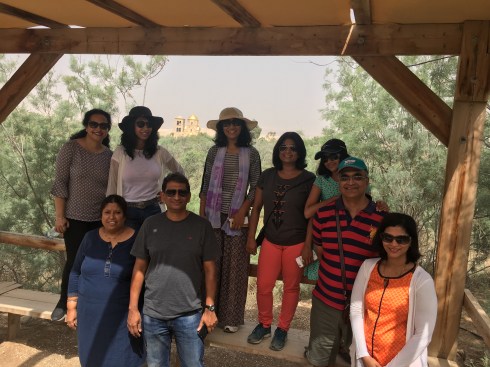
Close to the resort was the Bethany church where Jesus was baptised by John the baptist. Thats a famous biblical location and borders Israel. All thru the tour we were almost touching the Israel border and at the Bethany church we could see Israel across the Jordan river a few feet away.

petra

From Bethany we visited Mount Nebo – a famous place from where Moses is said to have pointed towards the promised land before he passed away. We travelled Via Madaba visiting one more church famous for its mosaic paintings and reached the historic city of Petra by 4 PM.

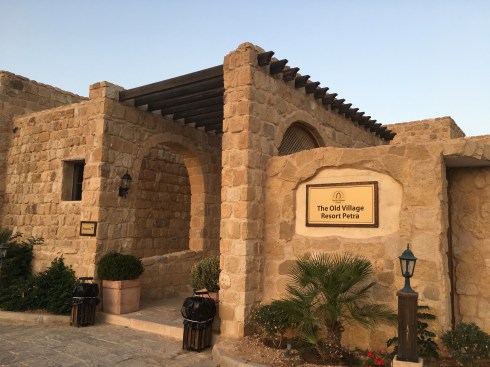
Petra is an iconic city almost 2000 years old – its a city of sandstone mountains. We stayed at a lovely property The Old Village Resort at Wadi Musa for 2 nights. Nice rooms , good food. old village resort petra

Day – 3

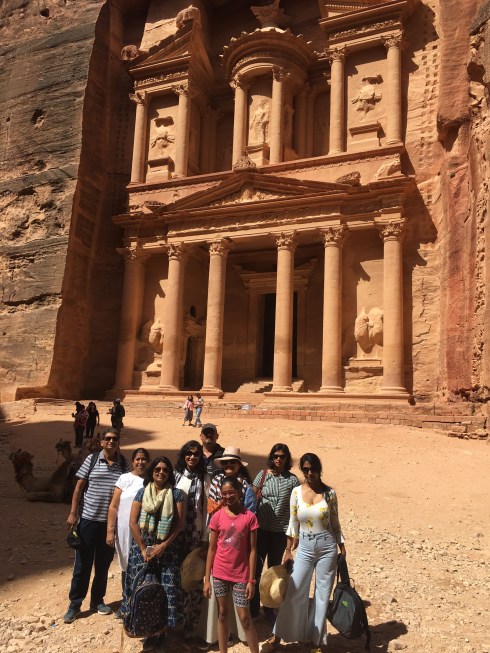
After a sumptuous breakfast we left at 8 AM to Petra. The visitors centre was a few km from our property and we started the trek thru the maze of mountains by 8.30 AM. There is a lot of walking. 2 Km to the Khazana , 2 Km to the base point of the Monastery and then a trek of over 1000 steps to the top of the Monastery – all in all about 6 Km each way. It was hot – but the history and the stories of the Nabateans the rulers of Petra kept us motivated.

maze of mountains

We were back in the hotel by 3 PM and most of the team went back at 8 PM to see candle lit Petra by night. To my consolation they came back and said that I did not miss anything great.

A lot of walking had tired us out – and the next day was relaxed

Day – 4

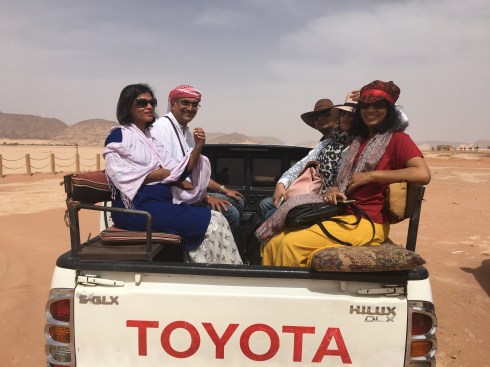
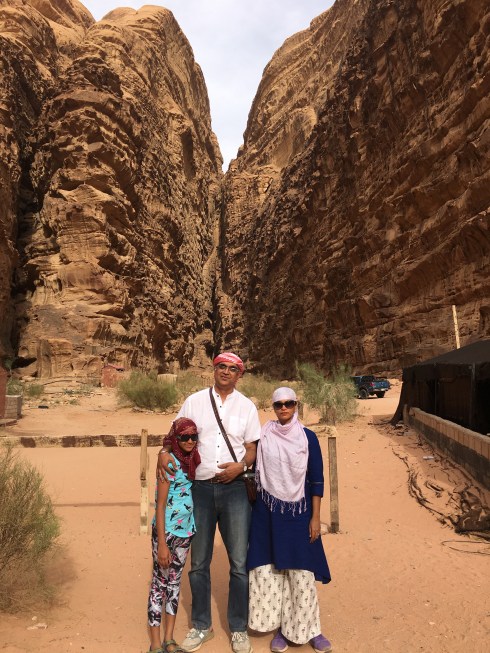
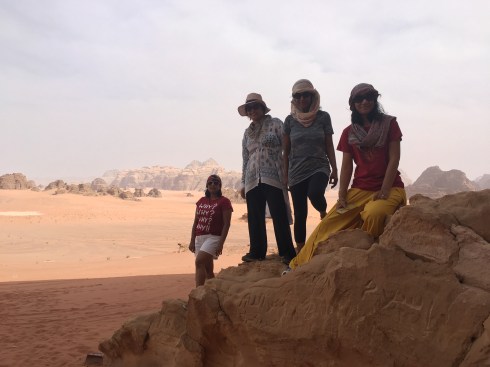
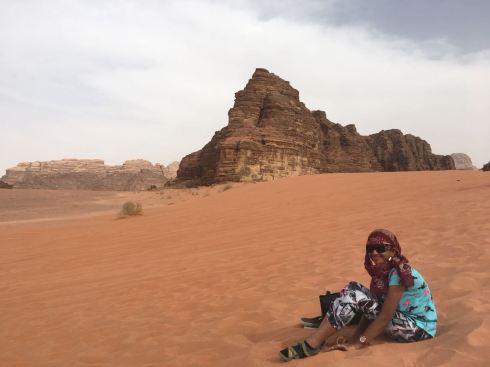
We woke late, had a relaxed breakfast and left by 12 noon to Wadi Rum. A 800 sq km desert with craggy sandstone mountains – the landscape is martian and this is where many of the movies Lawrence of Arabia , Transformer , Martian etc were shot. Its barren sand dune desert and houses about 30 camps.

wadi rum

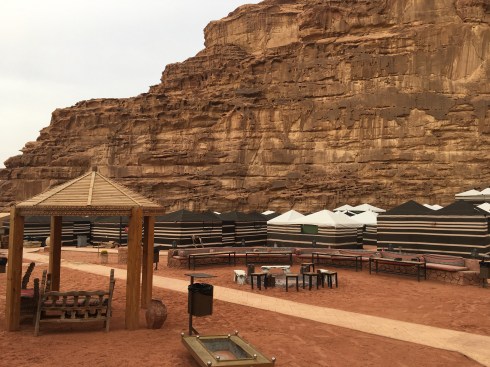
We stayed in one such camp in tents for a night. Its hot during the day but gets cold at night. Tents are basic – we had a family tent with 3 beds and an attached modern bathroom – no fans. Electricity and Wi Fi from 4 PM onwards.

tents for night

The set up and kitchen here is like that of a North Indian Dhaba- I did venture to the kitchen to make some potato curry and dal – as by now we were tired of Pita Bread, Hummus and Olives. The evening would have been alive in a starlit sky with belly dancing – but being the month of Ramadan we had to entertain ourselves with the dance of one of our colleagues. – who did an outstanding job.

Day – 5 

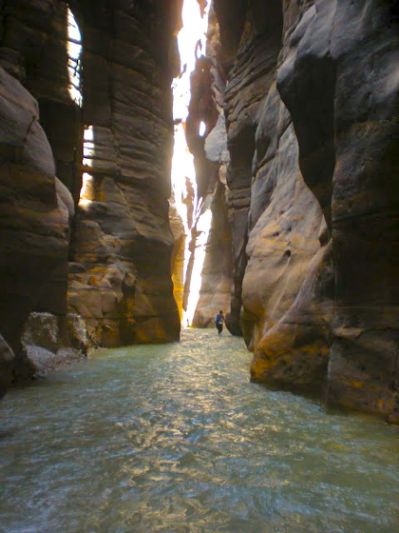
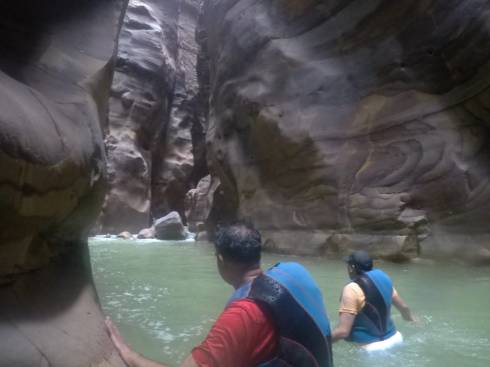
We departed Wadi Rum at 8 AM and after a 4 hr drive reached Wadi Mujib. This is a 2 km river trek. Its not open all the time as the water currents can get risky. We were lucky that it opened a week after being shut. But the water levels were high. This is fun but risky. You are neck deep in water at many places and the current is strong. The river bed is full of poky rocks and even with aqua shoes it can hurt. But this was the high point of the trip and we thoroughly enjoyed it. (Note only Children above 17 are allowed) – the trek took us about 3 hrs and we were back in the bus at 3.30 PM.

wadi mujib

The drive from Wadi Mujib to Amman was less than 2 hrs and we drove by the Dead Sea crossing the Holiday Inn resort where we had stayed the 1st night. So we had almost done a round trip of Jordan.

We stayed in central Amman at the Millennium Hotel a nice property. Amman is a modern city with an active night life – but again the Ramadan period limited activities. Our guide took us for dinner to a beautiful local restaurant – buzzing with people.

millenium hotel

Day – 6 

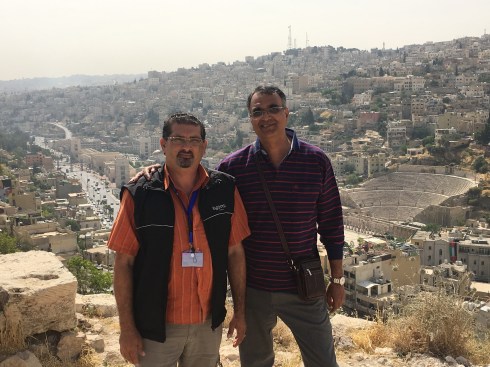
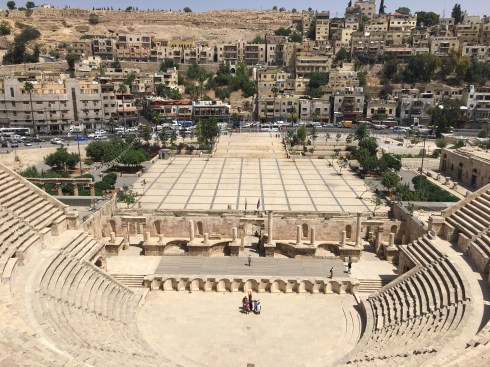
On our last day at Amman we covered the Citadel – an ancient Roman site and the Roman Theatre – sights we covered between 8 AM and 11 AM . Amman has a history that dates back to 6500 BC – Greeks, Romans, Persians, Egyptians – all this culture blends into this ancient arabic city which is now ruled by the Hashemite dynasty – direct descendants of the prophet.

We shopped for dates, baklava, olive oil in Downtown and were back in our hotel for lunch.

amman

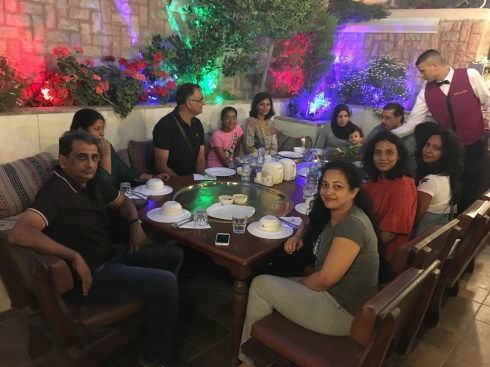
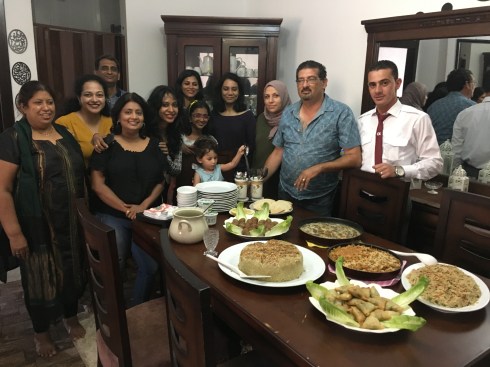
We had an early dinner at our guide Salah’s house – and his wife had cooked us a delicious spread. It was a wonderful gesture on his part to invite us home. early dinner

Post dinner we walked around downtown and were back in our rooms by 9 PM. Again being Ramadan the streets were deserted and most shops closed.

Day – 7

The last day of the trip – we were free. Being a Fri and the Independence Day of Jordan – all the malls , parks etc were closed in the morning. We walked around Paris square and saw the famous Rumi restaurant before heading back to hotel to depart at 12.30 for our flight.

A week flew by and we enjoyed every minute of it. A big thanks to Byond Travel for planning and executing the trip to perfection. They are a good company – a little pricey but you get excellent service. When on a holiday you want the best. I don’t think we would have seen Jordan so well in 1 week on our own. So thank you Byond for a great trip – and looking forward to more. And a big thanks to the team of co travellers – thanks guys you were great travel mates.

Useful Tips

  • Jordan has pleasant weather all thru the year – winters are cold
  • 1 JD ( Jordan Dinar ) = 95 Rs
  • Veg food is available all thru the trip – though the focus is on Non Veg.
  • Free Wifi is everywhere including in our bus.

Some more Views

enjoying the nature

jordan fort

family holidays

enjoying jordan

enjoying waterfalls

shot by iphone6

________________________

Please follow my Facebook page for regular updates on A Few Good Things 

https://facebook.com/afewgoodthingsvak1969/


Nothing is Everything, Shunya – A Review of Sri M’s 1st Novel

19 May

Om Sri Gurubhyo Namah

An interesting book is one that you can’t let off your hand once you start reading. All of Sri M’s books (Referred to as Sir later in the blog) fall in this category. That includes “Shunya” – his latest book. This is his first novel – but it reads like a real life story. A fascinating story set in the suburbs of ” Tiru – Anantha – Puram” (Trivandrum), Kerala.  its the story of an “Avadhuta” called Shunya – A sage free of all social norms who a common man may describe as eccentric or a Schizophrenic.

Book Review Shunya

There are many commentaries on the Upanishads that talk of how you can achieve the ultimate truth by making yourself empty. Being empty is cleaning yourself of all the impurities that you accumulate in this life , it gets you to the core where divinity exists in its purest form. And in this purest form you are merged with the ultimate. The Universe in all its bounty is trying to give you ultimate joy and happiness – but our cup is so full that there is no place.

This concept may be difficult to understand through commentaries and talks , but it is explained beautifully in this book. The lead character Shunya – who the locals call Shunya Saami keeps repeating that he is “Nothing” – but he is “Everything” – he knows all, reads the mind of people, helps them identify their deepest desires and his grace brings happiness and prosperity to all he touches. he breaks all the rules – lives in a tavern , eats fish and berates people. And he has his share of opponents – organised religion , the priests and the quacks – see him as a threat, but all their acts to get the better of him are in vain – for who can crush the Ultimate Truth.

In one of his encounters Shunya advises a monk running a monastery to run away from establishments – to empty yourself of his ego. I found this narrative an interesting takeaway.

____________________________________

The monk asks “What else should do I do to grasp the ultimate truth , the Brahman wherein lies eternal peace and freedom ? can you help me Saami ?”

‘Fool, said Shunya – “I” Must Go’.

‘But Saami you told me to come. Don’t go away please.’

‘The ‘I’ must go. I,I,I, aren’t you tired of saying “I”? That “I”is the problem – throw it off. That “I” is to pushed off like shit. All your insides are constipated with ego. Take an enema, break your image , get that shit out ‘. First stop chattering – “I did that, did, did, did.” Can you sit quiet for a moment doing nothing. Sit Quiet – be silent . Stop Doing. Shunya , nothing, clean slate , unalloyed joy!’

His guidance helps the monk to ascend  the last few steps to attain the ultimate truth.

_____________________________________

As a child I have heard from my father about the “Yakshas” of Kerala – the hideous demons who are disguised as charming damsels, of the “Kutti Chatans” and the Tantriks who control them – Sir touches upon all of them in Shunya. Everyone will love reading this – but a Keralite would connect exceedingly well with the local lore.

The story is so well written that it actually feels like a real life narration of an Avadhuta who lived in Kerala. Sir has had such fascinating experiences in life and I have a strong feeling that this is more than a novel – there is a wealth of meaning and learnings hidden in every passage of this book.

A few more interesting takeaways. The one lesson that Shunya reiterates is the need for a guru to help you in your path. There are correlation with Sir’s first book ” Apprenticed to a Himalayan master – A Yogi’s autobiography”. The young American girl Sri M meets in Rishikesh with stomach cancer – Jenny comes in the form of Diana in Shunya. The good news is that Diana recovers from her cancer by the grace of Shunya and gets happily married and works as a teacher in Pine Grove School at Sheffield, UK. That reminds us of PGS at Madanapalli. The last chapter also talks of a young girl the daughter of Bhavani & Sadasivan ( Couple who host Shunya Saami in their house) who was born thanks to the blessing of Shunya Saami – who left home as a teenager and roamed around like a free bird with her band of mongrels – that sounded very much like “Mai Mai” the divine lady who blessed Sir when he was a young boy.

Overall a fascinating read – get your copy at the earliest and do share the word around.

पूर्णमदःपूर्णमिदंपूर्णात्पुर्णमुदच्यते
पूर्णश्यपूर्णमादायपूर्णमेवावशिष्यते
शान्तिःशान्तिःशान्तिः

For more details on Sri M – please visit http://satsang-foundation.org

________________________

Please follow my Facebook page for regular updates on A Few Good Things 

https://facebook.com/afewgoodthingsvak1969/
 

Visit blogadda.com to discover Indian blogs

Shirdi Travel Tips

25 Apr

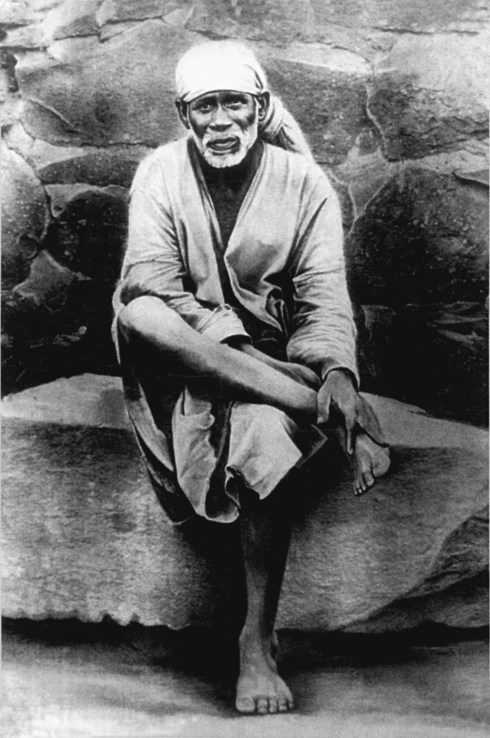
To visit Shirdi you need HIS grace. When the time comes the trip happens. I have been to Pune numerous times over the last 15 years but never realised that Shirdi was so close by. Since March this year I was getting repeated signals that the calling was coming and as per the Masters Grace a wonderful trip happened on Apr 23 / 24th. 2018 is the 100th year since Sai Baba attained Samadhi, and we were blessed with good weather and sparse crowds all of which translated to a very satisfying trip.

This Blog will provide all the details that a first time traveller to Shirdi would need

Getting to Shirdi

You have many options to get to Shirdi. There are direct AI flights from Mumbai & Hyderabad that reach around 4 PM. There are trains and buses. Travelling from Bangalore the best way for us to get there was to take an early morning flight to Pune and then drive to Shirdi (Indigo 6E 408 departs Bangalore at 5.25 AM and reaches Pune at 6.50 AM) – yes that means you wake up at 2 AM to get to the airport. Our flight reached before time and we had our car from Savaari.com waiting for us (https://www.savaari.com) – this is a reliable, reasonably priced company with excellent service for booking outstation cabs.  The distance from Pune to Shirdi is ~ 200 Km’s and we reached our hotel at 11.30 AM. Its a 4 hr drive including a 30 min stop – excellent road, lots of places to stop for tea / restroom breaks.

Where to stay 

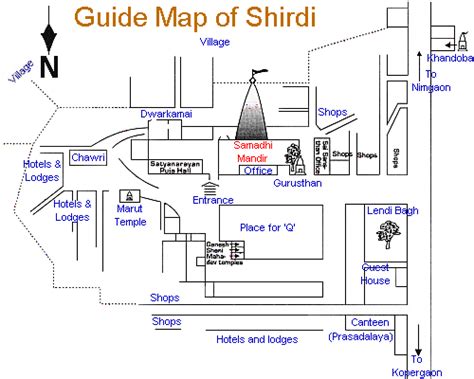
Like in any temple town there are multiple options, including rooms  that are provided by Shri Saibaba Sansthan Trust(Shirdi) – https://online.sai.org.in. We picked Hotel Bhagyalaxmi a nice hotel, very clean, spacious rooms, reasonably priced ( Rs 2200 per night for a double occupancy room), and a nice restaurant attached. Its a mere 2 min walk from the Temple. (In the map below it is at the bottom where you have Hotels and lodges written)

Other options to stay suggested by friends included Vasavi Bhawan (http://www.saivasavi.com) and Saish Hotel which is owned by the great grandson of Baijamma a great devotee of Baba.

Temple Darshan

Shirdi can get very crowded. So ensure that you book your Darshan online. You can register to get a customer ID and book your Darshan tickets here. Shri Saibaba Sansthan Trust(Shirdi) – https://online.sai.org.in. You have two options – you can book tickets for Aarti that happens 4 times a day or Darshan tickets  for slots thru the day. (The Kaakad Arti was priced Rs 600/-  and the Darshan Arti Rs 200/- per head. You are allowed to book tickets for multiple people – but ensure to carry your ID)

  • Kaakad – Early Morning
  • Madhyan ( Noon)
  • Dhoop ( Evening)
  • Shej ( Night)

We attended the Kaakad Arti – its at 4.30 AM , but you stand in the Q at 3 AM even with a VIP ticket to get a front row spot. The Arti goes on for almost 45 minutes. the good thing about Shirdi is it is very well organised and you can get enough time at the Sanctum Sanctorum – its not a Tirupathi where you will be pushed away in a few seconds. ( TIP – while standing in the Q try and be in the inner line – this allows you to to take a U turn and come out from the open space in the front of the Sanctum Sanctorum – giving you a lot more time in the main temple, the outside row exits from the left)

We also attended the 5 PM Darshan on day 1 with pre- booked VIP ticket – there were less than 100 people at that time on a Monday, the Kaakad Arti had over 500 people.

The Temple Complex – What is there to see (On a good day you can cover all that is to see in less than 90 minutes)

The main Temple or the Samadhi Mandir – is where you have the Samadhi of Sai Baba and the marble statue of him in a sitting pose. There are a few more places to see inside the temple complex

Gurusthan – The seat of the teacher. This is right next to the Samadhi mandir. Gurusthan is the place where Sai Baba first appeared to the world as a 16 year old boy. The place is situated under a massive Neem tree. It also has a shrine on which Sai baba’s portrait is placed with a Shivalingam and the Nandi bull right in front of it. Gurusthan means- the seat of the teacher.

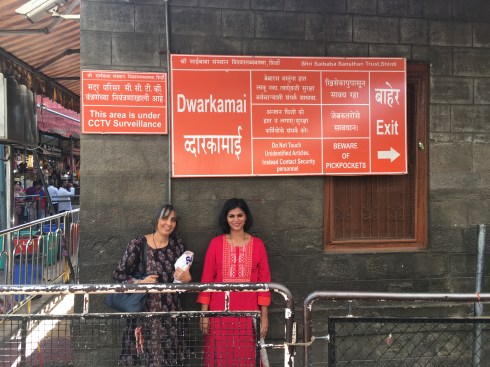
Dwarkamai –   They say that Dwarkamai is the heart of Shirdi, the place where the great Sai Baba spent a significant part of his life including his last moments. This site, at first, was a dilapidated mosque. Dwarkamai is probably the only mosque which has a temple in it! The original Dhuni of Baba is still active here. You can walk by it and see the place where he slept and lived.

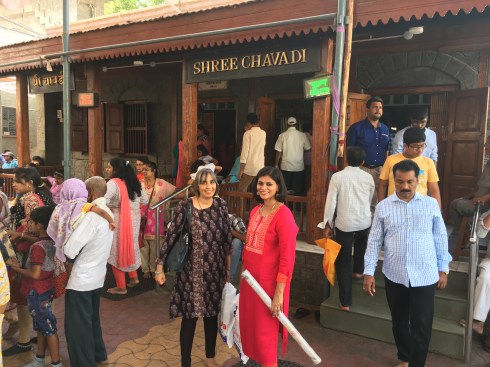
Chavadi – During his last years, Sai baba used to spend alternate nights at Chavadi. The place is located right next to Dwarkamai mosque from where the procession of Sai baba along with his followers was carried out in a palki. Even today, the procession takes place on every Thursday with the idol of the saint inside the palki. The Chavadi & Dwarakamai are located outside the main Temple complex – but its a 5 min walk after you exit from Gate 3 (Shani Gate)

Lendi Baug – Sai Baba used to spend a lot of his time here watering the plants daily in the mornings and evenings.

Dixit Wada Museum – The Wada museum is located in the vicinity of the Shri Sai Baba Sansthan trust that showcases vintage pictures of Sai baba with his followers. It also displays his leather padukas, long robes and a smoking pipe along with gramophone records, bathing stone and cooking utensils, among others. The museum is open for public to visit from 10 am to 6 pm. Between the museum and the Lendi Baug are a few Samadhi’s of Sai Baba’s closes devotees both Hindus & Muslims.

Few Important Points for visitors

  • Cell phones are not allowed inside the temple complex – so leave it in your room. Also leave your belts and bags. Only wallet is allowed.
  • Footwear has to be left outside – you can leave it in any of the shops outside
  • You get prasad as you walk out after darshan – a packet of Boondi and some small pouches of “Uddi” (ash from the holy Dhuni) – you cannot buy extra.

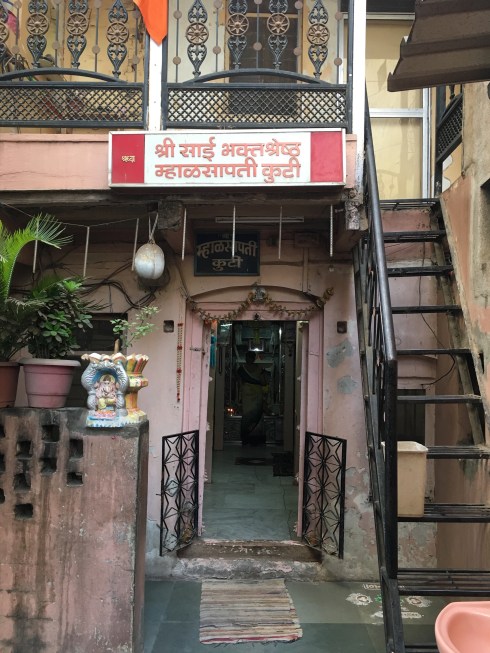
There are a few more important places you must visit. The first of which is the Mahalsapati Kutir – located very close to the Chavadi. Mahalsapati was a great devotee of baba and to this day the afternoon prasad from the temple is delivered to their house. If you are lucky and are visiting around 1230 – 1 you may get the prasad. The house is currently inhabited by the 4th generation

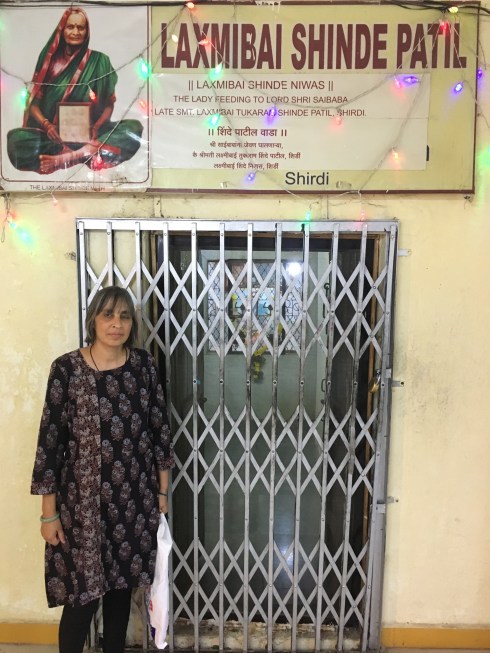
A minutes walk from Mahalsapati’s house is the residence of Laxmibai Shinde Patil. She used to cook for Sai baba and on the day before he left his body he gifted her 9 silver coins. these are on display. Ask the locals and they will guide you to these places.

Between 23rd afternoon and 24th early morning we had experienced to our hearts content the energy and divinity of Sai Baba and left Shirdi at 9.30 AM on 24th. On the way back we took a 90 min detour and stopped by at Shani Shingnapur.

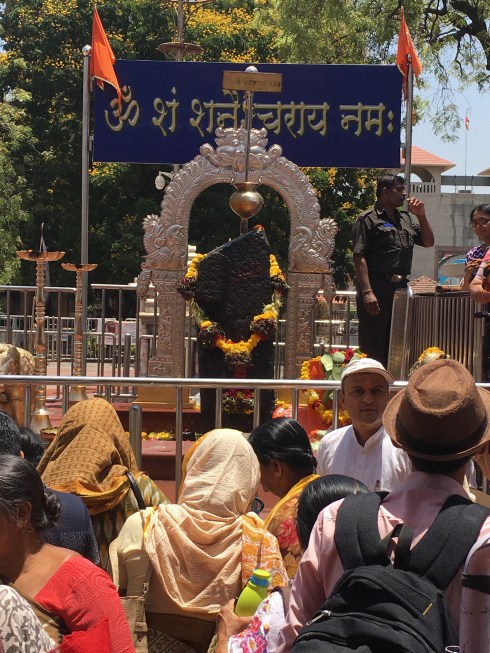
The unique Shani Shignapur Temple of Ahmednagar district is well-known for the magical and powerful Lord Shani, who is believed to reside in a black stone. The Hindu God symbolising the planet Saturn is referred to as Swayambhu, which means that he has emerged himself in the form of the black stone. It has absolutely no architectural beauty, and just the simple stone with the spiritual aura of the lord entices scores of devotees every year.

The trust of people in the lord is so strong that none of the houses in this village has doors and locks. People believe that Lord Shani is protecting their valuables

The drive from Shirdi to Pune is partly scenic / partly barren. This is home to lovely Pomegranate and Guava orchards and you can pick them up at throwaway prices. So do remember to keep some bags handy.

Our flight to Bangalore was at 10.20 PM and we had time to visit the Samadhi of Dnynaeshwar at Alandi. A 13th century Marathi saint considered an incarnation of Lord Vishnu he took samadhi at the tender age of 22. Alandi is located 20 Km from Pune – the Temple complex that houses his Samadhi is located on the banks of the Indrayani river and is accessed by foot. The Dnyaneshwar Samadhi Complex  includes the Samadhi,the Shri Sidheshwar temple and the famed Ajanvriksha tree. The Sidheswar temple is an ancient Shiva temple and a “Swayambu”. The whole complex is a highly energised space – within a few minutes of meditation you can sense the  intensity of the place.

We were back in Pune by 6 PM and met up with a close friend at Vaishali – and as we walked down FC road and JM road could not but help compare Pune with Bangalore. And Pune does score high on all counts. After dinner at Shreyas (A nice homely place that serves authentic Marathi Thali) we reached the airport by 9 PM well in time for our 10.20 PM flight to Bangalore reaching home by 1.30 AM.

It was a long day waking up at 2 AM for the Kaakad Arti – almost 24 hrs of no proper sleep. Two consecutive days of waking up at 2 AM. There was a sense of happiness at having accomplished a lot and we thanked the Masters and Sai Baba for an excellent Darshan and a safe and fruitful journey.

Other Useful Points 

  • Weekends and Thu are very busy at Shirdi – avoid school holiday season – best time to travel is Nov – Feb
  • Nasik is 100 Km from Shirdi – so is Aurangabad. You can make Shirdi as your base and cover these two cities. They both have a lot to see including a Jyotirlinga each. Aurangabad is also the getaway  for Ajanta and Ellora
  • The total cost for this 36 Hr trip was ~ Rs 40,000 for the 3 of us ( Rs 13,000 each ie $ 100 / day ) inclusive of Flight, Cab, Hotel, Darshan Tickets , Food – that is value for money


________________________

Please follow my Facebook page for regular updates on A Few Good Things 

https://facebook.com/afewgoodthingsvak1969/
 

500,000 Views – Launching the new Website for “A Few Good Things”

1 Apr
“Once a year, go someplace you’ve never been before.” – Dalai Lama
 
I do it a lot more than once a year. If the travel bug bites you there is no antidote.

My blog is a live example of the power of compounding. When I started in 2010 after attending a training on Digital Marketing it was an exploration. Which rapidly grew to a passion to share a lot of good things. It took nearly 5 years to get to a 100,000 hits and less than 3 years to get to 500,000 hits. And thats when I said its time to upgrade the Blog to a Website.

The website A Few Good Things –  has a clean , simple layout that is based on the Golden Rule of 3

  • All the 170 Blogs are distributed under 3 heads – Travel, Spirituality and Daily Life.
  • The Travel section is further trifurcated to Day Trips, Short Breaks and Longer Breaks.
  • There is an excellent search engine that can help you navigate with ease

This started as a travel blog. I love to travel and document it in detail so that fellow travellers can plan their trips easily.  I hunt for offbeat locations and resorts and help market them through my Blogs that have a viewership of ~ 500 a day.

Over time I have added other interesting entries on Spirituality and Daily Life (Corporate, Personal Finance, Fitness etc). All these are based on my real life experience.

Some of my Blogs feature high on Google search – for Eg if you search for “What is Rudram”  my blog may well be in the top 3 . Tirupathi Travel Tips, Baevu Village, day trips in Bangalore  are also some of the blogs that come in the top 10 in Google Search. Blogs on Valley of Flowers, Soulitude in the Himalayas, Badami – Pattadakal , Tiruchi in 3 days, Vipassana Experience  –  record a high viewership daily benefiting many. The PIO to OCI writeup has helped thousands in Bangalore to visit the FRRO office and get the necessary paperwork done. A Few Good Places which is an exhaustive list of all the places we have been to and those that are in my list – is used extensively before the holidays.

Many resorts have thanked me  – as they have seen a steep jump in bookings rating their property as a must visit – with all the details on how to reach and spend your time there.

The journey continues and I seek your support to continue the compounding effect – help take the 500,000 to 1 Mn and beyond. Do sign up as a follower and please do share the blogs that you found useful with your friends and relatives.

A big thanks to all my well wishers, followers and travel partners and lets pray that a Few Good Things continue to roll out regularly.