Archive | Travel RSS feed for this section

Gali Gali Jaipur (Exploring the bye-lanes of Jaipur)in 2 1/2 days

17 Mar

The holiday I look forward to is the annual getaway with my dear friends. If in a career of 30+ years after interacting with thousands you find 3 genuine friends – consider yourself lucky. This was our 4th edition – after Chickamagalur, Binsar and Kodaikanal we decided to spend a few days at Jaipur.

Planning started 3 monthly early  and even the threat of the Corona Virus could not hold us back. With the divine positive energy of my dear friends everything as usual turned out to be perfect. Flights were on time, Jaipur was a pleasant 12 – 23 Degrees, the hotels were great,  and the City of Jaipur welcomed us and treated us like royalty.

This was my 3rd trip to Jaipur (2003, 2012 and now 2020) – the earlier ones were rushed 1 day trips. This time we wanted to explore the bye lanes of Jaipur, taste the local food, shop in the local markets and soak in the charm of Jaipur. And that’s exactly what we did. My friend who has visited Jaipur a million times was the best guide we could have had.
A quick history of Jaipur 

Jaipur was built in 1727 by Maharaja Sawai man Singh – II (That makes it only as old as Bangalore/ Kolkata/Hyderabad). The kings of Amber (Jaipur State) aligned with the Mughals and Akbar even married one of the princes to who Jahangir was born. Jaipur  was the 1st planned city of India. In 1876 Maharaja Ram Singh adorned the city in pink (Supposed to be the colour of hospitality) to welcome Prince Wales – Thus it acquired the name Pink City

The Energy of Jaipur

A few days in Delhi and you get the sense of an aggressive, greedy, wicked smart city that is difficult to trust. Jaipur on the contrary exudes a sense of efficiency and calm, a city that is grounded and contended. Today it is probably the most organised city in India. Broad well lit roads, fast moving traffic, no potholes, no garbage, nice footpaths, efficient traffic police, very clean and affordable. No wonder that Rajasthan attracts ~ 50M tourists every year. Credit should go to the JDA chairman (who happens to be my classmate) and the citizens of Jaipur for maintaining their city so well.

Alsisar Haveli – The property where we stayed

When it comes to hotels you are spoilt for choice. From a wide range of 5 Star properties, Palaces converted to hotels, havelis, small but efficient properties – there is no dearth of options. Just visit booking.com to choose what suits you best. We hunted down a traditional Haveli property in the heart of the city. Alisisar Villa is the ancestral home of the Landlord of Alsisar Village (225km North of Jaipur). This property was built in 1892 and converted to a hotel in 1993. It has 44 rooms. The Alisisar group also has fabulous heritage properties in Shkhawati & Ranathambore. A 4th property will be opening in Khetri Village at Ahaygardh in 2022.
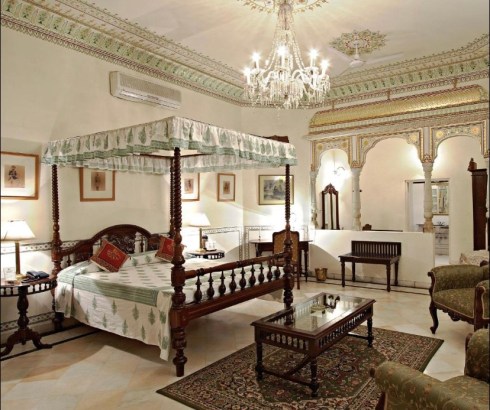
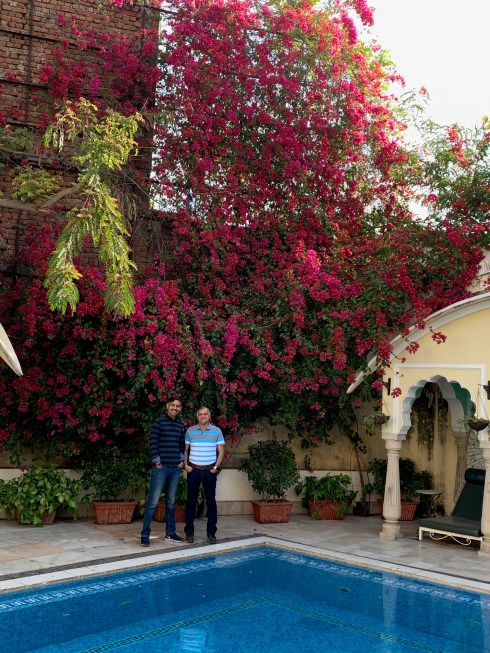
The property is picture perfect, the rooms are divine, the food is average and the service could have been better .

A 200m walk from Alsisar Haveli is a second option – an efficient budget option called Hotel Arya Niwas. We had stayed here in 2003 and loved the place. We did drop by for breakfast and lunch. The place now is larger with a new annexe and still provides the same level of efficient service.

How we spent the 2 1/2 days at Jaipur

When you plan a trip to Jaipur you have to try and cover a lot – Forts, Palaces, Cenotaphs, Food, Bangles, Quilts, Joothis…. the list is long. But yes you can do justice to almost everything in 2 1/2 days if you follow this plan.

Day 1 we land at 11.45 AM 

Our Indigo flight from Bangalore landed on time. Jaipur has a small and efficient airport and we are out in less than 10 minutes. The waiting Innova takes us to our Haveli. Its a 15 min drive and we check in before 1230. The rooms are yet to be ready so rather than waste time we head to Laxmi Mishtana Bhandar (LMB).

In 1727, when by Maharaja Sawai Jai Singh II, the ruler of Amber, founded the new capital city of Jaipur, he invited traders and artists from nearby towns to the newly built city, amongst them were a group of halwais, who set up a small sweet shop in Johri Bazaar. Years later in around, 1949/1950, one of the descendants of these halwais, Maliram Ghodawat, branded this sweet shop, as the Lakshmi Mishthan Bhandar (LMB)
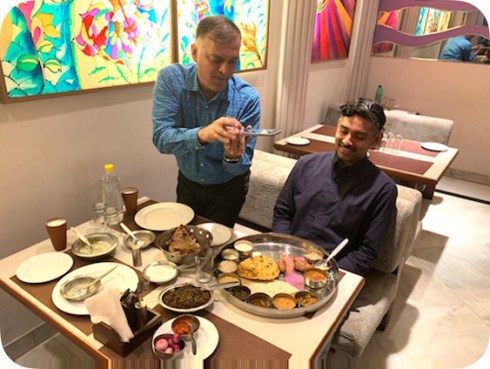
LMB is famous for its restaurant and sweetshop on the street-level. The restaurant serves pure vegetarian food and is known for its Rajasthani thali, Dal bati churma, and kulfi. While I experimented with Kair Sangri (a traditional spicy Rajasthani dish) my friend explored the Rajathani Thali. Food was delicious and rich. We treated ourselves to Kulfi’s and Rasmalais to end a satisfying meal.

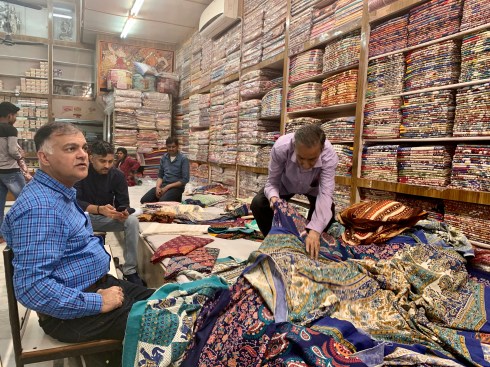
A short drive from here passing the iconic Hawa Mahal is the City Palace. Having been here in the past we spent 45 min and covered ground fast before heading to Rajasthan Shilp Gram Udyog that is located close to on the Exit gates. A huge shop (Private) you can find an excellent variety of traditional items – all good Quality (My friend who has bought many times from here assured us of their quality). Excellent variety and very affordable prices. we ended up buying a few quilts and bedsheets.
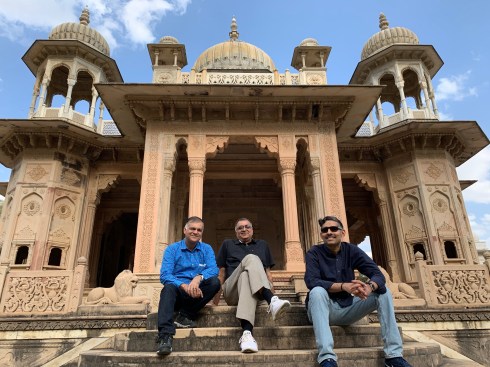
It was almost 4 PM by now and we headed out to a place called  Gatore Ki Chatriyan – Cenotaph of the Kings. The Taxi driver, a local did not know about this place and we were happy to find at sunset a beautiful and empty place that housed the remains of the royal Kings. Its a photographers delight, do take a guide – you can easily spend 1 hr here.
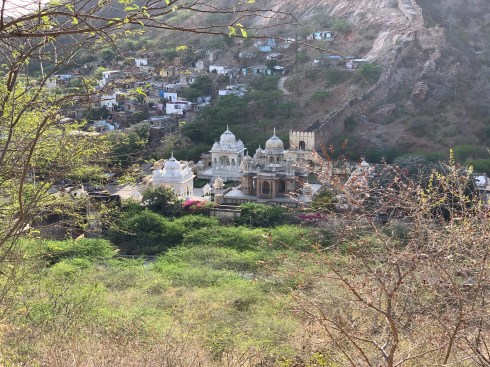
Next to the Cenotaph is a set of 400 steep steps that takes you to the Garh Ganesha temple – which was the temple set up by the 1st king when he started laying the foundation of the city of Jaipur. The climb is a nice exercise and can substitute for your daily gym workout. The view of the city from the top is breathtaking – but thats when you realise that Jaipur is no longer a Pink city.

From here we headed to Saraogi Mansion (The underground market has a nice store that sells unique children toys) and then walked the bye-lanes of Bapu Bazar. This is the best place to get all things Rajasthani – from dresses, bangles, joothis, bags, mouth fresheners… and you can bargain.
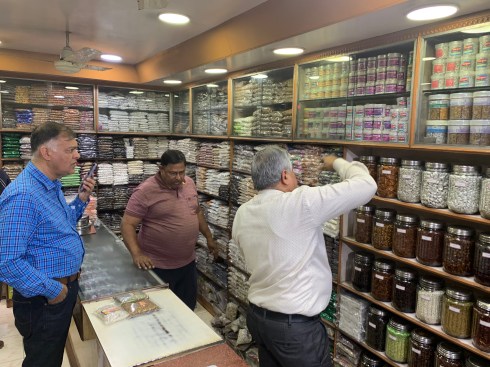
Jaipur has many markets and most of them are adjacent to each other. Markets are clean, it was empty but can be very crowded in peak season so be careful of pick pockets.

• Johari Bazaar – For Jewelry
• Tripolia Bazaar – For Bangles
• Chandpole Bazaar – For Handicrafts
• Kishanpole Bazaar – For Textiles
• Nehru Bazaar – For Traditional Jootis
• Sireh Deori Bazaar – For Street Shopping
• Bapu Bazaar – For All Jaipuri Items
• Mirza Ismail Road (MI Road) – For Pottery
• Tibbati Market – For Local Souvenirs
• Anokhi – For Colorful Garments
• Gaurav Tower – For Local Products
• The Gem Palace – For Antique Charms
• Kripal Kumbh – For Blue Pottery
• Aravali Bazaar – For Home Decor Items
• Purohit Ji Ka Katla – For Wedding Items

We had covered a lot for 1/2 a day and now it was time for dinner. The heavy lunch was still making us feel guilty and hence we went to a place called Masala Chowk. A few minutes drive from Bapu Bazar next to the Albert Hall – Masala Chowk is a new Food Market  that houses all the famous local eateries in one place.
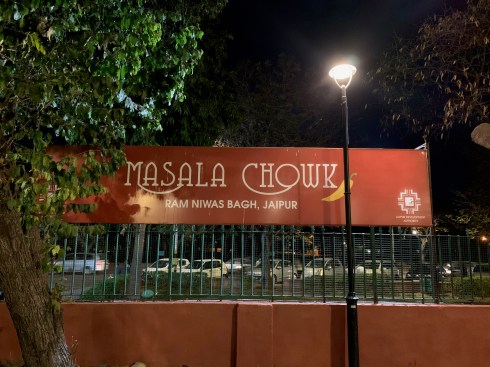
Masala Chowk is a one-stop place to end all of the street food cravings. This new destination for Street Food in Jaipur is an open food court in Ram Niwas Garden. The place acts as a home for all prominent local cuisines. The common open sitting gives the families and friends freedom to choose from the vast varieties of street foods. This place was intended for the tourists and has gradually turned into a favourite hangout spot for the residents of Jaipur. Masala Chowk has all the traditional Rajasthani dishes from leading stores like Rawat, LMB etc. It also has street food  like Samosa, Jalebi, Gol Gappa, Chole Bhature, Tea, Mishri Mawa and also South Indian Dishes like Masala Dosa and Uttapa but in a different style. This world of mouthwatering food has an entry ticket of INR 10 only. Masala Chowk is one of the best places to eat in Jaipur.
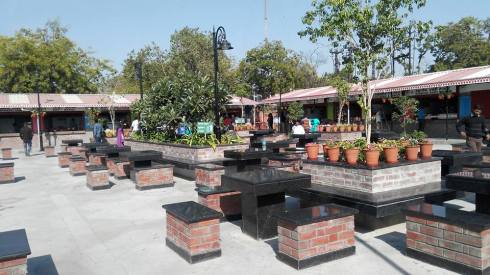
We did try a lot of tasty dishes but the freshly made Jalebis was the icing on the cake.We drove past the well lit Albert Museum and headed back to our Haveli. We were home by 10PM. Teetotallers that we were – we ended up chatting and listening to old Kishore Kumar music before calling it a day.

Day – 2 : A few Forts and more 

We start day 2 at 9 AM and head to the Nahargarh Fort. Its a 20 min drive up the hill with sparse rugged vegetation. The Nahargarh Fort stands on the edge of the Aravalli Hills, overlooking the city of Jaipur. Along with Amer Fort and Jaigarh Fort, Nahargarh once formed a strong defense ring for the city. The fort was originally named Sudarshangarh, but it became known as Nahargarh, which means ‘abode of tigers’. You can get an excellent view of the city from here. Its a large fort, mostly empty and has rustic beauty. Most tourists give this fort a miss. Budget 30 – 45 minutes for seeing this place.
The next in line was the Jaigarh Fort. A 10 min drive from Nahargarh it overlooks the Amer Fort. The fort was built in 1726 to protect the Amer Fort and its palace complex. Rugged and similar in structural design to the Amer Fort it is also known as the Victory Fort.  The fort features a cannon named “Jaivana“, which was manufactured in the fort precincts and was then the world’s largest cannon on wheels. Jaigarh Fort and Amer Fort are connected by subterranean passages and considered as one complex
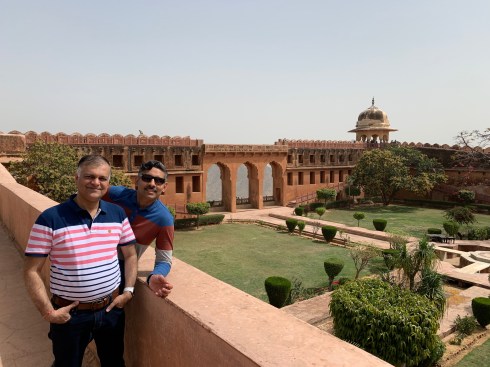
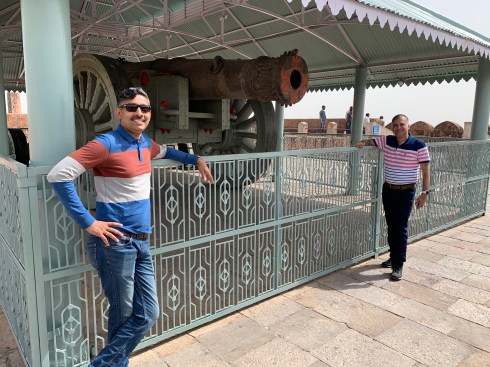
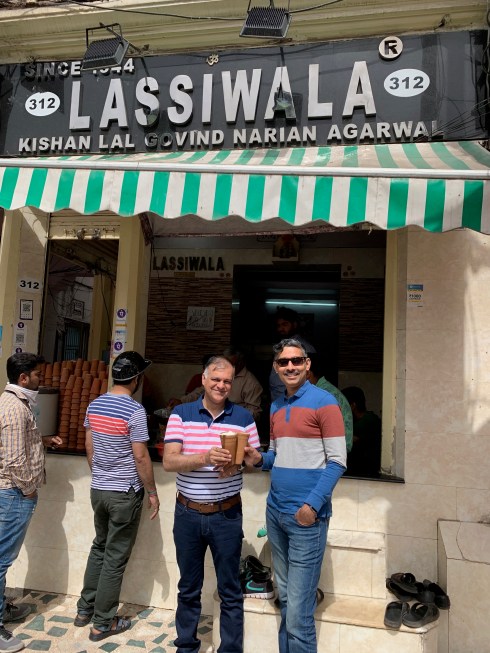
You can get an excellent view of Amer Fort from Jaigarh. After the two Forts we had plans to head to the village of Abhaneri which was home to one of the grandest, deepest step-wells in the country. Abhaneri is ~ 100 Km from Jaipur and a 90 minute drive on the highway. The walk in the Forts had made us thirsty and it was almost 11 AM. Before heading to Abhaneri we stopped by at Lassiwala – the famous lassi joint of Jaipur. Lassiwala is located at 312 MI Road, Jayanti Market, New Colony. Dont miss this – the Lassis is delicious and filling and served in large Kulhads.
The highway drive to Abhaneri got us out of the city to rural Rajasthan. Summer was on the anvil so the fields were still green – we were in Dausa the territory of Sachin Pilot. Roads were good (too many toll gates) and we passed by a small town that specialises in stone carvings before reaching the small village of Abhaneri.

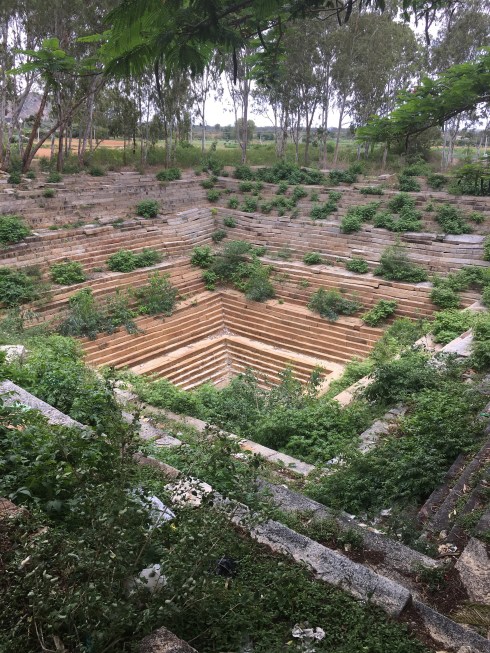
Chand Baori is a step well that is over 1000 years old. It is one of the largest and oldest step wells in the world extending almost 100 feet deep. The baori has precise geometrical patterns and the steps form a maze and the play of light gives it a captivating look.  This place has been used as a filming location for a number of films including Paheli, Bhool Bhulaiya & The Fall. Next to the well is an ancient temple in ruins.
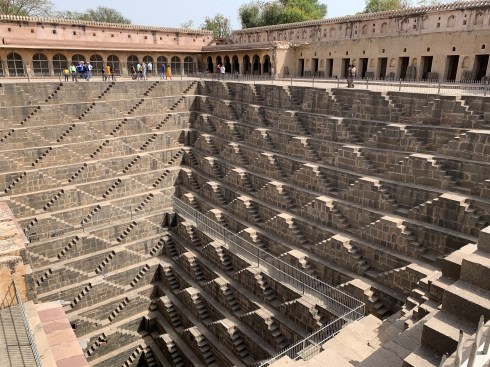
On the way back we stopped at Umaid Lake Palace for lunch – a very nice resort on the highway about 30 min from the step well on the way back to Jaipur. We were the only folks at lunch. Food was fresh and tasty – it was almost 2.30 PM and we were hungry. The trip was fun and a nice getaway from the city – but the step well was a bit disappointing. One of those things which looks and reads better on the Internet.

We reached Jaipur at 5 PM , just in time for me to freshen up and meet my college buddy – an IAS Officer who has now become the Commissioner of Jaipur Development Authority. I congratulated him on the wonderful upkeep of the city and we caught up on old times and old friends dating back to 1988 – 92. My friends picked me up from the JDA office which is just opposite the beautiful Birla Mandir. It was already 6.45 and the entry hours were over so we could just see the temple from outside. As we headed to the markets we stopped by at LMB for some Pyaj Kachodi and Chai and then walked by Hawa Mahal. Most tourists would do that but we had plans to come back and visit Hawa Mahal from the inside the next day.  At the Markets my friend bought bangles (Remember to carry sample bangles for size). After shopping for colourful knick knacks we headed out for dinner.

We had had enough of local cuisine and decided to try out a place called Cafe & Bar Palladio – a highly rated Italian restaurant that is frequented mostly by foreigners. Its located at Narain Niwas palace and is part of a 3 restaurant complex. The ambience is nice, the interiors are done up in my favourite color Blue, food and drinks are reasonably priced but the taste of food was OK. We ended the day by 11 PM and reached our Haveli tired for a good nights sleep.
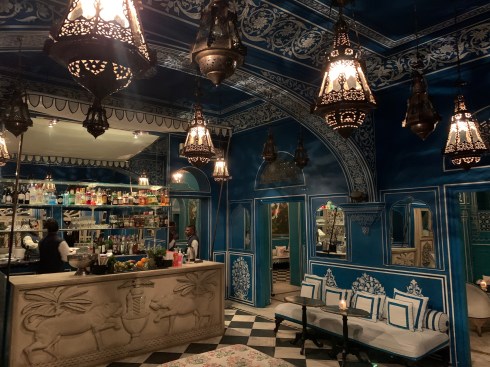
The last day – Day 3 

We had covered a lot in the last 1 1/2 days. But we still had the most prominent landscapes of Jaipur – Hawa Mahal & Amer Fort to be covered.

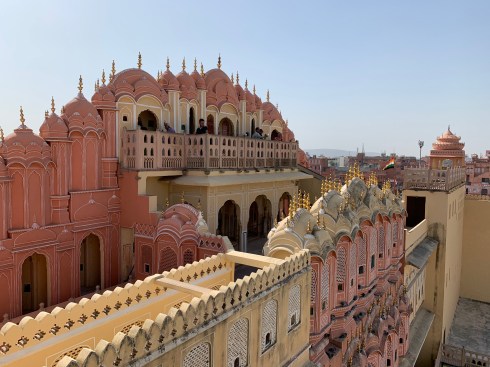
Hawa Mahal  is a palace made with red and pink sandstone. The palace sits on the edge of the City Palace, Jaipur, and extends to the Zenana, or women’s chambers. The structure is relatively new – built in 1799 by Maharaja Sawai Pratap Singh, the grandson of Maharaja Sawai Jai Singh, who was the founder of Jaipur. Its unique five floors exterior is akin to the honeycomb of a beehive with its 953 small windows called Jharokhas decorated with intricate latticework. The original intent of the lattice design was to allow royal ladies to observe everyday life and festivals celebrated in the street below without being seen, since they had to obey the strict rules of “purdah”, which forbade them from appearing in public without face coverings. This architectural feature also allowed cool air from the Venturi effect to pass through, thus making the whole area more pleasant during the high temperatures in summer. Many people see the Hawa Mahal from the street view and think it is the front of the palace, but in reality it is the back of that structure. Most people just walk by – but do buy a ticket and venture inside. Its a fascinating piece of architecture.
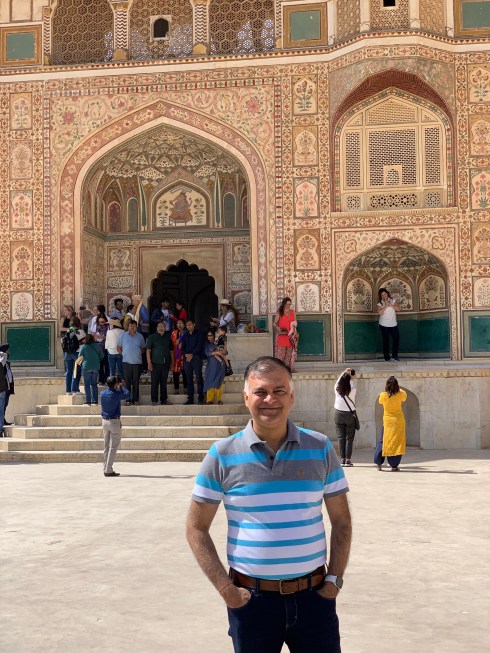
Our next stop was Amer Fort. It is the principal tourist attraction in Jaipur. Amer Fort is known for its artistic style elements. With its large ramparts and series of gates and cobbled paths, the fort overlooks Maota Lake, which is the main source of water for the Amer Palace. We had visited Amer Fort in 2012 as part of the Palace on Wheels Tour and I recollect we had seen areas which are not accessed to normal tourists. The fort is large and could take 2 – 3 hrs to cover, but we were faster.
On our way to the hotel to check out by 12 Noon we picked up Ghewar from LMB (A traditional Rajasthani sweet) and then had lunch at Arya Niwas. This is a nice hotel that provides clean rooms and homely tasty food. We had a simple meal of Phulka, Dal, Dry Sabji (No Gravy), Curd Rice and Kheer.

Post lunch we drove past the Vidhan Soudha, Cricket Stadium, Rambag Palace Hotel (Managed by Taj) and stopped by  at WTP or World Trade Park. A large complex that is beautifully designed across multiple towers. I would rate this as one of the nicest malls in India. From here I rushed out to meet another classmate – who heads the Bharat Broadband Org for Rajasthan and then we headed to the airport at 630 PM in time for the 745 PM flight. Jaipur airport is nice – they even have TT tables and Chess Boards to keep you entertained.

We did cover a lot –  we wanted to visit Tapri, a popular tea joint but did not have the time. We had plans to visit the Galtaji Temple – but I believe the surroundings are not very clean. Sisodia Garden is a nice place to hang out in the evening and if we had an extra night maybe we would have headed to Saltwater Sambhar Lake (70 Km from Jaipur). Another place worth visiting would have been the Anokhi Museum of Hand Printing (AMHP). Located in a magnificently restored haveli, the museum displays a varied selection of block printed textiles alongside images, tools and related objects – all chosen to provide an in-depth look into the complexity of this ancient tradition. And of course we stayed away from Surana Jewellers famous for its uncut diamonds and semi precious Gem stones. Most first time visitors would also plan an evening at Chokhi Dhani, a well-known tourist attraction in Jaipur. The aim of the resort is to give tourists a full experience of Rajasthani culture. The entire resort’s theme is inspired by a village setting, with many cultural activities held here.

Jaipur is a fascinating city – most metros have direct flights so that makes it easier. Plan a 2 – 3 day trip and you can cover the city in detail. it really helps if you have a local from Delhi / N India who can help you navigate the city. Oct – to early March is the best time to travel.

In conclusion a trip that was threatened by the Corona outburst did end up perfect. Even that last day storm at Delhi did not disrupt our flights. Thanks to Corona – the city / flights / eateries were empty. The weather was nice – and I would give credit to all of this to my two good friends whose +ve energy makes these holidays a grand success.
All photographs shot on our iPhones (Only Masala Chowk Photo sourced from Google Images)
Himalaica – Calm, Serene, Meditative luxury home stay in Kumaon

9 Oct

Kumaon in Uttarakhand is one of the few easily accessible lower Himalayas that is still fresh, green and beautiful. I hope it stays that way.

Delhi – Kathgodam Shatabdi gets you to Kathgodam by 11.30 AM and in less than 60 mins you are in the beautiful hills with dense forests. Driving is a long way  8 – 9 hrs. I love this region and am always on the lookout for offbeat home-stays.

It was by chance that I read about Himalaica in a National Geography article and instantly fell in love with the place. I normally plan my trip 6 months in advance – but this time everything fell in place in less than 10 days. Rooms, Shatabdi tickets on exactly the dates we wanted, free nights at Delhi Hyatt and air tickets that were not very cheap. Everything went like clockwork precision – Weather was excellent, Flights were on time, the Hyatt Regency & Andaz extended great hospitality and dinner with the Marwah’s –  the nicest people you can meet in NCR made the whole trip perfect.

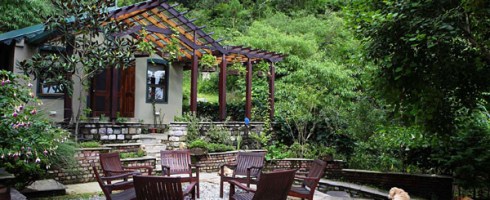
Himalaica is the home of Uttam & Shalini Dave. They built this home with a lot of love over 3 long years. Its a green oasis on 1 1/2 acres of hillside at Bhowali (1 hr from Kathgodam and 30 min from Nainital). A lot of thought has gone into the design, the plants, the curios, the beautiful dogs  and everything that makes this a special and warm place. I can never imagine owning a place like this and staying her for 4 days was like a dream come true.

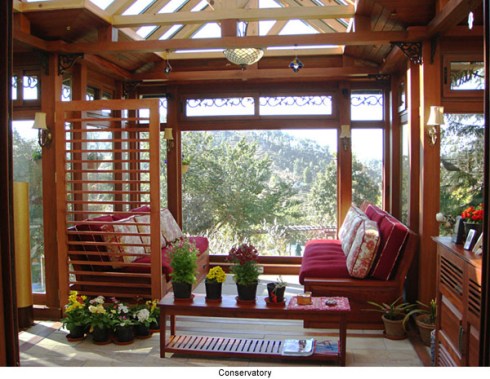
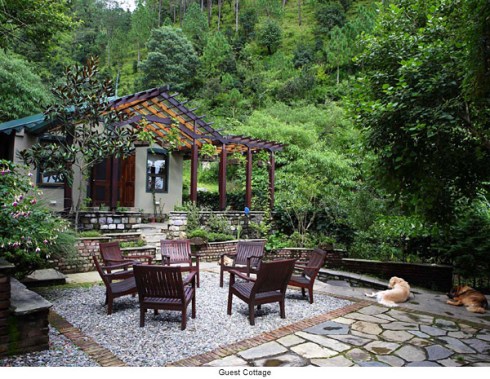
The main building has 4 rooms and the adjoining cottage 2. It would be ideal to come as an extended group and book the full place. The highlight of Himalaica is the conservatory – a glass house that overlooks the garden. The photo shows you a part of it. There are 3 sections here- one with two comfy chairs and the other with a small breakfast table. The conservatory is packed with rare plants and curios. Shalini clearly loves owls – we must have seen at least 50 different statues and figures of owls in the conservatory.

The Ground floor houses the kitchen, dining room, a sitting room with a cozy fireplace and a TV room stocked with a great collection of DVD’s. There are  4 rooms are in the 1st floor – a study, a 2 bedroom unit and a single bedroom. Leading from the kitchen in the rear is the cottage with two rooms. The cottage rooms are smaller but offer more privacy. The front of the building has a nice garden and when you sit there with a book you can hear a wide variety of birds and bees and the gurgling sound of a hidden stream that runs adjacent to Himalaica.

The staff are warm and friendly and The chef  serves you tasty homely food. A wide variety from North Indian, Kumaoni to even french fries & pasta. Both veg & non veg. We loved the food especially the Kumaoni dinner that he made for us – Ram Karela, Bhatke Dubke, Lauki with Dahi, Kumaoni Raita, Cabbage Sabji  from the Cabbages we plucked in the fields in the morning.

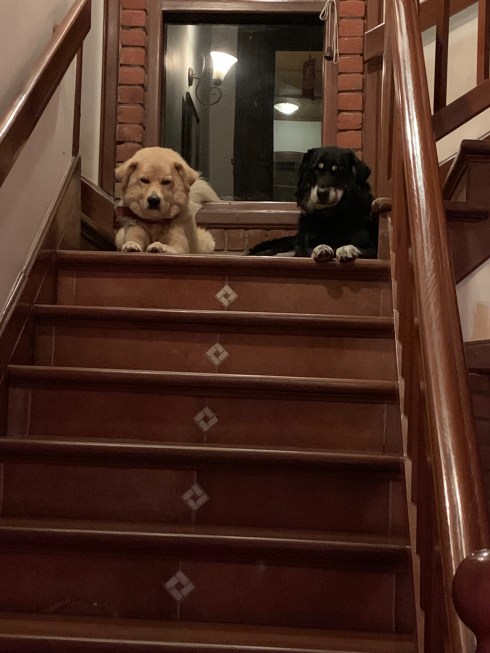
They also have 3 adorable dogs – Cyber, Raja & Llama. I overcame my fear of dogs a few years back thanks to Caesar & Sparky, but these dogs were so adorable that my wife and daughter who are normally scared of dogs fell in love with them instantly and were very comfortable.

With a fairytale house like this you may not want to step out – but if you do here are a few options to explore

  1. A short 3 hr trek to Jhandidhar from where on a clear day you can see the snow capped mountains of Uttarakhand. The peak also has a small Shiva temple and a Sadhu in a hut with his Dhuni
  2. A drive to Padampuri – 20 Km from Himalica , where on the banks of the Khalsa river is the ashram of Somvar Baba – 3 Hr trip. The Khalsa is one of the few himalayan rivers that flows North.
  3. A trip to Nainital for boating & lunch / dinner – 3 Hrs
  4. A day trip to Jageshwar and stop by at Kainchi Dham (Neem Karoli Baba) and a few other Ashrams / Temples
  5. A British cemetery that is considered spooky by many

Weather at Himalaica 

At 6500 feet – it was cold in Oct. We were lucky as the rains had stopped on the day we reached so everything was lush green. In early Oct the morning and evenings were 11 – 12 Degrees. In Dec – Jan they can get to Zero or below. Rarely snows here. Oct, Nov, Dec and April would be the best time to visit.

Getting to Himalaica 

Its a 1 hr drive from Kathgodam , its better to get down at Haldwani as Shatabdi takes almost 30 min to travel this 5 Km distance. Madhusudan is my regular driver – a friendly young man full of positive energy who is both a driver and guide. You can contact him at +91 9756930090. His rates are very reasonable.

How to contact Himalaica 

Suggestions to the Host 

Room rates are reasonable for such a splendid property. Should explore including breakfast  in the room rate and make Lunch / Dinner more affordable. Currently a family of 3 over Breakfast / Lunch / Dinner will spend 9K on food @ Rs 1000/- meal. Thats expensive. A more reasonable rate would be Rs 500 for Veg and Rs 750 for Non Veg.

Thats Llama & Cyber. They are great buddies. Raja is slightly older and is a loner. 


Comprehensive guide to plan your Holiday to Vienna – Prague – Budapest – Amsterdam

29 May

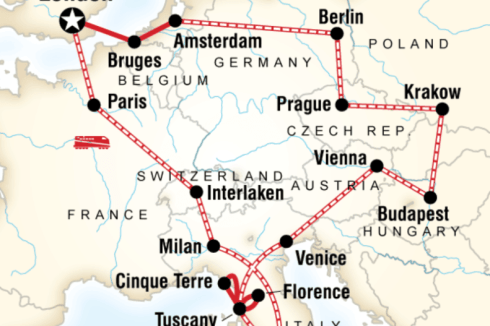
Planning an international holiday across multiple non-English speaking countries is always a challenge. The tradeoff is between Experience, Cost and Flexibility. This was the first challenge I faced while planning a European Holiday to Vienna – Prague – Budapest – Amsterdam.

Do we stick to group tours or do we plan it on our own?

Initially I was not confident if I could do it on my own and explored the standard packages from SOTC, Make My trip, Cox & King and other established players. None of them worked out. They were rushed 7 – 8 days trips with no flexibility, most departures were Ex Mumbai / Delhi, the cheapest flights at unearthly hours and a lot of travel by Bus at night. A holiday with a bus full of noisy Indians and Indian food was not something to look forward to. Add to this it was not working out to be cheap. A 7 Night package costs ~ 1.5 Lacs/ person with the above limitations.

We worked out a Via media solution. We took the help of Marwell Travels for booking Tickets and Visa Documentation/Appointment but the rest of the stuff we did by ourselves and it worked out pretty well. We covered 4 Countries, 4 Cities in a 12-night 13-day Trip for almost the same cost as what the large Travel companies were charging for a 7-day trip. We covered all the important sights and more, had the flexibility of spending more time at places we liked, enjoyed local cuisine, and had a great holiday.

As I went about the exercise I could not find a lot of information and this Blog should help you plan your trip if you decide to visit these Countries.

What is a good time to Travel to these countries?

Winter in these countries lasts till March/ April and is harsh with subzero temperature. Summer starts from June. So, the best time to travel is from June – August. We visited between May 15th and 28th. It was cold by Indian standards 10 – 15 Degrees and were lucky to get sunny clear days almost all thru the trip. Since schools in Bangalore tend to open by early June this is the best window you can get. You don’t need thermals but do arm yourselves with pullovers, sweaters, jackets and warm caps. No shorts & half sleeves.

How easy is to get a Schengen Visa?

There is paperwork involved. But if you follow the instructions it’s easy to get an appointment and Visa. Remember you need to apply to the country which is your first point of entry. For E.g. we did Vienna – Prague – Budapest – Amsterdam, so we applied for an Austrian Visa as Vienna was the first point of entry. The cost of a Schengen Visa is 60 Euros or ~ Rs 5000/-. While applying for a Visa in addition to Bank Statements and Tax papers you also need tickets, Hotel confirmations and Itinerary – It helps to have a Travel Agency aid you with these. Marwell Travels helped us with ( +91 9810078093, +91 11 24619259).

What is the best route plan to cover these countries?

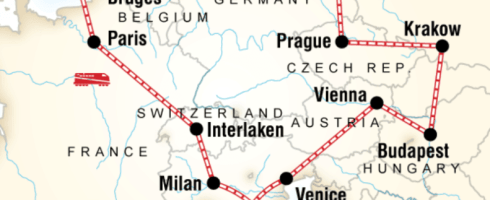
Budapest is at the Southernmost tip and Amsterdam is at the Northern end. Since Train Travel is the most efficient way between these cities you must start your trip from Amsterdam or Budapest.

If you start your trip with Amsterdam you may just be able to catch the last few days of the Tulip season which normally lasts thru April – Mid May. Our route was Vienna – Prague – Budapest – Amsterdam. This was not ideal because Vienna is located between Prague & Budapest and the train time is ~ 3 Hrs from Vienna to both these places. Our Vienna – Prague train journey was 3 hrs. but the Prague – Budapest journey was nearly 6 hrs. And Budapest to Amsterdam was a flight. This is a learning so please optimize your travel.

Prague – Vienna – Budapest forms a nice East Europe Trip; do we really need to include Amsterdam in this itinerary?

Amsterdam is closer to London & Paris and is part of the W Europe tour. Most Indians start their Europe Holidays with London / Paris / Switzerland / Italy / Amsterdam……. So why did we include Amsterdam? I was fascinated by the city when I visited a few years back and wanted the family to see it. Also, at the time of booking in Jan 2019, Jet Airways had a direct Bangalore – Amsterdam flight and that was a big plus since all other flights was with a stopover in Dubai. If you want to stick to an E Europe itinerary I would suggest you skip Amsterdam and add Krakow or Bratislava to your plan. Both these are accessible over a short train ride from Prague.

How much time should we spend in each of these places?

The place with the most to see is Vienna. Budget a minimum of 4 full days here. You need 2 full days for Vienna and there are a few day trips to Salzburg, Hallstat and Obertraun that you could cover from here. We had 4 nights at Vienna but since we landed at 9 PM and left for Prague by the 9 AM train we effectively had only 3 full days. On hindsight we should have had a day more. Prague you can cover comfortably in 2 ½ days and Budapest in 2 days. So, budget 3 nights in each place. Amsterdam budget a minimum of 3 nights and if you do Krakow instead of Amsterdam you need 2 nights.

How to choose the right Hotels, expensive are hotels in these cities? Where did we stay.

Stay in a Hotel that is centrally located. You need clean rooms, breakfast and Wi-Fi. A centrally located Hotel or B&B is the best option. Most expensive to Least would be Amsterdam – Vienna – Prague – Budapest. Cost in Budapest is comparable to India. For a family of 4 booking two hotel rooms can be expensive. We did all our reservations from Booking.com – we booked family rooms that could comfortably accommodate 4 in the heart of the city. These were clean, efficient B&B – don’t expect room service and porters to carry your luggage. Almost all days we left in the morning at 8 AM after breakfast and were back at 9 PM after dinner. When you reserve thru booking.com you don’t need to pay, you pay at the hotel and can cancel till 1 week before with no liability.

Vienna – Pension Blackman. Small family owned property with 15 – 20 rooms in a Central locality of Vienna. It’s a 20 min drive from the airport. And a 25 min walk to the Opera House – Central point of Vienna. The Railway station is a few kilometers away. The tram station a few minutes away. The room and bathroom were small but well designed with just about enough space for 4 (1 Double, 2 Single) and lots of storage space for suitcases and closets. Room cost was 11K/ Night. Added advantage – Tulsi a lovely Indian restaurant is a 10 min walk and Angelo an authentic Italian restaurant is right across. The front office is open till 9 PM so if you are reaching after 9 PM send them a mail and they will tell you how to collect the keys from a password protected Lockbox and access the room. We reached at 10.30 PM and were a little worried – but it worked beautifully. (http://www.hotelbleckmann.at/en/)

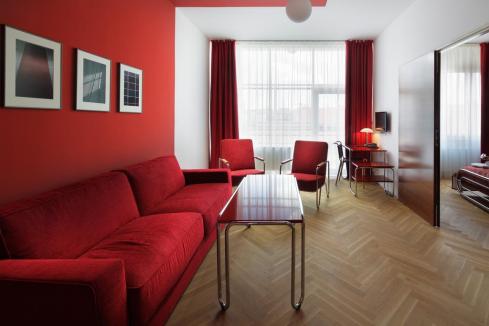
Prague – AXA Hotel. An excellent hotel located in the heart of Prague. We had a suite with two rooms – very spacious rooms and bathroom. Breakfast was a lavish spread. A few kilometers from the main station. Rooms were economical – 357 Euros for 3 nights or ~ 9K INR / Night. (http://www.axa-hotel.cz/en/)

Budapest Bed & Breakfast – This was an apartment with 3 rooms in a heritage building in PEST near the University. Very close to the National Museum and Jewish Synagogue and 100 meters from the arterial road. It’s a 5 min drive from the Nyugati Station. Again, a great location. We had a large room for 4. Newly renovated, facilities. Budapest Bed & Breakfast is run by 2 friends and between them they operate two facilities with a total of 8 rooms. Cost / night was 8 K.

Amsterdam – Prins Hendrik. This hotel is on a 450-year-old heritage property right opposite Amsterdam central. Dam Square is a 5 min walk. You can’t find a more central place than this in Amsterdam. Our room was very spacious and accommodated 4 very comdortably. The view from the room is excellent overlooking the river and Central station. Cost was 22 K / Night. (http://prins-hendrik.hoteleamsterdam.net/en/)

All the hotel rates included Continental Breakfast. Nothing is hot cooked – so you can get boiled eggs but no omlettes. Vegetarians can manage easily with Cereal, Bread, Bakery Products, Fruits, Juices, Milk etc. (If your kids need Boost carry a pack with you). Rates also include free unlimited multiple access to Wi Fi. Internet speeds are fast here.

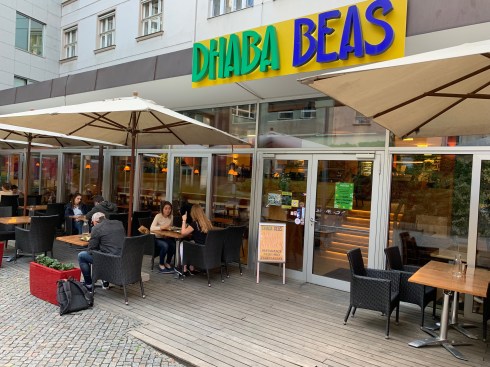
Although not planned all the 4 hotels ended up being close to Indian restaurants which was a bonus. At Vienna we had Tulsi – a 10 min walk from our hotel. At Prague we were surprised to find Beas Dhaba a Sattvik Veg Buffet run by localities 2 min walk from the AXA Hotel. And at Budapest Curry House was our neighbor. Their sister property Rajkot Place located 15 min walk from our accommodation was an outstanding place. And at Amsterdam, Gandhi was 200 m from our accommodation.

How far were these properties from the Station / Airport?

We took a cab at all locations. With a lot of Luggage and being new to a city we did not want to experiment with local transport. At Vienna the cab from the airport cost us 25 Euros and a drop to the Station was 12 Euro. At Prague & Budapest it was about 10 Euros from the station to the hotel. Cabs are available in plenty at Vienna and can be booked with Uber. Schiphol at Amsterdam is 25 Km from the city and the Cab fare here is 50 – 60 Euros

Is the currency Euro everywhere?

In Amsterdam & Vienna it is Euro but in Prague & Budapest it is different. Florint in Hungary and Koruna in Czech Republic. 1 USD = 293 Florint and 1 USD = 23.2 Czech Koruna.

How about food – can Vegetarians manage?

We are vegetarians and managed very easily. Almost every second restaurant is Italian serving Pizza & Pasta. A meal for 4 in an Italian restaurant will cost you about 30 Euros. There is no dearth of Indians Restaurants – takes more time and is more expensive – a meal for 4 can be Euro 60. (Both rates without drinks). We had decided to minimise eating in Indian restaurants and ended up visiting only once in 2 days. Here is a link to the best Indian restaurants in Budapest – https://expat-press.com/indian-restaurant-guide-budapest/

High-speed data SIM is a must have

These are DIY Countries. You need to hunt out everything on your own. Locals are indifferent and not very helpful. Ensure that you have a good data Plan on your phone. You get High Speed Wi Fi everywhere – Hotel, station, airport , restaurants, bus, train, museums…. The only place where Wi Fi is missing is on the road. To use Google Maps, Uber and hunt for places while on the road you need a good data Plan.

How do you go about sight-seeing in these cities?

The best way is to buy a Pass. All the cities have Travel passes with different benefits. These provide you free access to almost all the attractions. They also include free access to the Hop On – Hop Off bus / Boat. Some passes include access to the Local Transport. While others also include day trips to surrounding areas.

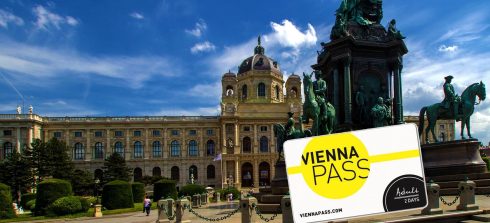
The Vienna Pass is the best of the lot. It gives you free access to almost all the attractions and access to the Hop on – Hop Off Bus. Day Trips to Salzburg and other nearby locations booked thru the same company entitles you to a discount. You can book this online and collect the pass from their office near Opera House (It’s in the subway opposite to the Opera House) We got a 2-day Vienna Pass and also booked the Salzburg trip through them. (2-day Pass Cost for Adults – 95 Euros, Children – 47.5 Euro. If you book online in advance you get a 10% discount). https://www.viennapass.com

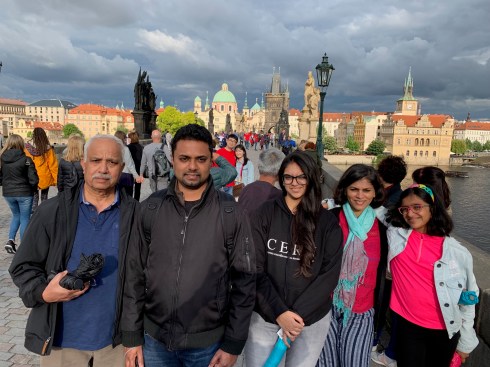
I suggest that you don’t buy the Prague & Budapest pass. You can cover Prague on foot easily. Walk past the heritage Old Town and cross the Charles Bridge to the Castle on the other side. There is no need for Hop on Hop off bus at Prague. You can book your outstation trip from the hotel. We did a day trip to UNESCO Heritage Town of Kutna Hora.

At Budapest just book the Hop on Hop off Bus for 2 days. You can do that after landing at Budapest. You will find signages all over the place. Even the Hop on – Hop Off Bus has two companies; City sightseeing seems to be the the more popular one and operates in multiple countries. (Please note that in Vienna & Amsterdam the day pass will include the Hop on Hop Off Bus)

At Amsterdam you must book the day pass. Like Vienna it’s an excellent pass that gives you access to all the major sights and also includes the Hop on Hop off bus and Boat.

While the Vienna pass has no competition at Amsterdam you can choose between Amsterdam Pass or the I Amsterdam City Card. Check out the pros and cons of both. (https://freetoursbyfoot.com/amsterdam-city-passes/).

We had Amsterdam Pass – it’s a relatively new company and the frequency of the bus was less compared to the other company.

Important – Even with a day pass you need to get physical tickets for the attractions, but in most places, there is a VIP Q for pass holders. They scan the pass and issue tickets – no cost is charged.

Be prepared to walk 10 – 15 Km / day. So, get good walking shoes and with so much walking small kids may slow you down, so it’s best to plan this Holiday when your children are 10 +

Using Trams/ Cycles/ Scooters etc 

There is no dearth of local transport options. All these 4 cities had Tram Lines, Buses, Metros, Cycles, Scooters and many more options to move around the city. We saw them everywhere.  All of them are App based. If you are spending a longer time you must explore these options to travel around the city. It can minimise your walking.

What are the main sites in these cities

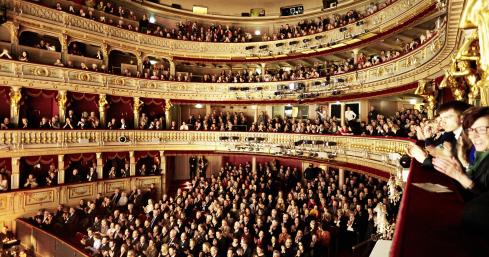
Vienna is all about Palaces, Museums & Churches. Don’t miss a live Opera show at the Hofburg Palace or the Opera house. Tickets at 45 – 50 Euro / person are expensive – but it’s worth the experience. Do a day trip to Salzburg its 7 AM – 8 PM. It’s a beautiful town where the movie Sound of Music was shot. Hallstat and Obertraun are other beautiful locations for day trips.

There are two Palaces – the Schonbrunn palace and the Hofburn palace complexes. Both are massive. Vienna also has the world’s oldest Zoo – very well maintained. The Heritage Tram ride will give a nice overview of the city in 30 Minutes. All of these are covered by the Vienna Pass. Hero Square is a nice central square in the middle of the summer palace complex.

Prague old town is a beautiful place dotted with ancient churches and quaint stores. Prague is famous for Crystals and Garnet. You cross the historic Charles Bridge to reach the Prague Castle. One of the largest castle complexes in Europe. The Jewish Town is also a nice area to walk by. All of this can be comfortably covered in 1 ½ days leaving you with a day for an out-station trip. We went to the UNESCO heritage town of Kutna Hora. Also taste the unique dish at Prague called Trdelnik – Its like a barrel shaped sweet donut with chocolate coating inside.

Budapest is two cities – Buda & Pest. Most of the places to see are in PEST. Buda is across the river and houses the castle. Buda is green and less commercial but has almost no veg restaurants. The Museum, Jewish Synagogue (The largest in Europe), the Giant Wheel, Michelangelo Museum, a beautiful basilica are other places to visit. Budapest also has a Hero Square right next to the Michelangelo museum. And do spend a few hours at the Thermal Baths – Budapest is famous for them. By the time you reach Budapest there would be some fatigue of seeing too many castles and churches.

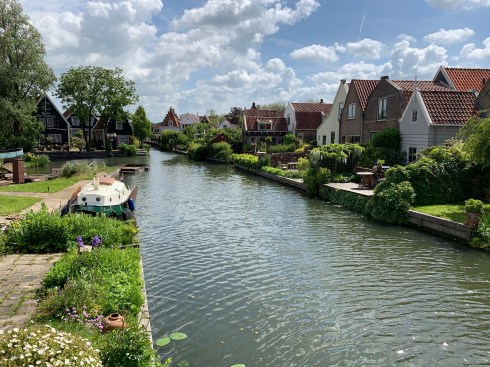
And Finally, Amsterdam. The pass which includes the Hop on Hop Off is the best way to explore the city. It includes the Bus and Boat and covers all the attractions. The RIKS Museum and Van Gogh Museum are world famous and a must visit. But in the same locality is another new museum called the Moco Museum – do visit this also. The Maritime Museum is outstanding – so budget a few hrs for this. Close to this is the Dapper street market and a Science Museum for Children. Take the free ferry from behind the station and visit “I am Holland” and Adam Towers. The 45 Min “I am Holland” show is a 5D show that gives you a nice coverage on the history and sights of Netherlands. Outstation Tour Buses also start from here. We took a ½ day Trip (9 AM – 2.30) to Volendam & Zanse Schans. The tour takes you to the beautiful countryside and some rustic idyllic villages.

We visited the Windmills, A cheese Factory, and some rustic Fishing Villages. Normally priced at 60 Euros this was part of the 2-day pass. (But you need to go online book the tour a day in advance). Do visit Rembrandt’s house and right next to it is Gassan Diamonds. Close to the central station is the area called DAM which is the largest central square of Amsterdam. The place is full of shops and the bye lanes sell Marijuana Cakes – the smell is all over the area and can give you a headache. Amsterdam’s famous Red-light area is also a short walk from here.

Budapest & Amsterdam also have large Zoo’s but if you have seen one in Vienna then you can skip these.

Card Vs Currency

Credit cards are widely accepted in Vienna and Amsterdam. Most places in Budapest & Prague prefer Cash in local currency. If you are withdrawing cash from your debit card lookout for Bank ATM’s

How to Book Train Tickets and how expensive are they?

Trains are efficient and fast in Europe. They travel at 125 km / hr and the 350 Km distance from Vienna to Prague can be covered in 3 – 3 ½ hrs. The cost for Vienna Prague Ticket was 30 Euros on a Private train called Rail Jet. Our Prague – Budapest Train journey which was almost 6 Hrs also cost us 30 Euros. This was operated by the Czech Railways. Booking tickets in advance helps get great deals. We booked 4 months in advance.

You may be confused with many options when you try booking tickets. Remember you don’t need Euro Rail. All the Trains that connect cities in different countries in Europe come under the umbrella of Euro city Trains. They include both private and Govt Trains.

And once you enter the 1st Port after showing your Visa you can travel thru the entire Schengen region like domestic travel, there is no immigration or Passport / Visa checks when you travel by Train or Flight from one city to another.

Children fares are half, students also get discounted rates. Take a printout of your tickets as the Ticket Checkers scan them onboard.

We booked our Vienna – Prague Tickets from a Portal called tickets.oebb.at. And the Prague to Budapest Tickets from https://czech-transport.com/.

Trains come to the platform 10 – 15 Min before departure time and even the platform number is indicated only 30 minutes before boarding. Some trains are free seating. You can carry your big suitcases on train comfortably.

The main station at Vienna is Wien HBF and at Prague it is Prague HLN. The Budapest main terminal for outstation trains is Nyugati. If you take a train to Amsterdam its Amsterdam central.

We did not take night trains as hotel check in time is after 12 noon so reaching at 6 AM in the morning would have been futile. We were also not sure if it was safe to take a night train.

How reliable are Cabs

The cabs at Vienna were very reliable and accepted credit cards. Uber also works in Vienna. But at Prague and Budapest the cab drivers at the station tried to con us by charging double the rates. At Budapest our Hotel was 2 km from the station and the cabbie wanted 30 Euros. We had to call the hotel and the kind owner booked a taxi which dropped us at the hotel for 7 Euro’s. Even at Amsterdam the driver took us for a ride. He charged us 75 Euros for a 20 Km ride to the city – which we later found should not have been more than 50 Euro’s. (In Amsterdam – if you stay at the hotel we stayed take the Train to Amsterdam central). Cars are big and the boot can comfortably accommodate 3 large suitcases and 1 strolley. This is cool since the London cabs can’t accommodate so many luggage. You will be driven around in Merc’s and BMW’s. At Amsterdam we had a brand-new Tesla pick us up.

Tipping

Tipping is expected even if the service is bad. At places in Vienna and Prague where the food and service was not great the waiter insisted on Tip’s – 10% is the norm

Few more useful points

  • Carry your folding umbrellas as it may start raining suddenly. Light drizzle like in London.
  • Carry water bottles – tap water is safe. At the restaurant water bottles are more expensive than Beer and most restaurants don’t serve tap water – so it helps if you carry your own water
  • Carry salty snacks – most food you get here is sweet
  • Keep coins – most restrooms and lockers are coin operated

Europe was devastated during the second world war. Its wonderful to see how they have rebuilt their cities back in the last 70 years. Life here is organised and simple and appears stress free at least for the tourist. These are safe places and you can drink tap water. The air is fresh and there is no pollution. There is so much to see, lot of history and culture and you could easily spend a week in Vienna and still not cover all the sights. East Europe is affordable and if planned well in advance you can have a great holiday at a reasonable budget. (We made most of our bookings in Jan for a trip in May)

We just completed our trip today (May 29th – 2019) so the information is fresh in my mind. If you need any additional information please feel free to drop me a mail at vak_1969@yahoo.com.


Thank You Jet Airways

17 Apr

In a few hrs from now Jet Airways will fly its last flight (April 17th – 10.30 PM). The era of a great airline which set high standards for the Indian aviation industry will finally come to an end. Hopefully a temporary one.

I have fond memories of Jet Airways. it has been my favourite airline for almost 25 years. My corporate career from 1992 and the growth of Jet mirrored each other. In the last 25 years I would have taken over 2500 flights in India and Abroad. During these flights I was treated well, got decent food, was upgraded many a time and almost always got my priority aisle seat near the emergency exit or the first row.

I recollect in the mid 90’s when even a cost conscious company like Wipro made an exception allowing employees to fly Jet even if it was not the cheapest fare – because the service was excellent and the Chairman and Corporate head of HR enjoyed travelling Jet.

Jet Privilege – The award winning frequent flyer program was excellent. The best in the country – and we have enjoyed many a free holiday thanks to the thousands of miles we accumulated. In the initial years it was easy to upgrade and almost all my Bangalore – Delhi flights I used my Vouchers or Upgrade points to fly in luxury. If you were a Jet Platinum customer your baggage would be on the belt as you walked out with almost no wait time. When I started flying to London every quarter – I skipped the direct BA flight from Bangalore and went all the way to Mumbai or Delhi to take the Jet Flight to London. It was worth it. The Business Class on Jet international was better than most International flights and I was often rewarded with an upgrade to 1st Class and many a time rubbed shoulders with Politicians and Fortune 100 CEO’s. For many years my Brown & Cream night suit was thanks to Jet Airways.

From Day 1 Jet differentiated itself with the food it served. It was piping hot and fresh. The Food in Business Class was outstanding – selection, taste and aesthetics were 10/10. I remember a presentation made by an International Strategy Consultant on Branding in 1998  – when he explained the concept of Brand Differentiators. He explained that all planes were Boeing or Airbus make but then some airlines were Air India, some were Singapore Airlines and finally some were Jet Airways. The differentiation was in service. In the early days Jet made India proud with its service.

The golden era was till 2005 and then the IPO happened. I have observed that most companies start tumbling down after their IPO as the greed for quarterly profits accelerates. After that the airline slowly started going down hill.

This accelerated with the disastrous acquisition of Sahara. The loyalists like us still stuck along with fond memories of the past. By 2012 – 2013 things started getting bad. The seats were jammed and there was hardly and leg space, food quality dropped the Rotis were half cooked and the Air Hostesses looked overworked and tired. The AC would start only after you boarded the flight. Getting an upgrade even with vouchers was a challenge.

As Brand Indigo grew and the fare wars escalated Jet started struggling even more. Rather than hold fort as a full service airline and charge a premium Jet fell into the trap of retaining market share at any cost. It was a losing battle and slowly Jet lost its No 1 position to Indigo.

With Etihad stake there was some hope and service levels did go up before Jet started its final descent a year back. Loyalist that I am – inspite of all the challenges I booked my Bangalore Amsterdam flight for my May holiday on Jet – KLM Codeshare in January. A few weeks back I realised that the last nails were being banged in the coffin and managed to cancel with a steep penalty and booked myself on Emirates. But I have no regrets – I see the cancellation penalty as a small fraction of the Upgrades and excellent service I have been provided over the years. A small cost to pay for the great times I have had over the years.

Thank You Jet Airways and all the staff for a wonderful 25 years. As you make your last flight people of my generation will sigh and empathise with you. I sincerely hope you revive and get back to your golden days again.


Experience Punjabiyat – The essence of Punjab in 4 Days

11 Apr

When you think of Punjab you immediately conjure an image of big brave fun loving people. Colourful dresses, Bhangra, Paneer, Butter Chicken, Patiala Peg and the Brave Sikh soldier are instantaneous connections. The food bowl of India nestled between the fertile valleys of the 5 rivers has been the first line of defence against the country’s invaders.Punjab is unique and ever since my 1st visit to Amritsar 4 years back I have been wanting to take the family to experience the essence of Panjibayat.

We had 4 days to experience the charm of Punjab. We spent two days in Amritsar and 2 days at a rustic and sylvan farm stay called Punjabiyat – about 90 km north of Amritsar. If you want to experience the charm of this wonderful state – I urge you to follow this program.

Indigo has a direct flight from Bangalore that reaches Amritsar at 1.30 PM and you are in your room comfortably by 3 PM. Amritsar, historically known as Ramdaspur derives its name from the Amrit Sarovar which was built by Guru Ram Das. It’s a small city that is now expanding rapidly. Located on the border of Pakistan, Lahore is considered its twin city. Amritsar is famous for 4 Things all of which and more you can cover comfortably in 2 days

  • The Golden Temple
  • Attari Wagah Border
  • Jalianwala Bagh (Memorial centenary in 2019 – April 13th)
  • The best Kulcha’s in the country

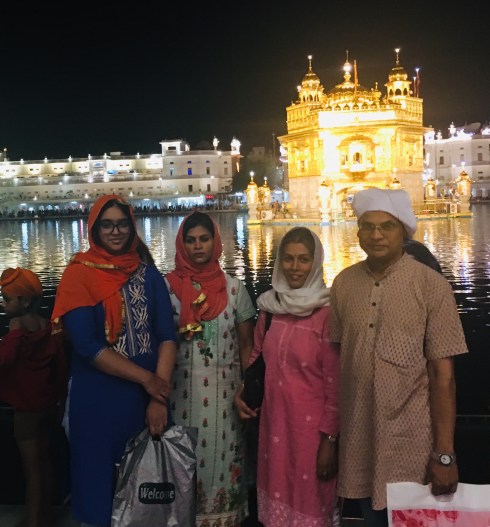
The Golden Temple is India’s most well managed and clean temple. It caters to large crowds especially on the weekends and festival days. Its serene, calm and beautiful inspite of the crowds. Plan a visit in the morning and in the night when it is lit up and don’t forgot to offer your services and eat a meal at the Langar. It’s a miracle how they serve so many people.

The area around the temple has been done up like a walking heritage corridor – The cobbled pathways are broad, clean, well maintained with shops selling food, trinkets, and clothes on both sides. There are many hotels also walking distance from the temple. The locals recommend a place called Saragarhi Niwas (www.sgpcsarai.com) – Room rent Rs 1100/- a day. email sgpcsarai@gmail.com, Phone – 0183 – 2550060 which is located less than 100 m from the Golden Temple in the heritage corridor.

Jalianwala Bagh is  located right next to the Golden temple. Sadly the current state of maintenance does not do justice to the history it narrates.

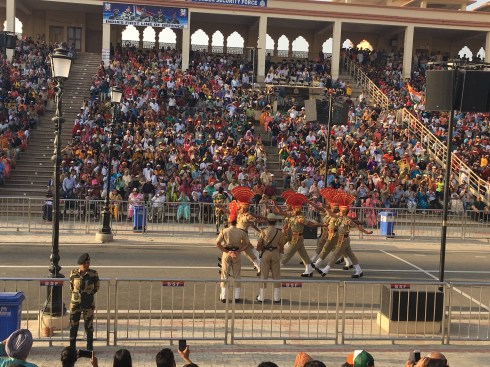
The Attari Wagah border is 30 Km from Amritsar, a 45-minute drive. Every evening there is a flag retreat ceremony that is jointly coordinated by the BSF and Pakistan Rangers at around 530 PM (Time varies by season). This half an hour show attended by nearly 10,000 people can be an adrenaline boost to your nationalistic spirit. It’s a must watch for every patriot and its FREE. To get front row tickets you need a VIP pass from someone in the BSF / Army which we were lucky to get. Even without  a pass you can get a decent viewing spot from the gallery that is built like a stadium.

And you can wrap up your Amritsar stay by shopping for Ladies Suits, Masala, Papad, Vadiyan, Sweets, Bangles…. Almost all the shops can stitch your dresses in 24 hrs and have them delivered at your hotel. In the two days you spend here you will also have time to visit the ancient Durgani temple (Under renovation) and the Mehramgarh Fort. Most people also spend an evening at Sada Pind – which is like a the Choki Dani of Jaipur creating a rural feel.

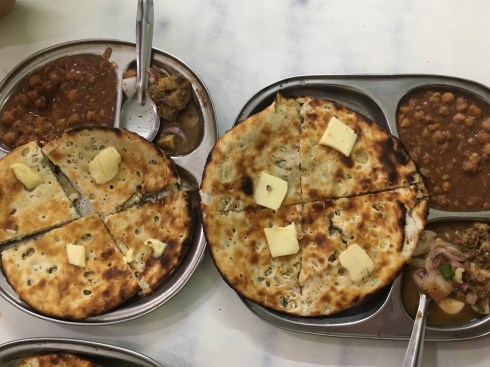
Do all that but keep time to visit the food joints of Amritsar. The Kulchas & Parathas here are the best in the Country. A few places you must visit are Bhai Kulwant Singh Kulchian Dhaba for breakfast and  and Kesar Da Dhaba for Lunch or Dinner. Kulcha Land is another highly rated joint. The street Jalebi and Gulab Jamun is also very tasty. Paneer here is soft and succulent. And don’t miss the Lassi. Food is fresh, delicious and economical. But its rich and servings are large. All these shops are in the bye lanes of old Amritsar and are accessible by walk or e Rickshaws only. We were told that the Amritsari Fish and Butter Chicken is equally popular but being vegetarians, we did not taste them. (Note Bharwan da Dhaba although recommended by some was disappointing. Brothers Dhaba is another place you can visit for Breakfast. Breakfast joints open only by 8 AM)

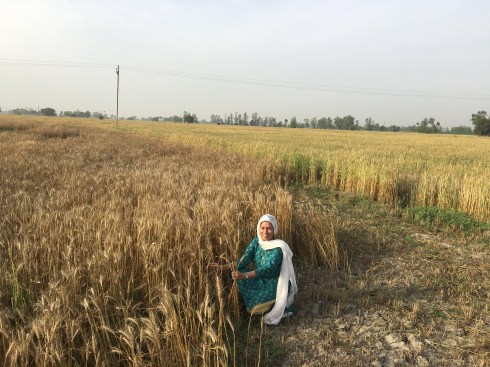
From Amritsar we headed to Punjabiyat – a Rustic Rural Resort which is in Gurdaspur Dist north of Amritsar. A great place to experience the essence of real Punjab. It’s a short 90 min drive from Amritsar (excellent Roads) and is located in the midst of a vast expanse of agricultural fields. We visited on April 10 and the fields were laden with the Golden produce of wheat – ready for harvest after Baisakhi in a week’s time. The weather was pleasant even in April. This is fertile land close to the Beas river and they grow Wheat, Rice, Sarson and Sugarcane. If you come in Dec you can see the Sarson in full bloom- and that will indeed be a pretty sight. It does get cold in Dec but that adds to the charm of the holiday.

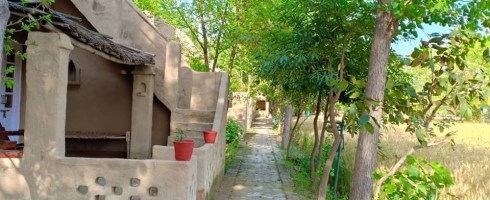
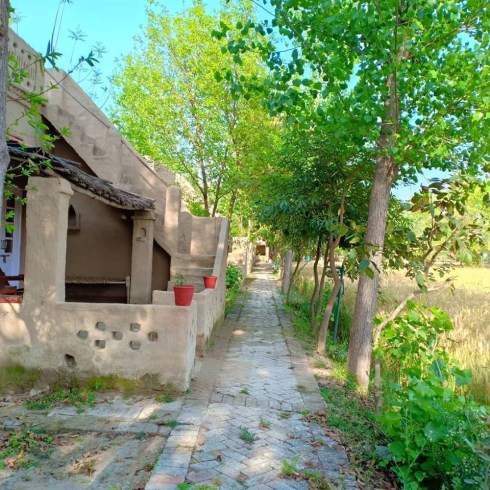
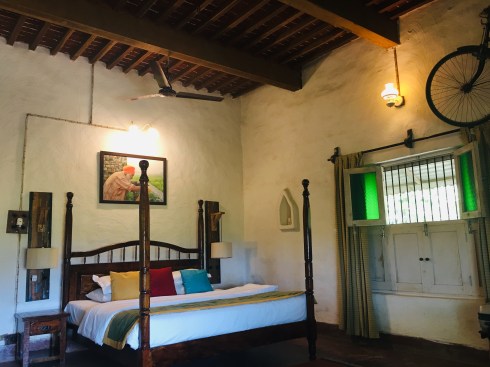
Panjabiyat is Rustic Luxury. Its small, exclusive and efficient. There are 4 well-appointed cottages. Each Cottage has a large room, a very large airy bathroom, a nice sunny balcony facing the fields and a terrace that is accessible. The ceiling height is about 15 feet and the rooms are bright and happy. The furniture is all you need and more – solid wood. Room is large and can easily accommodate 3 adults – or 2 Adults + 2 Children. The walls, the furniture, the look and feel are rustic, warm and welcoming.


The hospitality & service is excellent and food is custom made. We loved the food – it was fresh, hot and delicious with lots of variety. It is a small property with a common hall and a portico where they serve meals and you can get together with your friends for a drink, play carom or listen to music. They also have a small Library tower where they can set up a romantic breakfast. This is a great place for you to come with 2 – 3 family friends. Ideally book the whole place for 2 days and enjoy the solitude, the food, the ambience and the warmth of the place.

Do take time to step out and visit the neighbourhood and some historic Gurudwara’s all of which are accessible by walk along the fields or by a tractor ride. A walk thru the fields can bring memories of William Wordsworths “A Solitary Reaper’.

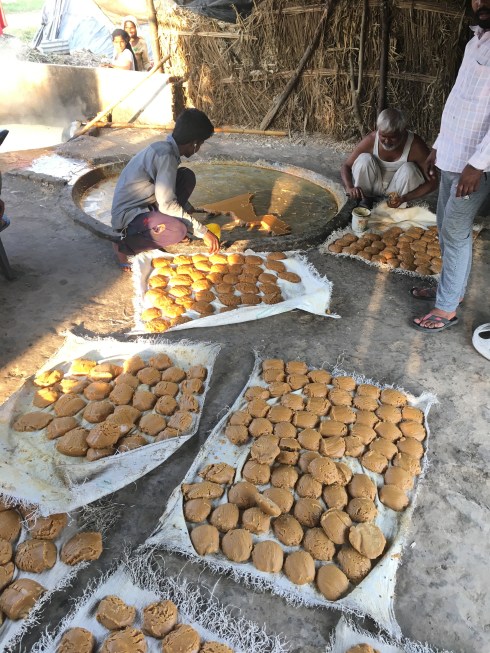
Kids may be fascinated with the milking of cows – but what really excited us was seeing how jaggery was made out of Sugar Cane. A family of 4 in very humble surrounding were working hard to crush the juice and process it across boiling vats to make fresh tasty Jaggery. Freshly made Jaggery tastes like Mysore Pak – it is warm and delicious. We also visited a rice mill and saw mountains of sparkling rice being separated from the chafe by automated machinery.

To enjoy Panjabiyat you must love nature and solitude. It’s perfect for a 2-day break. Don’t expect too many thrills and action. There is no TV and the 3G signal is weak. Which is good because you get family time. Go for long walks. Take a ride in a tractor.


Punjabiyat is a great place to Detox. Be with nature. Smell the earth. Listen to the birds. Use the time to read and meditate. Or just sit quietly by the Beas river and ponder and reflect on life and thank the good Lord for all his blessings and Grace. Come alone, come as a couple or just use this time to connect with family and friends. Punjabiyat is definitely an offbeat property worth visiting.

For more details Visit https://www.itmenaanlodges.com/punjabiyat/

Taxi : For the entire trip you can contact Mr Pandey. He is an ex BSF Commando and if you book your trip with him he can even help you with passes for the Attari Wagah border program. He can be reached at +91 9463521098. Even though we had passes from my Army friend he helped us in getting better seats using his BSF clout.


Travel Tips – Rameshwaram in 48 Hrs

15 Jan

From Kailash to Rameshwaram, India is dotted with energised Shiva temples. The 12 Jyotir Lingas, The 5 Pancha Bhoota’s and many more like the Temples at Tungnath, Jageshwar, Lingaraja Temple Bhubaneshwar, Brihadeshwara at Tanjore – the list is long. Some of the oldest temples in India are Shiva temples and the Himalayas are dotted with Shiva & Devi temples. I have had the privilege of visiting most of these lovely temples. I added to this by visiting Rameshwaram in Jan 2019. 

Where is Rameshwaram located – How to get there?

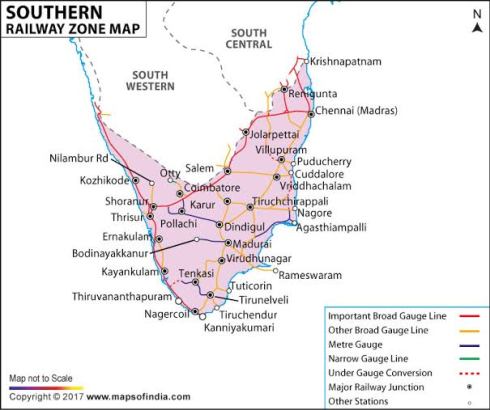
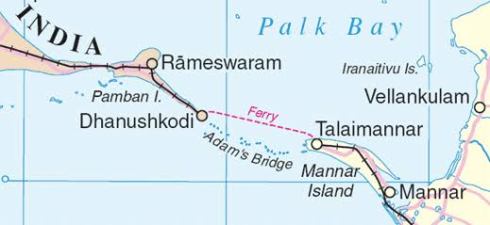
Located on the Tamil Nadu coast in the district of Ramanathapuram it is just 18 Km from Sri Lanka. It’s not the Souther tip of India (Mainland S Tip of India is Tuticorin, while Indira Point in Andaman is the S Tip of the country). Rameshwaram is technically an Island and the Pamban Bridge connects it to the mainland. There are Trains from Chennai to Rameshwaram and the closest airport is Madurai (172Km – 3 hrs drive). The road from Madurai to Rameshwaram is in good shape. From Bangalore its a 10+ hr drive via Madurai. There are overnight trains to Madurai and from there taking a cab is the best option.

What is the significance of Rameshwaram?

As the name indicates Rameshwaram was the point in India from where Lord Rama and the Vanar Sena built the bridge to Lanka to battle with Ravana and free Sita. The sea here is shallow and its just 18 Km from Dhanushkodi to Sri Lanka. Dhanushkodi is a beautiful 20 Km drive from Rameshwaram town.

After winning the war the victorious army came back and Lord Rama is said to have built a temple for Lord Shiva atoning for the sins of having killed Ravana – A Brahmin. As the sanctum was consecrated by Lord Rama this is a very holy place for Hindu’s and both Vaishnavites, Shaivites and Indians from all over visit this Jyotirlinga. We found that 50% of the pilgrims  were Marwari’s from Rajasthan.

Given the proximity to Sri Lanka, Dhanushkodi was in news during the LTTE strife and thousands of Sri Lankan refugees landed on the shores of India over here. Most of them are settled in and around Rameshwaram. This is probably the reason that we found the taste of food and the flavour of sambar lacking here in comparison to Chidambaram, Tiruchi, Tanjore and other Temple towns of S India.

How Big is the temple and how much time dos it take to cover the complex? 

It’s a massive temple but large parts of it are closed. The temple in its current state was built by the Pandian kings whole ruled over Madurai and its architecture has similarities with the Madurai Meenakshi Temple. The temple is famous for its long corridors which are neat and well maintained. I found it bright and colourful and would have preferred if the original granite look was preserved.

The temple is open from 4.30 AM – 1 in the afternoon  and in the evening from 3.30 – 8.30 PM. We were lucky not to have massive crowds and got an excellent Darshan in less than 15 minutes all the 5 times we visited.

You enter from the Eastern Gate. Cell Phones are not allowed, there are lockers outside. The first deity as you enter is not Ganesha but Hanuman as he was chartered to get the Lingam for the temple. As you enter you will see a ticket counter – buy the Rs 50 Ticket for the Main temple and a Rs 10 ticket for the Devi temple. This gives you excellent access to the Sanctum Sanctorum.

There are two Main Shiva Lingams next to each other. While the main one is said to be installed by Sita the one next to it was brought by Hanuman. Most people miss the adjacent one. That place is empty, needs no ticket and is equally energised. As you complete the circumblation you will see a small temple with the Jyotirlinga – A white Shiva Linga.  The Devi temple is close to the main sanctum sanctorum – on the right. The Rs 10 ticket allows you to sit in the steps right in front of the Sanctum.

As you start walking out (You exit also from the East gate) ask for the Nataraja temple. Inside this is the Jeeva Samadhi of the great saint Patanjali. A nice place to stop and meditate for a few minutes.

On a good day you can cover all of this very comfortably in 60 minutes.

How do you offer special Pooja? 

There is an early morning 4.30 AM Abhishekam done to the Sphatik Lingam in the main Sanctum Sanctorum. This draws a lot of crowd and can be accessed by paying the 50Rs special ticket.

Other special Puja’s are tricky. There are boards that mention many offerings and Pujas that can be done. But before you get a ticket you need to get an OK from the priest in the main temple that he is ready to conduct the same. We wanted to get a Rudra Abhishekam down for Rs 1500/-. The priests  were hesitant – looks like they are on fixed monthly salary and there are too few of them, but they finally agreed. After getting the tickets you have to go to a counter and get the offerings (and flowers etc from outside) and then a few priests sit with you and chant the Rudram in an area adjacent to the main temple (In the hall where the Shiva Lingam brought by Hanuman is installed). Post this you get to sit in the main Sanctum Sanctorum for a few minutes and witness the Abhishekam. Its optional but the priest expects Tips for his service.

How to access the Holy Tirtha’s in the Temple? 

There are 64 Holy Tirtha’s or Tanks / wells in Rameshwaram. Of these 22 are within the Temple and accessible from the North Gate at a nominal entry fee. As you walk by these Tirtha’s they pour water on you – this is supposed to cleanse you and redeem you. You have the option of taking some water in your hand and sprinkling it on your head. The 1st Tirtha (Agni Tirtha) is in the shallow waters of the Bay of Bengal in front of the temple

What else is there to see in Rameshwaram? 

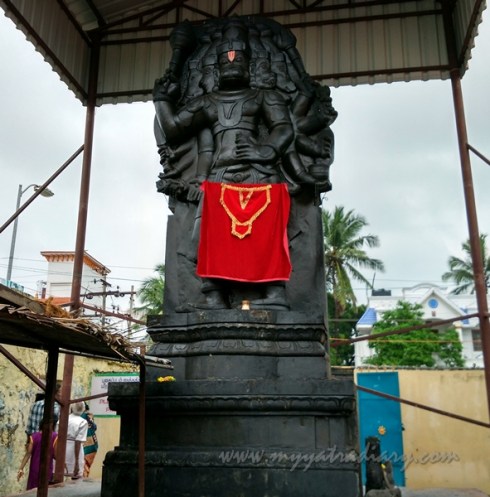
After the main temple visit you can cover all that is there to see in 3 hrs. A few Km from the temple on a hillock is a place called “Ramar Padam” – where you pay respects to footsteps of Lord Rama. Close to this place is a Pancha Mukha Hanuman statue which is housed within a small Ashram. The Jeeva Samadhi of the saint who started the ashram is also located here. In the Ashram you can see the floating stones with which the Vanar Sena built the bridge to Lanka.

Dhanushkodi is a 20 Km drive

Dhanushkodi is a 20 Km beautiful drive with the sea on both sides of the road. On the way to Dhanushkodi or on the way back stop by at two temples.

The Kothandaramaswamy Temple  is located at a distance of 13 kilometres  from Rameswaram. The temple is the only historical structure to survive the 1964 cyclone that washed away Dhanushkodi. The temple has the deities of Rama, Lakshmana, Sita, Hanuman and Vibhishana. Probably the only temple with a statue of Vibhishana.

Jada Theertham – It is said that Lord Rama  and Lakshmana washed their hair (Jada) in this pond, after killing the demon king Ravana and before worshiping Shivalinga in Rameshwaram. Most people give a miss to the place. Take care to park your car a little far – as the area is sandy and our car got stuck.

While all this is Mythology there is also the Abdul Kalam memorial that you will pass on the main road as you enter Rameshwaram.

What is the best time to Travel?

Best time to travel is Nov & Feb. Dec to Jan 14th gets a little crowded due to holidays and Sabarimala season. Summers are extremely hot. This is cyclone prone area so avoid both the monsoons.

Where to stay?

There are numerous lodges and small hotels all around the temple. There is also a Hyatt Place. We stayed at a nice property called Jiwan residence – https://jiwanresidency.com. Located on the beach a 10 min walk from the E Gate of the main temple. No dearth of S Indian restaurants and you will find many Gujarati / Marwari Bhojanalayas. Unlimited meals are Rs 80/- . We hunted out this place called Murugan Mess inside a byelane close to the N Gate (Not accessible by Car) and enjoyed the fresh home made meal. 

Sri Sankar Marvadi Bhojanalaya located on South car street was also a good find.

On the way back to Madurai are there any interesting things to see? 

A small deviation but worth exploring place is Thirupullani. Adi Jaganatha Perumal temple in Thirupullani  is considered to be one of the 108 Divya Desams dedicated to Vishnu. Here Rama is seen in a reclining posture and is referred to as Dharbasayanar Ramar. Lots of stories associated with this temple which you can read here https://lakshmisharath.com/sea-sky-tirupullani-near-rameshwaram/

While at Madurai you must definitely visit the Madurai Meenakshi Temple. Here look for the Sundarandar Jeeva Samadhi near the Durga shrine in the Shiva Temple complex. Its a small caged structure and no-one knows about it. he was one of the 18 Siddhar’s.

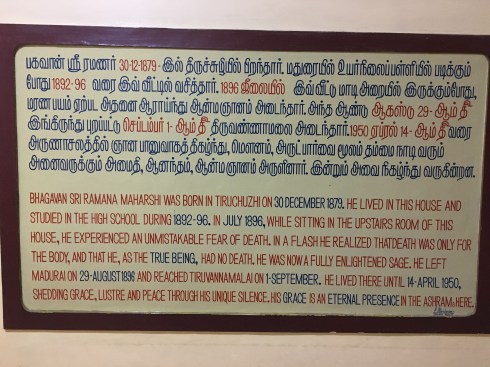
But take some time to visit the Ramana Mandiram. This was the house where Ramana Maharishi lived as a child. This is where he had the realisation that he is not the body and overcame the fear of death.

Address : 21, 11, Chokkapa Naicken St, Valaiyal Kadai, Madurai Main, Madurai, Tamil Nadu 625001. Timings are from 10 – 1 and 5 to 7.30 PM


Offbeat Locations – Meghamalai (Near Madurai)

10 Jan

If you have frequently visited Ooty, Kodai, Chickamagalur & Coorg and are looking out for some offbeat new location for the upcoming long weekend – then checkout Meghamalai (Cloud Mountain). This has been on my bucket list for a few years and after visiting the sister property at Talayar (Near Munnar) we finally made it here last week. (Jan – 2019)

Where is Meghamalai Located 

Its a beautiful location nestled in the Western Ghats between Kerala & TN. the Meghamalai wildlife sanctuary is a continuous forest stretch that merges with the Periyar Tiger Reserve. At altitudes between 4500 – 5500 feet it is one of the few untouched natural landscapes in S India.

How do we reach Meghamalai

We took a night train to Madurai, reaching at 7.30 AM . From here it is a 150 Km 3 1/2 hr drive to Meghamalai. The roads are excellent ( Except for the last 5 Km which can both be an adventure or a disaster). The 1st 100 Km are at sea level thru fertile plains studded with windmills. After Chinnamannur, the last 50 Km is an ascent – but the drive is smooth and fast even up the winding roads. The drive from Bangalore would be over 9 Hrs. The estate manager sends a 4 wheel drive jeep for the last 5 Kms stretch.

What is the name of the property in Meghamalai 

There is only 1 Property here. The Briar Tea Estate company has 4500 acres of Tea Estate and in the midst of this picturesque valley are 3 Tea Bungalows – Cloud Mountain, Manalar & Sand River. These bungalows are from the 1940 – 50’s era. Cloud Mountain is a 3 Bedroom Bungalow  and the others are 2 Bedroom Bungalows. The rooms are large and spacious and they come with a dining room , front room, a large sunny garden and excellent views.

Room rates start from Rs 5000/- night for a couple and includes breakfast. Lunch and Dinner are home cooked tasty meals and are charged at a very reasonable rate of Rs 200/- person. Each property has a designated caretaker. Over the last few trips I have been holidaying at Vintage Bungalows and I am really enjoying the space and ambience of these places compared to a hotel. There is 24 by 7 hot water, a TV , and Tea and sconces can be ordered any time. The challenge to some may be that there is only BSNL Network available and the Wi Fi spot is near Cloud Mountain.

How do you spend time here 

This is a place to enjoy Soulitude and to relax and chill. I like such places. We did a small trek to a View point and they have a wildlife naturalist who can take you on 3 hr treks. We also drove down to a pristine clear waterfall. The Tea Estate is surrounded by forests and wild animals are sighted very frequently as they come down to drink water from the Dam Lakes. (There are 5 Dams in the area generating Hydro electricity). Elephants, Leopards, Bears, Wild Boar, Wild Dogs, Langurs and Bisons are prevalent in the area.

The water in the lake is fresh and pure rain water and the lakes are full from July – Feb. They dry up in summer and with the rains in May – June start filling up again.

This is a great place to go on long walks, read a book , enjoy home cooked food, sleep in the afternoon and gaze at the star studded sky at night. Kerala is only 20 Km away (As the crow flies) and from a View Point you can see the Makara Jyoti at Sabarimala.
They do prepare Non veg dishes but most of the food cooked is S Indian Rice / Roti / Sambar / Rasam / Curry.. ). If your kids are looking for Pizza and Pasta they may be disappointed. If you are in a group you can request for a camp fire / barbecue to be set up. The staff had an excellent attitude and were on their toes, service was wonderful.

Which is the best time to travel to Meghamalai

October – January is probably the best time. By Feb the water in the lakes would have started drying up. Without the lakes full of water you are losing 50% of the charm. This is the time when they are busy. They are also very busy in May because of the school holidays. In January the weather was pleasant – all you needed was a fleece and a wooden cap in the morning.

Contact Details for the property 

Details area available at the following URL : http://teabungalows.com/meghamalai/

Video of the Property and nearby areas


50th anniversary of 1969 – The greatest year of the century

8 Sep

If you were to choose the most eventful year ever – which would it be? Malcolm Gladwell in his 2008 bestseller  “Outliers: The Story of Success” talks about the impact that people born in 1955 have made. Yes Steve Jobs, Bill Gates, Whoopi Gooldberg and many more born in 1955 transformed the world. I dug in and after some research came up with a clear winner by a mile. A year that transformed the world in multiple areas – Technology, Politics, Music, Civil Rights…. and that year would be 1969. ( Well, some of the transformation started in 1968 and accelerated through 1969)

First the facts that we all know of.

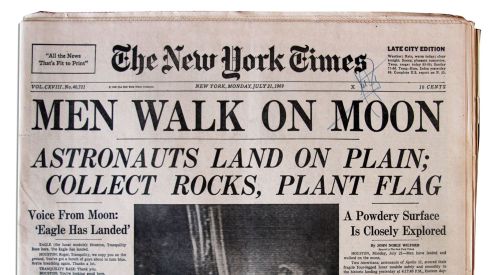
History was made and one small step for man became a huge leap for mankind. Neil A. Armstrong, Command Module pilot Michael Collins, and Lunar Module pilot Edwin “Buzz” E. Aldrin landed in the Sea of Tranquility, on The Moon on July 20, 1969. Remember this was a time when the largest computers had computing power lesser than your smartphone of today.

March 2nd, 1969 was also when the Anglo-French supersonic airliner Concorde made its maiden flight. During the test flight, Concorde’s speed never rose above 300mph and its altitude reached a lowly maximum of 10,000 feet. During commercial journeys it would reach speeds of up to 1,350mph – more than twice as fast as conventional aircraft – and fly as high as 60,000 feet. This was also the year when Boeing 747 made its 1st passenger flight.

A lot more happened on the technology side

  • The 1st ATM was installed in New York
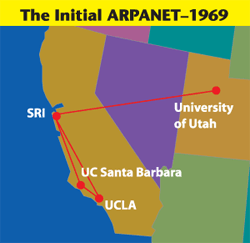
  • ARPANET (later to become a little thing called the Internet) was commissioned by DoD for research into networking. First set up with 4 nodes – Stanford, UCLA, UCSB, and Univ of Utah. First attempt at sending packets was from UCLA to Stanford on October 29. The first 2 characters were successfully transferred, but the third keystroke crashed the system. (hmmmm…maybe Bill Gates was involved! – he was already 14 by then)
  • UNIX then called as UNICS was invented at Bell Labs led by Thompson & Ritchie working on a PDP7. Dec 28th, 1969 was also the year when Linus Torvalds was born – he would go on to become the creator and principal developer of the Linux Kernel.
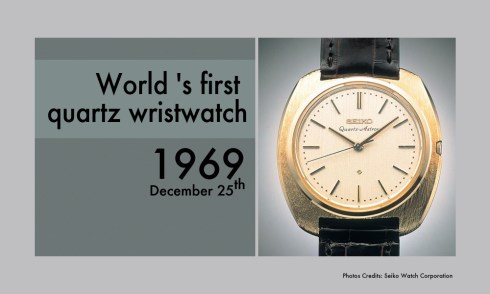
  • Seiko rolled out the worlds 1st Quartz watch
  • May 1st 1969 AMD – Advanced Micro Devices was founded by Jerry Sanders and seven others from Fairchild Semiconductor. (Less than a year back on July 18th 1968 – Intel was started by the legendary Andy Grove)
  • It was in 1969 that David Paul Gregg patented the optical or laser disc, although he came up with the idea in 1958.
  • Doctors at Methodist Hospital in Houston, Texas, made medical history on April 22, 1969, when they performed the first human eye transplant on 54-year-old John Madden. Because the donor eye had not been preserved enough to keep it viable, the procedure failed to restore Madden’s sight. The procedure itself, however, went down in history as a medical miracle.

A lot of changes were happening on the people front. Revolution and change was in the air. The Hippie’s movement – a countercultural movement that rejected  mainstream American life had engulfed the youth. The movement originated on college campuses in the United States, although it spread to other countries, including Canada and Britain. This was the era of Pop, Rock & Roll, Jazz & the Blues. Blend the Hippes lifestyle with music and you have the greatest music festival of the century – The Woodstock. 

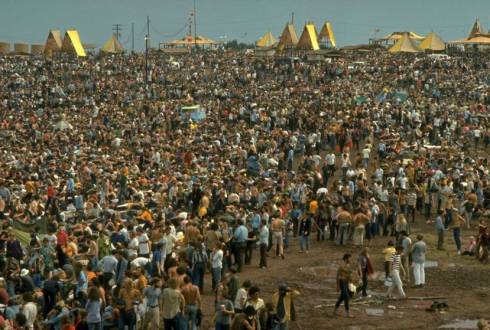
  • The famous Woodstock music festival took place in upstate New York between August 15–18, 1969, which attracted an audience of more than 400,000. The festival featured legends like Jimi Hendrix, the Who, the Grateful Dead, Janis Joplin and Sly and the Family Stone. The event would help define an era.
  • Apart from being one of the only Indian musicians to perform at Woodstock, renowned Sitar player Ravi Shankar did not share his contemporaries’ excitement about the festival. He once said it was a terrifying experience, where the large crowds lounging in the mud reminded him of water buffaloes in India.
  • Also that summer, the Beatles, then arguably still the western world’s most popular band, released one of their final albums: Abbey Road. And the Beatles performed their last concert in 1969. This was also the year when John Lennon & Yoko Ono were married on March 20th.
  • 1969 is also quoted in the Hotel California song. It is assumed to refer to  the year when the Satanic bible was released.
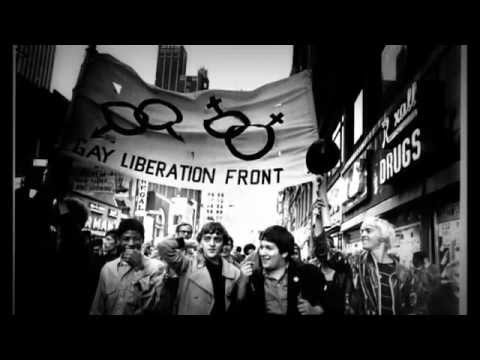
  • June 1969 is famous for the Stonewall Riots. (Also referred to as the Stonewall uprising or the Stonewall rebellion) were a series of spontaneous, violent demonstrations by members of the gay (LGBT) community against a police raid that took place in the early morning hours of June 28, 1969, at the Stonewall Inn in the Greenwich Village neighborhood of Manhattan, New York City. They are widely considered to constitute the most important event leading to the gay liberation movement and the modern fight for LGBT rights in the United States

  • The US Civil Rights movement led by Martin Luther King was in its final phase. King had been assassinated in late 1968 but had laid the foundation for change.
  • The Vietnam war had peaked, more than 34,000 American soldiers died in the strife. President Richard M. Nixon assumed responsibility for the Vietnam War as he swore the oath of office on January 20, 1969. He knew that ending this war honorably was essential to his success in the presidency. He kept his promise and the US withdrew from Vietnam in 1973. Ho Chi Minh the communist leader of North Vietnam died on 2nd Sep 1969. 
  • 1969 was also the year when almost all of the world’s nations come together to sign the Nuclear Non-Proliferation Treaty
  • Two of the worlds largest retailers opened stores in 1969 – The 1st GAP store opened and Walmart was incorporated as Walmart Stores Inc.
  • In late 1968 McDonald launched the Big Mac – A meal disguised as a sandwich – and it became extremely popular in 1969.
  •  The football legend Pele scored his 1000th international goal on Nov 19th, 1969
  • The Godfather by Mario Puzo was published in 1969
  • Sesame Street debuts on television and the last episode of the original “Star Trek” airs on NBC. During the episode, titled “Turnabout Intruder,” one of Captain Kirk’s former lovers steals his body.

India in 1969 

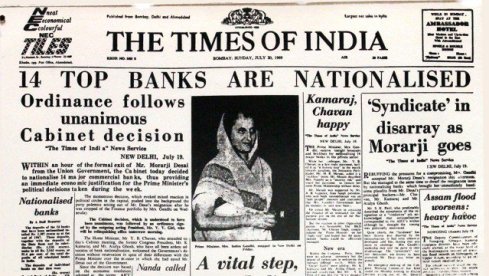
  • A lot happened in India also in 1969 which has had its impact till date. India’s grand old party The Congress split into two factions led by Indira Gandhi and Morarji Desai.
  • Indira Gandhi made the bold move of nationalising 14 banks that controlled 70% of the country’s deposits

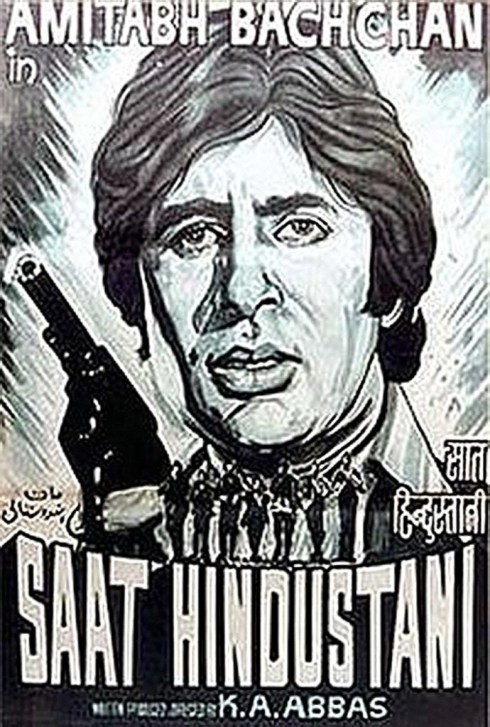
  • The actor we all love Amitabh Bachchan made his debut in 1969 with Saat Hindustani 

  • 1969 was also the turnaround year for superstar Rajesh Khanna. In 1968, Khanna didn’t have a single film. In fact, the vacuum had stretched into the tenth month of 1969, prompting his doting but disturbed father to ask him to rethink his career plans. “To pursue a career that keeps rejecting you persistently is foolishness,” he told him. “In life, one should learn to read the writing on the wall early. Maybe a career in films is not for you. Give it serious thought.”Fortunately for Khanna, a ‘small’ unassuming film saved him from further ignominy. Ittefaq — directed by a man with a Midas touch, Yash Chopra, on a shoe-string budget and shot in 28 days without frills — turned the tide. The film, a thriller, had no songs, no dance, no big stars. It might have had a better initial draw than any other Khanna-starrer based on the reputation of the B.R. Chopra banner, but the movie’s popularity really owed to Khanna — who was about to rewrite the rules of stardom. Ittefaq was followed by Aradhana, another stop-gap venture produced and directed by a stalwart, Shakti Samanta. Released in November 1969, it took off on a whirlwind run
  • It was in 1969 that Goenkaji started teaching Vipassana Meditation in India – making true the prophecy that Buddha has made 2500 years back.
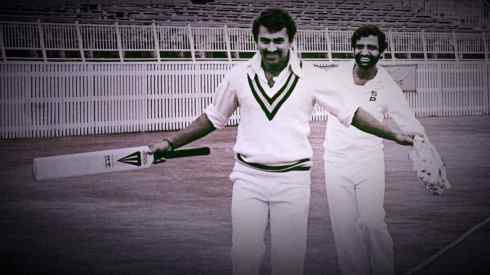
  • Two of India’s greatest cricketers launched themselves in 1969. Gundappa Vishwanath made his test cricket debut Vs Australia at Kanpur in 1969 and scored a century. And Sunil Manohar Gavaskar was selected to play in the 1968 – 69 Ranji season.

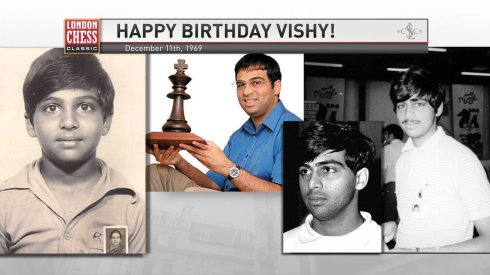
  • And on Dec 11th , 1969 India’s greatest Chess player V.Anand was born.

  • 1969 was also the year when many great talents were born. Jennifer Lopez, Steffi Graf , Jennifer Aniston, Catherine Zeta Jones, Mathew Perry (Chandler of Friends), Michael Schumacher, Sheryl Sandberg , Ajay Devgun, Javagal Srinath, Mandakini and Arnab Goswami.

If all of this doesn’t make 1969 the greatest year ever – what will ? No wonder its the topic of a book titled “1969 The year everything changed – By Rob Kirkpatrick


Kailash Mansarovar Travel Tips

15 Aug

I feel energised visiting ancient Shiva temples. Having visited the Pancha Bhootha Temples and most of the Jyotirlingas I have had a deep desire to visit Kailash Mansarovar. This materialised between July 30th & Aug 14th in 2018 – a great advance 50th Birthday treat for me. A long and challenging trip that was executed to perfection by the Isha Sacred Walks team.

There is something mystical about Kailash that has drawn pilgrims for thousands of years. Many keep coming again and again. I would say this is how a temple should be – spread over 1000’s of km’s across pristine nature, no rituals, no flowers, no aartis, no poojari – just you and the Lord in direct contact. Kailash Mansarovar,

By the Grace of God and the blessings of the Masters the trip worked out magically. Here is a  summary before I delve into the details

  • We travelled via Lhasa (Bangalore – Kathmandu – Lhasa by flight) and then 1500 km bus drive @ 500 km / day from Lhasa to Mansarovar.
  • Lhasa is at 12,500 feet and Mansarovar – Kailash at 16500/17000 feet. For a perspective Simla is 7000 feet and Leh/Ladakah is 12,000 feet.
  • Our journey was across a fortnight spanning 14 different hotel rooms. Wake up at 5 AM, Pack your bags by 5.30 AM, Guru Pooja and Kriya till 7 AM, Breakfast then start the journey at 8.30 AM driving almost 10 hrs every day. Reach the hotel by 7.30 PM – Dinner – Bath – Sleep. It was a blur as the 14 days whizzed by.
  • Temperatures  ranged from – 5 to 10 degrees, cold and wet, and at times the high altitude sun searing down on you. The challenge of altitude sickness, lack of appetite, tiredness – all of this overcome with one singleminded purpose – the goal to visit and experience  Kailash Mansarovar.

map

The journey in Phases 

Phase – 1 : Planning 

I made my bookings in Dec 2017. I had been hunting for a good reliable agency and finally decided that Isha Sacred walks was the best. They have been at this for years and do a professional job with the highest regard for safety and convenience. This year Isha is conducting passage for 21 groups with ~ 70 people in each group. Thats a total of ~ 1500 Yatris which contributes to almost 15% of all who will visit Kailash Mansarovar. The pre travel communications for packing / medicines / fitness were crisp and efficient.

Phase – 2 : Arrival at Kathmandu  (Day – 1) 

Our assembly point was at Kathmandu. I reached a day early to visit the city and the famous Pashiupathinath Temple (The package covers this on the return leg). Kathmandu looks like a bombed city – dusty, potholed roads, congested, chaotic. We stayed at The Yak & Yeti in central Kathmandu a nice 5 star property. We completed our debrief, tied the Abhaysutra’s, collected our kits (Isha gives you a Duffel bag, back pack, sling bag and a Down jacket on returnable basis), converted currency to Yuan. We were strictly informed to remove all books / T Shirts that had any connotation of “Free Tibet” and travel as Yatris and not activists. One wrong message can put the whole group in jeopardy. Next morning we started with Guru Puja and Kriyas (Something we did every day) and then headed to the airport for the flight to Lhasa with our coordinators.

Phase – 3 : Acclimatisation at Lhasa (Day – 2/3)

The flight from Kathmandu to Lhasa is less than 90 minutes. Clearing immigration was a hassle – the Chinese are not very friendly and it took us over an hour to complete the process. Lhasa at 12500 feet is a modern city, well maintained with the hallmark Chinese infrastructure of broad roads and nice footpaths. We stayed at the Lhasa Mansarovar hotel – a nice spacious property with good facilities. Breakfast was the regular hotel buffet but lunch and dinner were Indian meals cooked specially for us. That was one of the highlights of the trip – we had fresh piping hot Indian food all through the trip.  Mansarovar hotel

The weather in Lhasa was bright and sunny and we had time to visit the ancient Jokhan Temple, The Potala Palace and The Summer Palace. Tibetans are happy friendly people, and they always oblige to take photos. But they seem to be a minority amidst the Chinese population.

The city was disciplined, organised and clean. We spent more time at Lhasa on our return leg and had dinner at a beautiful place, so more about it then.


Phase – 4 : Bus Trip from Lhasa to Mansarovar (Day – 4/5/6)

From Lhasa our journey shifted to buses for the next 9 days. Lhasa to Mansarovar is almost 1500 Km and we covered ~ 500 Km / day. Our first stop was at Shigatse, the 2nd largest town of Tibet at 12,500 feet. And this was the shortest drive of the trip for 6 hrs. From Shigatse we drove to Saga and reached a altitude of over 16,000 feet. This was a long day with over 10 hrs of driving. And then from Saga to Mansarovar.

Family trip

As we travelled from Lhasa the quality of the hotels started deteriorating. However, till Saga we had rooms with hot water and bathrooms.

We were lucky to get Indian food all through. Even lunch was packed. Breakfast was Khichdi, Upma, Cereal, Fruits, Milk, Tea, Coffee and lunch was Rice, Dal, Sabji, Rajma, Canned Sweets, Bhujia, Apple etc.

The landscape changes after Lhasa. Tibet is the worlds highest plateau. It’s a cold desert. All you see is undulating plains of grasslands with Yaks and Sheep and hardy nomads. There are no trees.

After reaching Shigaste (12500 feet), I fell sick. A combination of AMS and GERD hit me. I lost my appetite and felt feverish and weak. I rarely fall sick and was a little underprepared with my medicine kit. The YAK Butter, Milk Powder and Puri with Rajma for lunch must have caused the problem in this high altitude zone. Luckily we had doctors travelling with us in the bus and stationed at the hotels. They were checking everyone twice a day and thanks to their support I recovered in a few days.

(Doc in Green T Shirt was a fellow Yatri who was doing Gods own service by treating and helping us. I owe it to him for getting back in shape)Kailash Mansarovar,

On this trip it is best to avoid greasy food. I had carried a lot of “Groundnut Chikki” which I gave away. Figs, dates, biscuits, ginger balls, chocolates , energy bars etc are good to have. The family of Yatris helped me out with medicines and useful supplies all through. It’s amazing how people who you have never never met before come together as a family to help you in your time of need.

If you suffer from GERD or acidity, stick to a light diet. We got bananas and apples every day – so you can stock up on that. Falling sick has nothing to do with age. Our group of 75 had people from 26 – 66 and many of the people in their mid 50’s were the fittest of the lot.

Kathmandu

Diamox to prevent altitude sickness is a must have twice a day. It is recommended to start it 5 days before you leave for Kathmandu. With Diamox you drink a lot of water so that means frequent restroom breaks. Which is a challenge. There are no decent loos on the highway so your breaks are always in the open.  Diamox kept me waking up every hr at night all through the trip adding to the tiredness. At these altitudes its difficult to get a restful 5 hr sleep at night. And I am a super sensitive light sleeper.

Phase – 5 : We reach Mansarovar on Day 6

After 3 days of long drives we finally reached Mansarovar. We stayed at a camp right across the lake. Our camp was a Pucca brick structure room with no attached bath. For the next 4 days we would have to manage with no bathrooms, which was a challenge. The toilets were sink pits inside small tents and with no air circulation, it can be smelly. You have the option of using open air starry sky toilets also – which was a better option. At 4 AM, pitch dark, no power, armed with a torch on your head like a coal miner, wet wipes, toilet paper roll, a rain coat, layers of warm clothing you hunt for a nice starry corner. (Suggestion if you are using the tent loos carry some Camphor with you – the smell of Camphor minimises the stink)

Mansarovar lake

Mansarovar is a large lake. It is mystical and has a close linkage with Kailash. We could see the South Face of Kailash from our camp. Many have seen lights and divine bodies taking a dip at the lake during the Brahma Muhurtam  – we also woke up at 2.30 AM and spent some time but were not lucky to witness any celestial beings.

The next morning we did our meditation and prayers by the lake. It is a serene experience and as you sit quietly you can’t but help choke and feel the tears running down your eyes.travel tipsMany brave souls took a bath in the chill cold water. The authorities don’t allow you to take a dip – so the sherpas get water in drums. Recovering from fever, I splashed water all over my body and it was very refreshing.

Phase – 6 : The final Trek to Kailash – day 7 /8

After breakfast we had a short 1 hr ride to Yam Dwar and started our trek. Many people do the full 72 Km Parikrama that takes 3 days. We did a total of 32 Km (16 Km up and down). Starting from Yam Dwar and walking along the Western face till we reached the Northern face of Kailas where we camped for 2 nights.  We had views of the Southern Face, Western Face and the Northern face.

travel tips

You have an option of taking a pony. Most people walk. Its a easy trek. Broad path, scenic views, fresh air. You can do it comfortably in 4 – 6 hrs.  Good to have a porter as at this altitude even a few 100 grams can tire you out. The porters cost 850 Yuan for the round trip and the Pony costs 2200 Yuan. There are a few stopover points for tea and snacks to catch you breath and warm your hands.

travel tips

I was all set to walk but after 3 days of fever the doctor insisted I take a pony. Isha paid for the pony – which was a wonderful gesture, 2200 Yuan is almost Rs 24,000. The horses are young, wild and very sensitive. We were in a group of 4 horses and the Yatri on the 1st horse opened his umbrella, which got his horse troubled. In the neighing and confusion, my pony suddenly started running and knocked me down. For a few minutes I was in a state of shock, wondering if I had broken bones. Fortunately by the grace of God all was well, the thick jacket had saved me and all I had was a few bruises. In this panick moment I saw the horse man remove my RADO watch – but was in no state to stop him. With little oxygen, your memory loss is high and I forgot the incident. After the fall, I refused to sit on the pony and trekked the remaining way to Kailash and back. It was only late in the evening after I reached Kailash that I realised that my watch was missing. By sheer luck the organisers managed to get it back. Miracles do happen in Kailash.

Kailash Mansarovar,

Kailash is the source of enormous energy. The mountain looks different from others in its vicinity. Its majestic and towering. It draws sadhaks from across religions – Hindus, Jains, Buddhists, Tibetans. Many come and spend years drawing energy and knowledge. The 1st Jain Tirthankara Rishaba spent over 7 years, Milarepa the buddhist monk spent many years. Sages, wise men, monks, students are all drawn to the power of Kailash. Some say it was made by extra terrestrials, others say it is the centre of the universe, and the global HQ of energy and power which the puny human mind cannot comprehend. Many holy rivers originate from here. You go to Kailash to dissolve. Not to ask, but to merge and take back a spark of that energy with you. You are lucky if you can connect and get that spark embedded in you.

After you reach Kailash you sit quietly trying to absorb this infinite power. You thank the Gods and the divine masters for a safe journey. And you can sense a catharsis within you as the tears swell up and flow silently. We spent 2 nights at Kailash – I wish we could have spent more. I did get a view of the full mountain, but it was cloudy most of the time. We did not have blue skies and at night could not see the stars. Old timers say that later part of Aug the weather gets clearer.

Our stay at Kailash was also in pucca camps similar to Mansarovar. The toilets were better as they were not tents. they were better designed with open roofs. It snowed at night making it very cold. The rooms were comfortable and the piping hot food was a treat. People started reaching Kailash by 4.30 PM and the last set by 7.30 PM. The sun sets only by 9 PM. Tibet is set to Beijing time so its 2 hrs 30 min ahead of India.

Next morning after breakfast we did our group meditation in front of Kailash and visited the Milarepa Monastery close by. The brave Sherpas went close to the mountain glaciers and collected “Kailash Teertha” for us. Fresh with minerals and the energy of Lord Shiva – one drop is all you need to energise yourself.

Kailash Mansarovar,

Phase – 7 : The Trek Back – Day 9

You dont feel like coming back from Kailash but after 2 nights we had to head back. The return walk is easier. This section is not steep and we touched a max of 17,000 feet. There are however parts of the 72 km Parikrama that are steep and a tough trek with altitude touching 18,000 feet. Many buddhist devotees do the entire Parikrama by prostrating. That takes nearly 45 days to complete. Yak land

Our luggage came by Yak’s. This is Yak land – they are strong wild beasts and the local population survives on everything YAK. From Meat, Wool, Milk, Leather – life in Tibet is tough and would not be possible without the Yaks.

Tibetans are tough people and with all the challenges they are a smiling lot. They may be Buddhists but their religion is steeped in tradition and rites and has a lot of Tantric aspects of Hinduism. They say that when the invaders came the Tantric knowledge of Hinduism was smuggled to Kashmir, Tibet, Nepal & Assam as it was safest here in the remote Himalayas. Somehow from here it managed to find its way to Kerala also.

Kailash Mansarovar,

After 4 days of no bath we finally reached Darchen – to a nice hotel with a bathroom and hot water. What luxuries. A nice warm bath, lovely hot food, contentment, a sense of accomplishment and happiness gave way to a relaxed nights sleep.

Phase – 8 : Back to Lhasa

Over the next 3 days we drove back the long 1500 Km back to Lhasa Via Saga & Shigatse. Most of the drive was along the Brahmaputra that was in spate and we had a few long stop overs were the bridges were broken or landslides had blocked the roads. Small incidents nothing serious. We were lucky.

After reaching Lhasa we  ventured out for dinner to a lovely places called The Tibetan Family Kitchen. Nobody knows a word of english in Lhasa – locating the place was a challenge. After a few misses I was lucky to find a young English speaking couple who escorted me to the restaurant. There are good helpful people everywhere.

Tibetan

The service and food at the restaurant was outstanding. We ordered almost every veg dish (Their speciality was Yak Meat) and enjoyed the meal. The group of 75 was split across 4 buses – we were in Bus 4 and over the last 12 days had built a good camaraderie with the group. Far far away in Lhasa, it was fun dining with a few good people.  The lady who runs the restaurant was the perfect host. She booked us cabs and got us back safely to our hotel. Kailash Mansarovar,

Phase – 9 : Back to Kathmandu

On the 13th of Aug we headed back to Kathmandu. And the jinx of 13th played up for a bit. Our flight almost landed at Kathmandu and then had to turn back to Lhasa as the weather was bad. A short stopover for refuelling and we were headed back to Kathmandu reaching in time for a late lunch at 2.30. the 2 1/2 hr time lag was a blessing.

That evening we had a Satsang with Sadhguru at the Gokarna hotel. Its rare to meet Sadhguru in a small group of 150 people. We were lucky. We were the 1st batch, A1, and there was a batch heading to Kailash the next day. The Satsang was for both groups. Sadhguru was in full flow and enthralled us for almost 2 hrs in an interactive session.

Phase – 9 : Back to Bangalore

Aug 14th we headed back to Bangalore. We had left on July 30th. It was day 16. We had covered a lot and had accumulated memories for a lifetime. We had survived on an adrenalin rush till now and as I sunk into the  Jet Airways seats, I was overcome by exhaustion. It’s going to take a few days to recover. Something tells me that this is not the last trip – I will head back again to Kailash again in the near future. And as I sign off a special thanks to our team lead from Isha, the young Pooja from the ashram, who did a stellar job with her band of volunteers in managing and coordinating this trip so well. A big thanks to the volunteers, sherpas, cooks, all the support staff who make this trip possible and the friendly helpful fellow yatris who were like family forging new bonds.

Kailash Mansarovar,

Other Tips 

  • Travel light. Dont pack too many woollens, reuse. Ensure 3 sets of Thermals, Undergarments change every day, Socks for every 2 days. Dress in layers.
  • Carry healthy food – Dates/Figs/Biscuits/Chocolates/Energy Bars/Gur/ Something salty – helps to munch something in the long bus rides.
  • Carry 2 – 3 pairs of Gloves, Caps, Mufflers – they tend to get misplaced. A good raincoat is a must. Wear ziplocks over your your socks so that they dont get wet as you trek.
  • Pack all your clothes in Ziplocks / Plastic covers. Use number locks for duffel bags.
  • Carry a flask for hot water and a regular water bottle.
  • A head torch can be very useful
  • Medicines I ended up having – Dymox, Domistal, Omniprosol, Allegra, Azithrol, Dexam, B Complex. (Carry the list that Isha subscribe – http://www.sacredwalks.org/wp-content/uploads/2016/07/First-Aid-Kit.pdf
  • Packing suggestions : http://www.sacredwalks.org/wp-content/uploads/2018/E-Brochures/Kailash-Packing-Suggestions.pdf
  • There is network connectivity available in almost all the places including Kailash & Mansarovar. Battery pack is needed only at Kailash & Mansarovar.
  • Hotels in China have Wi Fi – but FB/ WhatsApp / Google are banned – activate Airtel Roaming pack before you travel.
  • How much does this cost? Ex Kathmandu 2.85 Lacs. Flight to Kathmandu, 1 extra night stay, Porter, Misc etc add 30 K – so thats a total of 3.15 Lacs for the trip/person.

A few more Views from the trip

 Mythily with the bus drivers friend 
Kailash Mansarovar,

A Tibetian lady selling flowers at the Jokhan temple Kailash Mansarovar,

Meghna & Vikramjit Travel tips

Playing TT at the park at Shigatse Playing TT at the park at Shigatse

Afternoon view of KailashKailash Mansarovar

A performer / model near the Potala Palace Kailash Mansarovar

Community dance at Park at ShigatseCommunity dance at Park at Shigatse

Locals we met Enroute
Kailash Mansarovar

Mustard fields on the road to Saga Kailash Mansarovar

Room at Lhasa

Day Trip 19 – Rangasthala, An ancient Vishnu temple at Chikkaballapur near Bangalore

25 Jul

An ancient Vishnu temple that was built by the Cholas and later developed by the Vijayanagara empire, Rangasthala in Tippanahalli village, Chikkaballapur around 70 Km from Bangalore is a well kept secret. (Locals claim that the temple is over a 1000 years old and the main shrine was installed by the Sapta Rishis in the Treta Yuga)

Surrounded by misty hills and green fields lies this beautiful temple of lord Vishnu. The idol of Ranganatha is 4.5 feet in length with Bhoo Devi and Neela Devi at His feet. Lord is in Yoga Nidra and his Shesha (Lord Vishnus Snake) is spreading his hood like an umbrella. The idol is beautifully sculpted out of Black Saligrama stone and it is believed that the sanctum sanctorum was installed by the Sapta Rishis. Locals state that if devotees visit this temple after  Adi Ranga in Srirangapatna, Madhya Ranga in Shimsha and Anta Ranga in Srirangam, they achieve liberation or moksha. Hence the Lord is known as Moksha Ranganatha.

We were lucky to witness the elaborate “Abhishekam” of the Lord in Milk, Curd, Sandal etc with the divine chanting of mantras. A rare sight and the priests had no objections to photography and video. And guess what – we were the only people in the temple seated right next to the sanctum sanctorum.

On the wall there are sculptures of Saptarishis, Brahma, Rambha, Urvashi etc. It feels like the Lord is in Vaikunta and he is surrounded by all the gods who are prostrating in front of him.

The temple is serene and peaceful and its a joy to sit quietly and soak in the energy and vibrations exuding from its premises. On a weekday its empty.

The architecture of the temple is very “Chola” with the intricately sculptured pillars that support the temple. It is very well maintained and clean.

Adjacent to the temple is a large step well. That is currently not operational. But one can visualise how beautiful it would have been when it was brimming with water.

We left temple at 11.15 AM and reached our lunch place at Race Course Road –  South Ruchis Square exactly at 1 PM.  This is a newly opened pure veg restaurant that serves Breakfast, Lunch and Dinner. I would call this Bangalore’s nicest fine dining S Indian restaurant. Nice interiors, good service and most importantly the food was sumptuous. You have a choice of a regular S Indian Thali or Millet Thali. Lots and lots of varieties in the Thali. And guess what, its priced at a very affordable Rs 180/-. This was the second great find of the day.

Other useful points

  • Drive Time from Koramangla Via Devanahalli Airport ~ 2 Hrs. Breakfast stop – Udupi Swaada. Nice place with clean bathrooms. Lots of restaurants on this stretch. We left Koramangla at 7.30 AM and reached our breakfast halt (10 Km after the airport) at 8.45 AM and after a leisurely tasty breakfast were at the temple at 9.45 AM. The last 15 Km are thru the town of Chikkaballapur, roads are good – last 1 Km is mud road. Google maps gets you to the temple correctly.
  • Budget 60 – 90 Minutes at the temple.
  • On the way back if you have time you can stop at the Devanahalli fort where Tipu Sultan was born. You can see it as your drive on the highway. Inside the fort there is another Vishnu temple. We had a 3.30 PM return deadline so could not cover this.
  • A Shirdi Sai Baba temple on the main road between Chickballapur and Devanahalli is also worth visiting
  • Back home at Koramangla 2.15 PM.

A beautiful documentary on this temple by Hackberry that I found on YouTube


Please follow my Facebook page for regular updates on A Few Good Things 

https://facebook.com/afewgoodthingsvak1969/

For other fascinating day trips in and around Bangalore visit below

https://atomic-temporary-14030268.wpcomstaging.com/2018/07/11/explore-bangalore-21-curated-day-trips/