Archive | Short Breaks RSS feed for this section

Mystical Chidambaram

2 Jan

Mystical Chidambaram

Only for the chosen few

From Kedarnath to Rameshwaram crowds in Indian temples are large.  At Tirupathi at times you have to wait 24+ hrs to get a glimpse of divinity. Chidambaram is one of the few temples with spiritual and religious connections from time immemorial. Yet, the abode of Nataraja is always inviting. To the few chosen few. This Blog will highlight some unique aspects of the Chidambaram temple and help you plan your visit.  

Five temples were built in S India. They symbolize the 5 fundamental elements (Pancha Bhootha) Space, Air, Fire, Water & Earth. They stand for not just the physical world but the energetic qualities in all life. Visiting these temples is said to influence and purify the element it signifies. These temples are dedicated to Lord Shiva. 

  • Space – Chidambaram
  • Air – Sri Kalahasti (Near Tirupathi) 
  • Fire – Arunachaleshwarar (Thiruvanamalai) 
  • Water – Jambukeshawarar (Tiruchi)
  • Earth – Ekambareshwarar (Kancheepuram) 

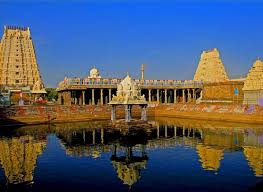
About Chidambaram Thillai Nataraja temple

The Nataraja Temple Chidambaram is also referred to as Thillai Nataraja Temple. This name is on account of the forest of “Thillai” trees that existed here in the past. Chidambaram literally meaning “clothed in thought” or “atmosphere of wisdom”.The main deity of the temple is Nataraja, who dances the Ananda Tandava (Dance of Bliss). Tandava is a type of dance. It can be understood as a pattern of energy flow. Lord Shiva undertakes it for a specific purpose. The Agamas refer to 7 Tandavas – Kali Tandava, Gauri Tandava, Samhara Tandava, Tripura Tandava and Urduva Tandava. The Sandya Tandava is a calm and relaxed dance. It occurs in-between creations. The Ananda Tandava synthesizes all the Tandavas. 

Ananda Tandava 

The Ananda Tandava is said to have first occurred in Darukavanam. Sages Patanjali & Vyagrapadar came to know of this dance and were keen to witness. They performed severe penance at the shrine of Adi Moolanathar. Lord Shiva granted their wish. He performed the Ananda Tandava at the place where the Nataraja idol is presently installed. This act was to bless Sage Patanjali & Vyagrapadar. Besides the main Nataraja statue, the temple also has a Shiva Lingam in Crystal stone (Sphatika) and in Ruby. Daily Abhishekam’s are done to these Lingams. The current Nataraja Bronze statue dates back to the Chola period. 

Adi Moolanathar 

Most visit the Chidambaram temple for Nataraja. But the “Moolavar” main deity of the temple is “Adi Moolanathar”. Much before Lord Shiva appeared here in the form of Nataraja he has been here as a Swayambu Lingam. The origin and date of this Lingam is unknown. It is believed that this Lingam is the energy source for most Lingams in the land. Hence, the name Moolanathar (Lord of the source). As it has been here from the beginning (Adi) of time it is known as Adi Moolanathar. 

Chidambaram Rahasyam 

An empty chamber in the sanctum of the Chidambaram temple is to the right of Nataraja. It stands for Space. This formless aspect of the creator is presented as “Chidambaram Rahasyam” (Secret of Chidambaram). Formless space is the most fundamental of all elements. It forms the basis of the four other elements of the Pancha Bhootha. This space is veiled by a curtain. It is lifted after the puja at certain times. Devotees throng to get a glimpse. Lamps are waved for a very brief period. You can see an empty chamber with hanging golden Vilva leaves. Inside the chamber is embedded a powerful “chakra” that serves as the energy base for the temple. Lord Shiva & Parvathi are said to live here in their formless state.

Pancha Sabha Temples 

In Tamil Nadu, there are 5 temples where Lord Shiva expressed his five functions in the universe in the form of dance. These temples are referred to as the “Pancha Sabhai “ temples or the five dancing halls. They are 

  • Chidambaram (Pon Sabha – Golden Hall) 
  • Tiru Alangadu (Rathna Sabha – Ruby Hall) 
  • Madurai (Velli Sabha – Silver Hall) 
  • Tirunelveli (Tamira Sabha – Copper Hall) 
  • Courtrallam (Chitra Sabha – Hal of Murals) 

Chidambaram is one of the 5 Pancha Sabhai temples. It also has 5 Sabhas – Chit Sabha, Kanaka Sabha, Deva Sabha, Nritya Sabha & Raja Sabha. 

  • Chit Sabha houses the idol of Lord Nataraja.
  • Kanaka Sabha is used for performing daily rituals.
  • Nrithya Sabha is where the Lord Shiva is said to have danced with Goddess Kali.
  • Raja Sabha or the 1000-pillared hall which symbolizes the yogic chakra of the pillared lotus or Sahasra 
  • Deva Sabha houses the Pancha moorthis and a revered collection of historic bronze sculptures and modern-era frescoes. 

The Chit Sabha or Chitrambalam

This is the Sanctum Sanctorum housing Lord Nataraja, his consort Sivakama Sundari and the Chidambaram Rahasyam. 

  • There are 9 Kalashas (Pots) on the roof representing the nine Shakti’s.
  • The door leading to the Chit Sabha symbolizes illusion 
  • The 96 Tattvas of creation are in the shape of 96 windows 
  • The 4 golden pillars in the middle represent the 4 Vedas
  • The 28 wooden pillars around them represent the 28 Siva Agamas 
  • The 64 Kalas (Arts) are represented as 64 beams
  • The 21600 gold leaves shaped like Vilva leaves on the roof represent the average number of breaths a human being takes in a day 
  • These are secured by 72000 nails that represent the energy channels or ‘nadis’ in the human body
  • The Panchakshara (Na Ma Si Va Ya) mantra has 5 syllables. There are also 5 steps leading to the shrine.  

A Divya Desam inside the Chidambaram temple 

Lord Govindraja’s shrine in Chidambaram is 40th in the list of 108 Divya Desam’s. King Nandivarman Pallava II (717 – 782 AD) built the famous Vaikunta Perumal temple in Kancheepuram. He is also said to have consecrated the Govindaraja shrine here. Initially, the Deekshitar worshiped the shrine as a subordinate to Nataraja. In the 10th century there was a dispute between the Vaishnavites & the Deekshitar’s about authority of the shrine. In the 1st half of the 12th century, it is said that Kulatunga Chola II removed the idol. He then dumped it in the sea. It was recovered and taken to lower Tirupathi where it was consecrated and enshrined by Ramanuja. It seems that there was no Vishnu shrine in Chidambaram between 12th & 15th century. Later Achuta Raya who ascended the throne after Krishnadeva Raya reconsecrated the idol in its original place.  

Modern Temple History 

The earliest mention of the “dancing god of Chidambaram” as Shiva is in texts by Appar & Sambandar. (Shaiva Siddhanta saints).These texts are from the 6th and early 7th centuries. Viduvelvidugu Perumthachan is considered the chief architect. Parantaka Chola is said to have started the construction of the temple.

The current structures and plans in the Chidambaram temple complex mostly date back to the 12th and 13th centuries. This includes the mandapas and their pillar carvings, the various shrines, the sacred water pool, and the gopuram. These are attributed to the late Chola and early Pandya kings. After the Pandyas the Vijayanagar kings also contributed to the development & upkeep of the temple. Post the Vijayanagar kings the Cheras & Nayakas of Madurai provided extensive grants and made improvements to the temple. 

The history of Chola kings and their association with Chidambaram runs deep. Raja Raja – 1, the most famous Chola king was an ardent devotee of Nataraja like his predecessors & successors. Chidambaram was the second capital of the Cholas and most kings had their coronations here. 

The records left by the court historians of the Delhi Sultanate state that Malik Kafur raided Chidambaram, Srirangam & Madurai. He also attacked other Tamil towns and destroyed the temples. The Nataraja temple was one of the sources of the gold and jewels booty he brought back to Delhi.

The Deekshitar’s

The Chidambaram Deekshitar’s are said to have migrated from Mount Kailash with Lord Shiva. They were 3000 of them initially, now they are about 500 families. In the Chidambaram Mahatmya, Lord Shiva explains to Nandi. He states that the Deekshitar’s fully understand the sanctity and greatness of Nataraja. They are also well versed in the scriptures. Till date the Deekshitar’s conduct the worship as laid down by Patanjali based on the Vaidika Puja tradition. 

This is the only temple in Tamil Nadu that is not managed by the Government. The 500 Deekshitar families manage full control. This is probably why you will not see tickets for special darshan. Security does not frisk you. Priests do not hound you for money. The energy and sanctity of the temple has been maintained very well by the Deekshitar’s. This adds to the uniqueness of the temple

If you need a detailed tour of the temple, you need to connect with a Deekshitar. For access to the Sanctum Sanctorum platform, you should also reach out to a Deekshitar. 

Temple Daily Rituals & Festivals 

There are 6 worship services every day.

  • Kala Sandhi – between 6 & 7 AM 
  • Second Kalam – 10.30 AM (Abhishekam to Sphatika Lingam & Ruby image of Nataraja) 
  • Uchi Kalam – 12 Noon (Abhishekam to Sphatika Lingam) 
  • Saya Rakshai – 6 PM, Most elaborate. During this time, 16 offerings are made to the Sphatika Lingam as part of the Shodasa Upachara. The grand finale of this Kalam is the parting of the curtain three times to reveal the Chidambaram Rahasyam
  • Evening Second Kalam – 7 PM , The doors and the windows of the Chit Sabha are completed closed during the puja for the Chidambaram Rahasyam
  • Artha Jamam – 9 PM, The Artha Jamam puja is performed with special fervour. All the divine beings are said to witness it. Lord Shiva retiring in the night chamber is symbolic of the Universe returning to the seed form. The 1st puja is symbolic of beginning of creation.

The temple opens at 6 AM. Devotees escort Lord Shiva’s bejeweled silver padukas from the night chamber (Palli Arai) to the Sanctum Sanctorum in a palanquin. This is a beautiful event accompanied by cymbals, chimes, trumpets, and drums. In the Chit Sabha, the padukas are placed close to Lord Nataraja in the Chidambaram Rahasyam chamber.

After the Deeparadhana at 10 PM, the priests ceremoniously take Lord Nataraja’s holy Padukas from the Chitt Sabha. They carry them in a palanquin to the night chamber. After the rituals and the Aarti, the Lords Padukas are placed on a swing in the Palli Arai next to Devi. They are then rocked slowly. Then the doors are shut

Six Abhishekam’s are performed for the Sphatika Lingam every day. The Abhishekam for Lord Nataraja & Sivakami is conducted 6 times every year. This is called Maha Abhishekam. 

The 6 Main festivals 

The two annual grand Brahmotsav festivals are 10 day festivals and are celebrated in 

  • Marghazi (Dec 15 – Jan 15) concluding on the full moon day of Arudra.
  • The second of these grand festivals occurs in the month of Aani (May – June). It concludes with Aani Tirumanjanam on the 10th day of the Uthiram Nakshatra.

These are grand festivals attracting large number of devotees. Special functions are arranged on each day. On the 9th day, the Lord is taken in a procession on a chariot around the temple streets. . This is an experience to behold once in a lifetime. 

Other than the Brahmotsavams a grand dance festival called Natyanjali is also celebrated at Chidambaram every year. 

Maha Abhishekam (the great holy bathing) of the deities, Lord Nataraja and Goddess Sivakamasundari, is conducted six times a year. These occur on certain specified dates. 

  1. Tiruvonam star day, month of Chithirai, at the Kanaka Sabha. 
  2. Utara star day, month of Ani, at the Thousand Pillared Mantapa, as part of the Ani Tirumanjanam festival. 
  3. The Purvapaksha chaturdasi day in the month of Avani at the Kanaka Sabha. 
  4. The Purvapaksha chaturdasi day in the month of Purattasi at the Kanaka Sabha. 
  5. Arudra (Tiruvadirai) star day, month of Margazi, at the Thousand-Pillared Mantapa, as part of the Arudra Darshanam festival. 
  6. The Purvapaksha chaturdasi day in the month of Masi at the Kanaka Sabha. 

Temple Architecture 

You need to spend a few days to visit and explore this massive, grand temple. Allow yourself to absorb the energy at different times of the day. Don’t rush through in a few hours. 

The temple had a pre-Chola existence. Its architecture is a combination of Chola and Pandya styles. The Sanctum Sanctorum closely resembles Kerala style structures. Indeed, the royal charters mention the rebuilding of the Sanctum using architects from Kerala. Nevertheless, the golden roof is a striking example of Vesara  architecture with its apsidal shape. (Vesara is a hybrid form of Indian temple architecture that combines Southern Indian site layouts with shape details characteristic of the Nagara style of North India)

  1. Spread across 40 Acres, the temple is designed in 5 concentric courtyards, 4 of which are accessible to public. The Chitt Sabha (hall of consciousness) is considered the oldest.
  2. The Sivakami Sundari temple, the Raja Sabha, 100 Pillared hall – are attributed to the 12thcentury Cholas. 
  3. The 4 Gopurams in the outer parikramas are gigantic masterpieces with seven tiers. In the towers on either side of the gateway there are representation of the 108 poses of Bharat Natyam. 
  4. There are many shrines with the complex, the second largest after Nataraja being that of his consort Sivakami Sundari. She is the mother of the universe – Parashakti. She offers darshan as a six foot tall beautiful mother providing bliss to her devotees. There are many more shrines for Subramanya, Ganesha, Nandi, Kali, and Mahishasuramardini. There is also a Surya shrine with chariot wheels. 
  5. Close to the Devi temple is a shrine with Adi Shankara’s statue and a large Sri Chakra Yantra. Locals believe that the Sri Chakra was installed by Rishi Suka Brahma. Normally the Sri Chakra is inside the Sanctum Sanctorum – this is a unique case where it is outside. 
  6. As you finish the circuit you cross the grand Shiva Ganga Teertha. 

Thillai Kali 

Dedicated to Kali this temple is located ½ km from the Chidambaram Nataraja temple. Goddess Parvathi took the form of Kali to vanquish some demons. Even after destroying the demons her ferocity continued unabated. Lord Shiva engaged in a dance contest. The thrilling meeting ended with Shiva winning. He performed the Urduva Tandava (Shiva lifting his leg 90% upwards). This was a pose Devi was unable to execute. Kali was subdued and she retreated to live in the outside boundary. 

Where to stay at Chidambaram 

Option – 1 : Hotel Akshaya. They have large rooms including Suites and car parking. An excellent A2B is on the Ground floor serves great food. It’s a 5 min walk from the East Entrance. This has limited car parking.

Option – 2 : Arudra Residency. On the East entrance path, 100 m from the temple main entrance. Smaller hotel with small rooms. 

Option – 3 : Lakshmi Vilas Heritage. It is a heritage village with 16 rooms. This village is about 15 Km south of Chidambaram. It is a large property with lots of greenery. There is a nice pond and a 150-year-old temple in its compound. This property serves Non Veg food

Best place for food is A2B (Adayar Anand Bhavan) – excellent variety, very neat and clean. The next best option is Sri Krishna Vilas. Smaller place on the main road. Gets very crowded. Food is good – some guests I have referred felt that the cleanliness was not upto par.

Additional Points 

  • If you stay at Arudra Residency, Parking is on the main road – East Car Street. You enter the temple from the East Gate. Akshaya hotel has a few limited parking slots. During Brahmotsav festival no parking is allowed on the main road to allow passage for the chariot procession.
  • Dress code is traditional , If you go up the Sanctum podium you need to wear dhoti & sari, men remove the shirt
  • No checks for phone – but no photography & Video of temple 
  • Drive from Bangalore is 6 – 6 ½ hrs depending on the day and time of departure 
  • In and around Chidambaram are many ancient temples. Tanjore & Kumbakonam are close by. The famous Vaitheeswaran temple is an hr away. 
  • Pondicherry is a few hrs from Chidambaram 
  • Best time to visit is Jan – Feb. Summers are very hot and Sep – Mid Dec is the rainy season.
  • Thiruvanamalai can be covered on the way back – its 3 hrs from Chidambaram. 

Reference 

Mystical Chidambaram – Universal Publishing

https://recentscientific.com/sites/default/files/10717-A-2018.pdf

http://www.chidambaramnataraja.org/about_temple.html

https://en.wikipedia.org/wiki/Nataraja_Temple,_Chidambaram#Rituals
Pandya Nadu in Tamil Nadu

18 Dec

Pandya’s – A great empire spanning ~ 2500 years 

Indian history has been unfair to the South. The great empires of Cholas, Pallavas, Pandyas, Cheras & Chalukyas are more of a footnote in a Delhi dominated narration. Tamil is one of the worlds oldest languages. Shaiva Siddhanta considers Tamil & Sanskrit the two eyes of Lord Shiva.  Tamil history and culture is as ancient as Sage Agastya. This is the land of great saints like Thirumoolar, Sambandar, Appar, Sundarar, Manikkavacakar, Bhoganathar & Sadashiv Brahmendra. It is also the land of great musicians Thyagaraja, Muthuswamy Deekshitar, and Shyama Shastri. Bharatanatyam, the oldest Indian classical dance form originated in the Tanjore district of Tamil Nadu and is regarded as the mother of many other classical dance forms of India. 

The Pandya dynasty also referred to as the Pandyas of Madurai, was an ancient Tamil dynasty, and among the four great kingdoms of Tamilakam, the other three being the Pallavas, Cholas & the Cheras.

This Blog is based on a 3 day trip called the Pearls of Pandya’s organised by Heritage Inspired. A unique company which presents history, art & culture of the ancient empires of S India in a very innovative manner. Supported by highly competent people they provide in-depth knowledge across very well organised trips. Do check them out and plan your next travel with them. (www.heritageinspired.in)

Pandyas – a brief introduction 

  • The Pandyas are the oldest among the Tamil kingdoms with a long history spanning over 2500 years. They belong to the Lunar race (Chandra Vamsha) and their symbol is the double fish.
  • Their era can be broken into these divisions 
    • Sangam Pandyas – 300 BC to 300 CE – Korkai Port
    • Early Pandyas – 600 to 1000 CE – Madurai 
    • Later Pandyas – 1100 to 1200 CE – Subdued under the Cholas – Madurai 
    • Later Pandyas – 1200 to 1400 CE – Madurai 
    • Tenkasi Pandyas – 1500 – 1700 CE – Tenkasi

Pandyas were famous for three things – Literature, Trade & Water Management. 

Sangam the great cultural events of poetry and music were orchestrated under their era. A repository of over 2000 poems in Tamil. composed by 470+ poets have been preserved. The poetry of the Sangam era is largely about love (akam) and war (puram). The Sangam literature also includes Buddhist and Jain epics.

Trade – They had extensive trade in India & across the world – strategically placed along the key trade routes both land & sea – they did business with the ancient Romans, Greeks, Arabs, Chinese, Africans, Egyptians & SE Asians. The trade of horses was very common during this period. Other goods traded included spices, pearls, precious stones, elephants and birds. The busiest port town under the Pandyas was Kayalpattinam (now in Thoothukudi district)

Religion  – It is believed that initially the Pandyas followed Jainism but later adopted Shaivism. Medieval Pandyas and later Pandyas repaired many temples and endowed them with gold and land. Patronage was also extended to Vedic practices. The impartiality of rulers towards both Shaivism and Vaishnavism is also made known in the invocatory portions of the Pandya inscriptions

Administration 

  • Kings and local chiefs created Brahmin settlements called Mangalam or Chaturvedi Mangalam with irrigation facilities. These settlements were given royal names and names of the deities
  • The prime minister was called Uttaramantri. The royal secretariat was known as Eluttu Mandapam. The titles of military commanders were Palli Velan, Parantakan Pallivelan, Maran Adittan and Tennavan Tamizhavel

Madurai was their capital – around 1311 under Malik Kafur  the Delhi Sultanate usurped Madurai for 50 years. This was a dark period where wealth was plundered and temples were looted and ransacked. Post this Vijayanagar rule was imposed. After 1328 the Pandyas never regain Madurai and are pushed down south to rule from a few places around the Thamirabarani river and are called the Tenkasi Pandyas. At their zenith in 1270 AD the Pandyas ruled over all of TN , a part of S Karnataka, parts of S & Coastal Andhra and parts of Sri Lanka. 

Pandya empire in 1270 AD

The Pandya’s were not prolific temple builders like the Cholas, Hoysalas & Pallavas. 

The Pandyas entered their golden age under Maravarman I and Sundara Pandya (13th century). The latter used the vast treasure he got out of his wars to beautify the Nataraja temple in Chidambaram and the Vishnu temple in Srirangam. For gold plating the roofs of these two temples he was given the title of “pon veindha perumal”. He acknowledged the contributors of other dynasties to Tamil Nadu by building a gate at the Sri Ranganathaswami Temple at Srirangam in which he engraved the names of all the four great empires of Tamil Nadu namely the Cholas, Pallavas, Pandyas and the Cheras. He also built the East tower of the Meenkashi temple. He gold plated and placed the gold gilded Kalasam atop the gopuram of the Vimana of Tirumala. In 1263 CE, he renovated the Gopuram of Koneswaran temple and his son Veera Pandyan implanted the Pandyan victory flag and insignia of a “Double Fish” emblem at Konamalai. 

What we covered in our 3 day trip 

Day – 1 

  • Madurai Meenakshi Temple 
  • Kalaingar Centenary Jallikattu Arena, Alanganallur Vadivasal
  • Muniyandi temple in Alanganallur– the Gaurdian deity of the locals. Here we were entertained to folk dance by the locals. 
  • Kallalagar Temple – one of the 108 Divya Desams

Day – 2

  • Kazhugumalai – Unfinished Shiva temple -Vettuvan Kovil, a beautiful Monolithic temple that dates to 850 AD. Jain Monk caves & Bass relief.
  • Tirumalapuram Cave Temple – Shiva 
  • Kashi Vishwanath temple – Tenkasi 
  • Cultural program – Kutralam Kuravanji
  • We were staying at a resort overlooking the Agastya Hills , 1 km from Kutralam falls – however heavy rains from the previous few days restricted our visit to the falls

Day – 3

  • Kulashekara Perumal Kovil in Mannarkovil – a beautiful Vishnu temple with Ashtanga Vimana
  • An ancient Shiva temple in Tirupudaimaradur where we walked up the narrow steps of the Gopuram and were amazed with wall painting dating back to 1500 AD 
  • Adichanallur an archaeological site – famous for a number of very important archaeological finds. Korkai, the capital of the early Pandyan kingdom, is located about 15 km from Adichanallur. 

What makes this trip by Heritage Inspired (HI) unique 

  • An avid traveller and Tamilian – I had not heard of many of these places. It was great discovering them and getting educated. 
  • HI had special access to many places and we visited areas which are normally out of bounds 
  • Not only was the trip planned and executed to perfection – there was detailed commentary and insights on the places we visited. The professional inputs from Professor Kannan, Parvathi Madam & Senthil were excellent. 
  • We stayed in nice resorts, food was excellent , from the time the trip started till we got dropped off we did not have to spend a single rupee. 
  • The cultural programs / folk dances were the icing on the cake and we thoroughly enjoyed it
  • The rates for this trip were very reasonable – if you had to do a trip like this solo it would have cost 3X. 
  • Excellent group of people

Geographically the 5 terrains of land, kurinji (hill terrain), mullai (forest land), marutham(flat open land), neithal (coastal land) and palai (arid land) broadly are the natural divisions (thinai) of land on earth with probably a few subdivisions. Pandya country was endowed with all 5.

During these 3 days we travelled ~ 325 KM and covered most of these territories. Mid Dec after the rains the land was green and fertile. Roads were excellent. Population looked sparse. Local people in general looked happy and contented. The water management system established 1000+ years ago by the Pandya, Chola kings are the foundation on which current day farming still happens. In the absence of perennial rivers the ancient systems still serve the population effectively. 

Details to plan you trip with Heritage Inspired

__________________________

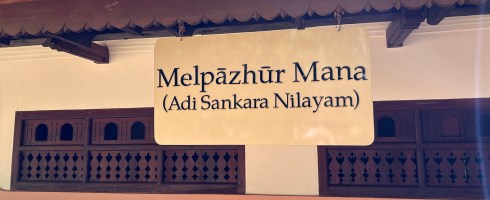
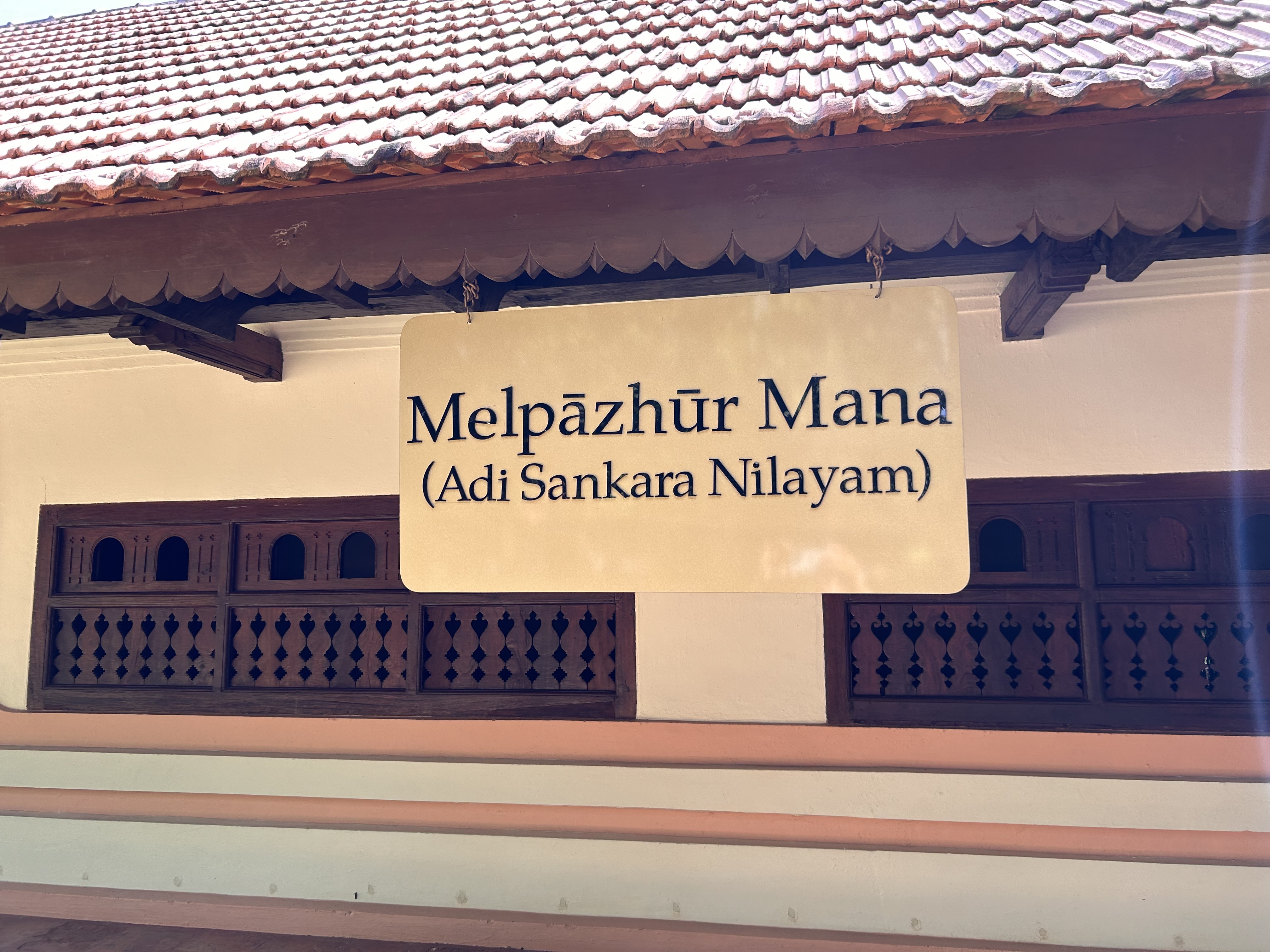
Adi Sankara Nilayam – The “Mana” where He was born

7 Feb

Kerala “God’s own country”, the land created by Parasurama – home to ancient revered temples, the land where Goddess Bhagavathi is worshipped in every village – is also the hallowed land where the great vedantin Adi Shankara was born.

While most assume his birth place was Kalady, his mother Aryamba’s family home (Mana) was Veliyanad. Children are born in the maternal home – especially in those days. There is strong evidence that Adi Shankara was born and spent many of his early years in Melpazhur Mana his ancestral maternal home. Kaladi was his paternal home next to the Periyar river where he went for his gurukul studies, this is also the place where the crocodile is said to have caught his leg.

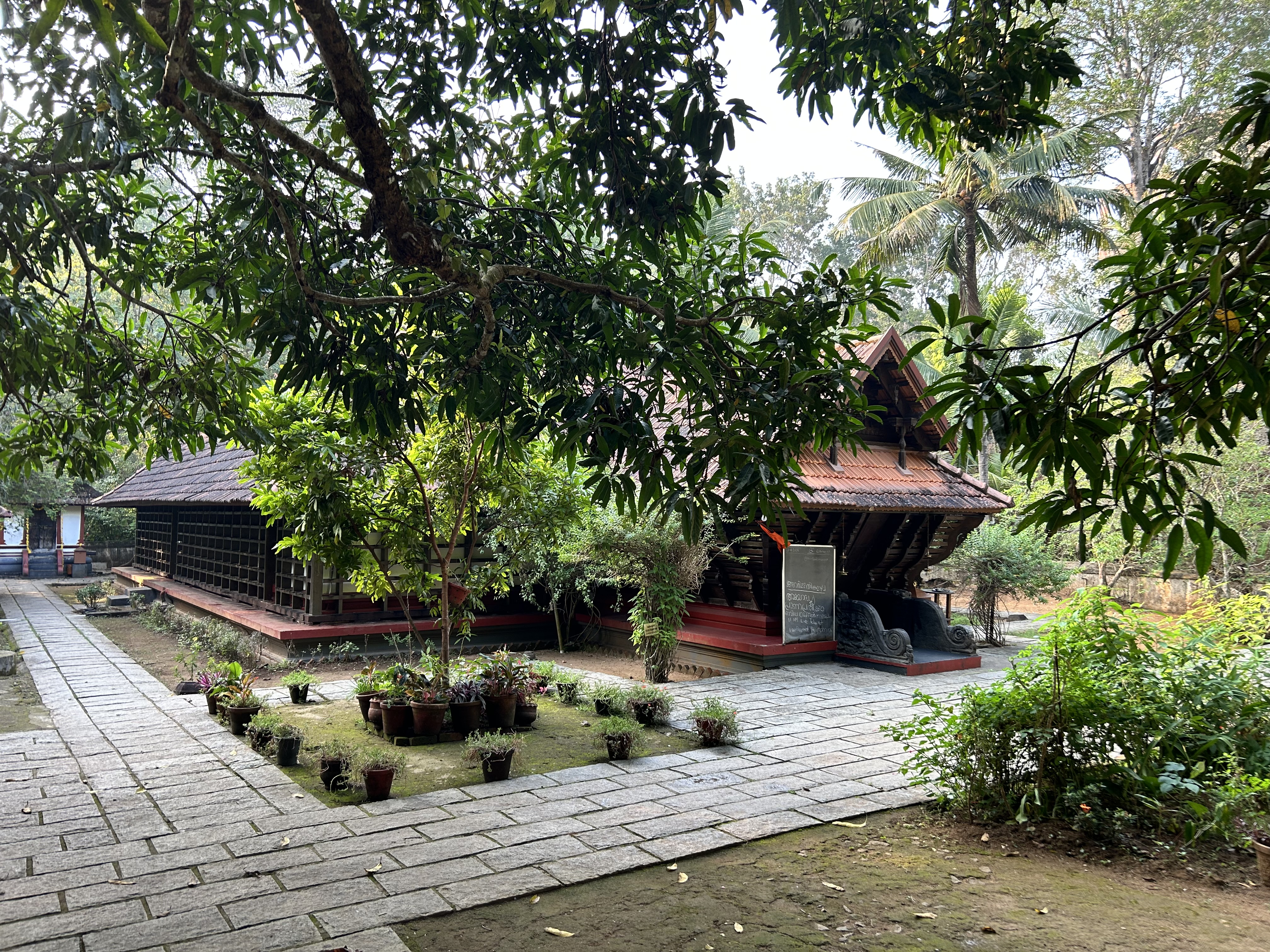
Both the places where in bad shape with no support / attention from the Government. Kaladi is now maintained by the Sringeri Mutt, while Swami Chinmayananda has established a wonderful ashram at Adi Shankara’s maternal home. Renamed Adi Shankara Nilayam the abode of Chinmaya International Foundation (CIF) they have carefully restored the ancient Mana and the family temples. An energised oasis of greenery and tranquility the ashram at Veliyanad is a place worth visiting for spiritual aspirants. Not only is it treasured as the birth place and maternal home of Adi Shankara – but is also a centre for Sanskrit and Indic research.

Where is it located – how to reach

About 30 km from Ernakulam, the closest station is Piravam Road. A 20 min auto ride from here takes you to CIF . Kaladi is ~ 50 km from here. There are convenient overnight trains from Bangalore. Located in a small hamlet, Veliyanad, in Ernakulam District, Kerala, India, CIF stands in a 11 acre plot of land amidst luxuriant sun-blessed greenery, temple shrines and lotus ponds. It offers an ambience of peace and solitude for study, research and contemplation to aspirants from all over the world.

How do I book a room

Send a mail to anil.pillai@chinfo.org stating your interest and why you want to visit. AC rooms are 1500 / person inclusive of breakfast / lunch / dinner / tea.

What is CIF 

Chinmaya International Foundation (CIF), the Academia of Sanskrit Research and Indic Studies, is the research wing of the Chinmaya Mission Worldwide. It is a centre of excellence for the study, research and dissemination of knowledge in the areas of Indian philosophy, culture, art and science.

Established in the year 1989, CIF is housed in Adi Sankara Nilayam, the hallowed maternal birth home of the great saint, savant and philosopher Sri Adi Sankara.

What is the Melpazhur Mana / Adi Shankara Nilayam 

‘Melpazhur Mana’ is a Nambutiri Illom or Mana (home of a Kerala Brahmin). This sacred dwelling is the ancestral, maternal home and birthplace of Adi Sankara. Local tradition has it that Adi Sankara’s vidyarambha and upanayana ceremonies were performed at Melpazhur Mana. Today, this place of pilgrimage is named ‘Adi Sankara Nilayam’.

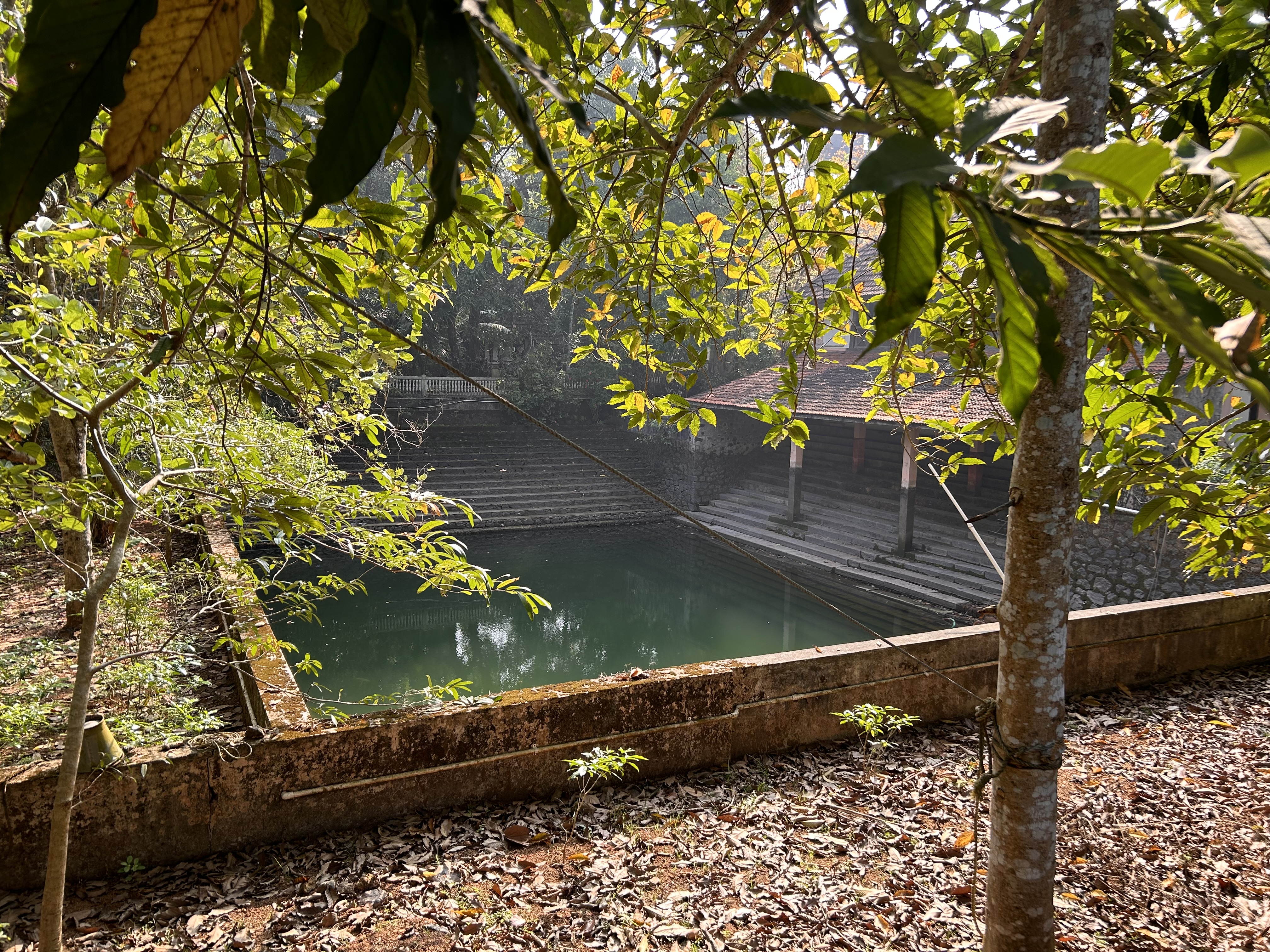
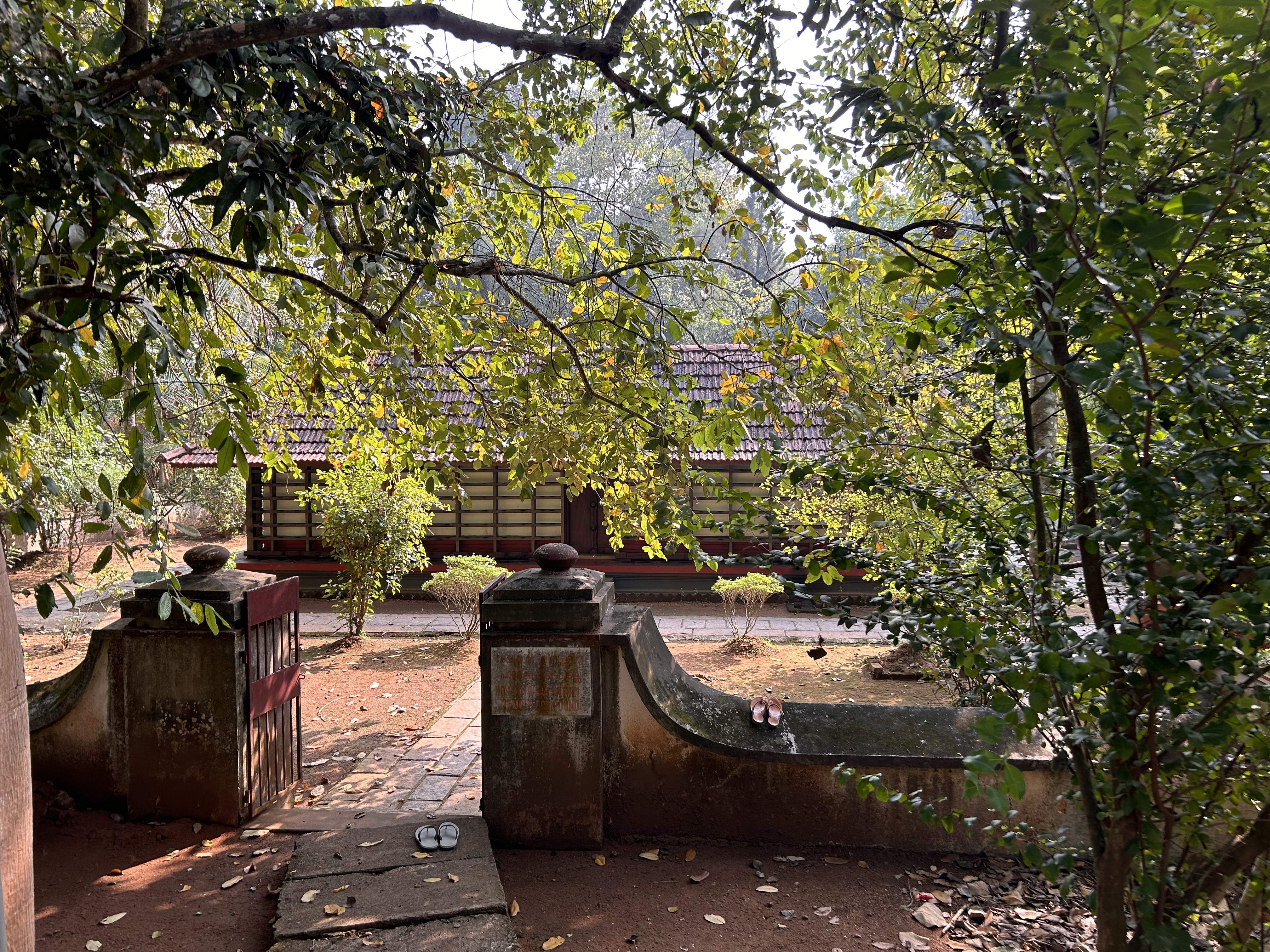
Set in Kerala’s lush, green country, amidst temple shrines and lotus and lily ponds, Melpazhur Mana offers a spiritual ambience that attracts aspirants who come in search of peace and solitude from the world over. Within the Mana stands the awe-inspiring quiet grandeur of the nalukettu (a building which has a four-winged architectural design) on an extensive compound of 11 acres.

This age-old Nambutiri house highlights Kerala’s sacred and graceful traditions of yore. Its structural strength and design exquisitely blend utility and art, wood and granite, work and worship. The Mana — now a four-winged structure (nalukettu) — was originally an eight-winged structure (ettukettu). The outer four wings were dismantled. The now downsized Mana still exudes the spiritual glory and affluence of old, in its serene character and architectural design.

The northern wing hosts the room ‘Thevarappura’, wherein the daily agnihotra, havans (fire rituals) and other forms of ritualistic worship were conducted. The western wing has an underground cellar ‘Nilavara’, as well as specially designed rooms where the household could store grains, temple ornaments and utensils. The southern extension features the ‘thekkini’, where large family gatherings feasted on special occasions. And finally, in the eastern section, close to the traditional kitchen and well, is the sacred room where Adi Sankara was born.

The walls of the Mana are adorned with Kerala Murals that depict his life events.
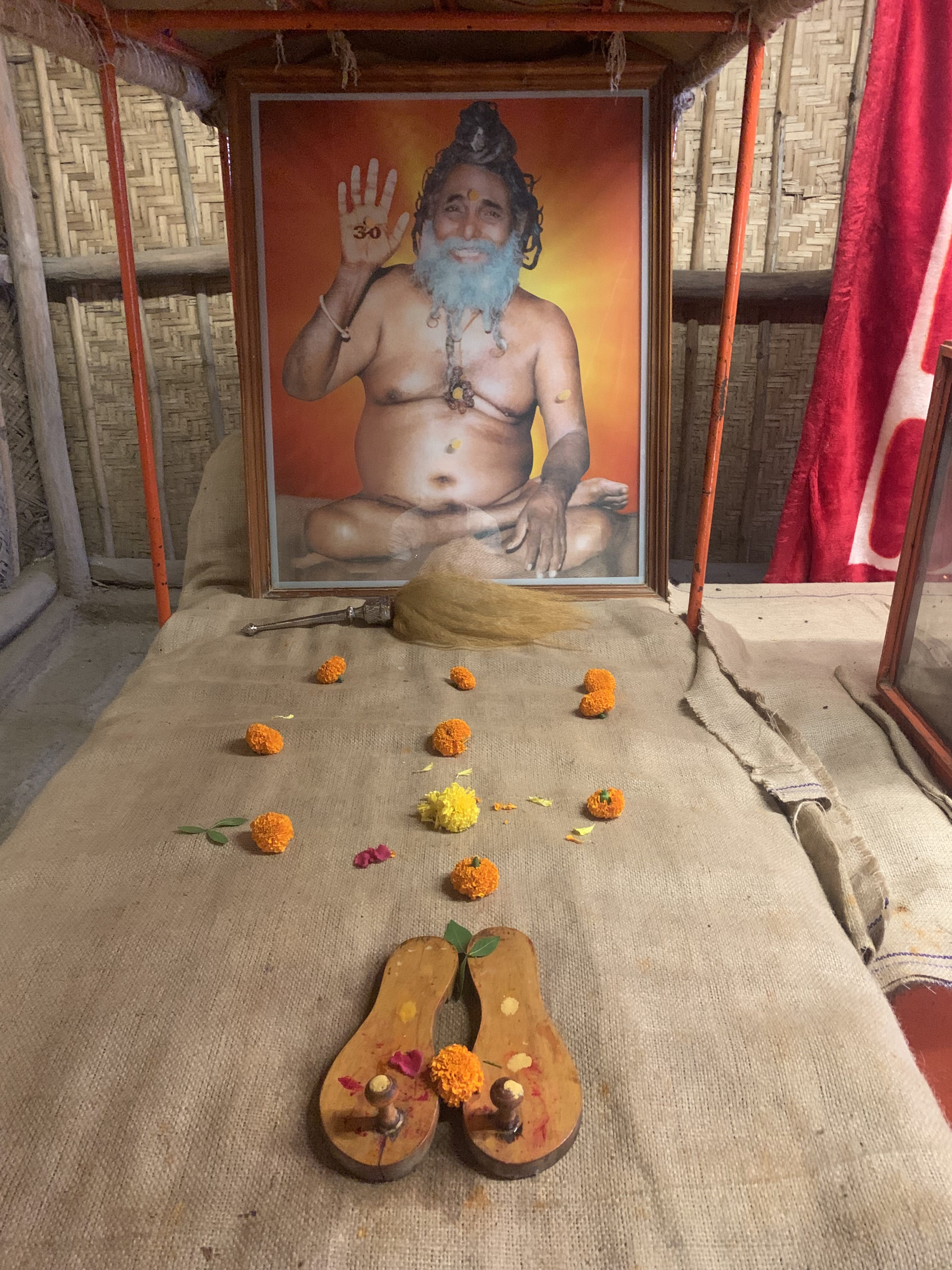
In order to enhance the feeling in seekers and help them reach into their own divinity, an idol of Adi Sankara vigraha, was installed in 2015. Meditating in this room is most fulfilling and effortless. Truly, Sri Sankara is felt here in the light of the ever-lit akhanda jyoti and the regular chants and prayers that fill this room. An Arti is conducted every morning at 8 AM.

Temples in the Mana

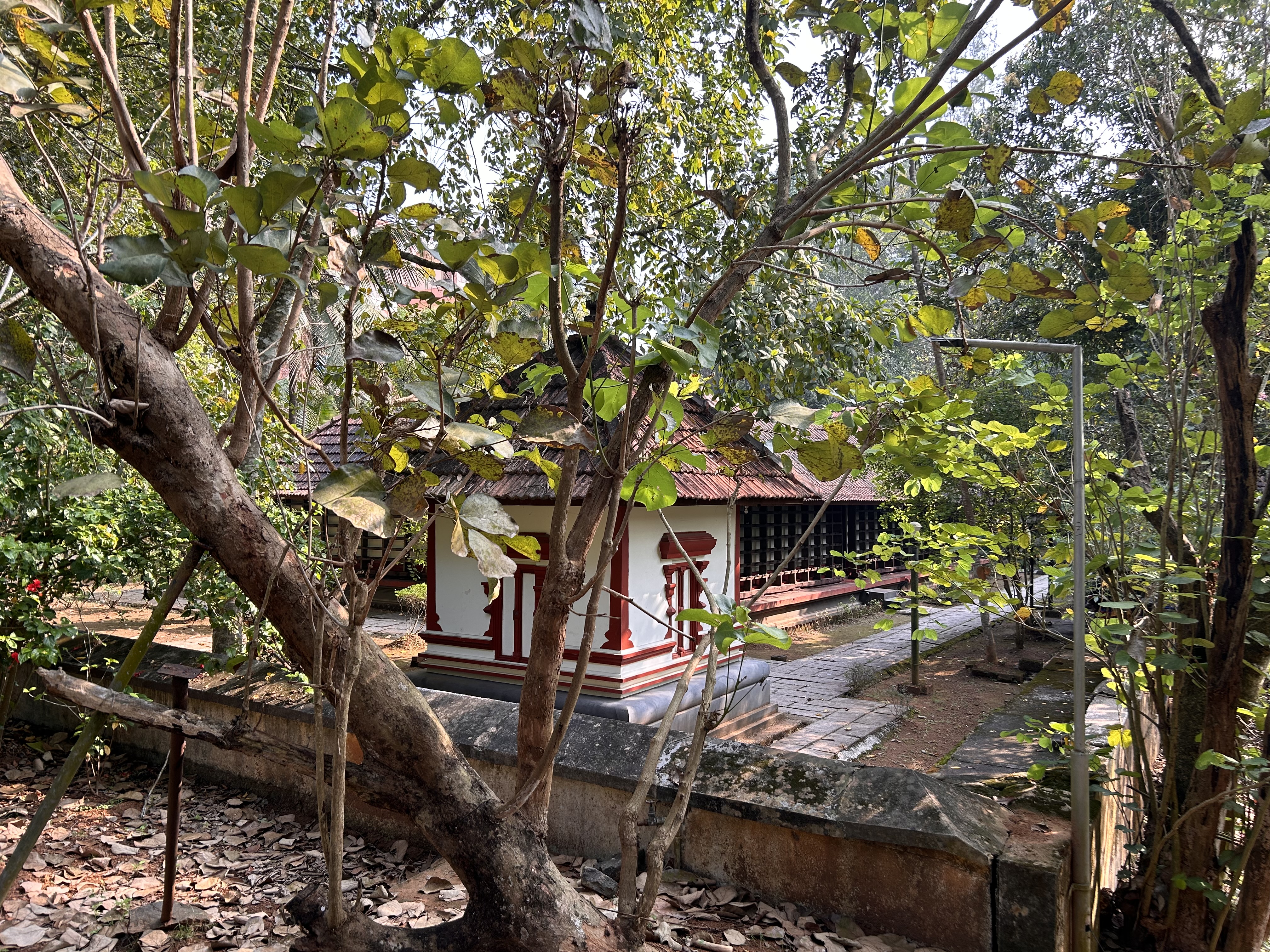
Melpazhur Mana houses ancient temples from an era gone by, temples ostensibly worshipped by Sri Sankara and his mother. We have on these premises the ancient shrines of Ayyappa, Rama, Krishna, Ganesha, Vettakkoruvan (Kirata Siva, the family deity of Melpazhur Mana), and Goddesses Nagayakshi and Bhagavati. The pond adjacent to the temple compound adds immense beauty to the serene surroundings and artistic structures.

The Ayyappa temple is supposed to be a Swayambu. Temple shrine opens at 5.30 AM – if you visit at 5.45 AM you can see the Abhishekam. Evening the temples open at 5.30 PM – Aarti is around 6.30 PM (please double check on timings once you reach). The temple

https://www.chinfo.org/templesInAdiSankaraMilayam/

Other places to see in Adi Sankara Nilayam 

They have a well stocked library and there are research scholars working on ancient palm leaf manuscripts decoding them and restoring them. The book shop is also a must visit with an excellent collection of books. There is a small hall where they conduct talks / workshops.

The lunch room serves excellent sattvic food. Breakfast is at 8 AM, Lunch at 1 and dinner at 8 PM. Before each meal the residents chant Chapter 15 of the Bhagavad Gita – so wait before you start eating.

How much time should I plan here 

We spent a day – reached at 8.30 AM just in time for breakfast and left at 9.30 AM the next day. This was perfect to have a relaxed trip through the campus.

CIF conducts many programs on Indic / Sanskrit topics. These are multi day events if you decide to enroll and attend. Visit their website for more details.

How is the weather

Nov to Jan is the best time to travel – rest of the year can get hot.

What else can I visit 

Kerala is studded with ancient temples. It is indeed a contradiction that this great land of the Gods is now under the Communists.

Kaladi is near the Cochin Airport. That is also worth a visit.

If temples are your interest there are many options. Chootinakara Bhagavathi temple is only 15 km away

You can also drive to Trichur / Guruvayur and visit the the temples there, Trichur is a 100 km 2 1/2 hr drive from CIF

Kodangallur Bhagavathi temple is not far from Trichur – 1 hrs drive. The Koodalmanikyam temple in Irinjalakuda is the only temple dedicated to Bharata. This is close to Kodongollur.


Navnath Temple from Shirdi – Trip Planner

20 Jul

Who are the Nath Yogis ?

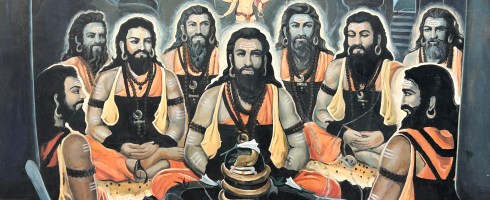
The Yogis who belong to the Nath Sampradaya, and perform special yogic practices are called the Nath Yogis. Nath or Natha is a Sanskrit word which means “Lord, Master or Protector”.

Nath Sampradaya was supposed to have been founded by Adi Nath, who is none other than Lord Shiva himself. The knowledge of Hatha or Raja Yoga was then passed on to Matsyendranath, Gorakshanath and so on in a succession of a Guru – Shishya (disciple) manner. In this way the knowledge and its essence was preserved in its pure form. Some members of the Nath Sampraday believe Rishi Dattatreya, an incarnation of the Hindu trinity Brahma, Vishnu and Shiva was its first teacher. A notable aspect of Nath tradition practice has been its refinements and use of Yoga, particularly Hatha Yoga.

To know more about Nath Sampradaya click the link below.

More about Nath Sampradaya

Nav Nath 

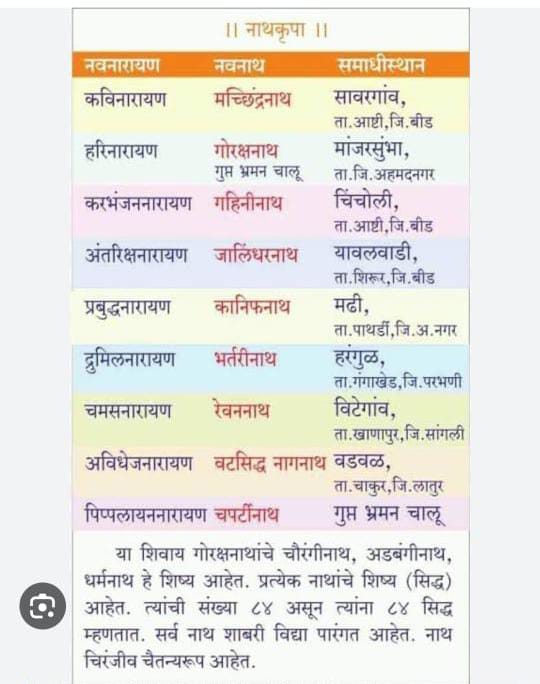
Navnath are the nine saints on whom the Nath Sampradaya, the lineage of the nine gurus, is based.

  • Machindranath or Matsyendranath
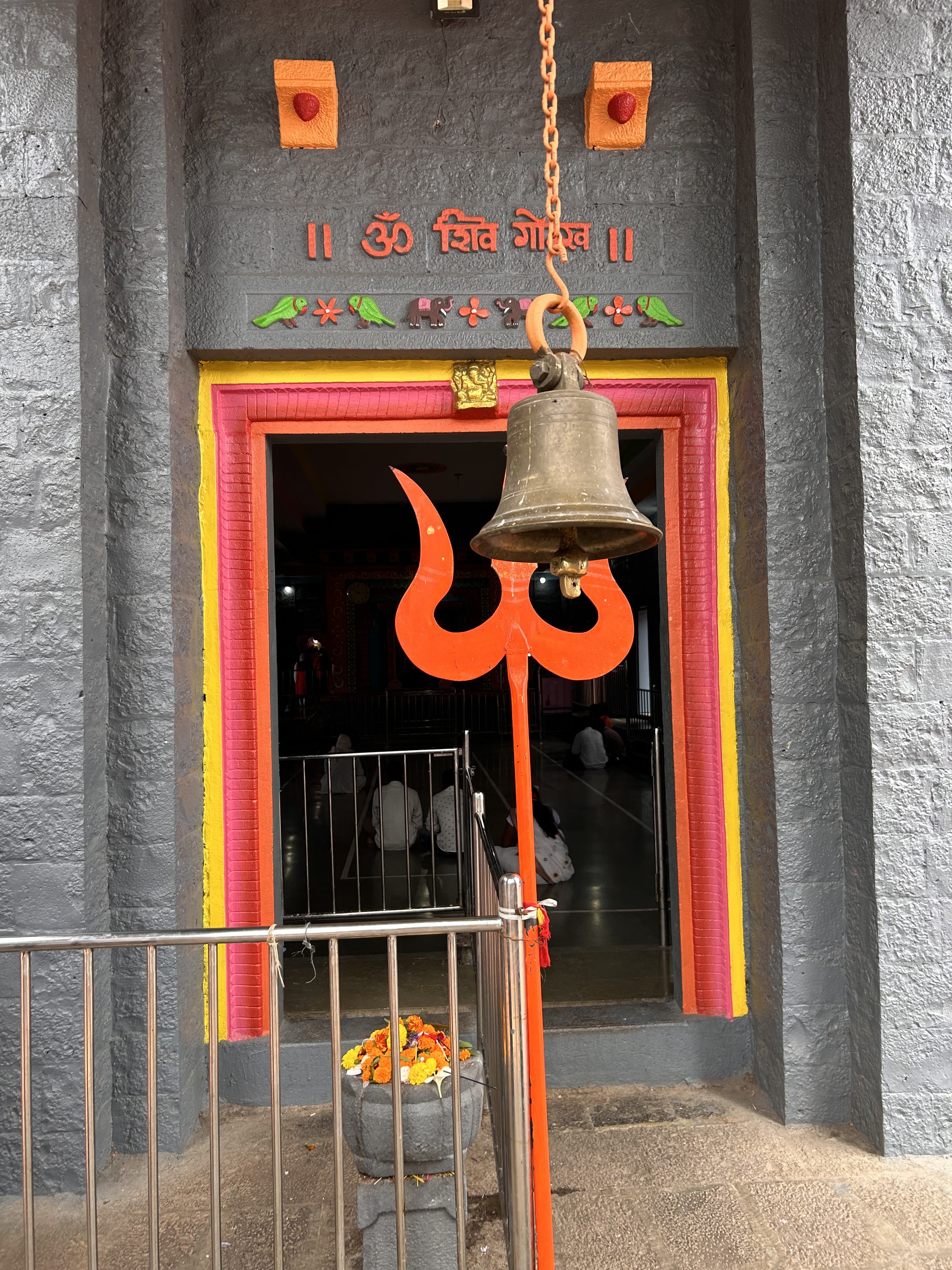
  • Gorakshanath or Gorakhnath
  • Jalindranath
  • Kanifnath or Kanhoba
  • Gahininath or Gehininath
  • Bhartrinath or Bhartarinath or Raja Bhartari or Bhartṛhari
  • Revananath or Revan Siddh or Kada Siddha or Ravalanath
  • Charpatinath or Charpatakshnath
  • Naganath or Nageshnath

Navnath Temple in Maharashtra 

Navnath’s are highly revered in Maharashtra and they have a large following. There are 9 Temples / Samadhis of these saints which are very popular among the locals. Very limited knowledge is available in the public domain about these temples and this Blog should help those interested in visiting these divine places.

If you want to visit these temples contact Sai Aditya Travels Shirdi (Arvind) and ask for driver Rahul or Sachin + 91 99705 75677, +91 96232 60379
Trip Plan 

With Shirdi as base we started at 7.30 AM and headed out on the Ahmednagar Manmad highway. After ~ 35Km we stopped for breakfast at Samadhan Hotel.
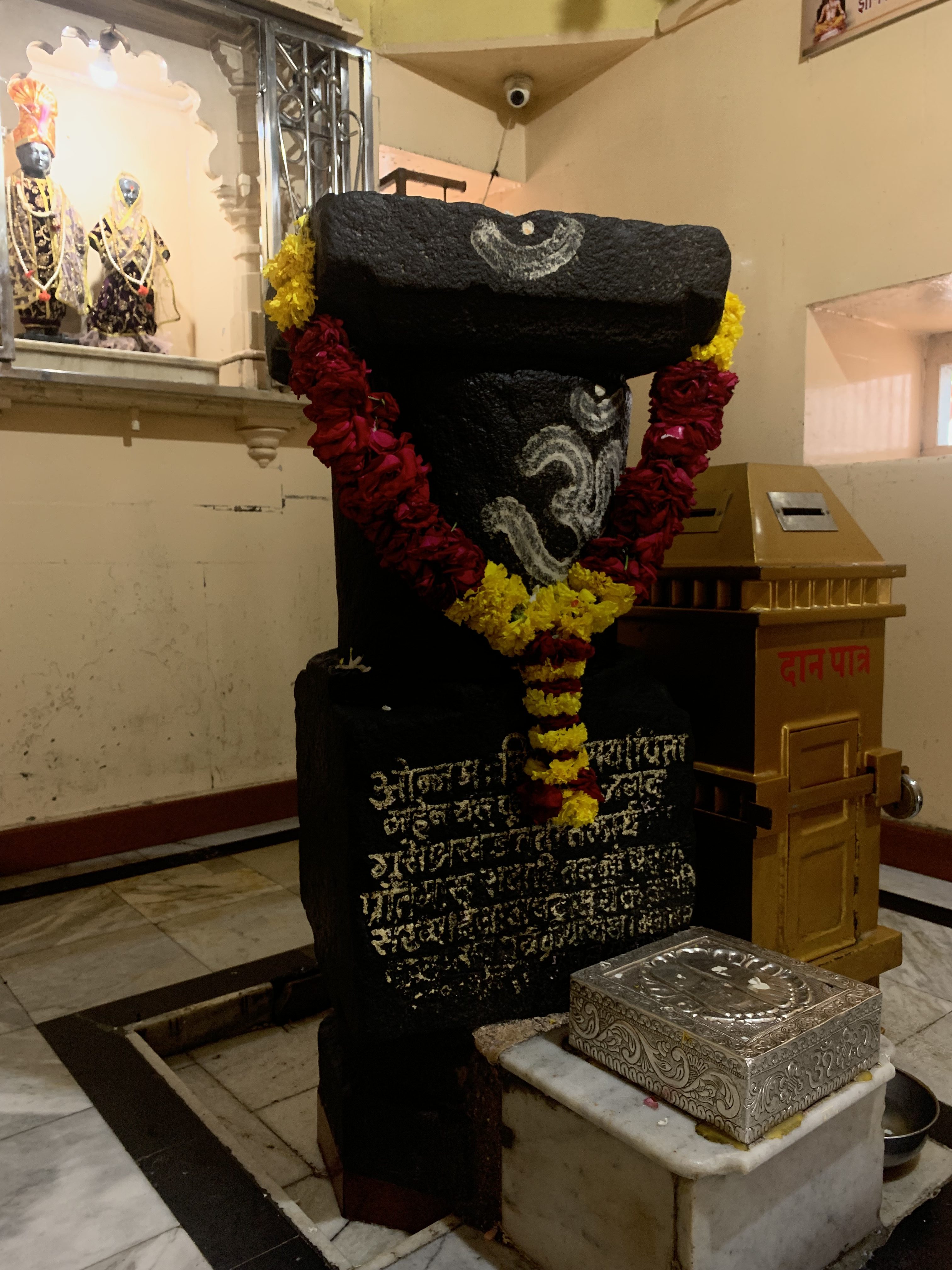
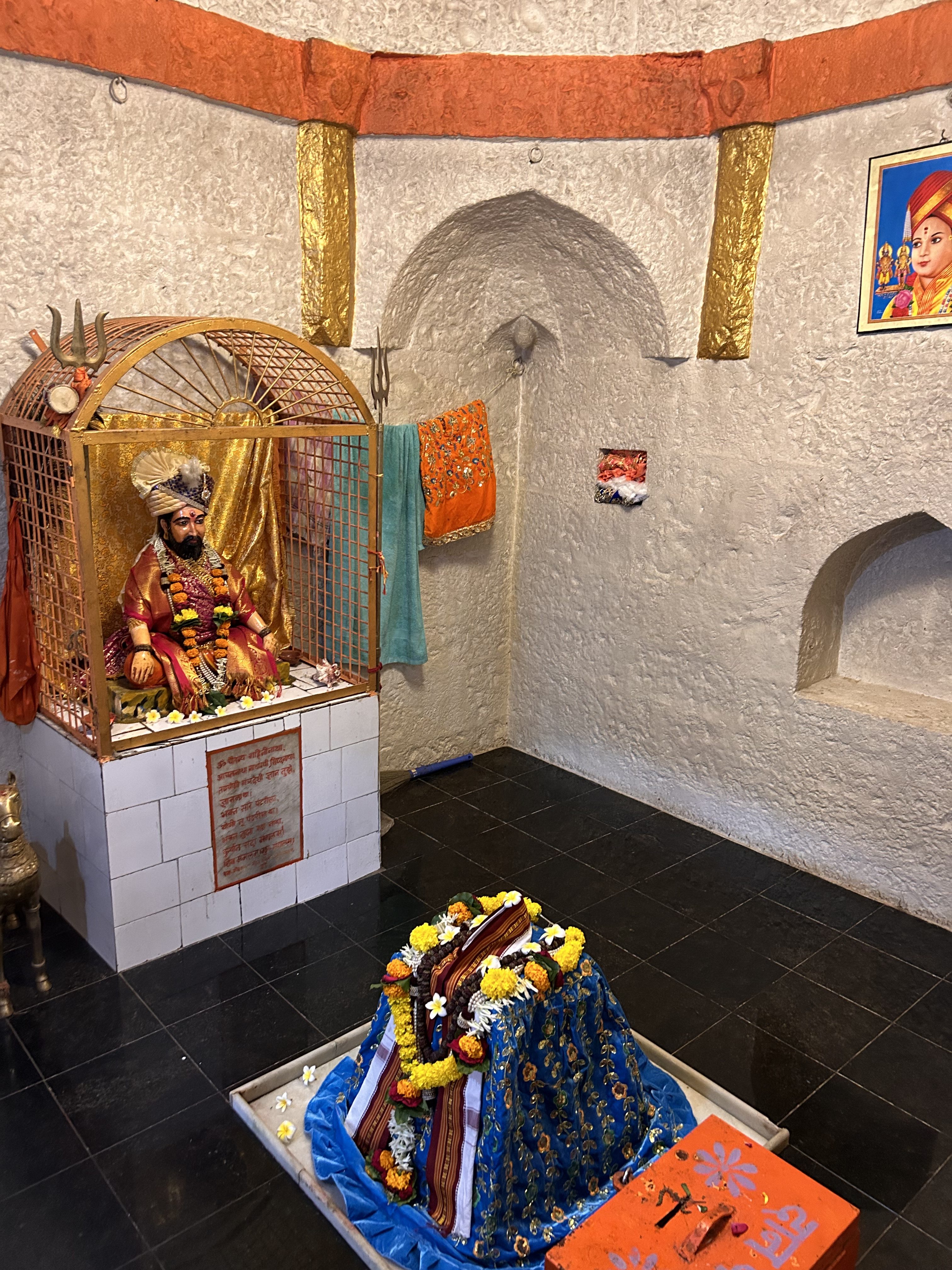
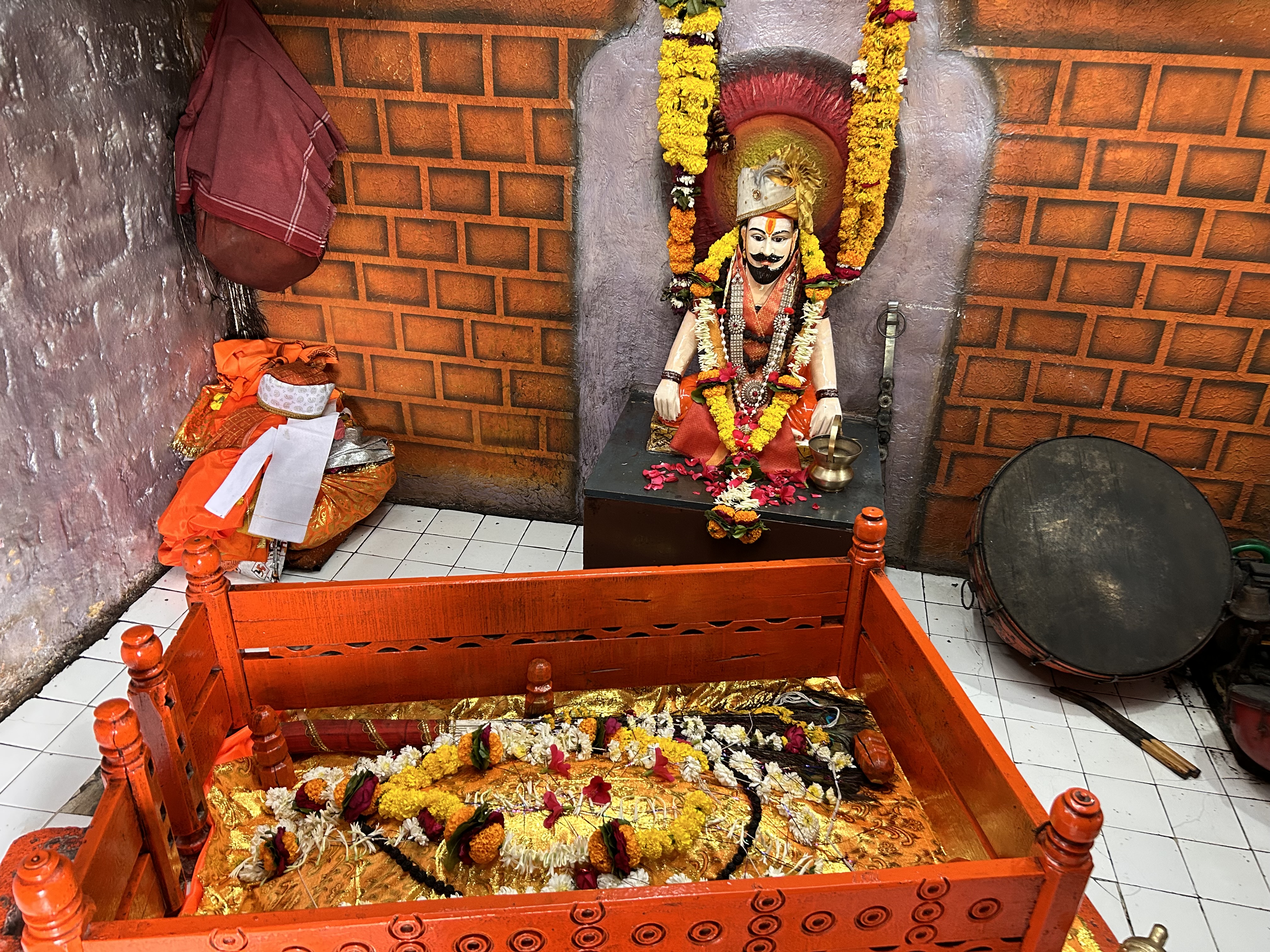
By 9.15 AM we reached Gorakhnath Temple at Maanjar Sumba Dongargan, Ahmednagar District. The temple is on the top of a small hill – 1000 Feet and you climb a few steps. As you drive up the hill towards the steps the view is scenic. Green hills and lovely views. You will cross a Goshala with many well fed local breed cows grazing on the natural herbs. The temple is very well maintained – and one of the first things you see is a large Dhuni. This is something you will find in all the Nath Temples. All of them were located atop a hill / surrounded by greenery.

A short 15 min drive from here we reach the Samadhi shrine of Minnath. He was one of Matsyendranath’s two sons. Unfortunately this place is now called Miravali Baba Dargah.

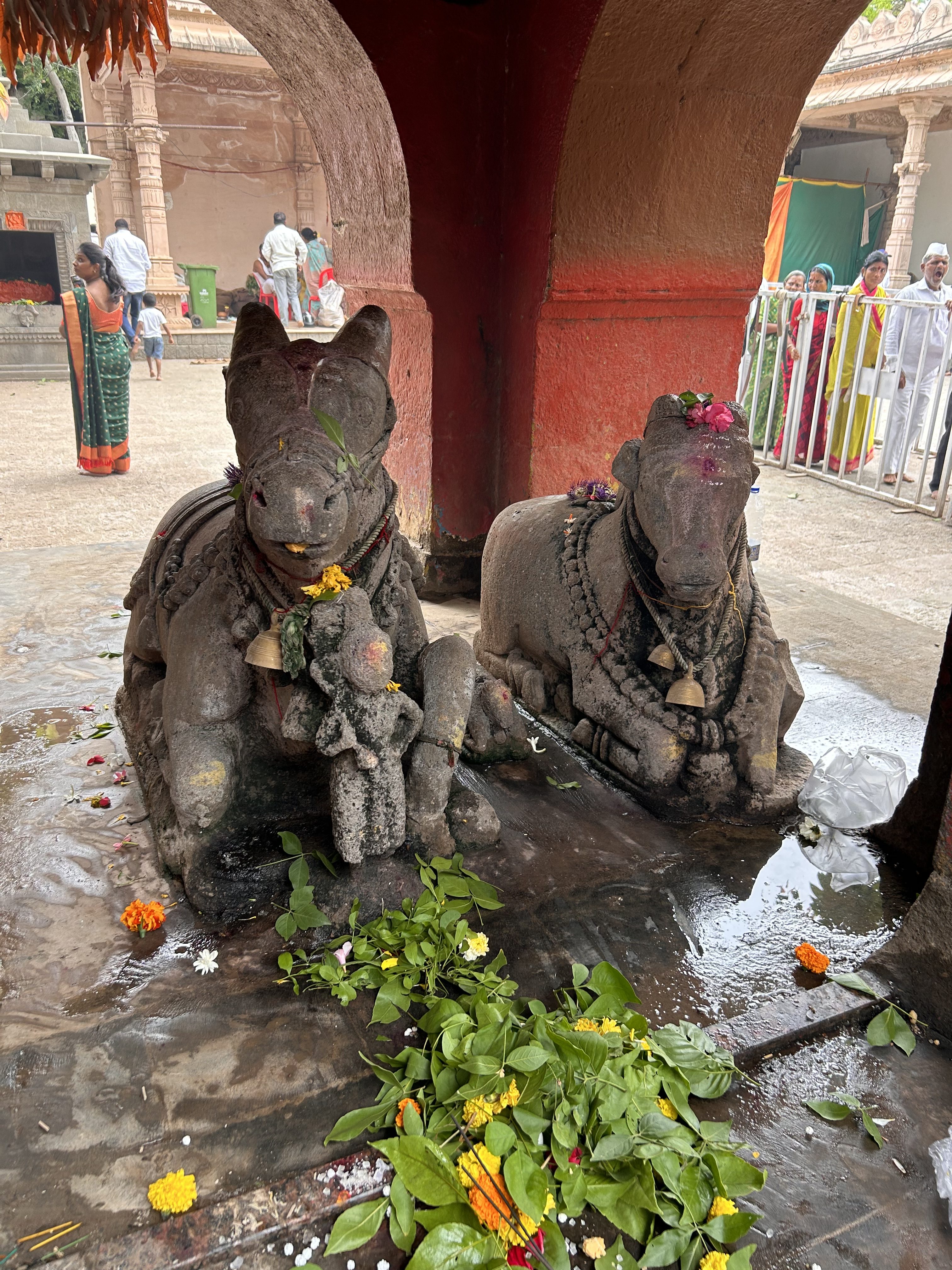
Our 3rd stop was at the beautiful and energised Vriddheswar temple at Ghatshiras. Located in a valley surrounded by thick forests and hills. It is a 1 hr drive from the Minnath Samadhi (50 Km). This temple is very special for the Nath sampraday and is considered the sadhna sthal of the Nath’s. It is believed that Lord Shiva came here disguised as an old man to attend the Yagna being conducted by Matsyendranath & Gorakhnath. The Shiva Linga is not the typical shape – it is large and amorphous and looks eroded because of the effect of water. Locals claim that this Shiv Linga is growing every year. Another unique aspect of the temple – it has 2 Nandi’s.
A short 20 min drive (on a normal day) will take you to the Samadhi temple of Matsyendranath at Mayamba. The last few kms are mud roads. We were visiting on a Monday that happened to be Amavasya – so there were huge crowds. When planning your trip avoid visiting on Amavasya. This is again a large temple and further expansion is under process. Again very scenic location on top of a hill.

7 Km from Mayamba a 15 – 20 min drive is the Samadhi temple of Kanifnath. It’s again on top of a hill. The car goes a long way – but the final ascent is a few hundred steps. There are two Q’s – ensure you are in the Q that goes right next to the Samadhi , the second Q is for distant viewing. As you walk out you will see signs for a small cave where Kanifnath meditated. Do visit this place. From the Kanifnath temple you can get a good view of the Matsyendranath temple further up.

Our last stop for the day was the Mohota Devi temple at Pathardi. A large well maintained temple up a hill. Timing was good it was evening and breezy.

As you drive out of the temple you can spot a few lodges including one managed by the temple trust. You can choose to stay here (rooms are basic). We explored trying to find a better place and settled at Hotel Prashant in the outskirts of Pathardi. Its a new hotel and the rooms were decent with AC & Hot water – at 1500 Rs / night it was perfect.

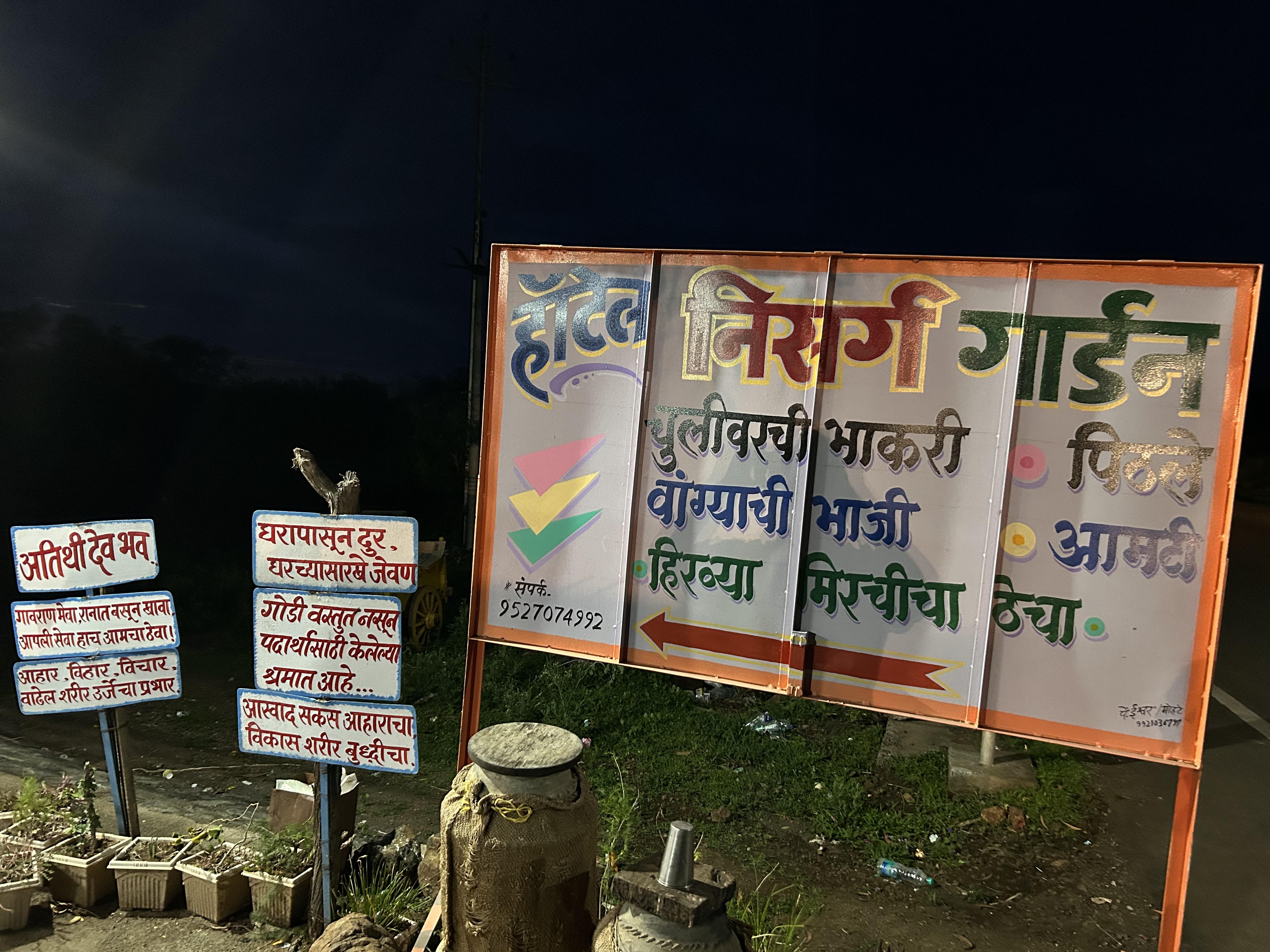
We had dinner at one of the small family run restaurants on the way back from the Mohota Temple. Homely local food – Bajra Ki Bhakri, Baingan Sabji, Kadi, Petla, Aloo Vadi, Papad & Mirchi Ka thecha. Food was freshly prepared on a chula and served fresh and hot. All the ingredients from the owners farm.

Day 2 we start at 7 AM on the Amalner Beed road. We are headed to Chincholi – 60 Km, 1 1/2 Hrs to visit the Samadhi temple of Gahni Nath. Enroute we stop for a breakfast of Vada Pav & Chai . The drive is scenic – after a few rains everything is lush green. Full of black soil we see fields of Cotton, Sugarcane, Pomegranate, Mosambi and Lime orchards. The last few kilometres are breathtakingly scenic with hills and valleys as long as the eyes can see. Of all the places I liked this the best. This Samadhi  is managed by a Kumbhar family. They had to take permission from the Nizam – after 21 years of waiting they finally got approval once Ambedkar became the home minister. Many of the Samadhi Sthals are contentious and claimed to be those of Islamic Pir’s. Some are even under litigation.

The energy in all the places we had visited was beautiful but this place was divine. The solitude added to the charm. Close to this samadhi site is a larger temple which is the Paduka Temple of Gahni Nath. Many tourists get confused as the Paduka Temple is also called Samadhi Mandir. Gahni Nath was the guru of Nivrutti Maharaj the elder brother of sant Jnyaneshwar.

Our next stop was a 30 min scenic drive to Yavalvadi. We drove up a hillock. Again a wonderful place – perfect for solitude and meditation. This houses the meditation cave of Jalendranath. Barring the priest who manages the temple there was nobody here and it was a nice experience sitting in the meditation cave.

The Samadhi temple of Jalendranath is close by – a 10 min drive.

The next stop was a long 125 Km drive and the last 25 km of the roads were atrocious. We were driving through Beed, one of the poorest tribal regions of Maharashtra. This journey took us well over 4 hrs to the samadhi temple of Bhartari Nath. The temple is a little unkept but the Samadhi cave was highly energised.

We are now 350 Kms from Shirdi and its 4 PM – the drive back is a 5 hr drive. The Amavasya crowds of day 1 and the bad roads on day 2 have taken away 4 – 5 precious hours. We have covered 6 Navnath temples + a lot more. We had planned to cover  Vatsidh Nagnath which was not far from Parli Vaijnath. We are forced to head back and plan the remaining temples another trip. The road back is good and the last 75 Km we are on the Samriddhi super highway. We make it back to Shirdi by 8.45 PM. We have covered 890 Km in 2 days and accomplished a lot. Travelling solo helps in saving time.

Few Travel Tips 

  • You are travelling in Central Maharashtra – Ahmednagar / Beed / bordering Latur district. Summers can be exceedingly hot and dry. I was lucky – in mid July it was pleasant and green. This place receives scanty rainfall.
  • Airtel network is not reliable – this is Jio territory.
  • You cannot do this trip with Google Maps and any driver from Mumbai / Pune. You need a local driver who knows to locate these places. Better still someone who has done this – hence my first point ask for Rahul or Sachin when you make the booking with Arvind at Sai travels.
  • Simple fresh food is available enroute – no fancy restaurants, bathrooms will be Indian style on the highway. Breakfast is normally Poha / Vada Pav / Chai.
  • Holy book of the Nath Sampraday is Navanath Bhaktisar – unfortunately it is in Marathi (maybe Hindi Translation). If anyone can find an English translation please share it with me. There are many more great Hindu texts written by the Nath Rishis that include Gorakṣaśataka, Goraksha Samhita, Goraksha Gita etc.
  • Matsyendranath is revered not just by Hindus but even by Buddhists. In the Tibetan tradition, Matsyendranath is identified with Luipa, one referred to as the first of Buddhist Siddhacharyas. In Nepal, he is a form of Buddhist Avalokiteshvara.
  • Matsyendranath & Gorakhnath are included in the list of 18 Tamil Siddhars
  • The birth of all the Navnath’s have interesting stories. You should google and read on them. Some commentators claim that Lord Krishna talks about the Navnath coming to earth to help people in their journey during Kaliyug.
  • Avoid travelling on Amavasya – these are beautiful places best enjoyed in solitude.
  • My driver was an excellent driver and a wonderful guide cum partner – he went the extra mile to locate these places.


About Matsyendranath 

Navnath Sampraday

Explore Jyotirlinga’s of MP + Maheshwar, Mandu

25 Oct

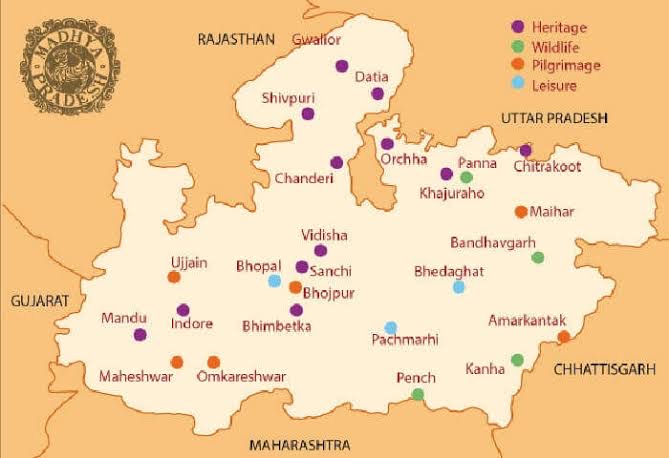
Thanks to direct flights from Bangalore most destinations across India are now an easy 2 – 3 day trip. The 2 Jyotirlinga’s of MP were on my list for some time and when I got started it was easy to plan and execute. MP is beautiful and waiting to be explored – with direct 90 min flights to Indore & Bhopal it is easy to access. MP is a large state and there is lots to see – what we accomplished in 3 nights was Ujjain / Omkareshwar / Maheshwar / Mandu & Indore

Indigo 7.30 AM flight reaches Indore at 9 AM. Indore to Ujjain is 60 Km and the drive is 75 min including a breakfast stop for Poha / Jalebi / Kachori  (This is the breakfast you will get all across MP)

Ujjain is an ancient city on the banks of the Shipra river. Since 600 BC it was the political centre of central India and the capital of the Avanti kingdom. Ujjain is called the Greenwich of India – this is where the zero meridian and Tropic of Cancer intersect. Before Greenwich (in 1854) Ujjain was considered as the central meridian for time in India. Even today when a Hindu horoscope is drawn up the time is always referenced to Ujjain time. Time is KAAL and Ujjain is home to Mahakaal – the ancient Jyotirlinga. Ujjain is also where the Kumbh Mela is held every 12 years.

You can cover all that there is to see in Ujjain easily in 1/2 a day – we were lucky with no crowds – Oct 10th was a Monday and the 1st day of the holy Karthik month, thankfully Prime Minister Modi was to inaugurate the development work around the Jyotirlinga on 11th so the crowds had stayed away.

What to see in Ujjain 

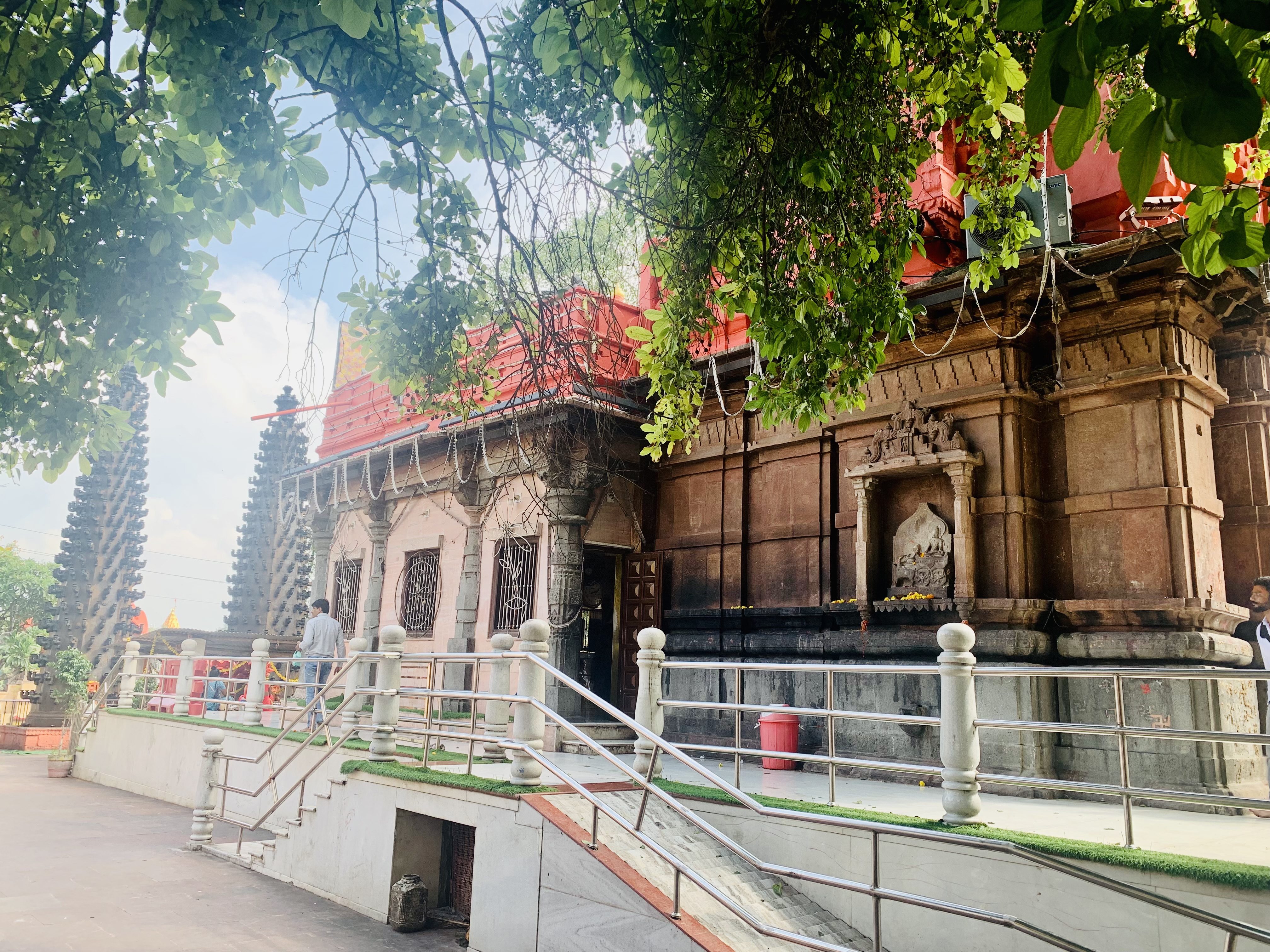
Harsiddhi Mata Temple a Shaktipeeth where Devi’s elbow is supposed to have fallen. the normal practise is to visit the Devi temple before proceeding to the Mahakaleshwar temple

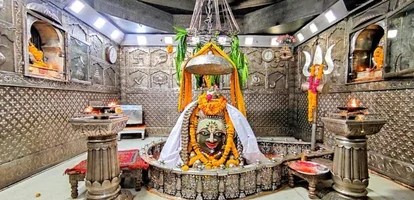
The ancient Mahakaleshwar Jyotirlinga temple is a 5 min walk from the Shatipeeth. A friendly priest took us in bypassing the sparse crowds. You can carry your phone and there are no dress restrictions. Compared to the other 9 Jyotirlinga’s I have visited – the Lingam at Mahakaal is large. The temple complex is small – there is a shrine for Omkareshwar and on the 3rd floor a shrine for the snake god – that is open only on Nag Panchami. There is also a shrine dedicated to Navagrahas with 9 Lingams.

Mahakaal is famous for the early morning Bhasm Arti at 4 AM , and you need to book tickets months in advance. Its a sight to see at least once in your lifetime, and I intend to come back. With the new development works being inaugurated – I guess a trip to Mahakaal could be longer in future.

Ujjain was the capital of the great king Vikramaditya and Kalidasa wrote his grand epic Meghaduta here. As you exit the temple you will see a park and statue dedicated to King Vikramaditya and his Navaratnas.

There are hundreds of temple in the ancient city of Ujjain but these are the must visit places

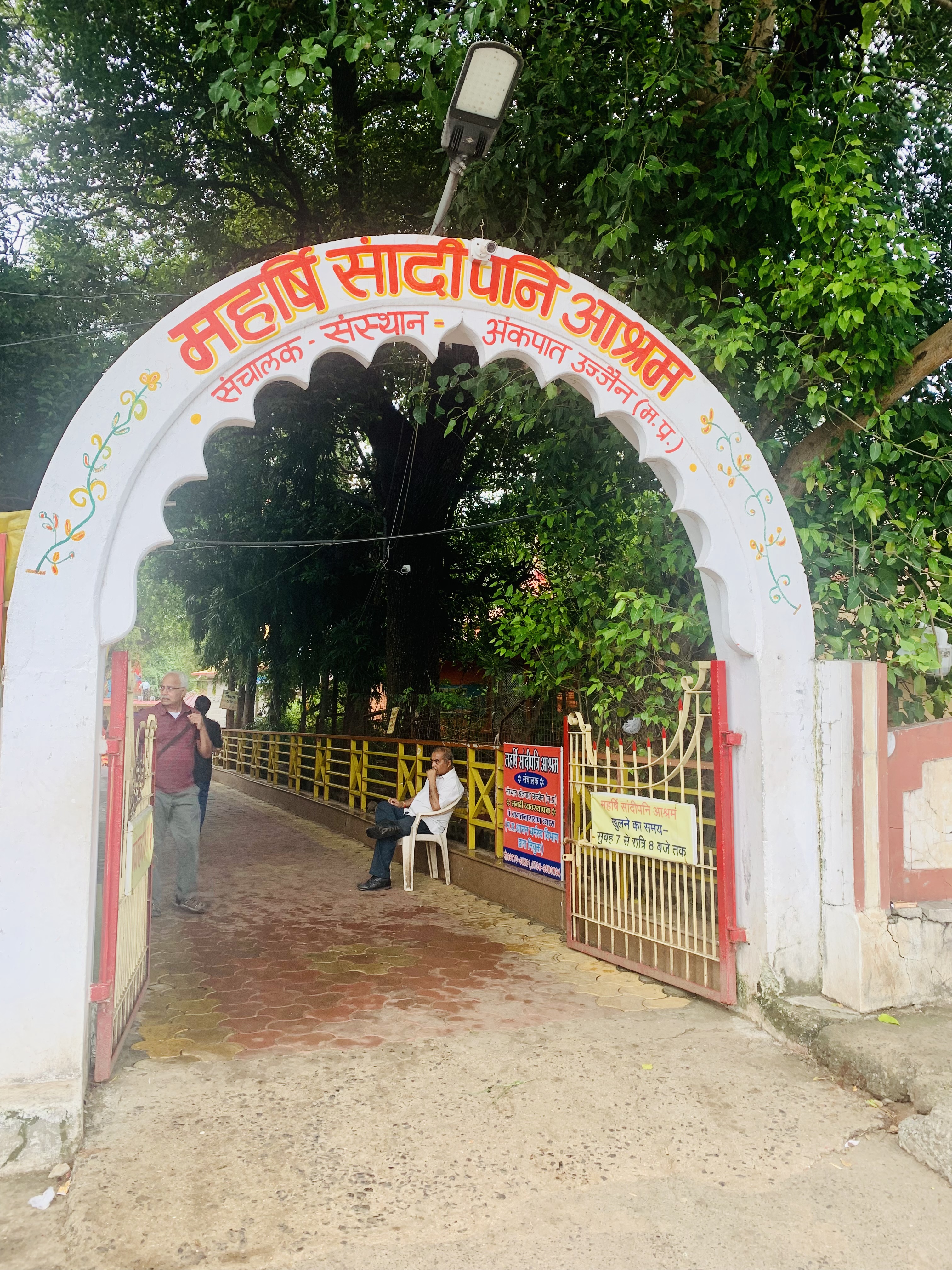
  1. Sandipani Ashram where Lord Krishna, Balram & Sudama studied. It is a beautiful place with high energy vibes. It also has some ancient temples.
  2. Ancient Kalbhairav temple – where you can offer liquor as Prasad.
  3. Ram Ghat is of immense religious significance to Hindus as it is one of the four locations where the Kumbh Mela takes place every 12 years. It is believed that Lord Vishnu dribbled some drops of Amrit at Ram Ghat.
  4. Mangalnath temple considered the birth place of Mars.

Ujjain also has a Jantar Mantar. This was the city where Varāhamihira (c. 505 – c. 587) an ancient Indian astrologer, astronomer, and polymath lived. Aryabhata, Brahmagupta, Bhaskara I & II, Vateshwara, all are said to have worked at Ujjain.

Most people dont stay at Ujjain – they consider it a Jinx. We stayed at a nice place called Sri Ganga hotel. Its a very famous sweet shop of Ujjain and they have rooms on the higher floors. Rooms are very spacious and clean. Ujjain is a clean city with broad roads and green parks. We had the evening free to roam around the city and visit the market area called Freeganj. 

Day 2 we leave for Omkareshwar at 7.30 AM 

Indore is centrally located between Ujjain & Omkareshwar. The drive to Omkareshwar from Ujjain took us about 4 hrs. Most of it is through villages but the last section is through beautiful hilly landscapes.

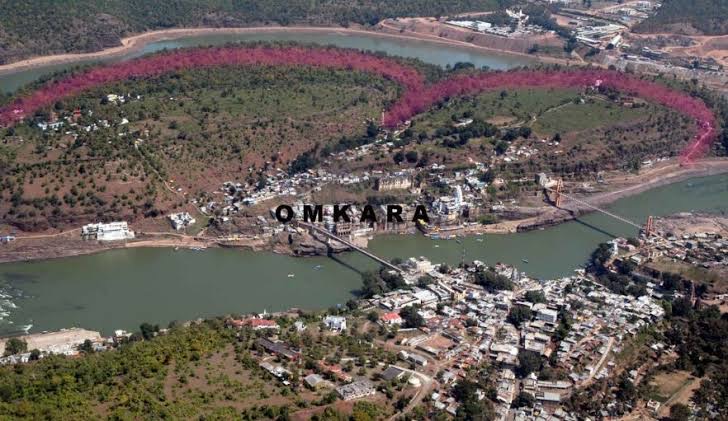
Omkareshwar is an island on the banks of the Narmada – the tradition is to visit Omkareshwar & Mamleshwar to complete the Jyotirlinga trip. Omkareshwar is also being developed – a 120 feet statue dedicated to Adi Shankara and an international Advaita Vedanta Sansthan is coming up here.

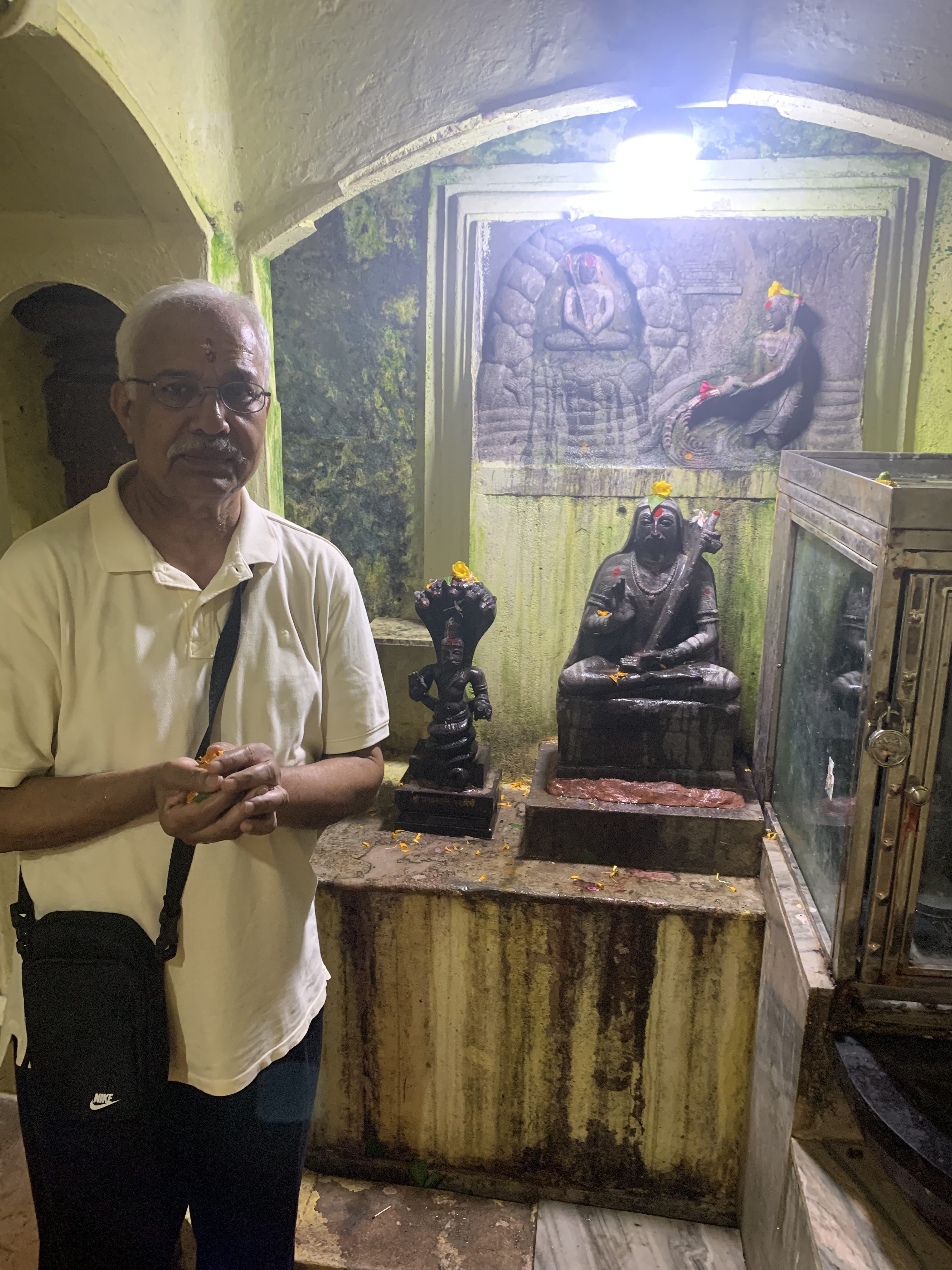
Omkareshwar is where the young Adi Shankara in search of his Guru met Govinda Bhagvatpada. The cave where Shankara lived is right below the Sanctum Sanctorum of the Omkareshwar Temple and there are steps that lead up to the temple and down to the ghats. Not many people know of this cave – and it was quiet and empty. Visiting this cave was the highlight of this trip.

Many people do a Parikrama around Omkareshwar – that takes about 3 – 4 hrs. The boat ride Parikrama was closed because the Narmada was in full spate after heavy rains.

A friendly priest showed us all the places (Pandit Bhagwat Mishra – 99265 55753) We were able to cover all the sites in Omkareshwar / Mamleshwar between 11.30 – 1.30 and headed out to Maheshwar the capital of Rani Ahilyabai Holkar. 

The small town of Maheshwar is located 70 Km from Omkareshwar and we reached by 2.45. Good roads. we stayed at the MPT Narmada Resort at Maheshwar which is located on the banks of the river Narmada. Its a nice property – book the new suite with river facing rooms. The restaurant also serves good fresh food.

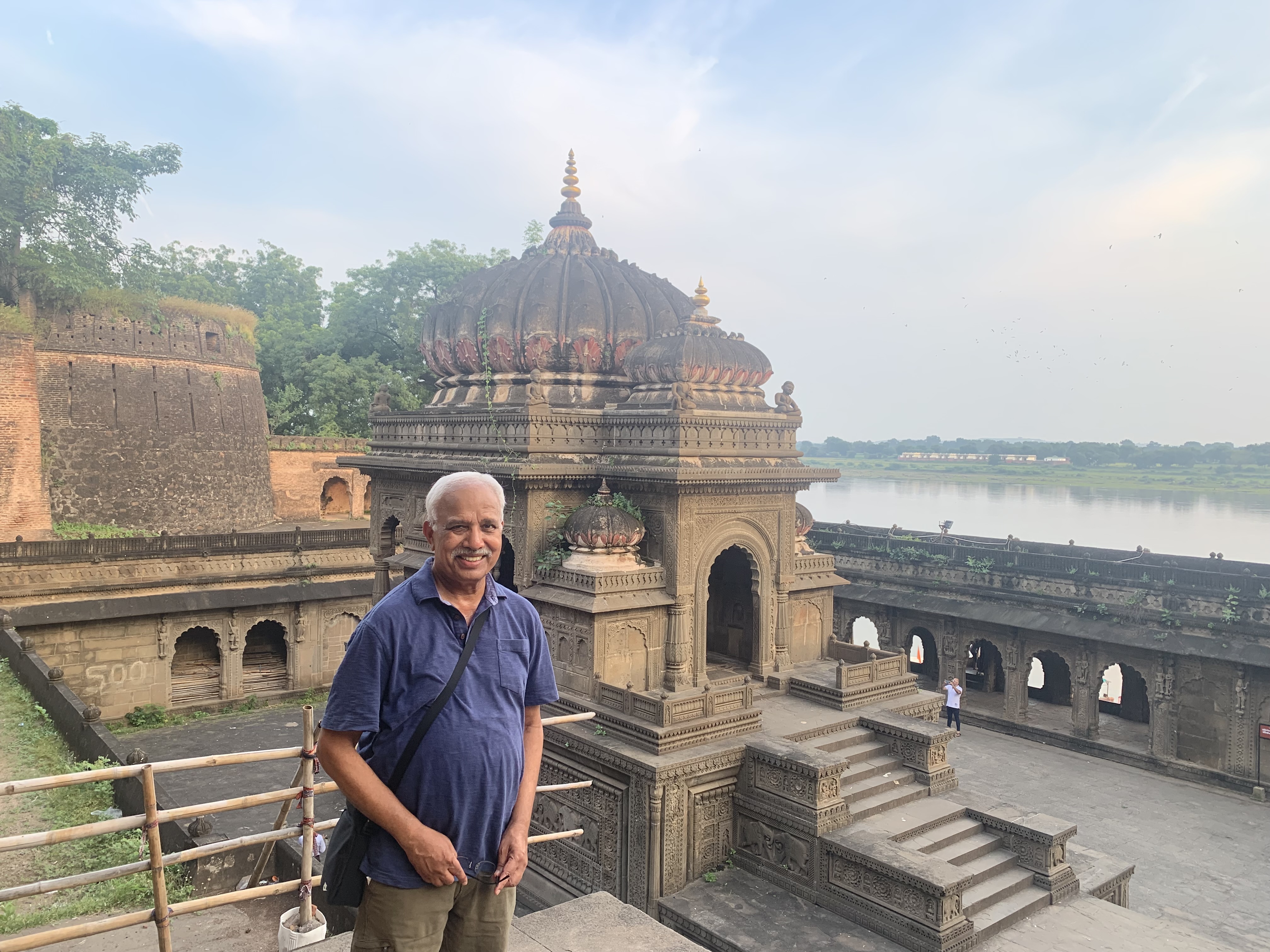
Maheshwar was the capital of Rani Ahilyaba Holkar. It’s a small clean town – like a small European fort village. Take a guide to visit the fort. We used the services of Ashwin – 8602877830. A part of the fort has been converted to an heritage hotel.

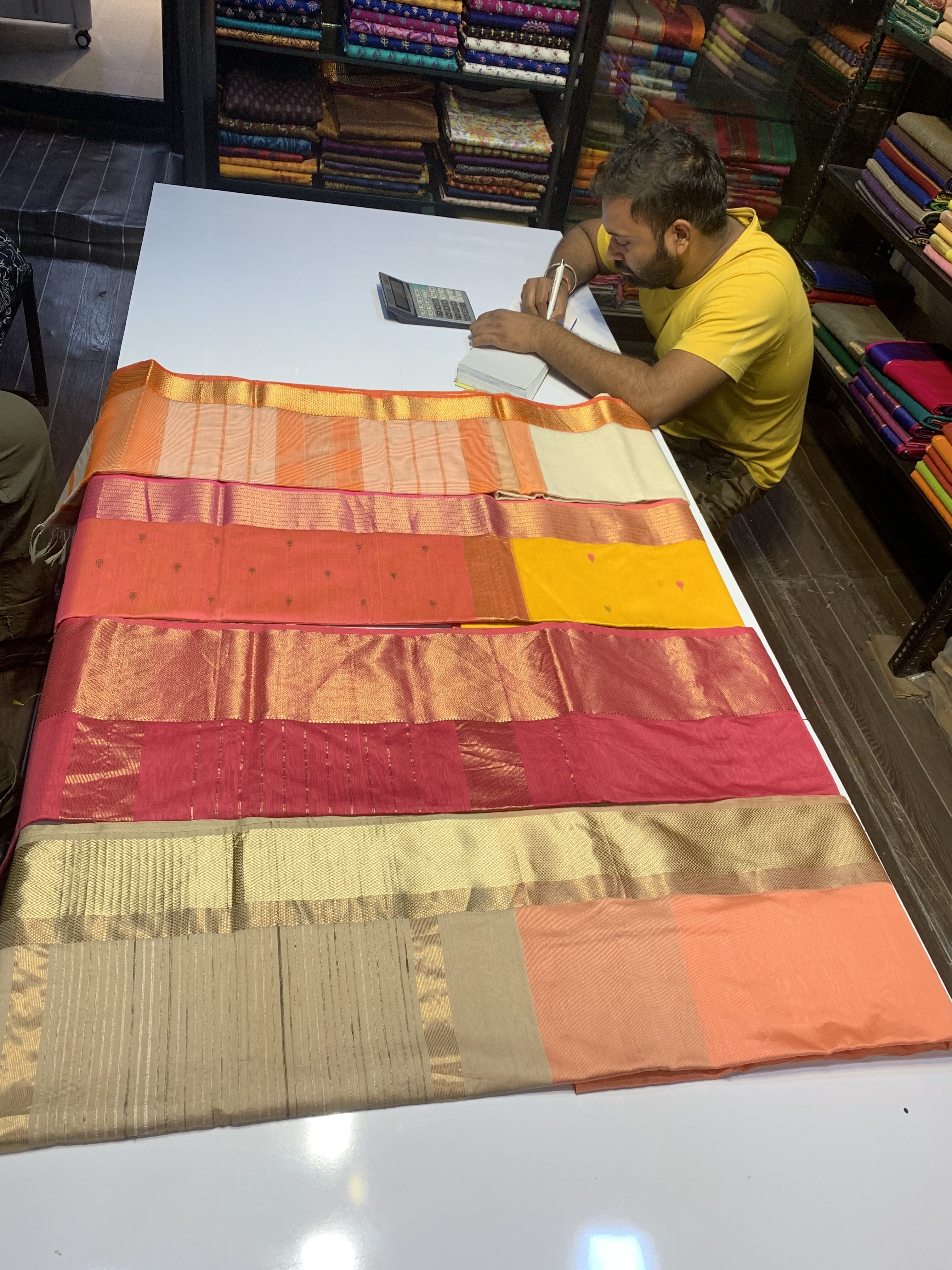
Budget about 1 1/2 hrs to see the fort and as you walk back to your resort do stop over in one of the factory outlets for the world famous Maheshwari sarees, lightweight – silk / cotton mix in prices range from Rs 2500 – 7500.

We spent the night at MPT Narmada and enjoyed a nice walk by the river the next day morning. The Narmada is wide, beautiful and serene – it’s a rejuvenating experience walking in the ghats here – almost alone.

Post breakfast we left at 9.30 AM to Mandu. 

Day 3 we reach Mandu 

Maheshwar to Mandu is only 46 Kms. Its a beautiful scenic drive. Mandu is on a hilltop and was the capital of the Paramaras in 10th & 11th century before it was taken over by the Delhi Sultanate and then the Afghans, Khiljis & finally the Mughals. The structure is spread over multiple locations so budget two sessions of 2 hrs each to cover all the sights at a relaxed pace. One of the tombs here is was the inspiration for the Taj. Mandu is also famous for the love story of rani Roopmati & Sultan Baz Bahadur

We stayed at MPT Maheshwar – a very nice resort (Note that there are two MPT Resorts in Mandu – ensure that you book the MPT Malwa Resort)

You will need a guide to explore Mandu (Mohammad – 7748072889)

Day 4 we head back to Indore 

Mandu – Indore ~ 100 Km , 2 hrs. After breakfast we left Mandu at 9.30 AM and reached Indore at 11.30. You should book your return flight to Bangalore by the 5 PM Indigo.

Had lunch with my college friend who helped me plan this trip at lovely restaurant called Mitti cafe. https://www.mitti.cafe. Loved the ambience and the food.

Indore is famous for Namkeens – so dont forget to visit Om Namkeens and stock up. There are a few temples and places to visit in Indore if you are interested.

In summary MP is a clean, affordable, easy to access state with lots to see. Excellent food – almost everything is Veg. Good simple people. We have just covered one part of MP – there is lots more as the map on the top of the blog indicates. So it will take a few more trip to discover all the sights of MP. One of the local hotel staff tole me that Nirmala Travels from Bangalore has taken a lead in promoting group trips to MP and most tourists come from Bangalore.

Network is good and 3G worked everywhere – economy is still cash based and UPI payments are not accepted everywhere.

My friend helped organise the cab from Indore Airport and the driver was with us all though the 3 night – 4 days – 580 Km trip – he can be contacted at 9893962781 – Mangilal. 

Thanks to my college mates Rahul & Rashmikant who helped me plan this trip. So 11 Jyotirlinga’s done that leaves the Baidyanath Temple at Deoghar – and it’s good to note that the airport at Deoghar has opened recently.


3 Jyotirlinga of Maharashtra with Shirdi as base

8 Aug

This is an easy to execute trip planner to cover the 3 Jyotirlinga temples in Maharashtra with Shirdi as the base. My trip started from Bangalore. I was travelling in 1st week of Aug – midst of monsoon during the auspicious month of Shravan and was very lucky to get excellent Darshan with no rains in the 3 days of travel. Also my Sarthi (Rahul) was a valuable asset – driver cum guide, without him I could not have accomplished so much

  1. Plan your travel on weekdays – weekends can be very crowded
  2. Avoid visiting the Jyotirlinga’s on Monday – gets very crowded
  3. Avoid visiting Shirdi on Thursday – It is the busiest day

Rather than hopping across multiple hotels in different cities, I made Shirdi my base.

  • 12627 Karnataka express leaves Bangalore at 7.20 PM and reaches Kopargaon  (KPG)  at 1.45 PM. 1st AC is very convenient. Fare is ~ 3000 Rs.
  • I had booked a cab for the entire trip. The drive from Kopargaon to Shirdi is 15 Km – less than 30 min.
  • The Bhagyalaxmi hotel which is a 2 min walk from the Shirdi temple was my base for the next 3 nights. It is a very comfortable hotel priced ~ 2200 / night.

Day – 1 : I had booked an evening Dhoop Aarti at 7 PM. the Aarti is from 7 – 7.30 PM – entry is from Gate 1 at 6 PM. Leave phones in your room. Only wallets are allowed inside. There are 4 Aartis every day starting with the Kakad Aarti early morning , followed by one at noon , the evening Dhoop Aarti and the last one at 9.30 PM. All Aartis need to be booked online on the Saibaba Sansthan Trust Website. This link provides full detail to plan your Shirdi temple visit. Shirdi Temple Details 

Imp Point – As you exit the Samadhi Mandir look for the small Dattatreya Temple – most people miss this. Also at Sri Chawadi as you come out do not  miss the granite slab on which Sainath used to sit.

Day -2 : I started for Nasik at 6.30 AM and was able to complete all the sights and was back by 6.30 PM. Shirdi to Nasik is about 110 Km – 3 Hr drive. Roads were not great

    • You can stop at Gondeshwar temple in Sinnar – its 26 Km ahead of Nasik. Its one of the oldest temples of Maharastra – the cluster of temples is called Shiva Panchayatan. Built in the Hemadpanthi style of architecture by Hemadri Pandit a minister of the Yadav dynasty. This temple dates back to 12th century.
    • Trimbakeshwar is about 28 Km from Nasik – I was lucky that there were no rains and the crowd was sparse – had an excellent darshan in less than 1 hr. Phones are allowed inside – photography is not. The temple has a unique Jyotirlinga that is embedded inside the Yoni and unlike most Lingas here there are 3 dedicated to the Trinity – hence the name Trimbakeshwar. Locals claim that the Godavari flows below the Shiva Linga and then emerges in the Kushvart Teertha / Pond near the temple. The history of this ancient temple is associated with sage Gautama and how his prayers to resurrect a cow he killed led to Lord Shiva bringing Ganga here in the form of Godavari
    • Trimbakeshwar temple is surrounded by the Bhramagiri hills. This is the source of the Godavari – a 3 Hr trek (Down 2 hrs) can take you up the hill to the source. There are steps well laid out.
    • Just opposite the Trimbakeshwar temple is the Gorakhnath Ashram – a nice place to spend 15 minutes.
    • Saint Nivruttinath Samadhi is also in Trimbakeshwar – he was the elder brother and Guru of Sant Jnaneshwar.
    • Locals claim that the birth place of Lord Hanuman is also in Trimbakeshwar.
    • Overall on a good day you can budget 3 hrs for Trimbakeshwar if you are not doing the trek.
    • On the way to Panchavati we stopped at another ancient Shiva temple on the banks of the Godavari – The Someshwara temple and then headed for lunch at Shagun. 
    • At Panchavati the driver drops you in front of Kala Ram temple and then an Auto takes you for a spin around the 10 most important spots associated with Ramayana. This was the place where Sita was abducted by Ravana and Lakshmana chopped off the nose of Shupankaha (Thats the origin of the name Nasik). This section can be covered in less than 1 hr – the most interesting part was Sita’s Gufa.
    • There are a few more areas around Nasik like the Pandavleni Caves, Saptashrungi temple etc – which are 30 – 40 km away and you need more than a day to visit these places. Igatpuri the HQ of Goenka Ji’s Vipassna Centre is also 30 Km away.
    • On the way back to Shirdi we made two more stops – The Samadhi of Upasini Maharaj (a disciple of Sainath) at Sakori . And the Kalpa Vriksha Tree in Rahata – where Baba used to spend time to meet friends. The tree is unique and rare – dont miss it. Both these places are 10 Km from Shirdi and set in a rural environment.
  • Last stop for the day was Popat Vada Pav centre – a roadside eatery that serves the best Vada Pav in town.
    • All of the above was achieved in 12 hrs from 6.30 AM – 6.30 PM
    • Some rest, a quick shower and I headed out for a late evening darshan at Shirdi temple. It was a Thursday and thats the day when you can see the Palki that travels from Dwarka Mai to Samadhi Mandir.

Day – 3 : We head to Aurangabad.

  • Roads are not good and it takes us over 3 hrs to reach Aurangabad.  We started the day at 7.30 AM and were back at 6.30 PM.
  • 1st Stop was just outside Shirdi at Sant Janardhan Swami Maharaj Samadhi. The samadhi site also has a beautiful and ancient Shiva temple.

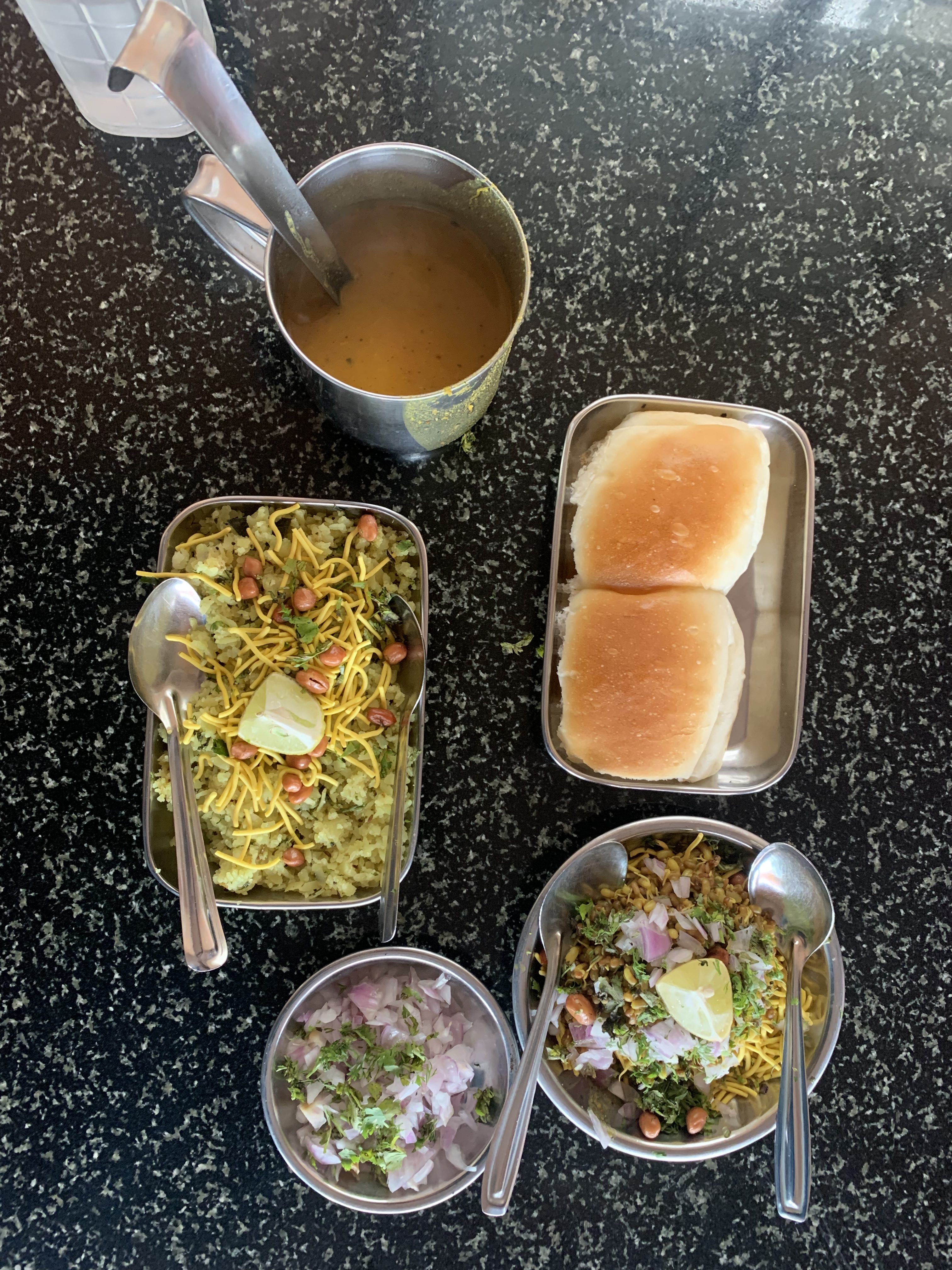
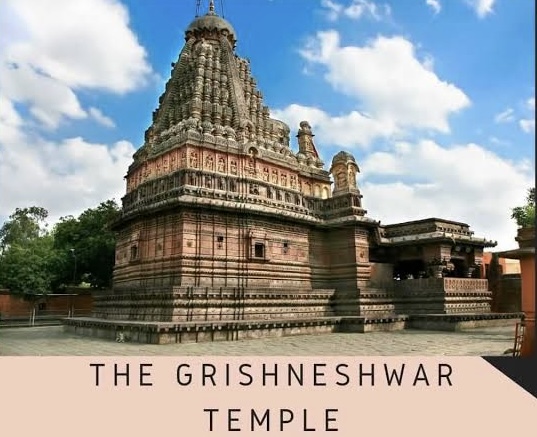
  • After a nice breakfast of Misal Pav and Poha we reached the Grishneshwar Jyotirlinga by 10.30 AM. This is the 12th Jyotirlinga and one of the smallest. Like in Kerala men have to remove their shirts and enter the temple bare bodied. You are allowed inside the Sanctum Sanctorum and can touch the Jyotirlinga

  • Right next to the Jyotirlinga is a Teertha / Pond that is not well maintained. The famous Ellora Caves is right next to the Temple and is definitely worth a visit – it is a UNESCO world heritage site. Ajanta Caves is 110 Km from here and that is a full day trip. Aurangabad also has Aurangzeb’s tomb.
  • From Aurangabad we headed to the village of Nevasa – 80 Km from Aurangabad. This is where the great Saint Jnaneshwar wrote the Jnaneshwari the Marathi Translation of the Gita. Its a beautiful temple very serene and calm – no crowd.

  • On the way to Nevasa do stop by at the ancient Siddheswar temple at Toka and the Rameshwaram Temple at Kai Gaon Toka. There is also a beautiful Dattatreya temple in an Ashram / Samadhi at Devgarh (Guru Dev Dutt / Kisan Giri Baba)

  • Aurangabad – Nevasa – Shirdi is like a triangle, we were back at Shirdi by 6.30 PM – and on the way we stopped for some delicious street food Pav Bhaji at Sai Prerna (It is right next next to the Vada Pav Stall)

Day – 4 : We head to Bhimashankar.

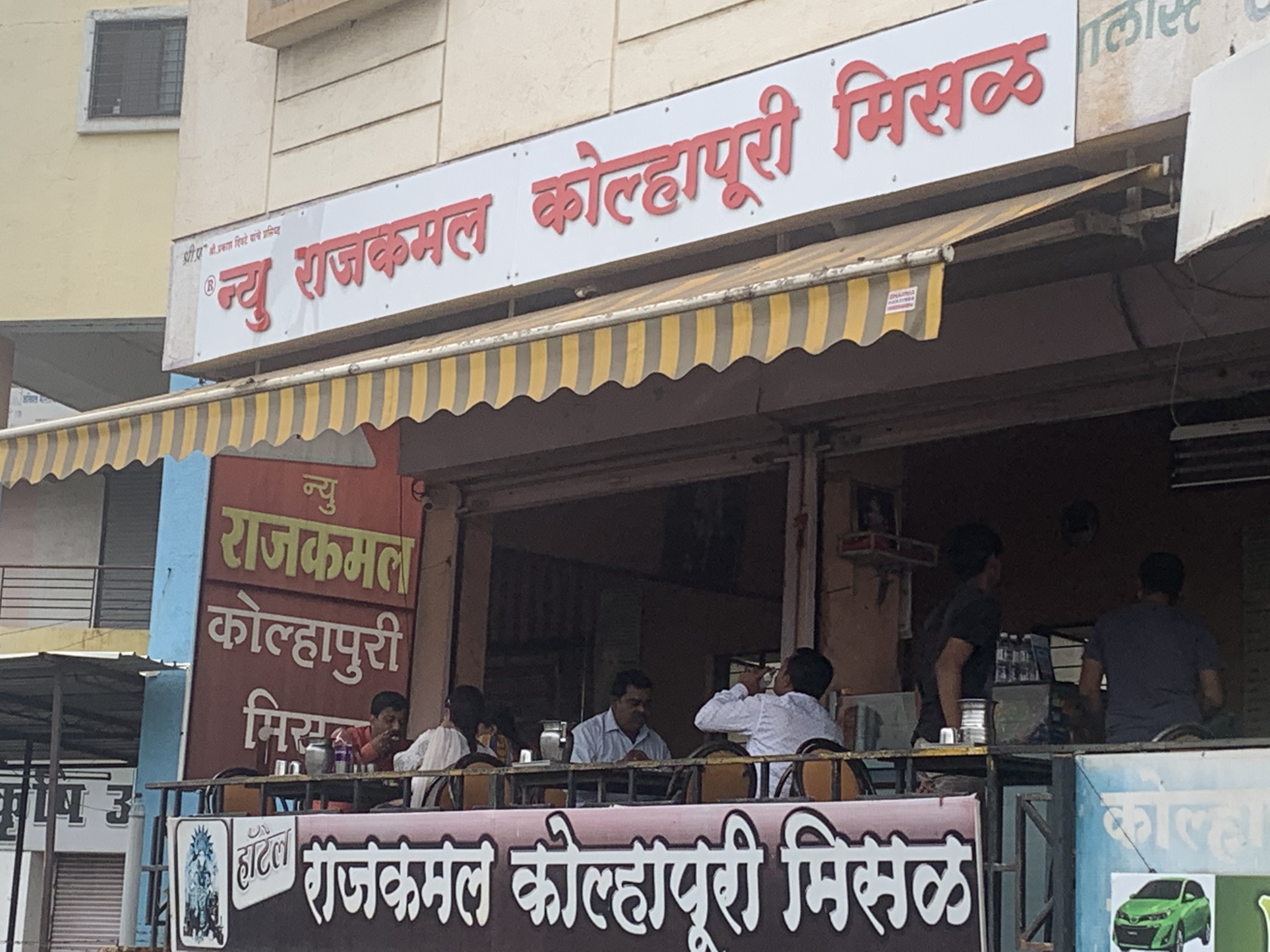
  • There are two routes – one Via Shani Shingnapur – Ahmednagar highway and the other by the Nasik Pune Road. We took the Nasik Pune highway and zipped by at 100 + km. Its a 4 1/2  hr drive to cover the 250 + km from Pune to Bhimashankar that included a stop for authentic Marathi breakfast at Rajkamal Kolhapuri Misal. This route is very scenic

  • The last section of the drive to Bhimashankar is thru the verdant W Ghats. There are no Hair pin bends – but the entire stretch is full of water bodies, misty hills – I was travelling in Aug the middle of Monsoon and it was beautiful. Very lucky that it was not raining.

  • Given its proximity to Pune & Mumbai – Bhimashankar can be very crowded on weekends. This was the only mistake in my travel planning – I reached Bhimashankar on Saturday morning at 10.30 and was faced with huge crowds and a potential wait time of 3 hrs. Our Innova was stopped a few kms ahead and we had to take the bus to the main shrine. By the grace of Lord Shiva I got lucky and a local lad helped me with an excellent darshan in 10 min. Here also you are allowed to enter the Sanctum Sanctorum and touch the Shiva Lingam.
  • The drive from Bhimashankar to Pune is 125 Km – once you reach the city outskirts you slow down. It took us nearly 4 hrs to reach Pune. A quick stop at my friends place where he treated me to some lovely local homemade snacks and then I headed out to the Airport for my 7 PM flight.

Other Points to plan your travel 

  • Arvind the proprietor of Sai Aditya Tours & travels helped me plan the trip. Making Shirdi the base was a great tip. My driver Rahul was amazing. If you book with Arvind insist on Rahul to be your driver. Arvind Ji – 99705 75677.
  • When in Maharashtra eat local food. Dont try Idli / Dosa here – feast on Vada Pav, Misal Pav, Poha etc

  • Network was excellent almost all through the trip – barring a few hrs from Bhimashankar to Pune.
  • Thanks to my driver Rahul a few more future trip ideas opened up in Maharashtra
    • Nav Nath temple tour – can be done in 1 day from Shirdi.
    • Most Marathis claim that there are 5 Jyotirlinga’s in Maharastra – the other two being Nagnath in Aundh & Parli Baijnath. These are farther off from the 3 that I covered.
    • The train to Kopargaon from Bangalore stops at Sholapur in the morning at 6.30 AM – this is the base for the Samadhi and Ashram of the great Saint Akallkot Maharaj – Swami Samarth
    • Kolhapur Lakshmi temple is also a must visit – its about 220 Km from Pune.
    • The Vittala temple at Pandharpur and the Dattatreya Temple in Gangapur can be covered together


RiverMist – A rare boutique resort in the lap of W Ghats

4 Jul

A picturesque verdant valley surrounded by misty hills. The energising sound of a young gushing river only 9 kms from its source. The scream of peacocks and the racket of crickets. Peace and solitude with hardly a soul in site. You may think this is a place far far away in the Himalayas…. 

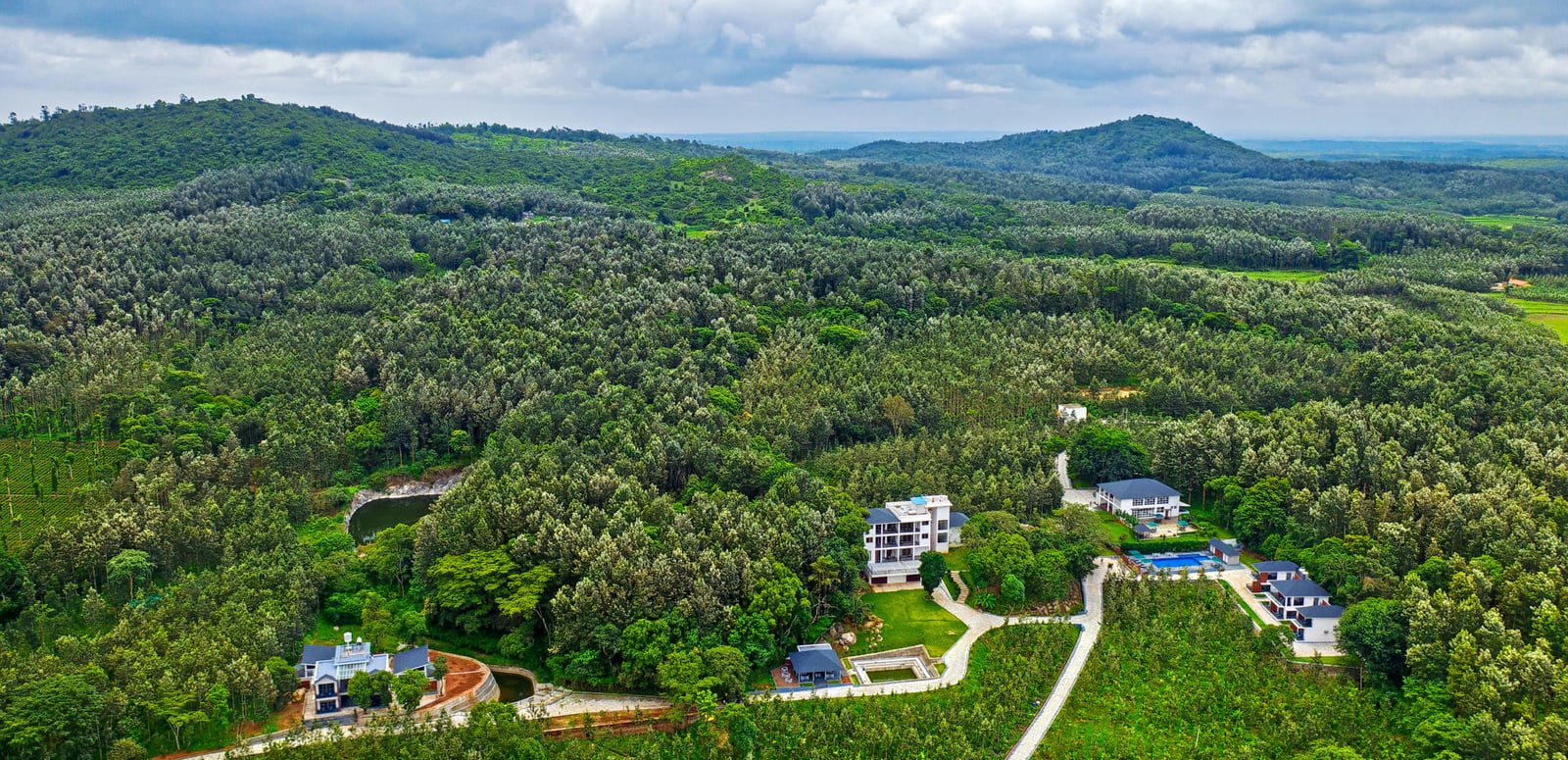
RiverMist is a rare find. Its just 295 Km (6 hrs drive)  from Bangalore (Madugundi, Sunkasale, Mudigere) just 30 km from Horanadu. Its a small boutique resort spread across 25 acres with 10 rooms that opened in Jan 2021. RiverMist is the brainchild of two passionate young men Srijith & Satish from the Tech sector. They travelled every weekend for 2 years all the way from Bangalore to identify the right spot and then it took them 2 more years to custom design this beautiful place.

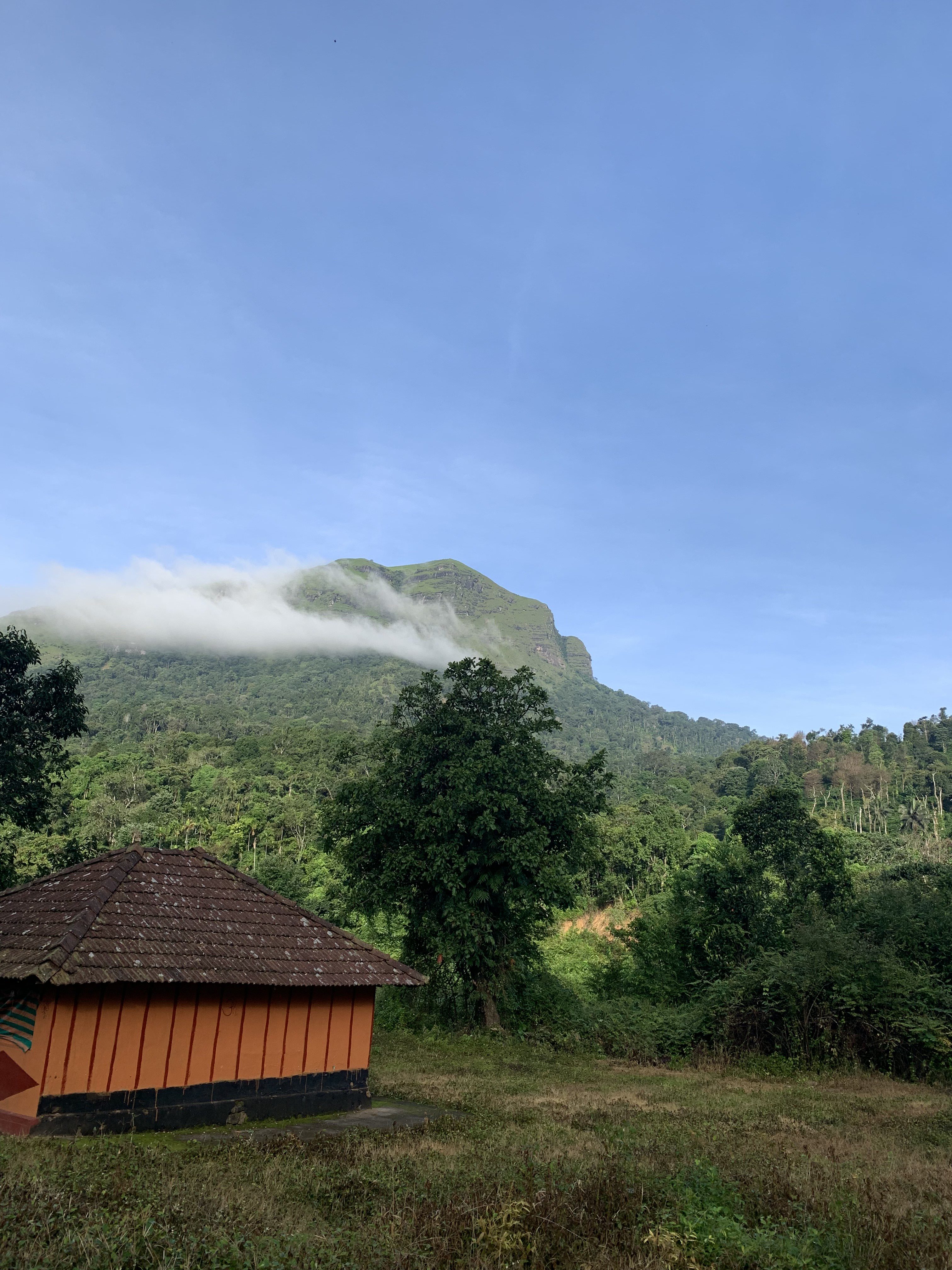
At 4950 feet RiverMist is located in a valley that is flanked by the Kudremukh National park on one side and the Charmadi Ghats home to the Ballalarayana Durga on the other side.

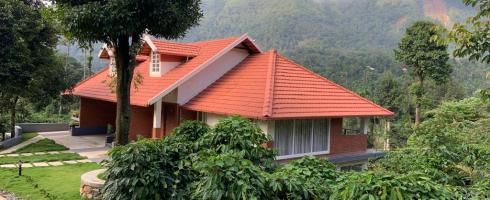
See the buildings with red tiled roof – That is RiverMist 

What did we like best about this place?

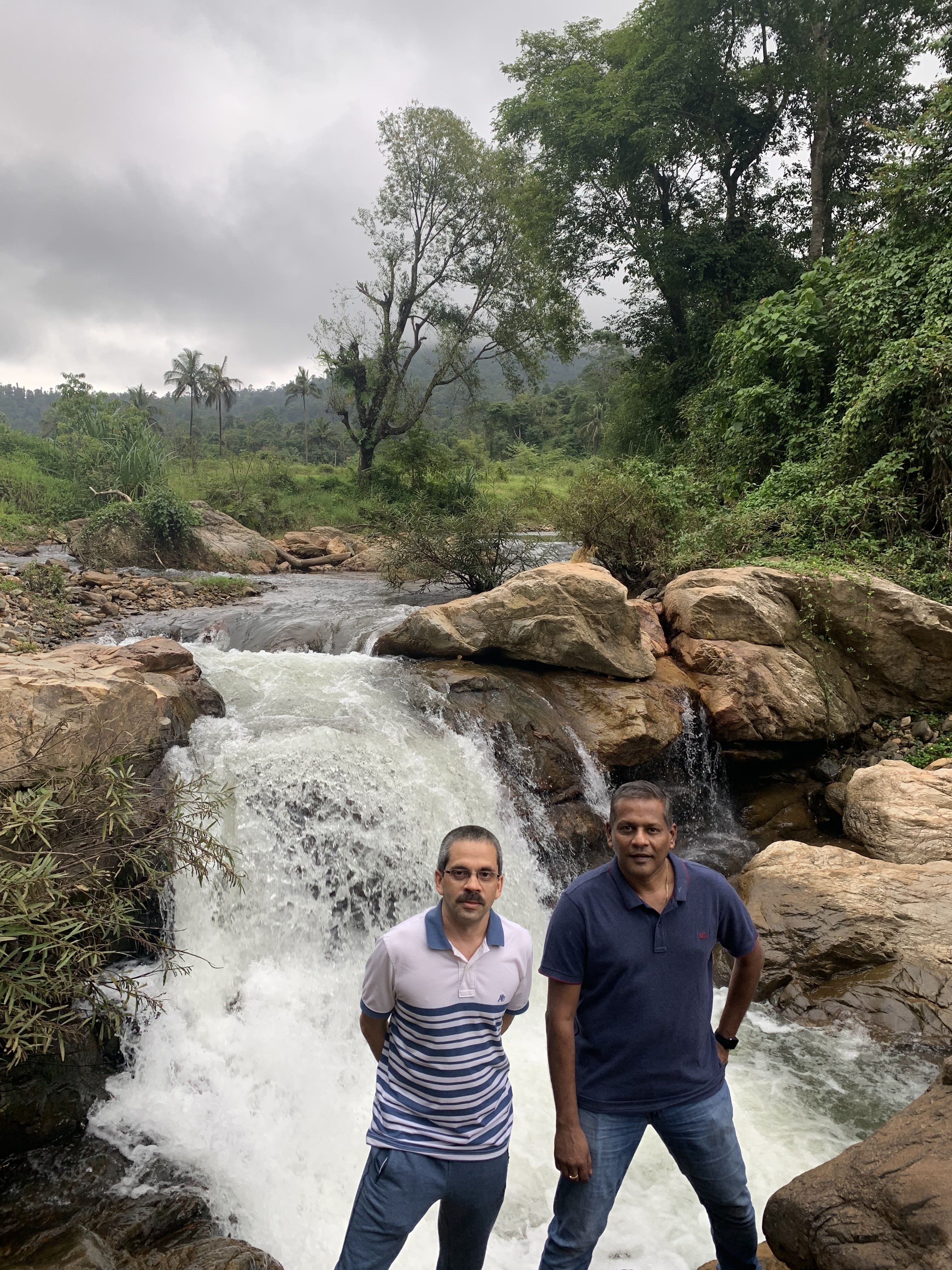
The RIVER. It reminded me of Alfred Tennysons “The Brook”. A gushing stream that runs along the periphery of this 25 acre property. It’s only a 2 min walk from your room. The source of this river (Netravati) is just 9 kms from here. So its a young stream and it forms a small waterfall as it dances along RiverMist. It may look small and narrow but be careful because the water is powerful – especially after the rains. The river forms a small pool and you can take a dip in the water. You can also go for a 1km river walk with the resort guide – but take your aqua shoes and be careful, its slippery.

The river water is sparkling clean and you can drink directly. (TDS 10 – 15 , Bangalore water TDS 250 – 300, TDS – Total Dissolved Solids)

What else can I do at the Resort?

You can do a 1 hr nature walk with a guide thru the dense forest. (Beware of leeches). And a 30 min walk by yourself around the resort where you can cross the shallow part of the river barefoot and feel the fishes nibbling on your feet. When the weather is good candle light dinners and barbecues by the river can be organised. They also have board games and TT to keep you entertained in the evening.

But then there is a lot to see around the resort

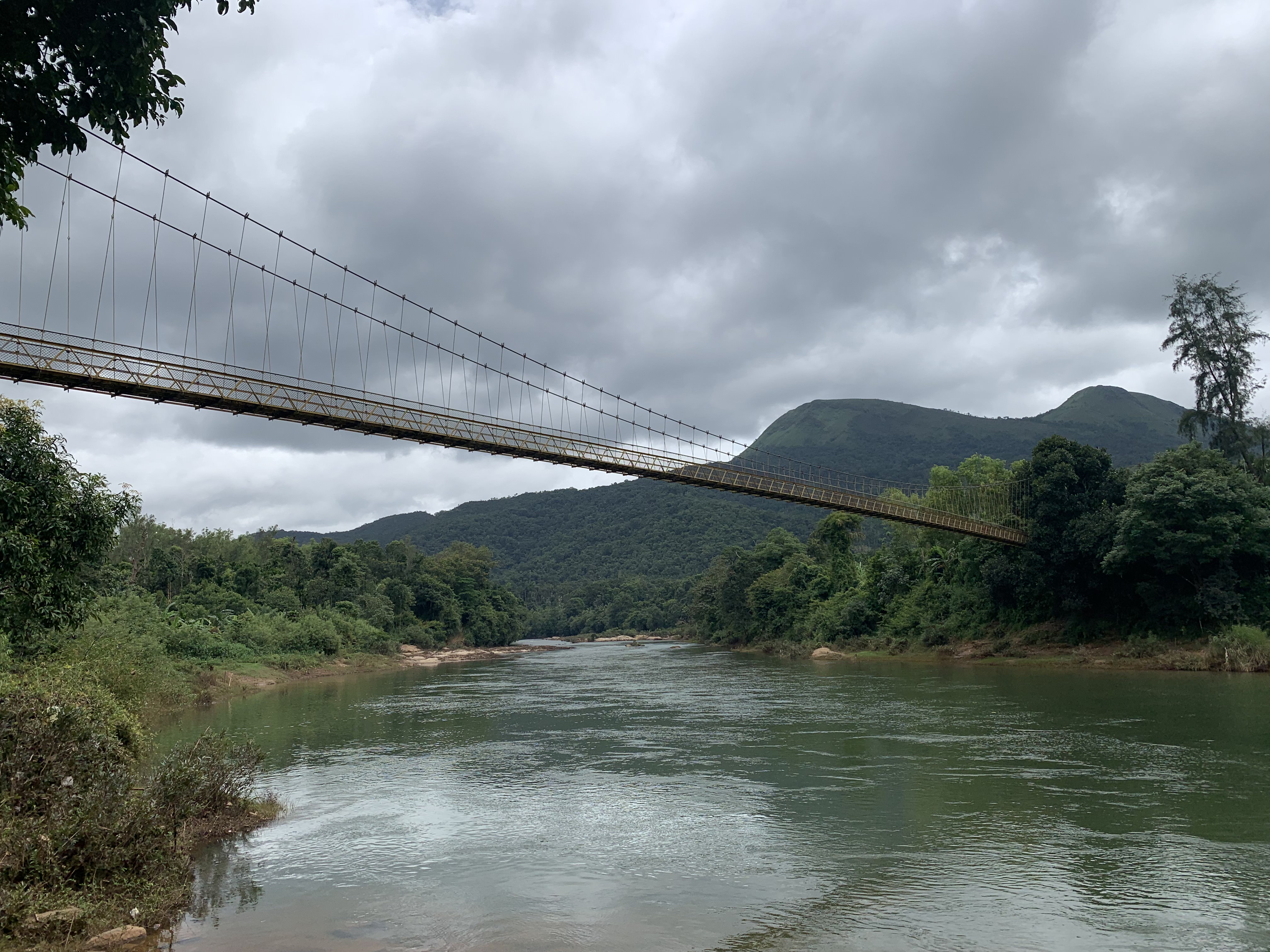
The Annaporneshwari temple at Horanadu is just 30 Km away and the ancient Kalasa Shiva temple where sage Agastya is said to have meditated is 24 Km away. Both are a must visit. Close to the Kalasa temple is a Hanging bridge on top of the Bhadra river. Here the river flows softly and silently between towering hills.

Amba Teertha

And just a little bit away the same Bhadra river is raging ferocious as it scoops out rocks like wax in a series of rapids. Getting here is offroad and you need a 4 wheel drive. (Please note you need a proper SUV not a Mini SUV)

Rani Jhari view point 

A short drive from the resort and then a 10 min easy hike leads you to a place of unparalleled beauty and views. A great place for sunset viewing. Most days are cloudy and misty – so you need to be lucky to view the sunset. Close to this place is also the Kodagai falls.

Drive by Maidadi road and stop at the View point from where you can on a clear day see Dharmasthala. When we visited the whole place was engulfed with mist

This area is also a paradise for trekkers. The Ballalarayana Durga trek is a full day affair and needs Govt permission. Many trekking companies organise this trek.

A few more points about RiverMist to help you plan your stay. 

Which room should I choose 

Its a small resort with 10 rooms – 3 Luxury rooms with Jacuzzi, 3 Premiums Rooms , 3 Deluxe rooms and 1 family room over two levels that can accommodate 8 people

Only the Luxury & Premium rooms have balconies and amazing views facing the misty hills. This should be your preference. We stayed in a Premium room – the rooms are large and the bathrooms are larger. Balconies are also very spacious.

How about Connectivity

There is no mobile network. Remember you are in the midst of nowhere. Wi Fi works 80% of the time.

You need an SUV for the last 3.5 Km

The last 3.5 Km needs a 4 wheel drive SUV. So if you come by car you park it on the main road at a safe designated  area and the then RainyMist folks take you by their SUV / Jeep. Travelling around this place to see the views also you need a SUV. This remote area where people know only Kannada. So its best to rent a jeep from the resort for your local travel.

The food is good

Food and service is very good. They serve both Veg & Non veg. All meals are a decent buffet spread unless you are the only one staying there. No alcohol is served – but you can carry your drinks. The people at the Resort go out of their way to make you comfortable. Its a very warm ambience. Room service food is served. One of the few Resorts where you can get Coffee at 6 AM served in your room

Do I eat all meals at the resort or are there restaurants around

There are a few small homestay but no restaurants in a 30 km radius. So all your meals are at the RainyMist. The rate you pay is inclusive of all meals.

The SPA is coming up in Phase – 2 

Currently there is no Spa – that is planned. The swimming pool is also under construction and should be up and running soon.

Are there animals..

Dont be afraid of the Elephant Trumpet at night RiverMist is close to the elephant corridor. And its common to hear Elephants. You will almost always see Elephant dung. Bisons and peacocks are also in plentiful. Please note that as of now Pets are not allowed.

A place so far way are there power cuts – will we get Hot water

The whole place runs on Generators. the power line is coming soon. We stayed for 3 nights – we had no problems – power never went and the water was nice and hot 24 by 7

Do they have driver rooms

No separate driver rooms are available, but check while booking if they can accommodate with the staff.

So how long should I plan my stay at RiverMist and how do I cover the sights

A minimum of 3 days to cover all the sights and enjoy the beauty of this place.  Here is the suggested itinerary.

Day 1 : Depart Bangalore at 6 AM and reach River Mist by 12 Noon. Breakfast stopover at Kunigal – Dhruvatare. Evening visit the river and walk around the resort.

Day 2 : Enjoy the misty morning and after breakfast head out with this plan.

  • Drive past maidadi road and stop at View Point
  • Ancient 2500 year old Kalasa Shiva Temple
  • Hanging bridge on Bhadra River
  • Horanadu Temple
  • Amba Teertha ( Sandwich Lunch that you packed in the morning)
  • Reach the resort by  3 PM
  • Evening relax at the resort

Day 3 :

  • Nature walk in the resort
  • Breakfast
  • Tea Gardens
  • Rani Jhari & Kodagai Falls
  • Back to resort for lunch
  • Evening do a resort walk by yourself

Day – 4 : Depart after breakfast at 9 AM and reach Bangalore by 3.30 PM

What is the best time to visit.

We visited in 1st week of July. We were lucky to have excellent weather. It rained at night and drizzled in the eve but the days were beautiful. I guess the best time to travel would be Sep – Feb but you can travel all year round. In summer you may miss the mist and the river flow may be a trickle. Nov – Dec – Jan may be cold.

Any other points?

It would be nice to go as a group to RiverMist. That way you can have fun in the evening. With just 10 rooms you can form your own Covid Bubble group and take up the full resort. The 8 bed jumbo room is perfect for the kids.

RiverMist Contact details 

Address: Madugundi, Sunkasale PO Mudigere, Karnataka 577121

Mobile: +918762797979

Mobile: +919482979797

Email:reservations@rivermistresorts.com

WWW.Rivermistresorts.com

Some more views from our trip in July 2021….


On the Beach homely Resort – Sai Radha Heritage, Udupi

15 Apr

COVID messes up your travel plans. My daughter wanted to go to a beach after a year of online classes. The only place we could explore visiting without the hassles of testing was the Karnataka coast. Gokarna – Managalore / Udupi are all 9 – 11 Hr drives from Bangalore. To avoid the long drive we decided to break journey at Chickmagalur.

Here is the summary of the trip. Karnataka is a beautiful state. The road trip below can easily be a 5 – 7 days trip covering the hills, temples and beaches. Without the hassles of COVID testing.

Discovering Sai Radha Heritage

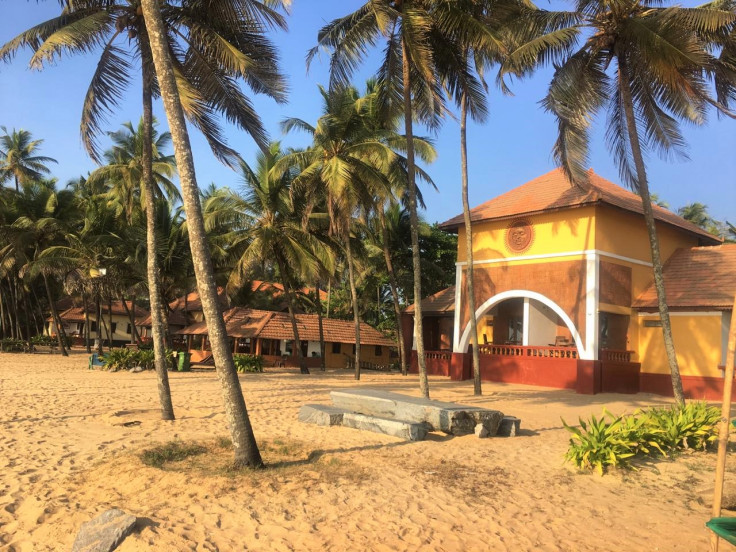
Unlike Goa the Managalore coast does not have any luxury 5 star beach resorts. After a lot of enquiry we settled on Sai Radha Heritage which seems to be the best option. The great thing about the place is the location – its right on the beach. And the beach is great – clean soft sand, warm water, and private.

The property has a few rooms facing the beach and the rest in a building adjacent. Wherever you stay the beach is a 1 min walk away. Rooms are spacious and nice, service is excellent, and rates are very reasonable. Its a great place to visit as a group and Oct – Feb would be the best time. I would strongly recommend this place. Its a great property and the owners are in the process of upgrading the facilities.

Sai Radha Heritage is easily accessible from the highway and its a 20 min drive to the Udupi temple & Manipal. The whole area is clean & well maintained, broad roads, no potholes, no garbage.

Here is a list of things that you could cover after spending the morning & evening at the beach.

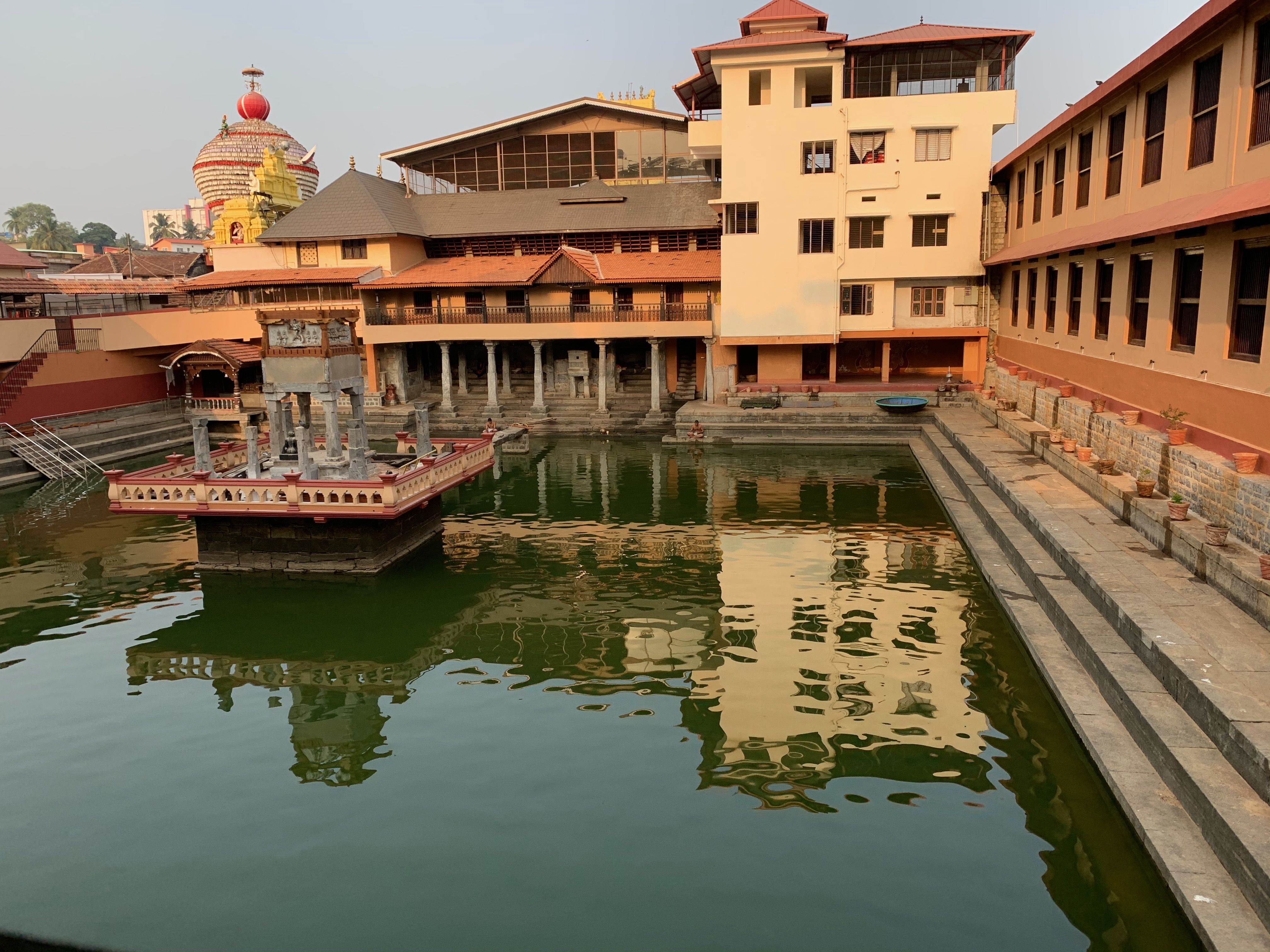
Udupi Krishna temple is on everyones list. But right next to it are two ancient Shiva temples that precede the Krishna temple – the Chandramouleshwara Temple and the Anantheshwara temple. The usual norm while visiting the Sri Krishna Temple is to pay visits to the adjacent Ananteshwara and Chadreshwara Temples before stepping into the temple of Lord Krishna.

Popular beliefs say that King Rama Bhoja, a devout follower of Lord Parashurama, had installed the statue of Lord Ananteshwara (Lord Shiva). Another belief says that the Chandreshwara temple was built on the same spot where the moon God Chandra performed a great penance in order to get rid of the curse of Daksha Prajapathi. Both these temples are highly energised places.

There are interesting legends on the Sri Krishna Temple regarding why the Lord faces West in this temple and he can be seen only through a nine holed grill. The temple was consecrated by Madahvacharya and there is a interesting story on how he found the statue which is believed to have been worshipped by Rukmani in Dwarka

Click on these link for more information

History of Udupi Temple and why the main Statue faces West

How the name Udupi Originated – History of the Chandramouleshwara Temple 

We visited the temple at 7 AM and it was the perfect time for some Udupi breakfast after the Darshan. Inside the temple complex is a pocket sized restaurant called Nagaari canteen. Dont miss this.

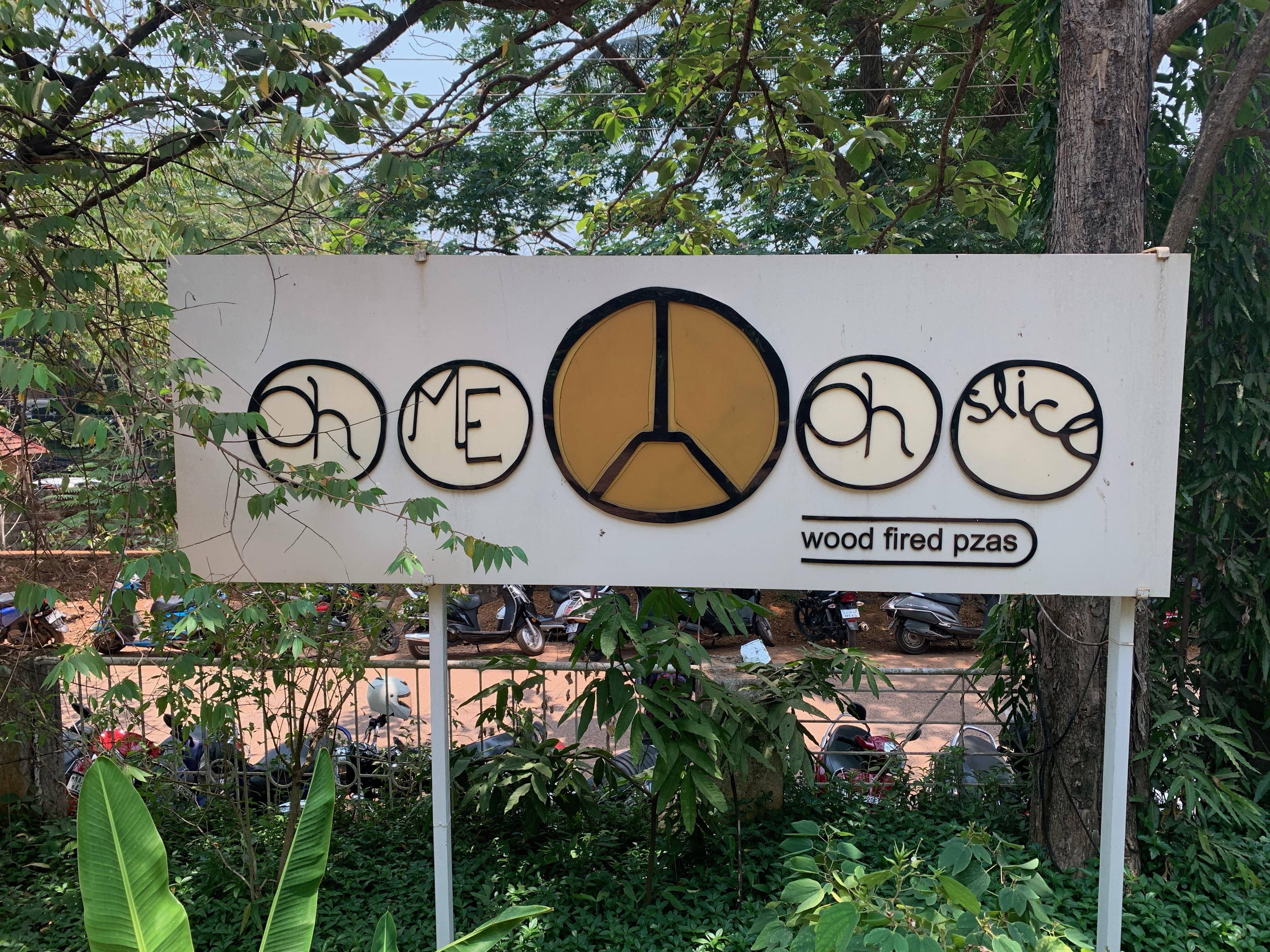
Talking of food there are two other places you must visit while at Udupi. A nice restaurant called Saffron that is housed in a swanky complex adjacent to the Samanvay Boutique hotel. Pure veg  – they serve Indian, Continental, Italian dishes. The other hotel you must explore is at Manipal – its an open air restaurant that serves great Pizzas. Its called Oh Me Oh Slice

While everyone heads to the famous Malpe Beach and Sea Walk Malpe for boating and activities, its worth exploring  Mattu Beach

Mattu Beach is a calm and secluded beach, 11 km from Udupi town and very near to the Srikrishna temple. You can take a stroll along the long and clean seashore. The white sands and the blue sea gives you ample shots to capture in the lens. End your day at the beach by witnessing the beautiful sunset. Remember to carry your own refreshments as there are hardly any shops or eateries in the area.

Kudumari Falls – Situated in the Chaktikal village in Kundapura these falls cascade from a height of around 300 metres, and are a sight to behold. Surrounded by lush greenery, one has to trek for around 4 km through the forest to reach the falls. The trek is made of rocky terrain and will offer you scenic views. It is best to avoid visiting the falls during monsoons as water levels are dangerously high and the trekking route is not safe during the time.

Swarna river banks – This is a stunning place to spend your evening at leisure. The Swarna River is located in Manipal which is very close to Udupi at a distance of around 8 km. The sunset and sunrise from the river banks are indeed an amazing sight to catch with sun rays imparting a shimmer to the waters. The riverside is perfect for a session of yoga or meditation. One can also visit the nearby Hiriadka Baje Dam built across the river.

Malyadi Bird Sanctuary in Kundapur. Malyadi is a small village with both resident and migratory birds visiting the site. The place is an abandoned clay quarry which is being preserved and promoted by the combined efforts of the locals and the government. Golden Plover, Wood Sandpiper, Red and Green shank are a few of the many migratory birds sighted here. Many of these birds arrive during the winters and leave before the first monsoon rains. Resident birds like Pond Heron, Cattle Egret, Reef Heron can be found in plenty here.

Sasthana Kodi backwaters – Head to the lesser known Sasthana Village for a leisurely backwater experience. The place is situated at a distance of 20 km from Udupi town. These backwaters formed by the rivers Kodi and Sita are enchanting and attract many tourists from the state and nearby areas. Local traditional boats are available for cruising through the serene waters while enjoying the scenic landscapes of Udupi.

Bangalore to Udupi – Plethora of temples 

As we drove from Bangalore to Udupi it was like a tour of some of the greatest ancient temples of S India. You cross the giant statue of Bahubali and then on the way to Chickmagalur there are these amazing Hoysala temples – while most visit Belur & Halebid there are many more. On the 4 hr journey from Chickmagalur to Udupi you will see signs for Hornadu (Annapurneshwari Temple) and just bypass Sringeri. From Udupi the Kollur Mookambika temple is less than 30 Km and Kuke Subrahmanya is not far away. Most would also cover Dharmasthala and Murudeshwar as part of this circuit.

Driving thru W Ghats – take a break

I am not comfortable with long 10 hr drives. The roads are excellent, I would suggest you break journey along the way as you explore this area.

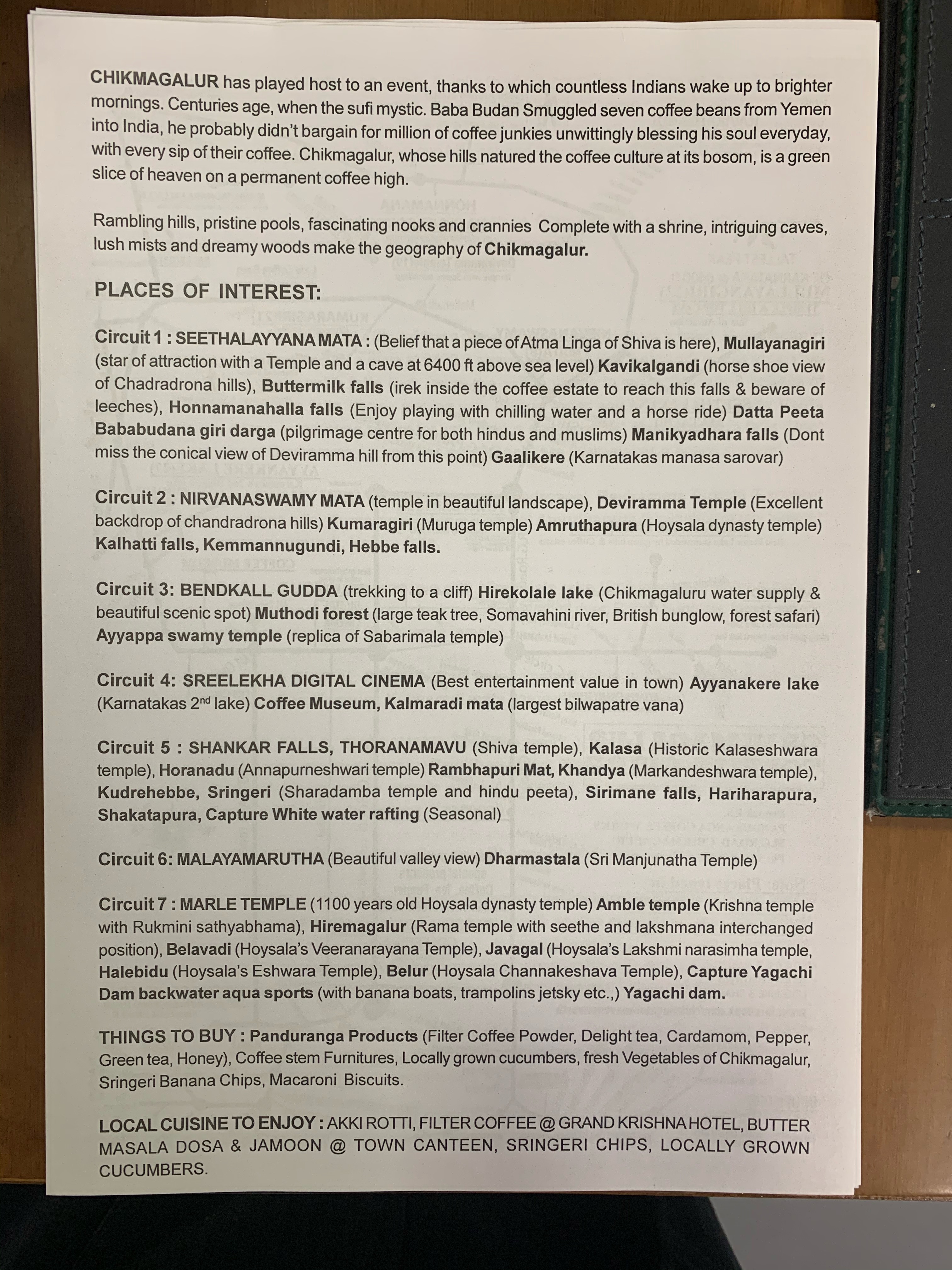
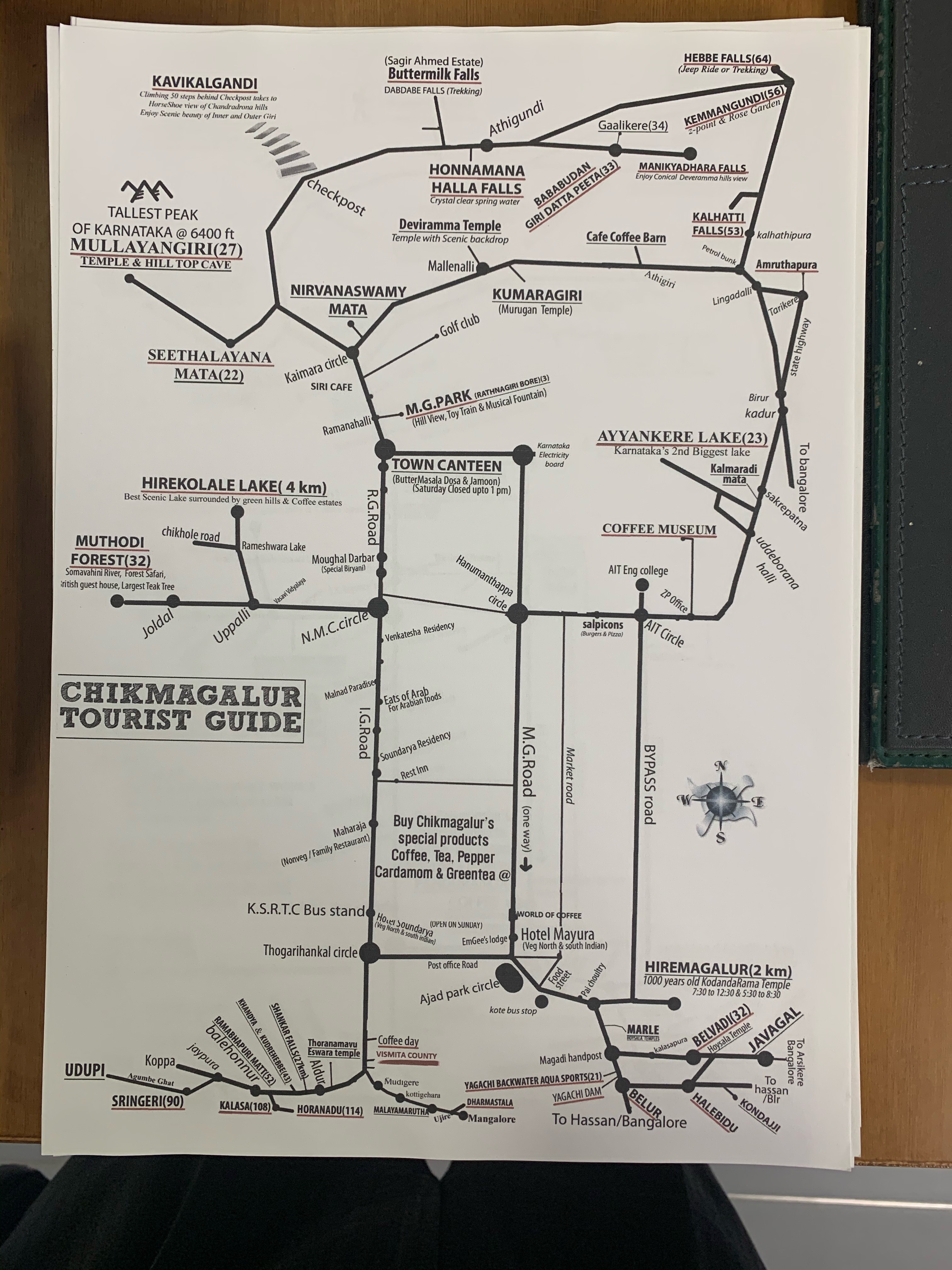
On our way to Udupi we stayed at Vismita County, which is at the edge of Chickmagalur on the road leading to Udupi. Its a very nice property with Villas, large rooms with jacuzzi / pools etc. Food and service is excellent. Its a relatively new property – 3 years old.

The drive from Vismita to Udupi is 4 hrs – if you plan to stopover at Sringeri or drive by Horanadu I suggest you spend a few days at Kolavara Heritage.  Its a lovely homestay very close to Sringeri & Agumbe. Kolavara can also be the base for your day trip to Jog Falls

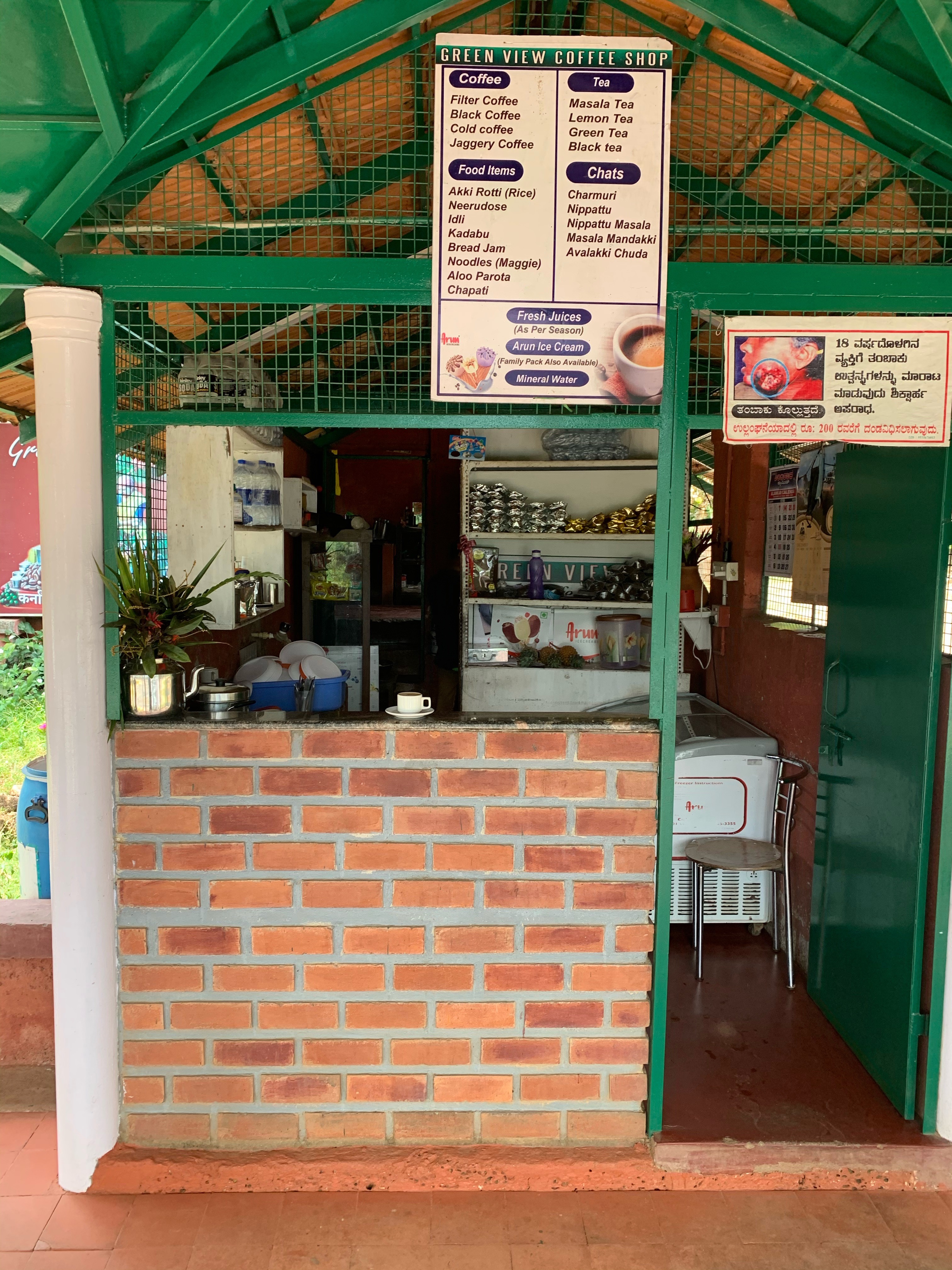
If you are the type of person who needs a break every 90 minutes while driving then stop at this small place called Green View Coffe Shop. Good coffee and spotlessly clean restrooms. Its about 90 Min from Chickmagalur on the way to Udupi.

On our way back from Udupi to Bangalore we stayed at the iconic Taj. A great vintage property with lovely huge rooms and a lot of greenery. The brand beckons but in reality there are many more nicer places in Chickmagalaur at a fraction of the cost compared to the Taj.

And while you are stopping at Chickmagalur here are things you can do


Explore Dandeli from the friendly Amara homestay

10 Feb

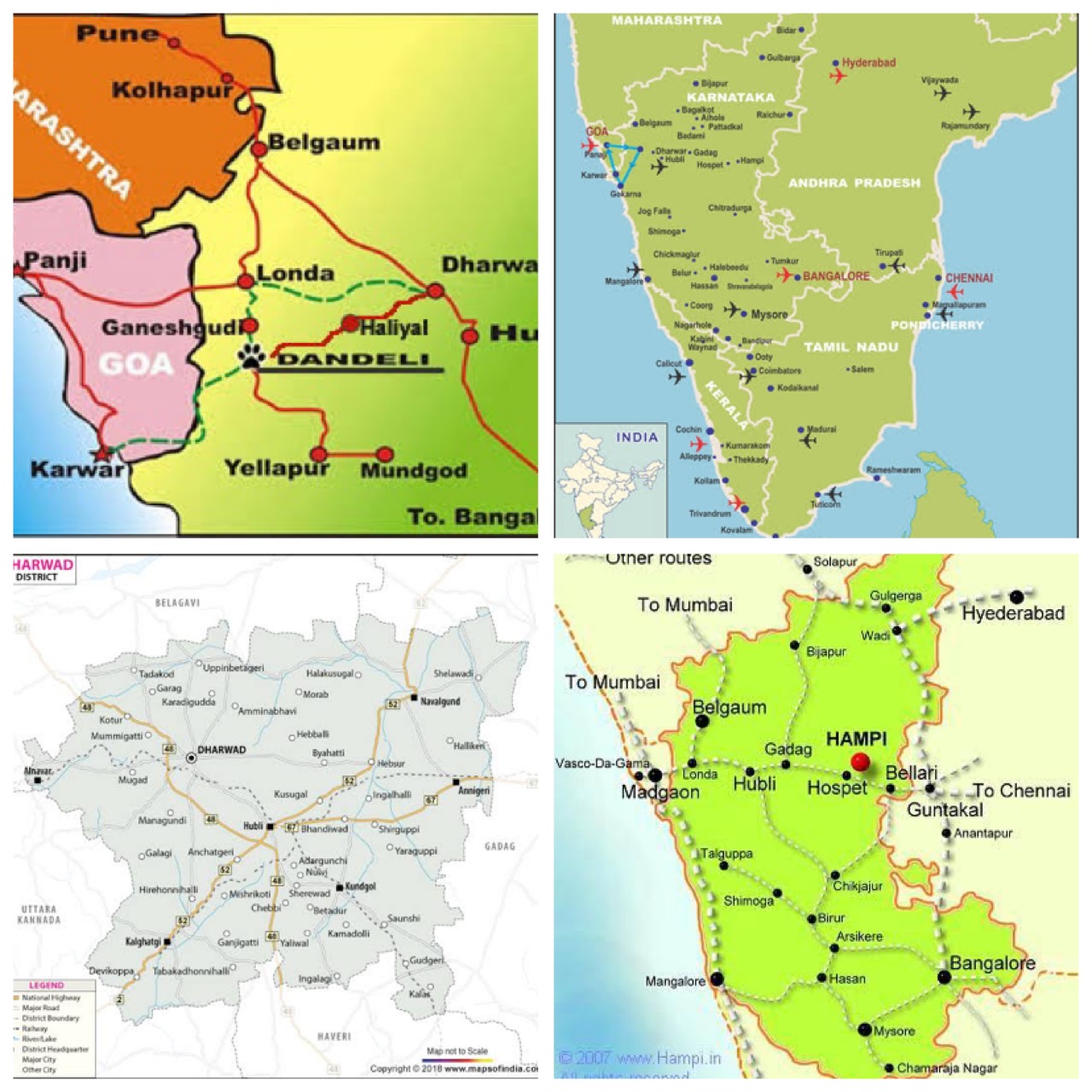
Most people associate Dandeli with white water rafting. Yes – its true that in S India this is probably the only white water rafting spot, there is a lot more to explore in this beautiful place. This area is located in the North West of Karnataka, bordering Goa and close to Maharashtra. Vast expanse of thick W Ghats evergreen forests bustling with wildlife, energising streams and waterfalls, simple good people  – and all of this in an environment that is clean, Eco friendly and sparsely populated. The Blue Triangle in Picture 2 is the place I am referring to.

We explored all of this in 4 days from Amara Homestay. A great discovery that stands out on 3 areas

  • A genuinely warm and friendly homestay that believes and implements Eco Tourism – where the concept of Atithi Devo Bhava is practised to perfection
  • Great location – the only homestay in the heart of the Kali Tiger Reserve
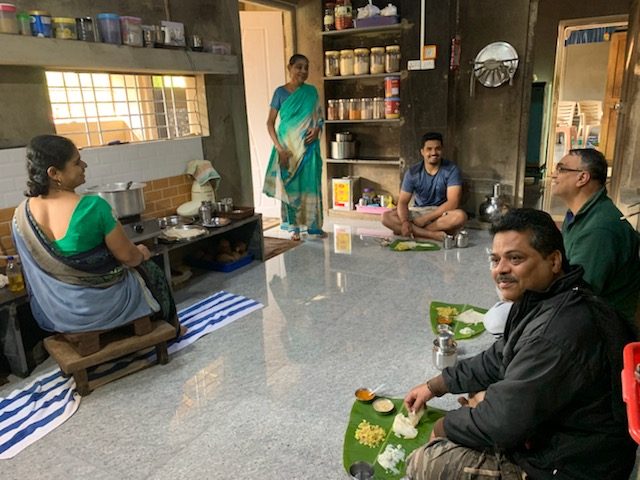
  • Outstanding Veg food – made fresh and served piping hot. Wide variety that is wholesome and tasty

The Hegde’s own a 10 acre farm that has been part of the family for the last 500 years. Currently 4 generations live together happily. While farming is the core occupation, they started the homestay business about 12 years back. This is the best place to soak in the atmosphere of a N Karnataka Brahmin Havyaka community and relish Malnad Veg cuisine.They speak Konkani & Havyaka Kannada. We relished Kottai Idli, Kadabu, Rice Ajwain Patta, Tambli, Brahmi & Kokum juice and many more delicious dishes. Recipes from Archana (Click here for Recipes)


Everything here is fresh and natural. The food is grown locally in the farm – fully organic no chemicals, the water is natural spring water rich in minerals, milk is from their cows, the spices are ground fresh every day


Thats what keeps the locals healthy and strong. In the 4 days we spent here I did not see a single hospital or pharmacy store. On enquiry I learnt that there are no allopathy doctors in these villages. Everyone relies on grandmothers home made Ayurvedic potion and for serious issues like a snake bite there is an Ayurvedic doctor in the village

Getting here is easy

06589 Bangalore Mirajpur train leaves SBC at 9 PM and reaches Alnavar Junction at 6.30 AM. The ride from Alnavar to Amara is about 90 Min. You will reach your destination before 9AM and a hearty breakfast awaits you. The return journey on 06590 Mirajpur Bangalore is equally convenient – the train leaves Alnavar at 8PM and reached Bangalore at 6.30AM. Train operates every day.

This is not Dandeli 

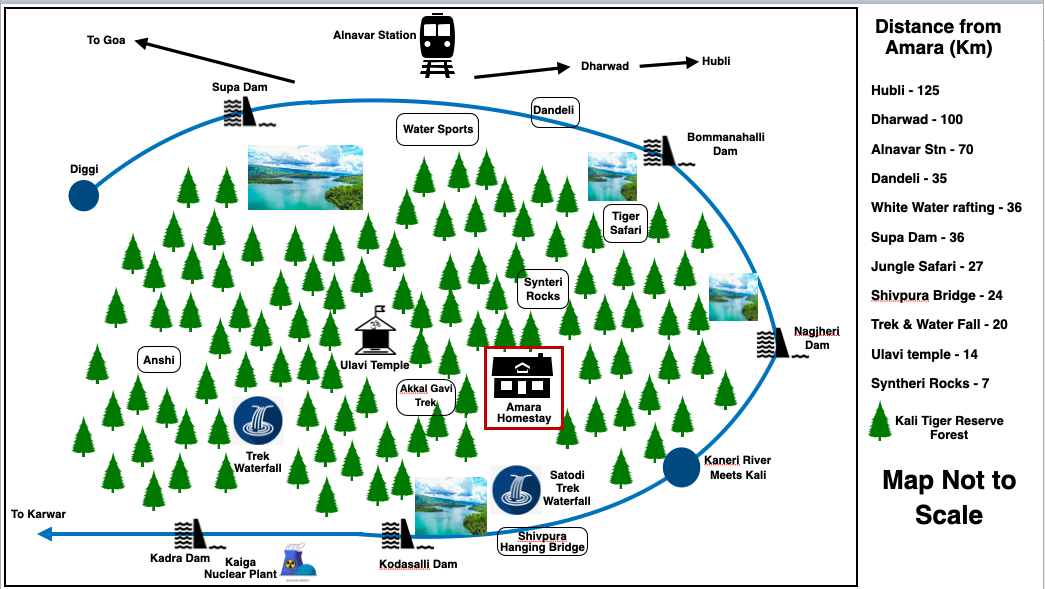
While everyone refers to this area as Dandeli – you are actually not in proper Dandeli town. Amara is located in Gund Village inside the Kali Tiger reserve forest. It is very conveniently located to all the major attractions that are 20 – 30 kms from there. Here is a not to scale visual representation of the area you will cover


This is Kali River territory

The Kali river is a short 184 km river. But it is ferocious. It originates from an underwater spring on the Goa – Karnataka border. Numerous springs and streams from the hills add to its flow. The heavy rains in the W Ghats adds to its charm and intensity.  The word “Kali” is not a reference to the Godess but to the black stones on the riverbed that gives the pure water a black colour. The river flows mainly through thick jungles and is not accessible for most of its course. In a short span of 50 Kms it has 5 dams and the 2nd largest backwater catchment area in Asia. Two of the dams store water for the Kaiga Nuclear reactors. The river then finds its way to the Arabian Sea along the Karwar coast.

This is also a Tiger Reserve 

The forest area around here was notified as the Kali Tiger reserve about 8 years back. Post that no new homestay / construction activity is allowed. Existing homestay continue to operate with limited capacity. Amara is the only operating homestay from within the Kali Tiger reserve.


Planning your time here – sights to see 


Ajit who runs the day to day operations at Amara put together a plan for us to maximise coverage of the sights. Each day we covered two areas.

Morning 9 AM  – 1.30 PM  session 1 , followed by lunch and a brief siesta and then the 2nd session from 3 PM to 6.30 PM. Our man Friday was Uday – the driver + Guide who went out of the way to show us the sights of the place and also spot a black panther and leopard.

Day – 1 : Morning session, Trek to a beautiful waterfall thru thick forests

These are sights which only the locals know. The drive was about 45 minutes and then a 1 hr trek ( up & down) to a beautiful waterfall that originates from an underground spring, the rivulet then joins the Kaneri river – one of the main tributaries of the Kali river. This waterfall is full of water all 12 months. On the trek we spotted many snakes peeping out of their holes. Take a change of clothes as you will enter the waterfalls and get drenched

Day – 1 : Post Lunch session, Boat ride to the Supa Dam backwaters and beautiful islands, Sunset viewing 

A nice drive thru dense forests we reach the vast expanse of backwaters of Supa Dam dotted with beautiful islands. The place is vast and not a soul in sight. But yes we spotted numerous birds and at least 20 of the rare Hornbills. The islands are calm and serene and a great place to view the sunset. On the way back Uday ensured that we started late and were driving around 7 PM – thats the time when you get a chance to spot the animals, we were lucky in spotting a rare Black Panther crossing the road.

Day – 2 : Morning session, Whitewater rafting

The white water resort that offers multiple activities is about 35 Kms from Amara ( 75 min drive). It was not crowded even on a Sunday. We took the 30 min, 1 km option for Rs 450/- which gets you a feel of a level 3 Rapid. We went by the same rapid  3 times. A longer option is a 8 Km rafting session across multiple rapids that takes a few hrs. This is priced at Rs 1450. Compared to the Rishikesh experience this was a cakewalk – very safe, so go for it. If you are wondering who took this photo – Rs 1400 extra gets you a professional photographer to shoot you as you tumble down the rapid and the guide on his iPro gives you a video of your rafting session. As expected this area is clean but commercial and crowded. Take a change of clothes. 

Day – 2 : Post Lunch , Syntheri Rocks 

This is a nice view point located about 7 Km from Amara. The drive is less than 30 minutes. Its a walk down 200 steep steps to view the Kaneri river cut thru a steep cliff.

On the way back we stopped at an isolated location in the Anshi Forest and trekked thru dense jungle to the Kaneri river. The water level here during the rains rises by over 20 feet covering all the rocks, but now it was nice and calm. A great way to spend a few hours in the scenic beauty of the river surrounded by forests.

Day – 3 : You have two options 

Option – 1 : Dudhsagar 

My colleagues headed to Dudhsagar which is a full day trip. You drive to the Goa border and then the contact picks you up by jeep from there. You can then trek 26 Km (up and down) or drive all the way to Dudhsagar (1 Km trek). The 26 Km trek can be thru dense forests or along the rail track. If you decide to trek, it can be very tiring. You leave by 5.30 AM and get back at 9 PM, remember to carry water / snacks – there is no food on the route. Best time to Visit Dudhsagar is Sep – Nov immediately after the rains.

Option – 2 : Nature walk – Visit to the River etc

I stayed back and soaked in the atmosphere of the homestay. Spoke to the family members had meals in their house. Morning was spent in nature walk spotting birds and rare plants followed by a walk thru the Hegde’s 10 acre farm. Thats when you realise that life in a farm is hard work. You need to be multifaceted to manage the work all year around. They are so self sufficient that even 70% of their LPG needs are met from their Gobar gas plant.

In the evening we visited a neighbouring farm who are lucky to have the river flow along their border. How lucky can you get. I enjoyed my solitude sitting by the river and listening to the gurgling rapids.

Day – 4 : Jeeva Samadhi of Chinna Basaveshwara & trek to Akkal Gavi Caves 

The Jeeva samadhi of  the youth saint Chinna Basaveshwara is at Ulavi – 14 Km from Amara. This is a very famous site for the Lingayat’s of N Karnataka. A few Km from here is a trek to the Akka Nagamma caves. This is the place where Akka Nagamma hid her son (Chinna Basaveshwara) from the soldiers of the sultan who were trying to kill him (Around 1100 AD). The trek is a long one – but not difficult. There are 3 sets of caves. While there is a proper trail and steps – this is again thru dense forests.

You come back from the trek have lunch, a short nap and then by 4.30 you are ready to leave, to catch your train at Alnavar. On the way you may want to explore Shivaji’s fort (we did not) – but we did stop by the Crocodile park – that was disappointing.

So what we could not cover this trip 

  • The Jungle safari at Potoli gate Tiger reserve that operates between 6 – 8AM & 4 – 6PM
  • Shivpura Hanging bridge and Satodi Falls trek – Great place for sunset viewing
  • Diggi Hills – the source of the Kali River

I am sure I will come back to complete the list. Our friendly guide assured us that there were many more offbeat places to see which only the locals knew about. Best time to travel is April & Oct / Nov. April the hills are full of flowers and Oct / Nov the rivers are overflowing.

A few more points as you plan the trip 

  • Take the train – don’t drive from Bangalore – its a long 11 hr drive. You lose 2 days in the process. Train is convenient and you need a local jeep / guide to show you the places
  • Network coverage is poor – this is BSNL land. While Amara provides BSNL Wi Fi you will not get coverage on your Airtel / Voda / Jio phones.
  • The rooms are clean, functional & basic. Each cottage has a twin bed and a single bed + a mattress to accommodate a 4th person. Soap & towel are provided by Amara. Carry your toiletries. You get hot water and nice views.  Remember this is a homestay not a hotel
  • This is not a place for wild parties, loud music and liquor. Food is pure Veg. Respect the communities way of life.
  • The treks can be steep, carry good shoes. Carry change of clothes – the waterfalls and rafting will make you wet. Pack a rubber waterproof sandal – the river bed and waterfall area is rocky – good to have a footwear.
  • Carry water / snacks on the treks – there are no shops around these places. Carry your medicines.
  • Dont forget to pack your binoculars – lots of birds to watch
  • This place is not at an altitude – but the dense greenery and rivers make it cold. Max temperature is 35 degrees. Nov – Feb can be cold. Minimum temp in Jan can be 6 – 7 degrees. Carry some warm clothes and socks. Especially if you are planning early morning trips
  • This is a place you will feel like visiting again and again – a group of friends from Pune have visited Amara over 20 times.
  • Most people who visit them are from Maharashtra / Belgaum / Hubli / Dharwad – Bangaloreans are yet to discover this place
  • Roads are in great condition – they are almost empty so people go fast. While its not hilly terrain many roads are curvy and zig zag. Restrooms are a challenge – that’s why you do morning and evening sessions and head back to Amara for lunch.
  • Carry something for the Hegde’s – the 4th generation kid Atharva is very cute and you will feel bad if you don’t carry some goodies for them. Remember they treat you like family – so you better reciprocate
  • This place is real Value for money – Rs 1600/- per person / day inclusive of all meals (Breakfast / Lunch / Dinner / Tea/ Coffee / Fresh Juices / Snacks). You rent a jeep that can accommodate 8 people – for Rs 2800/day , driver cum guide extraordinary comes free
  • Go as a group of 6 – 7 people, thats more fun

And one more thing…. 

The word Amara has two meanings, it means immortal – it also stands for the initials of the owners Ajit – Mangala – Ramchandran. Ajit has a Masters in Hotel Management and his wife Rachna in Fine Arts. The family is an ideal, happy, contended family. They are good people who work hard, lead a simple life and serve you like family.When you travel to a place like this staying in a homestay is such a great learning experience, dont miss that.

So do spare a few days and go visit them – Amara Homestay, PO Gund, Via Dandeli. https://dandeliamara.com


4 Generations of the Hegde family 


Some more Views from the trip …..

Everyone concentrating on breakfast


That is Kottai Idli and the freshest coconut chutney, the red liquid is jaggery syrup made at home


A view of the room 


The waterfall we visited on Day 1


Backwaters of Supa Dam


Helping accumulate the Arecanut 

Piping hot Neer Dosas being made on a 100 year old metal Tava by Mangala Ji 


Skill at work 

Explore Wayanad from the comfort of Tranquil Resorts

1 Feb

Sometimes its good to be landlocked with no train and airport connectivity. The beauty of Nature is preserved. Wayanad is the perfect example of such a place. Its as close to Bangalore as Ooty & Coorg but attracts less than 10% of the crowd. So if you are looking to soak in the best of un – trespassed nature nestled amidst the gorgeous western ghats – then head to Wayanad.

Wayanad is one of those holiday destinations that promise a little bit of everything – peace and tranquillity, stunning landscapes, nature and wildlife, trekking and camping adventures, history and culture, great food and excellent infrastructure.

We explored Wayanad from Tranquil Resorts (https://www.tranquilresort.com). A wonderful homestay with a great central location. Just 10 rooms in a 400 acres estate that grows Coffee /Arecanut / Exotic Fruits / Avocado and a lot more. It has the size of a resort but the warmth of a homestay. Tranquil has a history that dates back to 1896 and the current owners took over the property in 1994 and transformed it. The pedigree of the family is rich and diverse. Ajay – who runs the place is a great communicator and he can go non – stop narrating stories and anecdotes of family and guests who have visited Tranquil from all over the world. He is an amazing person full of positive energy. The passion with which they run the place would make you feel that they started this Home Stay last month – its been operational for 20 years.

Tranquil has 10 rooms – 5 garden rooms, a Tree Villa & Tree House, A Deluxe room, Luxury Suite and a 2 Bedroom Cottage. The place is warm, rustic and comfortable. The ambience is welcoming – The gardens are blooming with multitude of rare flowers and plants – all nurtured by Nisha (Ajay’s Wife), the dogs are friendly and the food is fresh, tasty and homely

We stayed at the Tree Villa – a huge room that can accommodate 4 and comes with 2 bathrooms and a large sit out. Its in the midst of the plantation surrounded with verdant greenery and great views and at 6.30 AM you can hear a zillion birds and if lucky the trumpet of an elephant. But as a family of 4 for the same price you could also take 2 Garden Rooms.

Its important that you choose the right place to stay. Waynad end to end is a 1 1/2 hr + drive , so if you pick a resort that at the edge of Waynad the drive from Bangalore is going to be very tedious. Also the Lakkadi view points at the Tip of Waynad is one of the wettest regions of the country. Tranquil is perfectly located – close to all the attractions and a 2 1/2 hr drive from Mysore.


Having decided to go to Wayanad and stay at Tranquil,

What can you do in Waynad 


There is a let to do. To cover all the sights may take you a week. The first step is to find a guide – you can do a lot more with the help of an able local. Ajay had patched us to Sabu Abraham – A bird watcher / trekker / nature enthusiast and a good human being. Sabu is associated with the local District Tourism Promotion Council. He was a great asset who helped us cover a lot of ground in the time we spent there (2 Nights) – so do contact him at +91 94479 52186.  You can also visit his website http://www.wayanad-naturetours.com

Trekking 

This place is paradise for trekkers. We climbed a steep hill called Kolagapara, a short drive from Tranquil. Took us 2 hrs – but it was intense and steep all along the way. There is also the Chembara peak which has a lake on the top. As you climb this hill the landscape changes – you see evergreen forests , grass lands and even a lake at the top. Professionals will head to Brahmagiri which is a full day affair. (70 Km from Tranquil). Close to Brahmagiri is an ancient temple Thirunelly

Waterfalls 

We visited the Kanthanpara falls. A very well maintained spotlessly clean picturesque waterfall. This was about 45 min from Tranquil. Two other beautiful waterfalls are Soochipara & Meen Mutty – both are located about about 20 Km from Tranquil.

Edakkal Caves 

A short 10 min drive from Tranquil gets you to Edakkal Caves. This is the only known place in India with Stone Age carvings. that date back to the Neolithic and Mesolithic ages (5000 – 6000 BC). Edakkal is said to have had links with Indus Valley – 400 signs discovered recently establish this linkage. Getting to the caves is not easy. A steep climb along a pathway for 1 Km and then 350 steps gets you to the caves. This place deserves a UNESCO World heritage tag. Its very well maintained

Opening 8.30 AM – Closing 4 PM. Closed on Mondays.

Banasura Sagar Earth Dam 

Second largest Earthen dam in Asia. Located about 1 hr 15 min from Tranquil. They have scenic walking trails and a nice lake.

Gurukul Botanical Sanctuary (https://www.gbsanctuary.org/ourstory.html)

Started on a small scale 40 years back by a passionate German environmentalist – its a place where endangered species of the W Ghats are are nurtured in a natural environment. The Gurukula Botanical Sanctuary is tucked away in the far away hills of the Wayanad forests of Kerala. It sits perched on a hillock by a perennial stream that flows all the way into the Bay of Bengal.

The Sanctuary is a patch of 50 acres of forests land of which some 40 acres are left largely alone for natural succession. About 5 acres is meticulously tended and doubles as a showcase for visitors to visit, explore, interrogate and comprehend. The Gurukula tends its forests on the principles of restoration ecology with careful, conscious human interference. Form the mosses, liverworts, ferns, orchids, lichens to the massive angiosperms, each one is documented, catalogued, tended and known by nature, place, origin, age and stage. You can schedule a trip here by calling them up.

Distance from Tranquil – 1 Hr 45 Min (Near Brahmagiri Trek)

Wildlife Sanctuaries 

The Muthanga wildlife sanctuary is located 25 Km from Tranquil. Booking is first come basis for a jeep ride and you have a good chance of spotting Elephants / Deers / Peacocks…. . Of the 3 sanctuaries in this area ( Bandipur / Muthanga / Kabini – Your chances of spotting wildlife is best in Kabini). Morning sessions start at 7 AM and evening at 3 PM. Weekend can be very crowded

Lakkidi View Point

Lakkidi is one of the highest locations in Wayanad, Vythiri is the nearest town. Three km from Lakkidi is Pookot Lake, a natural freshwater lake spread across 15 acres. It is one of the rarest reservoirs of water in Wayanad. Surrounded by meadows and hills, it is a favourite picnic spot. Lakkidi’s annual rainfall averages from 600cm to 650cm.

There are a few other places worth visiting – Jain Temple at Sultan Batheri, Lav Kush Temple etc. Locals say that a must visit is the Glass temple of Koottamunda situated about 20 km from Kalpetta. It is a famous Jain temple, on the slopes of Vellarimala. It is dedicated to the third Thirthankara of the Jains, Parswanatha Swami. The exquisite beauty of the temple owes a lot to its construction. There are icons of Parswanatha Swami and Padmavathi Devi in the sanctum of the temple. Mirrors are placed in the inner walls of the temple and you can see numerous beautiful patterns of the reflections of these idols in these mirrors.

A few  points about Waynad 

  • The word Wayanad comes from ” Vayal” – Paddy Fields and Nadu – “Land”
  • Wayanad is landlocked – shares borders with Karnataka & Tamil Nadu.
  • The altitude varies from 700 – 2100M. But the drive is not hairpin drive.
  • Given this altitude the weather is pleasant all year around – max temp is 32 degrees. lowest temperature in Dec – Jan is 10 – 12 degree. Rainy seasons can be very wet.
  • Given the range of altitude you will find a wide variety of flora and fauna – from deciduous trees to evergreen forests, pine trees and meadows
  • The place is well maintained and spotlessly clean. The roads are great – no potholes. the town of Sultan Bathery was picture perfect with neatly painted shops, flower pots on the pathways and not an ounce of garbage.
  • The town of Sulthan Bathery was formerly called Ganapathyvattam. During the invasion of Malabar by Tipu this town was used by his army as the storeroom or battery for his ammunition. Thus the town came to be known as Sultan’s Battery which later became Sultan Bathery.
  • The total size of Wayanad is only 2132 Sq Km (Thats smaller than Bangalore) of which 900 Sq Km is under forest cover
  • Dont be worried with the demographics of Wayanad – its not like Mirzapur or Meerut, its clean, efficient and beautiful.

Distances

  • Bangalore – Thotada Mane 144 Km (Restaurant break at Srirangapatna)
  • Bangalore – Mysore 159 Km
  • Bangalore – Tranquil Resorts 279 Km
  • Distances can be deceptive – a drive from Bangalore to Wayanad with a stopover can be a tiring 6 – 7 hrs. The Bangalore – Mysore stretch slows you down. Recommend a stopover at Mysore for the night, then you can reach Waynad the next day by 11 AM after a relaxed breakfast at Mysore
  • Once you leave Mysore there is no good restaurant / restroom break. So if you are driving non stop do a stop over near Mysore.
  • I would recommend this lovely place called Thotada Mane, its a few km off the highway. A very nice homely place where they serve fresh Veg food in a nice green ambience amidst fields. Clean restrooms. Make note of the timings – they are normally open from 8.30 – 3.30 and closed on Mondays.

A Few points about Tranquil 

  • Network connection is great – your 4G works very well, rooms have TV.
  • Room rates are inclusive of Breakfast & Dinner.
  • Bird watching and walking around the Plantation – Budget for 2 hrs
  • The garden rooms are located in the main building adjacent to the owners house. These rooms face the garden and share a common verandah. Rooms come with two speerate twin beds. The bathrooms are very spacious
  • Tranquil serves Beer – but other liquor you need to get from local stores. Remember you can’t carry liquor from Karnataka to Kerala. The Govt stores have a premium counter with no Q
  • Get your emission test, carry your Car documents – the Cops may trouble you at the border
  • Waynad is the place to buy spices – great quality at excellent prices. So visit a wholesaler and stock up on Pepper / Cashews / Turmeric / Kokum / Coffee etc


Exotic flowers – we spotted the rare Dutchman’s Pipe and a leaf that is like sandpaper


The full moon was brilliant from our room, and thats freshly plucked Coffee beans being spread for drying.

A Coffee shrub with densely packed Coffee beans and views from our Trek.