Whats the outlook for 2021 and where do we invest money? Simple, straightforward, logical insights from Ruchir Sharma
Here is a summary for you to absorb in 1 minute, detailed 1 hr Interview Link enclosed below.
2020 Economy had negative growth of 4% and stock markets had a 13% + growth. In 2021 this trend could be the opposite – as economies boom Stock Markets may slow down
2020 Stimulus was 5X of that during the Lehman Crisis, came immediately. Most of it went to savings & Stocks as avenues for spending where limited. 2021 could see pent up spending
2021 – Markets are already pricing in higher consumption / Govt will not have any money for stimulus
Inflation is set to rise and interest rates may go up. Global Inflation has been stable for 20 years ~ 2.8%. Could rise steeply in 2021 driven by labour shortage/ less competition / declining productivity / excess money printing
Higher Inflation could lead to higher interest rates. In 1980 Global GDP = Valuation of Stock Market, in 2020 Stock markets globally are valued 4X of the Global GDP
This is a good time to buy property at Fixed interest. Home prices in US / China surging last few years – India declining. Income has been increasing put prices are declining.
USD is declining after maintain global control for 100 years. Driven by excessive currency printing. In 2020, 5 Tn USD printed
Distrust in USD is driving alternative Cryptocurrency. Bitcoin emerging as the new Gold. Strong interest in younger generation
Revival of Commodity cycle after 10 years. Weakness in USD is directly linked to strong commodity cycle
Developing countries make a stronger comeback. More resilient, faster to change. Digitization share of economy is already high.
Best companies of one decade perform poorly in the next. New stars will be born.
When it comes to life there are 2 rules that are almost universal
Everyones wants to be HAPPY
Everyone wants to be RICH
While Happiness is a state of mind, being Rich is something that can be actioned. The Universe is constantly showering us with Richness – but we with our confused thinking are looking the other way as opportunity constantly knocks.
In this BLOG I am going to share some simple messages that can be of help to one and all. Definitely to a youngster who has started his career and even to folks my age who missed this common sense investing advise. We may at least be able to create an inheritance for our children or build a corpus for charity in our old age. Almost all the content of this Blog is based on discussions and inputs from Friends.
The industry can be confusing and many wealth managers try to market products where they make hefty commissions. So do your own research.
You make wealth when you understand the power of Compounding
Start early and stick to it. I will share with you almost 50 companies across sectors (and I am sure there are many more) that have created phenomenal wealth over the last 25 years. These are companies in which our friends work, companies we read about every day. We may have in passing bought and sold these stocks, but we missed out on the power of compounding.
Three simple rules
Is it a DIAGONAL Stock (Look at the last 20 year graph of the stock and see if its like a diagonal of a rectangle)
Is it a good established Brand with Products / Customers / Revenue / Profit – Is it in the top 3 in its Industry
How good is the Management
Good companies run a marathon, you can get in at any point and ride the wave
Its OK if you missed the IPO
Stocks Vs MF
Last few years MF seem to be lagging the index, and are not delivery an alpha. HNI’s have started shifting to the Index and to select stocks across sectors creating a diversified portfolio of their own. This trend may accelerate.
Before we look at some of the sectors and the market leaders lets look at the Simple Humble PPF.
Company PF & Public Provident Fund are the best examples of the power of compounding. You start early and the corpus quietly keeps multiplying at ~ 8%, you also keep adding to this monthly / annually. Always invest in your PPF on April 1st the max limit and if its a payroll PF do contribute with your Voluntary Contributions. And remember a PPF does not have a 15 year limit you can keep extending it by 5 years for ever. The power of compounding starts to kick in when you have a 30 – 40 Lac corpus after 20 years, that when you see the money doubling every 7 – 8 years. This is TAX FREE Income.
You can’t beat the Index
If in the last 25 years you had invested a few thousand rupees every month in the index you would have made a lot of money. On a weekly / monthly / annual basis we see the volatility but over an extended period the markets have given a 15% +return. You can see the diagonal graphs below.
Indian IT – A Global leadership play that is getting stronger
We all have friends and family working in the large IT companies. All you had to do was invest in Infosys & TCS regularly and stay put. You may have missed the bus but the ride is still on, so get onboard.
The great Indian consumer boom – A billion people eat a lot of biscuits and drink a lot of tea. You buy undergarments, soaps, shoes and slippers. You paint your house. Life goes on and you continue to use the leading Brands of the country.
Make money from select Indian Banks – A Growing country like India needs banks and India’s Pvt sector banks have done very well. Some like Kotak are world leaders. Kotak Mahindra Bank, has comfortably pipped all lenders in the world to become the most expensive bank stock, a crown which until recently belonged to HDFC Bank. Investors who bought into these banks early and stayed with them have made a lot of wealth. And the banking game is just starting – as banks consolidate the big will get bigger. The life insurance story is just beginning and this is the time to look at HDFC Life, SBI Life or other quality companies that have recently hit the markets. Bajaj Finance is a giant amongst NBFC’s and may well be a bank soon. Last 5 years this stock has created a lot of wealth for investors.
Like IT – India is also big on Pharma. This is more complex given the investments and the approvals needed. But many Indian companies have established a position of leadership.While we all know Sun Pharma, Dr Reddy, Alembic, Aurobindo and many others – here are 4 companies that follow the rule of the Diagonal in this sector.
Agriculture – The country is agrarian. Just like Pharma, India is home to many companies that specialises in pesticides/ fertilisers/ seeds / Tillers, here are a few star performers of this industry. Given the small land holding in India where tractors cannot be used VST Tillers is another great idea to explore.
The world of Chemicals & Plastics goes beyond Pharma & Agricultured. Here are some market leaders who have performed well over the years in their own areas of specialisation. Some of them are global players with over 50% MS.
Indian Automobile Sector
Companies like Maruti, Hero, TVS and many component companies have rewarded investors handsomely in the last 20 years and the trend will continue. Component and battery manufacturers Like Exide & Amara Raja who supply to the Industry and export have also performed handsomely. This year the sector has been impacted and inspite of markets reaching an all time high these stocks still have some distance to go.
Platform Stocks
Amazon & Flipkart are platforms. The last decade has seen the explosive growth of Platform Stocks. Indian markets have 3 Platform Stocks. Multi Commodity Exchange, India Energy Exchange & IndiaMart. These are relatively new to the market. Stocks like IndiaMart have been explosive and MCX has started performing in the last one year. One hears news about the Energy exchange also. These are again ideas to explore for the future.
So how could you go about building your portfolio
Here there is no rule that fits all. There are many roads – the common rule is stay invested for the long term.
Should you buy 50 stocks or 10? Should you dip your finger in all sectors or choose only the top 3? Do you invest only in the market leader or in the Top 3 in every sector ? Do you buy at one shot or spread your buying over 12 months? Do you book profits periodically or stay put? How much should you invest in a. stock? Do you categorise stocks in your Portfolio as Tier 1/2/3?
These are questions that each person needs to solve for themselves. There is no fixed answer. As I write this Blog markets are at an all time high, so this may not be the best time to invest all your hard earned money.
Finally an important note – the information above is for each person to absorb, research and decide on what is best for them. This is not a recommendation of stocks.
Christmas is all about Cakes – specifically Plum Cakes (Do you know that Plum Cakes have no plums in them?)
Lets discuss
Where to get the best Plum cake in Bangalore (Its a secret)
The fascinating history of Plum Cake
An overview of Cakes baked across the globe during Christmas
But first let me share how I discovered the most delicious Plum Cake in Bangalore
Its an annual ritual to get a Plum Cake during Christmas. Normally its from a neighbourhood store. This year I decided to hunt for the best plum cake in town. I researched online, spoke to friends and looked at pictures (Good Brands & food talk to you). There was wide range out there – From the humble Iyengar bakery to the Exotic 5 Star bakes, Nilgiris, Smoor, Cakewalk, Glen’s bakehouse, Lavonne, Michelle Gafoor, Excelsior and a few more… from Rs 90 for a 200 gram cake at Iyengar’s bakery to premium stores charging 1000 – 1500/Kg.
But they all seemed the same. I could not connect with any of them. Something seemed amiss. They could not entice me to click on the Buy Button.
L’inouï – means ‘extraordinary, incredible, unheard of, unprecedented’ in French. Their mission is to bring the finest chocolates and the fine art of chocolate making to Bangalore. And if you have a passion (and palate) for the finer things in life you must explore their products. They also make Plum Cakes.
The minute I saw the website and read about the company I connected. It seemed truthful and of high quality. While I placed my order immediately, I also called up asking to meet the owner of this unique Brand.
Anusha is a young 1st generation entrepreneur. The idea of creating a Chocolate Shop with European standards came to her mind when she was studying in Belgium. Most pastries in India try to appeal to the masses not via taste, but cost. So, corners are cut, substitutes are employed and an impersonator is born. The little treats often come out overly sugary and underwhelming. And the customer is left wanting. She embarked on a mission – Use the best ingredients, don’t cut corners, and have specialists working for you. The results are remarkable and loyal customers are turning up in large numbers. When I asked her why Linoui products were 3 – 4 times more expensive, this was her answer.
So what did I like about Linoui’s Plum Cake?
The packaging was elegant and nice. It wasdense – packed with dry fruits, It was rich but not greasy. It did not crumble. It was delicious and it got better on day 2 & day 3. Most Plum Cakes you find in stores are 95% dough and 5% dry fruits. This one was the other way round. Plum cakes are best eaten after a few days of baking. Its good to feed it with Rum, that helps it to darken and stay moist. So when you buy your cake ask when it was baked.
Lets now look at some interesting Plum cake Trivia
What’s the Origin of Plum Cakes
Fruit cakes date back to Roman times, where the people prepared a dessert called Satura, which comprised barley, dried raisins, pine nuts, pomegranate seeds and mead (wine made with honey). The English began making a different version of Satura during the Victorian period. This became a popular and an integral part of holiday feasts. They came to be known as Plum Cakes or plum puddings in England.
Plum Cakes and Christmas – what’s the connection
During the medieval period, there was a popular tradition of observing a period of fast before Christmas. Right before indulging in heavy treats and meals during Christmas, most people consumed a rich porridge that “prepared the stomach for feasting”. This porridge was made of oats, dried fruits, spices, honey and meat. Ingredients such as oats and meat were excluded from the recipe eventually. New ingredients such as flour, eggs and butter replaced meat and oats, paving way for the birth of the famous plum cakes, which are also known as plum puddings or fruit cakes.
Why the name Plum Cake when there is no Plum in them
The term “plum cake” and “fruit cake” have become interchangeable. Dried fruit is used as a sweetening agent and any dried fruit used to be described as “plums”. Most plum cakes and plum puddings do not contain the plum fruit as we know today. The term “plum” originally referred to prunes, raisins or grapes.Thus the so-called plums from which English plum puddings are made “were always raisins, not the plump juicy fruits that the name suggests today.
In Old English, the term plūme was “from medieval Latin pruna, from Latin prunum,” which equated to “prune“. Prune in modern French means plum, so plum tarts have names such as tarte aux prunes. In English, prunes are dried plums, and when modern cakes use them as a primary ingredient, they may be referred to as a plum cake.
How did Plum cakes travel across the globe
Plum cakes moved out of England primarily due to colonization. English men working in colonies such as Australia, and the Americas, Canada and India received Christmas gifts and hampers from their families in England. Plum cakes were sent along with these hampers. The locals eventually began making these cakes in their households during the holiday season.
How did the cakes last long voyages in those days by ship and land
The cake is prepared by soaking the fruits and nuts in rum/ alcohol. Some soak it for weeks and months while others soak it longer. (Non alcoholic variants are also available) The cake containing good deal of alcohol remains edible for many years. For example, a fruit cake baked in 1878 is kept as an heirloom by a family (Morgan L. Ford) in Tecumseh, Michigan.
Here is some advice from a celebrity Chef on how to make the Plum Cake
Here is a menu from pastry Chef Ravi Varma at Taj Coromandel “Instead of mixing our fruit a few months in advance, we do it a whole year ahead, for maximum flavour,” says the chef. Imagine that. Don’t choose a metal container though or it might react with the alcohol and alter the flavour, advises the chef, “Drain the excess liquid or the cake will become sticky and don’t leave out the candied orange or lime peel in the mix, as that breaks the sweetness in flavour,” he advises.
Method
Cream butter and sugar
Add eggs one by one
Add caramel colour
Mix soaked fruits to it
Then fold all dry ingredients into the batter
Put the batter in a lined pudding mould, bake in double boiler at 150 °C
for 45 to 50 minutes.
Cakes from all over the World
While Plum Cake is very British there are many delicious Cakes made across the world during Christmas.
Tres Leches cake
The Mexican sponge or butter cake is soaked in three types of milk—condensed milk, evaporated milk and heavy cream—to give it a creamy and spongy texture. The cake is topped with whipped cream and berries and is refrigerated overnight so that the cake can soak up the milk mixture. It is also called the ‘three milk’ cake. Though it can last upto four days when refrigerated, it is best to consume it in 48 hours.
Tarta De Santiago – Spanish delicacy
This Spanish cake recipe comes from Galicia in Spain and literally it means Cake of St James. It is an almond cake consisting of ground almonds, sugar, eggs, sweet wine, lemon zest and brandy. The round cake’s top is sprinkled with powdered sugar with an imprint of the Cross of St James in the middle.
Makowiec from Poland
Makowiec (pronounced: Mak-ov-yetz) is a strudel-like, yeast poppy seed cake that’s one of Poland’s most popular desserts. It’s main attraction is the filling spun inside, made of finely-ground poppy seeds, honey, butter, raisins and walnuts. When made right, the cake is absolutely delicious. It’s safe to say that many a poppy-seed cake lover would agree that the more the filling, the better
Turkish Revani
This Turkish cake recipe has been served in Turkey since the Ottoman period. Many Middle-Eastern and Mediterranean cultures have adopted the cake with some variations. It is widely served in homes and restaurants and is a single layer of soft and yellow semolina sponge cake covered in light syrup. The cake is made with flour, yoghurt, vanilla, lemon, sugar, vegetable oil, semolina, hazelnuts and so on, while the sugar and lemon syrup are added to the cake later
Stollen from Germany
Stollen is traditional German bread that is eaten during Christmas and is called Christsollen or Weihnachtsstollen. It is a fruit bread made of nuts, dry fruits, spices and powdered sugar. It was baked as Christmas bread for the first time in 1545 with flour, yeast, oil and water
Yule Log
This is a traditional Christmas cake served in France, Belgium, Switzerland, Canada, Lebanon, Syria and some French colonies. A sponge cake is made to resemble an actual Yule Log, a form of sweet roulade. Its recipe flourished around the 19th century.
Italian Pandoro & Panettone
Panettone is a Christmastime cake from Milan. The sweet, yeasty cake has a distinctive domed shape. Panettone is often compared to fruitcake because both are traditionally made with raisins and candied fruits. Pandoro is a Christmas cake that originated in Verona. True to its name (pan d’oro means “golden bread”), the cake has a bright yellow color. Pandoro is traditionally a star-shaped cake that is dusted with powdered sugar. In the medieval times, the sweet, golden bread was only served in palaces, while the common people could only afford the black bread
French Galette Des Rois
Also called King Cake, this French Christmas cake is usually made during the festival of Epiphany around Christmas. It started roughly 300 years ago as a dry French bread with sugar and bean, and is now made of a sweet brioche dough in a hollow circle shape sprinkled with coloured sugar and a glazed topping. In some countries, king cakes are made with a puff filled with fillings like almond, chocolate, pear or apple and have a feve, a small figurine hidden inside. The cake is named after the three biblical Kings or the three wise men.
Pan de Pascua from Chile
Despite the fact that the name ‘Pan de Pascua’ means ‘Easter bread’, this cake is a traditional Christmas cake from Chile! It is made with the fusion of fruitcake batter and rum. If you ever visit Chile during the Christmas period, you will be served with a boozy holiday coffee called ‘Cola de Mono’ and ‘Pan de Pascua’ together as a meal!
Dundee Cake – Traditional Scottish Cake
Dundee Cake is a traditional Scottish fruit cake made with almonds, currants and sultanas and fruit peels. Its recipe started developing in Dundee (a coastal city on the Firth of Tay estuary in eastern Scotland) in the 1700s when it started to be mass produced by the marmalade company Keiller’s marmalade, said to be the originators of it. Dundee Cake is also said to be Queen Elizabeth’s favourite during tea time.
Mochi from Japan
Mochi is a traditional Japanese cake that is made with rice paste. The rice paste is prepared by mixing rice flour with water and the mixture is cooked well till a paste-like consistency is found. The paste is later moulded into any desired shape and decorated with powdered sugar or chocolate flakes
Bolo Rei from Portugal
This traditional cake from Portugal is very unique in its own way! It is shaped like a crown in reference to the story of the three kings called ‘bolo rei’. This cake is relished by the locals throughout the whole festive period starting from the Christmas to Dias de Reis on January 6.
Over the years I have struggled to get a good loaf of bread and fresh soft Croissants in Bangalore. The hunt ended when we discovered Sourhouse. They make the best Sourdough and fermented products in Bangalore – there is no distant 2nd. Add to this their collection of pastries and dips – its a place to bookmark for a connoisseurs of good food.
With products of this quality you would think that the Chef is trained in one of the famous Boulangeries of Paris. You will be surprised to know that the owner is an engineer with a MS in Human Computer Interface. A simple middle class South Indian lad from Coimbatore. A campus recruit at Wipro, MS in Indiana, a short stint at Siemens US and then the 2008 crisis forced him to come back to India. A brief stint at an NGO in Chennai and then 3 years at a Product design Company. His friends working at the NGO in Chennai started Blue Tokai Coffee and that is when he had the first idea of breaking free and doing something of his own. With no formal training he started baking Sourdough bread at home.
I asked him – When most people start experimenting with Cup cakes, Muffins, Biscuits and regular bread why Sourdough? He felt that regular bread with Yeast was not challenging – making Sourdough was more exciting and it was a eureka moment when everything worked out perfect. Practise and Passion makes things perfect, add to this the skill and expertise of his British wife Mia the couple started small and went from strength to strength to establish a name for themselves all over Bangalore.
Whats the secret behind their success? Perfecting the art of Fermentation. Thats when I realised that a bakery is not about cream, cheese, chocolate, sugar and butter – Its all about FERMENTATION.
___________________________________
At Sour House, we want to bring the focus back to fermentation – to create products that are naturally processed, using ingredients sourced directly from producers. In short, we aim to bring you good, honest, healthy food in a socially responsible way
___________________________________
What Is Sourdough Bread
Sourdough is one of the oldest forms of grain fermentation.It’s believed to have originated in ancient Egypt around 1,500 BC and remained the customary form of bread leavening until baker’s yeast replaced it a few centuries ago.
What is the difference between regular Leavened bread & Sourdough
A leavened bread is a bread whose dough rises during the bread-making process as a result of gas being produced as the grain ferments. Most leavened breads use commercial baker’s yeast to help the dough rise. However, traditional sourdough fermentation relies on “wild yeast” and lactic acid bacteria that are naturally present in flour to leaven the bread.
The mix of wild yeast, lactic acid bacteria, flour and water used to make sourdough bread is called a “starter.” During the bread-making process, the starter ferments the sugars in the dough, helping the bread rise and acquire its characteristic taste. Sourdough bread takes much longer to ferment and rise than other types of bread, which is what creates its particular texture.
________________________________
I looked at the wide range of Sourdough bread at the store – Whole wheat, Seeded Loaf, Olive & Rosemary, Sour Loaf, Dark Loaf, Sprouted Buckwheat etc. And I wanted to know why the shape of the bread was in a certain way.
This shape is called a ‘BOULE” . Boule, from French, meaning “ball,” is a traditional shape of French bread resembling a squashed ball. A boule can be made using any type of flour and can be leavened with commercial yeast, chemical leavening, or even wild yeast sourdough. The name of this rustic loaf shape is reason the French call bread bakers “boulangers” and bread bakeries “boulangeries.”
While Sourhouse positioning and claim to fame is around Fermented products (Not just bread but also Kimchi, Fermented Drinks, Dips etc) – they also have an excellent collection of Pastries. (Sourdough pastries are difficult to make and more chewy – the Sourhouse pastries are not made of Sourdough). Sourhouse makes fabulous Pastries. The best Croissants & Cinnamon rolls I have tasted in India. Soft, fresh and massive in size. They also make delicious Palmiers – A classical French pastry made using 80% whole-wheat and 20% white flour coated with sugar.
And here again there was some education for me. As a I kid I grew up knowing two type of cakes – A pastry (a sweet bread block with a thin layer of icing and cream on top) and a Roll Cake that was filled with a white sugary semi solid. Today I realised there is a lot more to the family of Pastries.
The word Pastry comes from the word PASTE. Credit again goes to the Egyptians. One of the earliest forms of pastry was made by combining flour and water into a paste which was then wrapped around meat to be baked. Pastries were later developed in the Middle East and would eventually be brought to Europe, gaining popularity in the medieval period. By the 1600s, different types of pastry were developed. A Pastry is a small bun made using a stiff dough enriched with fat
There are five basic types of pastry – shortcrust pastry, filo pastry, choux pastry, flaky pastry and puff pastry. Two main types of pastry are nonlaminated (when fat is cut or rubbed into the flour) and laminated (when fat is repeatedly folded into the dough using a technique called lamination) An example of a nonlaminated pastry would be a pie or tart crust and brioche. An example of a laminated pastry would be a croissant, danish, or puff pastry. Baklava is an Ottoman Pastry and Gujiya an Indian pastry. ( Wikipedia even classifies a Samosa as a pastry)
All of this made by a few passionate, dedicated staff. Its all hand made – there is no mass production. Business is booming and large outlets like Foodhall, Nature Basket, Namdhari and Organic world have started placing bulk orders. Its a lot of hard work.
They make almost 25 different products and the best time to visit the store is at 2 in the afternoon. I assure you the smell of freshly baked products is heavenly. Almost everything is made to order and there is no stock that is carried over to the next day. They have a retail outlet in Koramangla near Ooty Chocolate.
And its easy to get their products – they deliver all over Bangalore. You can place your order before 4 PM for the next day delivery. https://www.sourhouse.in. You can also call them at + 91 98940 62073.
Christmas is round the corner, but unique that they are there is no Rich Plum Cake in the menu – instead you can enjoy STOLLEN – A German speciality. Stollen is a fruit bread of nuts, spices, and dried or candied fruit, coated with powdered sugar or icing sugar. It is a traditional German bread eaten during the Christmas season. They also have plans to start breakfast at 8 AM on Sunday – Fresh Bread, Pastries and Coffee. Selvan wanted to experiment with Bread and Chicken Curry – now that is something I frowned at. I would rather they stick to a traditional English Breakfast.
A few More Interesting Facts
A Patisserie is a type of Italian, French or Belgian bakery that specialises in pastries and sweets, as well as a term for these types of food.
Croissant – A buttery flaky bread named for its distinctive crescent shape. The Kipferl, ancestor of the croissant – has been documented in Austria going back as far as the 13th century, in various shapes.The “birth” of the croissant itself – that is, its adaptation from the plainer form of Kipferl can be dated back to 1839.The French version of the Kipferl was named for its crescent (croissant) shape
Wild yeast are single-celled organisms that exist all around you. They feed on carbohydrates, and as they do so they release carbon dioxide, B vitamins, and alcohol. Because they release carbon dioxide, yeast can leaven bread, and because they convert carbohydrates to alcohol, brewers use yeast to make beer and wine, too.
Traditionally, all brewing and baking used wild yeast – or the yeast found in the natural environment on your skin, in flour, on grains, and in the home.
With time, brewers and bakers cultivated these wild yeasts and, in the 19th century, chemists were able to isolate and domesticate certain strains from the yeast species saccharomyces cerevisiae, which is what you find in packets of baking yeast today.
What is the shelf life of a Sour House loaf?
Consume your bread while it is still fresh. If you leave it outside for more than 2 days the crust may become hard. However, sourdough has a good shelf life and you can still eat it until it begins to go mouldy. (We hope you won’t leave it that long!)
How to store Sourdough bread?
Avoid refrigeration – it will remove all the moisture. Also avoid putting your loaf in a plastic bag, as that will make the crust begin to soften. Storing your loaf in a clean cotton cloth bag will help keep it fresh for longest. If you are planning to save it for later consumption, we advise slicing the loaf, wrapping it in cling-film and freezing it.
How many of us know the History of Bangalore? I got the first glimpse and interesting insights from Sushma of Yours Truly India when I was helping her conduct walking tours. That triggered me to research and come up with something that is easy to read in a Q&A format and studded with interesting highlights. I encourage you to go through this 10 Minute read and share it with your children, family & friends.
To get you started here are some fun facts from the Blog
Do you know where Shivaji was married?
Bangalore was sold by Aurangzeb to the Wodeyars – Guess for how much?
There is a reason that Malleshwaram and Basavangudi are on hilly terrain
Do you know why Cubbon Park was built?
The iconic Taj West End started as a boarding house with 10 beds
Learn about Swami Vivekananda’s connection with IISC
Bellandur lake was a seaplane landing strip during WW 2 in 1942…….
The grand Vidhan Soudha was built at a cost that is cheaper than a 3 Bedroom apartment today
Who ruled Bangalore for the longest period in the last 2000 years? Hint its not the Wodeyars
The longest tenure was with the Western Ganga Dynasty from 350 – 1000 AD. They asserted their rule after the weakening of the Pallava empire. For the 1st 200 years they ruled a large area called Gangawadi, but after 550 AD when the Chalukyas and later the Rastrakutas and Hoysala’s dominated the south they became their vassals. Their capital was initially Kolar and later shifted to Talakad and then Manne (Near Neelmangala)
The mighty Cholas ruled Bangalore for only a century
The Cholas defeated the Gangas in 1024, but their rule was a short one for barely a century. But during this brief period many Chola temples were built in and around Bangalore. In 1117 AD The Hoysala King Vishnuvardhan defeated the Cholas in the battle of Talakad and Bangalore became a part of the Hoysala empire.
The Bhoga Nandeeshwara temple near Nandi Hills built in early 9th century,is a good example of how different dynasties expanded on the existing temples. The shrine of Arunachaleshwara representing Shiva in his childhood it was built by the Gangas, Uma Maheshwar was built by the Hoysalas and Bhoga Nadeeshwara was built by the Cholas. The Vijayanagara kings also added to the splendour of the temple.
Is the name “Bengaluru” attributed to a tired and lost Hoysala king being fed boiled beans by an old lady?
The Popular Tale Of Bengalooru getting Its Name From ‘Bende Kaalu Ooru‘ Meaning ‘Town Of Boiled Beans’, After King Veera Ballala II Of The Hoysala Dynasty In 1120 AD was fed boiled beans by an old woman in the forest is historically incorrect. The Name ‘Bengalooru’ was recorded in a 9th Century inscription found in a temple in Begur village near Bangalore.
The ancestors of Kempe Gowda came from Kanchipuram?
Legend traces the lineage of Kempegowda to a Rana Byre Gowda, a resident of Alur village in Kanchipuram, TN. He decided to migrate from there at the end of the 13th century with his 7 brothers and family and settled in Avati village near Devanahalli Bangalore.
Kempe Gowda – 1 was a feudatory of the Vijaynagar empire. He and his sons administered this area for almost a 100 years and they saw the development of Bangalore as a planned and structured city. They were collectively called Yelahanka Nada Prabhus, and were chiefs of Bangalore, Magadi and Sivaganga.
Why is Kempe Gowda called the founder of Bangalore?
In the 16th century, Vijayanagar Empire was at its peak under the rule of Krishna Deva Raya, with Hampi as its capital city. The empire was ruled by many Chieftains who owed allegiance to the emperor. Yelahankanadu (It is today called Yelahanka) was one such prosperous town ruled by a Chieftain (Nada Prabhu) named Kempe Gowda. Upon his visit to Hampi sometime during the mid 1530s, he was mesmerised by the glory of the rich city and its sophisticated layout & planning. Being a Nada Prabhu himself, he dreamt of building such a city with fort, temples, water tanks and people from all trades & professions.
How did Kempe Gowda initiate the development of Bangalore?
During one of his hunting expeditions in the forest area adjoining Yelahankanadu, he saw a rabbit chasing a dog, which was perceived as an auspicious sign.After seeking permission & blessings from Achyutharaya (King of Vijayanagar Empire), Kempe Gowda spent the next few years establishing Bangalore as a thriving city with commerce, culture, military & education. The capital was then shifted from Yelahanka to Bangalore by Kempe Gowda 1. The king was very pleased with the new city and in return gifted him the villages of Halasur, Begur, Vartur, Jigani, Talaghattapur, Kumbalagode, Kengeri and Banavar all yielding an annual revenue of 30,000 pagodas (a pagoda – gold or silver coin was worth 3 1⁄2 rupees in 1818.)
How was the original Bangalore layout created?
On a bright sunny morning in 1537 AD, 4 pairs of white bullocks with decorated ploughs, assembled in the middle of the forest at the junction between dodapette and chikapete were waiting for further orders. At an auspicious time, as Kempe Gowda flagged off the event, these 4 pairs driven by young men started furrowing the ground in 4 cardinal directions. The routes ploughed by these bullocks were marked as the main streets of this new city. Even 500 years later today, these streets are still buzzing with activity.
The street running east-west was named Chikkapete street & the north- south street was named Doddapete street (later renamed as “Avenue Road”)
To guard this new city, Kempe Gowda built a strong mud fort with 4 main gates for entry/exit. The entire fort was surrounded by moat (ditch filled with water). The city itself was only on 1.5 square kilometres of land
To streamline activities of traders, he hit upon an interesting plan of forming several layouts, each catering to a certain trade or profession. Doddapete was for large businesses (Dodda means large in Kannada) and Chikkapete was for smaller businesses (Chikka means small). For rice traders, there was Akkipete. Ragipete for ragi traders. Balepete for bangle traders, Ganigarapete for oil traders, Nagarthapete for Gold traders, Gollarpete for cowherds & cattle traders, Kurubarapete for sheep traders, Thigalarapete for farmers of Tigala community Upparapete for salt traders, Aralepete (now Cottonpete) for cotton traders, Kumbarapete for pot traders and many more such petes. (These petes still exist )
Kempe Gowda and his sons did a lot between 1537 and 1638 and deserve to be called the founders of Bangalore
Temples : Kempe Gowda built many Temples including Bull Temple (in Basavanagudi), Anjenaya Temple (at Avenue road entrance) Gavi Gangadhareshwar Temple and Ulsoor Someshwara temple (made additions to the existing structure built by the Cholas)
Watch Towers: Kempe Gowda II erected four watch towers to mark the boundaries of Bangalore during his reign. All four towers are now in the heart of the city, standing as an indication of its expansion. In the north on Bellary road, in the South inside the Lalbagh Botanical Gardens, the eastern one on a rock near Ulsoor lake and Western one overlooks the Kempambudhi tank.
Tanks: In order to supply water for domestic & irrigational purposes, Kempe Gowda built several water tanks & reservoirs around the fortified city. Dharmambudi (present majestic bus stand) & Kempambudhi tanks were built for domestic purposes while Sampangi tank was for irrigation. Apart from these, there were also several lakes in and around Bangalore.
The Kempe Gowdas built 9 Forts to fortify Bangalore – many of them are favourite trekking zones today?
Some of the forts are very popular amongst the public, like Savandurga, Nandidurga alias Nandi Hills, Makalidurga and Devarayanadurga. The lesser known ones amongst them are Hutridurga, Huliyurdurga, Channarayana durga, Kabbaladurga and Bairavadurga which are visited by the villagers surrounding the place or by avid trekkers, who are on the lookout to experience the thrill of the off beat path. These forests are in a dilapidated state today.
What is Bangalore’s connect with the Marathas?
Shivaji’s father Shahji Bhonsle working for Adil Shah of the Bijapur sultanate attacked Kempe Gowda and captured Bangalore. Shahji negotiated a treaty by which Kempegowda surrendered Bangalore fort and its surroundings. Kempegowda withdrew to Magadi and would be referred to as Magadi Kempe Gowda. Bangalore was given to Shahji as his personal jagir, a reward for his role in the victory. The acquisition of Bangalore by Bijapur in 1638 is significant for it was after the city came into the hands of Shahji that it became a centre for Maratha activities
Shivaji was married in Bangalore
While Shahji was in Bangalore he sent for Shivaji and Jijabai (1st wife). Shivaji stayed in Bangalore from 1640 to 1642 and married Saibai Nimbalkar around the age of 12 after which he was given the Poona Jagir to which he returned.
How did Aurangzeb annex Bangalore?
A lot of battles took place both internal conflict (between Shahji and the Bijapur ruler) and outside with Kantirava Wodeyar and other rulers. Shahji died in Bangalore after a fall from a horse in 1664. Over political issues and conflict Venkoji shifted his capital to Tanjore. The Mughals under the leadership of Aurangzeb proceeded towards south and captured Bangalore in 1689
Lets have a quick recap on the Wodeyar dynasty
The Wodeyar dynasty was founded as a feudatory principality in 1399, which grew into the Kingdom of Mysore. The Wodeyars ruled that kingdom almost uninterruptedly between 1399 and 1947; they ruled initially as vassals of the Vijayanagara Empire (1399–1565), then as independent rulers (1565–1761), then as puppet rulers under Hyder Ali and Tipu Sultan (1761–1796) and finally as allies of the British crown (1799–1947)
Was Bangalore actually sold for the equivalent of Rs 3 Lacs to the Wodeyars in 1689?
Venkoji faced with defeat against the Mughals started negotiating with the Wodeyar king Chikka Devraja Wodeyar the sale of Bangalore for Rs 3 Lacs. However the Wodeyar king aligned and supported the Mughals, as a reward Aurangazebsold Bangalore to the Wodeyar’s for the same amount. So 1689 was the first time that the Wodeyars became rulers of Bangalore.
Who was Chikka Devaraja Wodeyar and why is he important to the development of Bangalore?
Chikka Devaraja Wodeyar was the 14th ruler of the Mysore dynasty. He was known for his friendship with Aurangzeb, which helped Mysore become a tributary state (one with no administrative curbs or interference by the ruling hegemon) under the Mughal rule. At the same time, he earned Maratha admiration by defeating Shivaji in a cavalry battle. He earned the title of Apratima Vira for his valour and shrewdness in dealing with both the Marathas and the Mughals. He was also responsible for establishing the postal system and the Attara Kacheri in the city and built the Kote Venkataramana Temple in Chamarajpet.
How did Haider Ali establish a brief 30 year period of sultanate type rule in the south?
Hyder Ali was a petty office in the Nizam’s army. As a warrior he proved his mettle in the 1750’s against the Peshwa Balaji Baji Rao (Marathas). When the Nizam was assassinated, a lot of confusion followed and in the midst of the chaos, Hyder Ali’s services attracted the attention of the minister of the Raja of Mysore. But in a series of fascinating events where the Machiavellian Haidar ran with the hare and hunted with the hounds, he ended up overthrowing his own benefactor and usurping the throne of Mysore from the Wodeyars in 1761. Haidar was shrewd enough not to dispense with the Wodeyars who had been ruling Hindu-majority Mysore since 1399. The maharaja was a titular puppet.
Haider Ali and his son Tipu Sultan ruled a large part of South India from Srirangapatna for a brief period of 30 years from 1761 – 1799. They also had palaces and forts in Bangalore. After Haider’s death in 1782 Tipu continued the war against the Marathas and English. In 1791 under Lord Cornwallis Tipu was defeated and driven out of Bangalore. The city was now taken over by the British. Later in 1799 Tipu was killed at Srirangapatna.
Did you know that Lalbagh was established by Haider Ali?
Hyder Ali commissioned the building of this garden in 1760 but Tipu completed it and later adorned it with unique plant species. In his book Heritage Trees, naturalist Vijay Thiruvady writes that before the 1800s, the Bengaluru plateau was largely barren except for Lalbagh, with a few groves around temples and village commons. It was called ‘the naked country’.
So how did Bangalore comes back to the Wodeyars?
Upon the passing of Tipu Sultan in 1799, the Wodeyars returned to the throne of Mysore, and therefore Bangalore, although only as figureheads. Bengaluru remained part of British East India until Indian independence in August, 1947.
The ‘Residency’ of Mysore State was first established at Mysore in 1799 and later shifted to Bengaluru in the year 1804. It was abolished in the year 1843 only to be revived in 1881 at Bengaluru and finally to be closed down in 1947 with the departure of the British
The Wodeyars and British in close alignment developed Bangalore and Mysore state as an ideal state
Maharaja Krishnaraja Wodiyar IV ( 1884 – 1940) was the twenty-fourth maharaja of the Kingdom of Mysore. At the time of his death, he was one of the world’s wealthiest men, with a personal fortune estimated in 1940 to be worth US$400 million, equivalent to $7 billion at 2018 prices. He was a philosopher-king, who was seen by Paul Brunton as living the ideal expressed in Plato’s Republic. He has been compared to Emperor Ashoka by the English statesman Lord Samuel. Acknowledging Krishnaraja Wadiyar IV’s noble and efficient kingship, Lord John Sankey declared in 1930 at the Round Table Conference in London, “Mysore is the best administered state in the world“. His contribution to Bangalore is immense and long – a few notable ones being the K.R.Market, School of engineering Bangalore, Raman research Institute, IISC.
Why did the British soldiers move from Srirangapatna to Bangalore?
The British troops which were first stationed at Srirangapatna after the fall of Tipu Sultan in 1799 were later shifted to the Civil and Military Station of Bangalore in 1809.
Mysore was hot and malaria infested. The salubrious climate of Bangalore attracted the ruling class and led to the establishment of the famous Military Cantonment, a city-state close to the old town of Bangalore. The area became not only a military base for the British but also a settlement for a large number of Europeans, Anglo-Indians and missionaries.
Why are the names of many streets in Bangalore derived from military nomenclature?
In Cantonment, the names of many of its streets are derived from military nomenclature — Artillery Road, Brigade Road, Infantry Road and Cavalry Road. The South Parade (now known as Mahatma Gandhi Road) was to the south of the Parade Ground. The Plaza theatre was constructed in the year 1936 on the South Parade and was used by the soldiers for viewing Hollywood movies. The British representative maintained a residence within the cantonment area and his quarters was called the Residency and hence the name Residency Road. Around 1883, three developments were added to the cantonment – Richmond Town, Benson Town and Cleveland Town. The Cantonment has retained it distinct atmosphere through the years with large populations of Anglo-Indians and Tamils from the British era.
How was British rule beneficial to Bangalore?
Bangalore saw rapid development under the British Commissioners. Infrastructure, Law & Order, Education under Missionaries, and Health Services were improved under the direct administration of the British. The Wodeyars were in full alignment with the British and there was finally peace in the region. The 1857 mutiny which was strong in N & Central India had no impact in Bangalore
Did you know that Bangalore was the first city in Asia to get Electric Street Lights?
Thanks to the Maharajas of Mysore for being visionaries and putting Mysore state in the forefront of the industrialisation, Bangalore was the first city in undivided India and even Asia to get electricity. Asia’s first hydel power station was set up at the foot of the Shivanasamudra falls. This was done primarily to supply power to Kolar Gold Fields. The power lines went through Bangalore and since there was excess power being generated it was used to light up the streets of Bangalore. On the evening of August 5, 1905, it had blazed to life at the flick of a switch by Sir John Hewett of the Viceroys’ Council – inspiring awe among the townsfolk, when the rest of India was lit up by oil lamps. Below is the photo of the street lamp that was lit that day. It still exists near the KR Market flyover.
Whats the history behind Cubbon park?
The old city built by Kempegowda and the new Cantonment built by the British for its officers and soldiers was quite a distance by walk / carriage. There was a lot of movement between these two places and hence it was decided to create a rest area for the people. Thus was born Cubbon park. The Cubbon Park has a history of over 100 years. It was established in the year 1870 by Sri John Meade, the then acting Commissioner of Mysore. The vast landscape of the park was conceived by Major General Richard Sankey, the then Chief Engineer of the State. As a mark of honor to Sri John Meade, the park was initially named as “Meade’s Park” and subsequently it was called the Cubbon Park.
Right next to the Cubbon Park is the St Marks Cathedral. It began as a garrison church in 1808 of the Madras Army of the East India Company. The foundation stone was laid in 1808, and construction was completed in 1812.The church was consecrated by the Bishop of Calcutta in 1816. The church was expanded in 1901, and went through reconstruction in 1927 after the fire of 1923.
The great famine of 1876 – 1878
A severe famine hit the Bombay, Mysore and Madras presidencies. The death toll was alarming.The mortality in Mysore Presidency was appalling, reaching the terrible total of 1,250,000, one-fourth of the population of the province. More than 5 lakh bullocks, buffaloes, sheep and goats died alongside. Bangalore became a heaven for the huge influx of people who migrated for food and work from other parts of the state. These people were engaged in civil works and in turn were paid in grains. Around 20,000 migrants were employed for constructing the Bangalore Mysore railway line. New tanks were constructed and renovation and repair of old tanks were also taken up in a war footing manner.
How Bangalore weathered the great Plague of 1898
The most documented and dreaded outbreak in India was of bubonic plague (1896-1899) that spread terror across Bombay and Calcutta Presidencies, Mysore State, Dharwad and Hyderabad. There were 36,381 seizures in Bombay, 7,176 in Bangalore and around 36,459 in Dharwad. That wiped out almost 10 percent of Bengaluru’s population. Strict control was established, houses were marked, stations and trains were sanitised and Inoculation drives were started city wide. But people were scared to visit hospitals – on account of religious bias a Brahmin did not want to share a ward with a lower caste. People were scared of inoculation. The disease spread widely and caused havoc. Post the plague people were requested to move from the densely populated areas of the Petes to the newly created colonies of Malleswaram and Basavangudi. There was resistance. But the few who moved – their ancestors will thank them for their wise decision.
Why are Malleshwaram and Basavangudi on hilly terrain?
Most of the city was under the authorities of the British Cantonment in the 19th century, and had various well-planned layouts such as Richmond Town, Cox Town and Benson Town. The Wadiyar government planned and executed similar planned layouts in 1880s, leading to the formation of Basavanagudi and Malleswaram
Just as Basavanagudi layout was named after the Basavanna temple, Malleswaram was named after the Kadu Mallikarjuna (Malleswara) temple. These layouts were founded in 1889 as an alternative to the crowded Pete area which was low lying and prone to flooding and disease. The Wodeyar’s of the Mysore kingdom wanted to provide a modern lifestyle to all communities, in which they could live in hygienic conditions.
Interestingly, both these new layouts were created on foothills: Basavanagudi lies on the foothills of the Bull Temple, Bugle Rock and Lal Bagh, while Malleswaram is on the foothills of the Kempegowda watchtower and Palace Guttahalli. This was a strategic design to avoid flooding and disease.
Why was the Victoria hospital named after Queen Victoria?
The plague resulted in a health officer being appointed for the first time in the City. The Victoria Hospital was inaugurated by Lord Curzon, the then Governor General in 1900 to help the plague victims. The foundation stone for the hospital was laid in 1897. This year was important because it marked the completion of 60 years of Queen Victoria’s rule. The Victoria Hospital was christened in the honour of the diamond jubilee of Queen Victoria. Initially it had 100 beds – but is now one of the largest hospitals in S India.
How was Swami Vivekananda involved in setting up IISC?
The Indian Institute of Science was set up in 1909, laying the foundation for Bangalore becoming the “Science Capital” of the country.
The Indian Institute of Science (IISc) was conceived as a ́Research Institute ́ by Jamsetji Nusserwanji Tata, in the final years of the 19th century. A long period of almost thirteen years was to elapse from the initial conception in 1896 to the birth of the institute on May 27, 1909. The people who made it happen include – its charismatic and generous founder J.N. Tata, Swami Vivekananda (whom J.N. Tata befriended on his famous voyage to the United States) the Maharaja of Mysore, Shri Krishnaraja Wodeyar IV and his mother then acting on his behalf, and Lord Curzon the Viceroy of India,
Swami Vivekananda and Tata met during a voyage to the US aboard the steamship SS Empress of India. Tata was on his way to test his bags of Indian soil for iron content in Germany. Swami Vivekananda discouraged this stating the European nations will not support this and discourage anything indigenous. He asked Tata to come up with a research institute in India itself, and train Indians for this. Originally the institute was to be setup in Bombay. The Noble prize winning scientist Ramsey was asked to tour India to find the best place conducive to research. He suggested Bangalore, but Tata favoured Bombay. Johns Hopkins University in the U.S. was taken as the model. The Mysore government would, in the end, provide more than 371 acres of land for the institute, as well as grants to help set it up. This help from the Mysore government also ensured that the institute was situated in Bangalore.
Did you know that Mahatma Gandhi visited Bangalore many times.
He visited the city five times between 1915 and 1940. An ailing Mahatma Gandhi stayed at Nandi Hills for 45 days in 1936 to recuperate from a spell of high blood pressure. The guest house atop Nadi Hills is still called Gandhi Bhawan.
Winston Churchill lived in Bangalore and got bored
In October 1896 Winston Churchill reached Bangalore, then not a bustling megapolis but a small, sleepy, cantonment town. He liked the climate: ‘the sun even at midday is temperate and the mornings and evenings are fresh and cool’. He liked the house alloted to him: ‘a magnificent pink and white stucco palace in the middle of a large and beautiful garden’. And he was well served by his staff, who included a gardener, a water-carrier, a dhobi, and a watchman.
After eight months in Bangalore the young subaltern wrote to his mother summing up his life there. ‘Poked away in a garrison town which resembles a 3rd rate watering place, out of season and without the sea, with lots of routine work and … without society or good sport—half my friends on leave and the other half ill—my life here would be intolerable were it not for the consolations of literature….’. Churchill still owes the Bangalore Club a princely sum of Rs 13.
Bangalore club was established in 1868, named the Bangalore United Services Club for officers of the British Empire. In 1915, membership was opened to Indian officers. Membership for civilians was opened in 1946, and the club was renamed the Bangalore Club.
Bangalore Palace was built in 1878 by the British using the Maharaja’s money – The property was purchased from Rev. Garrett in 1873 at a cost of Rs. 40,000 by the British Guardians of the minor Maharaja using his personal funds. They were in charge of his education and administrative training to ready him to take over his reign in 1881 AD. As the young Maharaja did not have a suitable place to stay during his training in Bengaluru, this property was purchased and transformed. Construction of a palace building was started in April 1874 and completed by 1878. The palace was built in Tudor Revival style architecture with fortified towers, battlements and turrets. The interiors were decorated with elegant wood carvings, floral motifs, cornices and relief paintings on the ceiling. The furniture was neo-classical, Victorian and Edwardian in style.The palace has a floor area of 45,000 sft, and grounds of 454 acres
What happened to the lakes and gardens of Bangalore?
Bangalore once had 141 lakes of which seven cannot be traced, seven are recognisable as small pools of water, 18 have been unauthorisedly occupied by slums and private parties, 14 have dried up and are leased out by the Government. In the area where there were once 28 lakes (in different locations, of course), the Bangalore Development Authority has distributed sites and built extensions. The remaining 67 lakes are in fairly advanced state of deterioration.
The Siddikatte Lake has now become the bustling City Market
Sampangi tank now houses the Kanteerava Sports Stadium
Dharmambudhi is now the busy Kempe Gowda Bus Stand
The Karanji tank is the Gandhi Bazar area
Kempambudhi is now a sewerage collection tank
Chennamma tank a burial ground
Akkithimmanahalli tank is the Corporation Hockey Stadium
Jakkarayanakere is also converted into a sports ground
Miller Tank area houses the Guru Nanak Bhavan, schools, and several buildings.
It was only in 1894 that Bangalore city got clean protected water supply. Prior to this, unfiltered water was being supplied to Bangalore in the Karanjee system from a number of tanks viz., Dharmambudi, Sampangi, Ulsoor etc, supplemented by local wells and Kalyanis or Stepped Ponds. In the year 1894, the first protected water supply scheme “Chamarajendra Water Works” was started by Sir.K.Seshadri Iyer, the then Dewan of erstwhile Mysore province. The source of water was Hesarghatta lake on Arkavathi River.
In his travel account of 1800, Francis Buchanan refers to the greenery of Bangalore owing to its vegetable farms, coconut gardens, beetle leaf farms, and flower gardens. Today most of these gardens have given way to residential localities which have retained the old names such as Chikkanna Gardens, Tulasi Thota, Wilson Gardens, Yellappa Gardens, Sankamma Thota, Rudrappa Garden, Mavina Thota (Banashankari), Pillanna Gardens, Thengina Thotada Raste (Coconut Garden Road), Margosa Road, and Sampige Road.
Some more developments since 1840
The first printing-press in Bangalore was established in the year 1840. In 1859, Bangalore Herald became the first English bi-weekly newspaper to be published in Bangalore and in 1860, Mysore Vrittanta Bodhini became the first Kannada newspaper to be circulated in Bangalore
Girls’ Education – Mysore state was one of the most progressive regions in pre-independent India. It was a pioneer in establishing modern systems of education; the London Mission was the first girls’ school in the state, established in Bangalore city in 1840.
The Raj Bhavan (known as Residency earlier) was built by Sir Mark Cubbon (the Commissioner of Mysore territories of the British) in 1840-1842.
At the east end of M G Road, what used to be known as Parade Grounds, lies the Holy Trinity Church, a Protestant church built in 1852 to accommodate the increasing English speaking congregation in the Cantonment area of Bangalore.
1864 Bangalore gets a train line – Bangalore mail starts running to Cantonment station, probably the first regular named train service in India.
Attara Kacheri (literally means 18 government offices), located at the entrance to the Cubbon Park was built in 1864 A.D. It is a two storied stone structure in an intense red hue, with Corinthian (most ornate of the Roman architecture) columns in Gothic Style of architecture. The Public offices (Secretariat of the Government of Karnataka) were located here from 1868 AD to 1956 AD, which were later moved to the Vidhana Soudha. The building now accommodates the Karnataka High Court.
Bangalore City Municipality established in 1862 when the city’s population was just over 1 Lac. The BCM’s revenue for the year 1862-63, according to the Karnataka Gazette, was Rs 21,981.
St. Mary’s Basilica located in Shivajinagar, is the oldest church in the city, which dates back to 1685. It used to be a small chapel, which was rebuilt by Abbe Dubois, who came to Bangalore after Tipu Sultan was defeated at Srirangapatna. As it stands today, it was built between 1875 and 1882 at a total cost of Rs 30,000.
St. Joseph’s College was founded in 1882 by the Fathers of the French Foreign Mission. The Foreign Missions Society of Paris bought a plot of land on St. John’s Hill and gradually made the transition to the location it occupies today.
Whitefield established in 1882 – On the 27th April, 1882, His Highness, Chamaraja Wodeyar, the Maharaja of Mysore, granted 3,900 acres (16 km2) of land to the Eurasian and Anglo-Indian Association, Mysore and Coorg (E&AI) for the establishment of agricultural Settlements at Whitefield (then Mysore state)
The Central College, Bengaluru was started in 1886 by the British government to award University Degrees. It was renamed as the Bangalore University by the University Grants Commission on 10 July 1964
In 1887, a British woman named Mrs. Bronson started a boarding house with 10 beds. As the popularity of the first hotel in the city grew, it began to expand. In 1912, the place changed hands, with Spencer’s buying it for a princely Rs.4,000. Decades later, in 1984, it was sold again, to the management of what is now the Taj West End
Ramakrishna Math, Basavangudi – Bangalore devotees requested to establish a permanent Centre of Ramakrishna Order in Bangalore. Upon their requests Ramakrishna Math, Bangalore came into existence in 1904 in a rented building. The foundation stone for the Ashram at Basavangudi was laid in 1906 by Swami Abhedananda. On 20 January 1909, the Ashram building was inaugurated. Holy Mother Sri Sarada Devi visited Bangalore in March 1911. She stayed at Ramakrishna Ashrama for 4 days and blessed the devotees
Mysore Sandal soap has been manufactured since 1916 when Nalvadi Krishnaraja Wodeyar, the king of Mysore set up the Government Soap Factory in Bangalore. This was done to deal with the excess sandalwood reserves. It is the only soap in the world made from 100% pure sandalwood oil.
Mavalli Tiffin Room (MTR) founded in 1924 is an iconic landmark of Bangalore. The food served at MTR is a regular, wholesome Karnataka Brahmin food. During World War II, MTR found it difficult to make idlis since rice was in short supply. According to MTR, they experimented with semolina instead of rice and thus invented the very popular breakfast item of Rava idli. The other iconic restaurant Vidyarthi Bhavan was started in 1942. As the name suggested it was initially a mess for hostel students living in that area.
K R Market was established in 1928. The location of the market is said to have been a water tank and then a battlefield in the 18th century during the Anglo-Mysore Wars.
Nilgiri’s opened their first store on Brigade Road in Bangalore in 1939. The store continues to stand at that location till date. (Walmart opened its 1st store in 1962)
HAL was established as Hindustan Aircraft in Bangalore in 1940 by Walchand Hirachand to produce military aircraft for the Royal Indian Air Force.
1942 Bangalore and World War II – Seaplane landing strip at Bellandur lake was created during World War II. The lake could accommodate six huge planes
The Raman Research Institute was founded in 1948 by the Indian physicist and Nobel Laureate, Sir C V Raman, to continue his studies and basic research after he retired from the Indian Institute of Science. Sir C V Raman served as its director carrying on his personal research until his demise in 1970.
The foundation of Jayanagar was laid in 1948. It was one of the first planned neighbourhoods in Bangalore and, at the time, the largest in Asia. Jayanagar was traditionally regarded as the southern end of Bangalore. The “South End Circle”, where six roads meet, and the historic Ashoka Pillar bear this fact.
The Vidhana Soudha, completed in 1956. Kengal Hanumanthaiah is credited with the conception and construction. The cost of construction at that time was just 1.75 Crore. Without a doubt it is the most impressive state legislature building in the country.
Karnataka Milk Federation set up in 1965 – Biggest Dairy in Karnataka with 1.5 lakh liters per day (LLPD) liquid milk processing facility set up in Bangalore; in 2012 it reached a record level procurement of 50 LLPD. After Amul, it is the second largest milk cooperative in india.
1969 Chinnaswami Stadium – The foundation stone of this stadium was laid in 1969 and construction work commenced in 1970. The stadium was first used for First-class cricket matches during the 1972–73 season. It earned Test status during the 1974–75 season when the West Indies toured India.The first Test played at this stadium was on 22–29 November 1974. Incidentally, this was the debut Test match for the West Indian batting giants Viv Richards and Gordon Greenidge
1975 Dharmambudhi lake becomes Majestic – Kempe Gowda bus terminal (popularly known as ‘Majestic’ because of the theatre by the same name) was constructed in 1975
1974 City gets Cauvery water – To meet the growing needs of the city through new sources of water supply, State Government constituted an Expert Committee in 1958 that recommended tapping the perennial river Cauvery rather than any of the other three sources Arkavathi, Hemavathy or Shimsha. This recommendation was accepted by the Government in 1964 and administrative approval was accorded to the Cauvery Water Supply Scheme (CWSS) 1 st Stage Project. Work was started during 1969 and the supply of Cauvery water to Bangalore commenced from 24th January 1974.
Electronics City was the brainchild of R.K. Baliga, the first Chairman and MD of Keonics, Karnataka Electronics. In 1978, Keonics established Electronics City on 332 acres of land in Konappana Agrahara and Doddathogur villages. About 120 companies have their offices there
Wipro hires a few technocrats and engineers from IISC and starts Wipro Infotech, manufacturing IT products in 1980. Infosys was established by seven engineers in Pune, Maharashtra, India with an initial capital of $250 in 1981. In 1983, it relocated its office to Bangalore, Karnataka, India.
Sampangi lake gave way to the Kanteerva Indoor Stadium in 1995, while the Koramangala lake became an apartment complex called the National Games Village in 1996.
Bangalore International Airport opened in May 2008 as an alternative to increased congestion at HAL Airport. Named after Kempe Gowda I, the founder of Bangalore, Kempegowda International Airport became Karnataka’s first fully solar powered airport. Kempegowda Airport is the third-busiest airport by passenger traffic in the country. It handled around 33 million passengers in the calendar year 2018 with 658 aircraft movements a day. Its one of the most well designed airport in the world.
Conceptualised in 1977, Namma Metro becomes the 1st operational Metro of S india in 2011. At its peak it was carrying 4.5 Lacs commuters every day with 50 trains.
Bangalore becomes Bengaluru – On Oct 17th 2014, the union Ministry of Home Affairs approved, 8 years after the proposal was first presented, the changing of name of the city of Bangalore to Bengaluru. 11 other cities of the state of Karnataka also had their names changed. Following the approval the Karnataka State Government issued a notification making the name change officially effective from Nov 1st 2014
______________________________________
In 1901 Bangalore had a population of over 1.5 Lacs and was ranked 14th in the country. In 2020 with population of over 12M Bangalore is ranked 3rd in importance after Mumbai & Delhi. The explosive growth has stretched the city to its limits but the cosmopolitan culture and safe environments continue to make Bangalore the #1 destination for job seekers. The garden city and pensioners paradise had indeed evolved into the brand conscious upmarket Silicon Valley of India. A city which we all love and are proud off.
References
The idea for this Blog was seeded after I met Sushma. She runs a Bangalore tour company called Yours Truly India. Sushma is very passionate about the history of Bangalore. https://yourstrulyindia.com
I have always been suspicious of the authenticity of large brand honey sold in retail stores. As I was researching on this topic I caught up with the founders of Honey and Spice – India’s first Online natural pure Honey company. The company was started in 2015 by a young couple when they were 25 years old. Good truthful things stand out, I was so impressed with their website that I spoke to them and educated myself on the Myths & Facts about Honey.
Ramya & Mithun hit upon the idea of selling pure Honey online when they were trekking at Dandeli in 2015. They met some tribals and got a deep understanding about Honey and how pure Honey was very different from the branded products sold in retail stores. Since then they have embarked on a mission to supply pure Honey all over the country. They have travelled and painstakingly identified reliable sources for pure Honey from Kerala, Eastern Ghats, Sunderbans, Central India, Himalayas. They now market a wide variety of products. All of which is available from their company. https://honeyandspice.in.
Lets look at some points we discussed on the wonder-food called Honey
How can a company make millions of bottles of Honey that looks and tastes identical
Standardised honey with same taste is not pure Honey. If a company is selling millions of bottles of Honey with the same identical taste – then be assured that its not pure honey. To standardise taste, texture and flavour – big brands destroy all the beneficial properties of your honey with ultra filtration and heating. However small companies like Honey and Spice collect the nectar from nature and bring it to you in its purest form. The Honey is not heated, blended or processed which ensures it has the maximum nutrients and benefits. And yes the taste will differ by lots because its impossible in nature to maintain 100%. consistency. All honey is not equal, and each honey’s colour, aroma and flavour varies depending upon its region, soil, and climate, and the type of blossom nectar gathered by the honeybee. Honey is an agricultural product of nature. Like apples and tomatoes, each one will be different.
Each worker honeybee will make just 1/12 teaspoon of honey in her entire life. So “pure” honey is truly rare. Beekeepers across the globe only produce 1/3rd of what we consume, so the demand for honey is high.
What determines the taste of Pure Honey and why is it not consistent like branded honey in retail stores
This is a function of the type of flowers the bees visit. And the type of flowers vary by region – so Himalayan Honey is different from that of W Ghats and Kerala Honey is distinctly different from that of E Ghats & Sunderbans. The taste, texture, colour, thickness all vary depending on the type of flowers and region from which the Honey is sourced. Pure Wild Honey is not always sweet – it could even have a dash of sourness / bitterness in it. Thats why the honey marketed by Honey & Spice is distinctly packaged by region / variety.
Lets understand the process. Hard working honey bees make honey from nectar. Honey bees can fly 6 – 8Km to gather nectar, pollen, water and bee glue (used in the hive to seal cracks and varnish walls).
In her search for the best sources of nectar, a bee can visit more than 600 flowers a day, and to make a single pound of honey, bees will travel and collect nectar from more than a million flowers.
With nectar collected from so many different flowers and with native plants differing from region to region, it’s no wonder honey will taste different and color will vary.
Is this the reason why the thickness and consistency also varies
The thickness of honey can change year to year with the weather. For example, if there’s more rain in the spring and summer, the honey will likely be thinner. Another impact to the thickness of honey is the process used to bottle it. Pasteurized honey is heated to super high temperatures and will likely be thinner in your bottle. However heating kills a lot of the goodness of honey. To get the most nutrients (think vitamins and enzymes), you should select a honey that is raw and unfiltered. Honey straight from the hive will have bee parts and wax in it, so it needs to be strained manually . If the water content is more than 25% honey may ferment – Rather than heat to evaporate the water, you should dehumidify the air to bring the moisture level below 20%. Then Honey does not ferment. The dehumidification is done at the company processing unit.
Is Crystallized (Granulated) Honey spoilt Honey
No its not. Crystallization is Honey’s natural process of preserving itself. The main reason for this phenomenon is honey’s composition. Typically, honey contains natural sugars and around 20% water. Because this is saturated, the glucose may separate from the water and form crystals. If your honey has crystallized, that does not mean it has gone bad, in fact it is a sign of quality. If you gently warm the bottle by standing the bottle in hot water and gently stirring it , it will return to its liquid state. Take care not overheat it as this compromises the delicate flavors. Microwaving is not recommended.
Pure honey is the only unprocessed sweetener found in nature. It has naturally occurring minerals and vitamins not found in other sweeteners and heating it at 120F for as little as a few seconds can destroy them. Commercially made honeys are often heated to high temperatures to prevent crystallization so chose fresh honey from a trusted source.
Does darker honey or white “foam” mean the honey has gone bad
As explained earlier Honey comes in all colors and flavors. The color, taste and even scent can vary widely depending on the source of the flower nectar, region, soil and climate. Warmer temperatures, storage and age also tend to darken the honey and change the flavor. The white “foam” that appears at the top of honey is simply air. This “foam” is a result of tiny air bubbles in the honey escaping to the top of the bottle. So next time you see this, don’t throw out your honey!
Is Honey gluten free
Honey is naturally free of gluten. It contains no wheat, barley, rye or oats or their byproducts.
Is it OK to use metal spoons with honey
While honey is acidic, scooping your honey with a metal spoon is such a quick movement that corrosion of the metal is unlikely. However do not store a metal spoon within your honey for long periods of time.
Do all bees produce Honey
There are nearly 20,000 known bee species in the world. Of this, only 5% make edible honey. Only honeybees and stingless bees produce enough honey to make harvesting worth it. Bumblebees produce a small amount of honey for their own survival.
Is Honey the only food source produced by an insect that humans eat
YES. Out of the more than 950,000 known insect species in the world, honeybees are the only insect to produce edible food for humans.
Is it true that Honey never goes bad
Honey never spoils and never needs refrigeration. Archaeologists have discovered clay vessels filled with honey, wine and olive oil – more than 3,000 years old, in the tombs of the Pharaohs. The wine and olive oil had spoiled but the Honey remained intact and still edible. Honey is best consumed freshly harvested and will loose its delicate flavors as it ages. Although honey will last forever, it will not taste good or hold its health benefits
Is there truly such a thing as Organic honey
Honeybees will forage up to 8 – 10 Km from their hive to gather nectar to make honey. It’s not possible to prevent them from visiting flowers that have been sprayed with chemicals whether by farmers or private homeowners. So its impossible to assure 100% organic honey
How do I store Honey
Do not refrigerate honey. Storing it at room temperature ~ sub 35 degrees is preferred.
Pure Vs Factory produced Honey – the Price says it all
500g of Indies largest commercial Honey brand sells in retail for Rs 199. Pure Himalayan Honey will cost you Rs 295 for 250 g. Thats almost a 3X premium. So if you are looking for Pure unadulterated Honey right from the source visit companies that sell pure Honey like Under the Mango Tree – https://www.utmt.in or Honey & Spice – https://honeyandspice.in
Coorg is home to some of the finest resorts not just in India but globally. Given its close proximity to Bangalore we end up going every 3 years and our past stay at Evolve (Earlier Orange County), Taj and Tamara was wonderful. This trip we discovered IBNII – a wonderful luxury Eco Resort, and I feel it may just pip the others to win the Jewel in the Crown tag.
So what makes IBNII unique?
Blending with nature
120 Acres of dense evergreen foliage and only 34 cottages that are almost camouflaged. The structures at IBNII seem to disappear into the landscape or flow into the contours. The design is aesthetically done. IBNII means a dew drop – and the creators of this property have treasured every drop of nature in their premise. I believe the brief given to the architect was that no tree was to be chopped while building the property, so the designers found niches and built the structures around them. You will see this design philosophy across the entire property – from the flying coffee shop, cascading pools to the hidden Spa.
Nature First
The spirit of IBNII is Eco Consciousness. Even if it threatens commercial viability. One of the first things constructed was a check dam to store all the water from the rains and make IBNII self sufficient. The water body created is so large it feels like a large lake with a wide variety of fishes.
They have some very interesting concepts. Firstly to avoid radiation there are no cell towers – all of you have is good strong Wi Fi. Food wastage at the restaurant is penalised – so please be careful and fill your plate only with what you can eat.
A Healthy Lifestyle
Fresh air, greenery, lovely cool climate – add to that a healthy lifestyle. Cooking does not include Sugar and even for tea/coffee you are given sugar cubes only if you insist (Normal is jaggery syrup). Maida is sparingly used, white bread is not recommended. No preservatives, no colours and no baking soda. Thats why you will not find Chinese food in the menu here. They have a small organic farm from where ~ 50% of their daily needs are met, and efforts are on to expand the farm.
One rate that’s all inclusive
Many resorts fleece you on dining costs. At IBNII that rate you pay includes all meals – breakfast, lunch & dinner. And the evening tea/ coffee at the coffee shop is also free. Now thats a deal. The restaurant serves an excellent variety of multicusine food across all meals. And most importantly service is fast and efficient.
A lot to keep you busy
On our 2 night trip we did not feel the need to step out of the property. ( although we did find time to visit an ancient Shiva temple built by sage Agastya at Guhya on the banks of the Cauvery). From morning to evening there is a lot happening to keep you busy. I missed the trekking and fishing – but those I was told are getting added soon. It would be nice to have some cultural entertainment during dinner – music / dance performance etc, probably because of COVID that was not possible.
How do I choose my room?
There are only 35 rooms here. 22 are pool villas (Kopi Luwak), 12 are wooden cottages (Arnetta) and the exclusive royal Presidential Suite (Poinsettia). Rooms are beautifully done up with excellent views. the bathrooms are large and spacious and built with separate doors for all sub units
Point to note there are only 2 family rooms, these are two adjacent Wooden Cottages with a connecting door. While individual Wooden Cottages are Couples only the Pool Villas can accommodate an additional adult or children. The family units are not listed on the website so when you call ask for them (The rooms we stayed was 210 – 211)
A few more points to help travellers
Location – Its bang on the highway. So no last mile problems. The drive from Mysore is 2 1/2 hrs. Good roads all through
The electrical buggy drops you and picks you up during check out. the rest of the time you walk. The walk ways are cemented and broad and run almost 9 kms thru the property. A walk to the restaurant / coffee shop etc is 5 – 10 min and not steep.
Morning coffee is served only at 7 AM – but you have a complicated high end coffee machine in the room. If you can figure out how to use it then problem solved.
I did not use the Spa but it seemed well equipped – in addition a wellness centre is coming up.
You can pick up pure organic Turmeric / Coffee / Pepper / Honey ( seasonal) that they grow at IBNII. Its very reasonably priced
The service at IBNII is efficient and subtle. Food menu consists of Veg & Non Veg
Drivers stay for free and the food is charged very nominally – I think it was less than 250 Rs / day for all 3 meals.
And finally some inputs / critical appreciation to the founders of IBNII and resort owners at Coorg…..
While we enjoyed the trip my daughter mentioned on the return journey ” All the resorts we have visited in Coorg look and feel the same”
IBNII is a an example of a great product that is missing a distinct positioning and packaging. Thats the same with most of the amazing resorts at Coorg. The owners have spent upwards of 500 – 1000 Crores in building up these fabulous properties, but they all seem to be almost 90% same. The unique branding opportunity is missing. Ananda in Rishikesh has a clear positioning – Ananda Spa, Swaswara in Gokarna has a unique positioning – healthy food and wellness , Shreyas in Bangalore is about Self Discovery & wellness targeted at the solo traveller. IBNII needs to find a positioning like this and build services to deliver the promise. Its an opportunity to make the property unique and sought after in India.
Coorg is such an amazing place it can establish itself like Bali or the French Riveria on the global tourism map. This requires working with the local authorities to create more experience led activities. If you don’t want Coorg to become an Ooty or Simla price it accordingly.
Experiencing nature – Trekking (not the run of the mill tracks but offbeat), experiencing the beauty of the Cauvery river, Bird watching, building a mini botanical garden …. there is a lot that can be explored to attract serious tourists from across the globe who will come and spend a week or more.
When I was telling a friend that I have travelled far and wide but was yet to explore Mysore, I was reminded of this beautiful poem by Rabindranath Tagore. Writing on Gitanjali its a nice coincidence that I quote from this great poet.
Ekti sishir bindu (the glistening dew drop)
I traveled miles, for many a year, I spent a lot in lands afar, I’ve gone to see the mountains, The oceans I’ve been to view. But I haven’t seen with these eyes Just two steps from my home lies On a corn of paddy grain, A glistening drop of dew
For most Bangaloreans Mysore is a convenient lunch stopover on the way to Coorg / Ooty/ Kabini / Waynad etc. The Palace, Zoo and Brindavan gardens is probably all that we have seen. But there is a lot more to Mysore and one of these days I plan to spend some time and explore the bye-lanes of this beautiful and historic, traditional city.
When I do that I will be staying at the Gitanjali Home stay. We spent a night here on our way to Coorg and fell in love with the warm and cozy place. Nestled on the verdant green foothills of Chamundi Hills, it is just 4 kms from the heart of Mysore city. Gitanjali is a 10 Acre property that was owned by the family. They have now built their house in 1.5 acres and the rest have been sold as 1/4 acre plots – almost all of which are vacant.
The entire area is lush green and on a late Nov morning at 6 AM it was a refreshing sight as I went out for a stroll, to be greeted by numerous birds. I believe a birdwatcher who stayed here spotted 80 varieties of birds that come visiting. We met at least 10 of them in 10 minutes.
So what’s special about Gitanjali?
Its a genuine homestay. The owners and their parents live here. You are welcomed by them, you socialise with them and they serve you the food they cook at home. It feels warm and nice and their hospitality is excellent.
Food is fresh, tasty and homely. The spread was decent and included all that you needed and more. Mainly Veg but included one Non Veg Dish. We had dinner and breakfast and were treated to some Kodava specialities.
There are 4 rooms – ideal to accommodate 2 people/room. So if you come as a group you can book the whole place. The rooms come with 2 single beds but are large enough to accommodate a third one.
All the rooms share a large common verandah that has a hammock and a swing and comfortable chairs where you can sip coffee and admire the landscape
Rooms have 24 hrs hot water (solar) and power backup. They are equipped with AC & fan and lots of hooks / storage.
Rooms are clean , spacious and very comfortable. Bathroom is large and airy. Bedsheets and curtains are done up tastefully. There is an eye for detail and this is the only place I found a small scissor next to the tea bag/ milk sachet with the kettle.
Being nature lovers they have done their bit for Eco Conservation and responsible tourism. The organic garden and zero pesticide usage has helped in fresher air and more birds and insects. They have implemented a well researched rain harvesting system that can harvest a million litres of water from the rooftop.
They have been running this place efficiently for 16 years and the professionalism shows.
Its the perfect place to stay for a few days and explore Mysore or make it a transit point when you are headed beyond Mysore
A Few more points
Cell phone signal is good and the homestay provides you with free Wi Fi
You can park your car but there are no driver rooms. Our driver easily found a clean affordable accommodation near the Mysore Zoo (Shradana Lodge)
Not a place where you may want to drink / party and make noise – this is families home and they have Sr Citizens staying with them
There is an excellent Spa close by which has a tie up with Gitanjali, you can book a session and visit them
And they have two adorable dogs.
Inspite of being. homestay its not cheap and many a Tim you may find the Radisson next door to be cheaper. Prices are inclusive of only breakfast
So what if COVID has impacted all your travel plans. Bangaloreans are lucky to be surrounded by beautiful nature spots in their backyard. A mere 50 – 100 km from the city is a paradise of hills, lakes, cliffs, waterfalls, rivers to explore. Almost all of which is an easy 6.30 – 3.30 day trip.
Trekking is a great outdoor activity that you can undertake with friends and family during this COVID season. Trekking can be fun – but one wrong step can cause a serious accident. Take the help of a specialist. Not only do they guide you on the safe techniques to climb up and down but they also know the best places to park the car, camps for picnic & restroom breaks. It really takes a lot of your head when you have an able guide in your midst. My initial trips in the past were solo trips but the last few months I have been taking the help of Nandish & Vani who have been my guide for all the treks. I have recommended them to many of my friends who have enjoyed the experience. So when you plan your trek do reach out to them, Nandish +9731140126
I am listing down the treks that I have done from the toughest to the easiest.
Savandurga
Location – Off the Bangalore Mysore Road, 50 Km from Bangalore, Take the Magadi Road from Ramanagara and head towards the reserve forest. Elevation 1226 M
Level – I found it Very Difficult (9/10) Skandagiri, Savandurga and Madhugiri are the 3 toughest treks in and around Bangalore. Steep slopes, barren rock, long trek. To be done with care and precaution, many accidents have happened in these treks.
Time to Trek – 2 – 2 1/2 Hrs up and 1 hr 45 min down
Landscape – Its located in a reserve forest close to the Arkavathi river and the Manchanabele Dam. Savandurga is the largest monolithic hill in Asia so the climb is mainly on barren steep rock. No green cover, no water bodies. 70% of the climb is on steep inclines. Gets very hot during the day.
Other Points – There is a temple popular with the locals at the base and a small Nandi on the Top. Has remnants of a fort that was built by Kempegowda and later used by Haider & Tipu, before the British took it over. Used to house prisoners. Dont use your snow boots/ Himalayan Quecha trek boots for these rocky climbs. Use rubber soled Reebok / Nike shoes with grip. carry lot of water and some healthy snacks with you. Breakfast spot – A2B or Malgudi Vattika
Madhugiri
Location – Off the Tumkur Road, 100 Km from Bangalore, Take a right turn from the highway below the underpass before Dobaspet. Elevation 1200 M
Level – I found it Difficult. (8/10). Steep slopes, barren rock, long trek. To be done with care and precaution. One stretch is steep and windy, need to be extremely careful. Some part has steps and railings.
Time to Trek – 2 Hrs up and 1 hr 30 min down
Landscape – The road leading to Madhugiri is beautiful and green with hills, lakes and forests all around.
Other Points – Its named Madhu Giri because of the huge honeycombs that were present on the hill. Its a large monolithic hill. It houses one of the 9 forts surrounding Bangalore. Fort is in ruins. No restaurants close by, you need to come to main Tumkur Road for lunch, so carry water, snacks, fruits with you. Breakfast stop on Tumkur Highway – Sree Rathnam
Channarayadurga
Location – Off the Tumkur Road, 100 Km from Bangalore, Take a right turn from the highway below the underpass before Dobaspet. On the way to Madhugiri, beyond Devrayanidurga. Elevation 1188 M
Level – Difficult. (7/10). Steep slopes, barren rock. To be done with care and precaution.
Time to Trek – 1 1/2 hrs up and 1 hr down. No steps.
Landscape – The road leading to this trek is beautiful and green with hills, lakes and forests all around. As you trek up there are nice green spots. 50% of the trek is up steep rock and the rest has greenery.
Other Points – Channarayadurga is a village. It is one of the nava-durgas (‘nine-forts’) around Bengaluru. This 1139m hill was fortified by Channapa Gauda, a chief of Madhugiri in about the middle 17th century and was later taken by the Marathas. It was also under the control of the Mysore Rajas during whose regime the name of the place was changed to Prassannagiri. In one of the inscriptions, dated 1766, the hill is called Channarayanadurga. The ruins of this majestic fort is inquisitively structured with ancient temple, dungeons, granaries and other ancient structures. Breakfast stop on Tumkur Highway – Sree Rathnam
Shivaganga
Location – Off the Tumkur Road, 70 Km from Bangalore, near Hospet take a left. Height 1300 M
Level – Moderate (6/10). Steps for most of the trek, last stretch is steep with jagged rocks. Lots of monkeys angling for food and your bags. carry a stick to chase them away.
Time to Trek – 1 1/2 hrs up and 1 hr down. Most of the Trek has steps and there are temple stops on the way.
Landscape – Rocky and breezy. there are halting points on the way that give you a breather.
Other Points – Many temples Enroute and a small temple at the top, very windy. Famous for a suicide drop point – Shanthala, named after a queen who committed suicide by jumping from there. Hill is shaped like a Shiva Lingam and is also the source of an underground water body. Juice and snack outlets at the top. Breakfast stop on Tumkur Highway – Sree Rathnam
Nandi Hills
Location – After Devanhalli airport take a left turn. 75 Km from Bangalore. Elevation 1478M
Level – Moderate (5/10). Steps for most of the trek, very green trek.
Time to Trek – 1 hr up and 45 min down. Most of the Trek has steps.
Landscape – Green trek, nice breeze. There are multiple paths to trek up.
Other Points – Lots to see on the top including a beautiful stepwell and an ancient Chola temple. At the foothills of the trek – there is an ancient Shiva temple that is very large and well maintained – Bhoganandeeshwara temple. Mayura Restaurant at top – but service and food is bad. Visit Nandi Grand at the turning from Highway for breakfast / lunch.
Antarganga
Location – On the Old Madras Road near Kolar. Altitude 1712 M
Level – Easy (4/10). Steps for most of the trek, very green trek. But the challenge is not the trek – the fun part is squeezing yourself past the rock crevasses once you go to the top.
Time to Trek – 1 hr up and 45 min down. 1 Hr at the top. Most of the Trek has steps.
Landscape – Green trek, nice breeze.
Other Points – Your guide will be a small kid from the local village. May need permit. Temples at the foothills. Antar-Gange literally means Ganga from Within/Ganga of the deep in Kannada. It is a huge field of boulders and rocks. Located at an altitude of 1712 m above the sea level, the boulders are amassed one on top of the other to appear like a cave. This network of cave formations makes this place famous for cave exploration and easy trekking. There are two ancient temples in Kolar close by which you must visit – The Kolaramma temple (Durga) and an ancient Chola age Shiva temple. Stop by for breakfast at Nandi Grand or Mayyas
Haddina Kallu (Eagle Stone Hill)
Location – On the Mangalore highway towards Hasan
Level – Easy (4/10). Steps for most of the trek, very green trek.
Time to Trek – 1 hr up and 45 min down. Hanuman temple at the top.
Landscape – Green trek, nice breeze.Towards the top there is some garbage. Avoid that and move to the hill top that is green and empty. You may have to cut thru forest and shrubs.
Other Points – Locals walk without footwear. Some people may insist you do the same. But you can bypass the initial entry part and walk up the hill from the side. New restaurant called Paakshala that serves excellent food, spotlessly clean bathrooms is located very close to the trek point on the highway. Cut in median allows you to access the restaurant easily.
Ramadevara Betta (Vulture Sanctuary)
Location – On the Bangalore Mysore Highway off Ramanagara. Take a right turn under an arch near Ramanagara town. Elevation – 3000 feet
Level – Easy (4/10). Initial part has 400 steps leading to an ancient Rama temple. (name ramanagara comes from the fact that Rama is supposed to have lived here in the area of the temple). After the temple a short 15 min trek to the hill top. Amazing views from the top. Very green trek.
Time to Trek – 1 hr up and 45 min down.
Landscape – Green trek, nice breeze.Nice Temple with a small clean lake that has water all the time. Lots of flowers.
Other Points – Locals claim that this was the place Lord Rama spent some time on his way back from Lanka. The small Rama Temple and lake next to it is very serene. Add Sholay shooting spots to this trek – Its a short few min drive from here. This is the Ramgad of Sholay fame. You will ned help to get there walking through some tough shrubbery and undergrowth. A nice camping site is close by where you can stop for a picnic lunch. Claimed to be a Vulture Sanctuary none are visible now. Breakfast at A2B or Malgudi Vattika. Pack your picnic lunch
Muthurayanabetta
Location – Muthurayanabetta is about thirty-five km from Bangalore near Ravgudlu, Off the Kanakpura road, the green and irregular countryside is an idyllic destination for a quick weekend getaway. Light trek up Muthurayanabetta that stands like a tower on the edge of a panoramic landscape is also a wonderful destination for camping.
Level – Easy (3/10). Very green trek, perfect for a warm up family trek
Time to Trek – 45 Min up and 30 min down. Its a nice green trek.
Landscape – Green trek, nice breeze. Small temple at the top. Lots of water bodies and flowing plants as you walk up.
Other Points – NASA is a food court enroute where you can stop for breakfast / restroom.
Avani
Location – Old Madras Road, 20 Km after Kolar take a right turn and drive a few km thru villages. About 80 km from Bangalore
Level – Easy (3/10). Rocky terrain , clean track. This is pilgrimage route for the villagers who believe that Sita spent some time here.
Time to Trek – 1 Hr up and down
Landscape – Rocky boulders. Surrounding is green fields and water bodies. Small temple at the top.
Other Points – Stop by for breakfast at Nandi Grand or Mayyas. Avani is known for the Sita temple situated on a hill. This temple is one of the few temples dedicated to Sita in India. There is a belief that the sage Valmiki was residing here. Avani is also known as the Gaya of the south and has ancient temples known as the Ramalingeshwara, Lakshmaneshwara, Bharateshwara and Shatrugneshwara, dating back to the period of the Nolamba Dynasty and later renovated by the great Cholas
Narayangiri Hills
Location – Mysore Road – take a right turn at Ramnagara and head towards Jalamangala. Its a scenic drive through mango orchards and farms. After about 20 Km from the Mysore Highway you start seeing many hillocks. The Narayangiri hill is adjacent to a large lake. Distance from Koramangla 80 Km.
This hill is 3800 feet in height.There is a small temple at the top of Lakshmi Narasimha which is open to only on weekends
Level – Easy (3/10). Nice track – road for car being made ( earlier it was a trek up the hill) – about a 1000 easy steps after that. Takes 45 minutes to get to the top if you walk all the way. Cars / Bikes can go upto the steps now.
Time to Trek – 1 1/2 Hr up and down
Landscape – Green and pleasant. Lovely views. No crowd – totally empty ( we visited on a weekday)
Other Points – Stop by for breakfast at Kadamba. The last mile from Jalamangala you may have to ask the locals. No shops close by.
Other Treks around Bangalore that I am yet to do.
Makalidurge – Near Devanhalli, Requires permission from Forest Department
Skandagiri – Near Nandi Hills one of the toughest treks
Channagiri – Near Nandi Hills
Chunchi Falls – Kanakpura Road
Plan your treks with Nandish – 9731140126
Get in touch with this passionate couple to plan your day treks around Bangalore or to venture beyond to Coorg, Kudremukh, the W Ghats, Dandeli … . They deliver a lot of value and are great with kids.
Before I sign off one last point I want to reiterate – Treks can be fun but you got to be serious, being foolhardy and one wrong step can put you in serious trouble.
“Mahishasura Mardhini” means one who killed the Asura Mahishasura and refers to Goddess Durga. The demon was in the form of a buffalo and hence the name “Mahish Asura”. She was created by the Gods to eradicate evil and many Asuras and Dhanavas were killed by her.
The beautiful Stotra is very captivating and describes in detail her beauty, power, emotions, skills, compassion and divinity. The verses have great poetry and use various alliterations to describe the divine nature of the Goddess.
The author of these verses is not clearly known but according to some sources it is said to be Kavi Ramakrishna (Tenali Ram of Krishnadeva Raya fame – Vijayanagar Empire), while others attribute it to Adi Shankara.
It may initially sound like a tongue twister, but once you have spent 4 -5 hears learning to chant along with an Audio the rhythm and words are mesmerising and you will enjoy chanting it. These verses are traditionally chanted in South Indian homes during Navarathri. It is also chanted in the early morning of Mahalaya which marks the onset of Navarathri & Durga Puja.
Although called Mahishasura Mardhini the Shlokas cover 3 aspects of the Devi – As Durga, Lakshmi & Saraswathi
____________________________
“The place where Sri Mahishasura Mardini Stotram is sung every day, I will always be present and never leave.” – The Devi’s proclamation in the 12th chapter of the Devi Mahatmyam
_____________________________
Mahishasura Mardini Stotram is said to bring peace to the devotee and removes all fear and sadness. It drives away negative emotions like doubt, anger, ego and inertia. This stotram also removes obstacles from the path of the believer. One can listen to the Mahishasura Mardini Stotram, however reciting the chants are considered to be more powerful.
Ai – Divine Supreme Mother, Giri Nandini – Daughter of the king of the mountains, Nanditha Medini – 1) Worthy of prayer 2) Sita – daughter of Mother Earth, Vishwa Vinodini – Universal power that brings life to the Universe, Nanda Nuthe – Praised by Nanda, foster father of Lord Krishna, Girivara Vindhya – Vindhya Mountains , Shirodhini Vassini – Resident of the peak of the mountain range, Vishnu Vilassini – Worhsipped by Lord Vishnu, Jishnu Nuthe – Worhsipped and adored by Lord Indra, Bhagavathi – Mahalakshmi, Hey – Calling Mother with respect, Shithi Kantha – Wife of Lord Shiva, Bhuri Kutumbini – Mother of the whole universe, Bhuri Krithe – Fulfiller of all wishes, guardian of the entire universe, Jaya Jaya – More and more victorious, Hey – Hailing Mother with respect and affection, Mahishasura Mardhini – Slayer of the demon Mahishasur, Ramya Kapardhini – Elegant and beautiful hair (Tribute to the charm and beauty of the Goddess), Shaila Suthe – Daughter of Shailendra , Lord of the mountains
Suravara Varshini – Bestower of innumerable boons to the Devas, Durdhara – A demon , Durmukha – Another demon She stayed, Harsharathe – Creating joy & happiness by ending evil, Tribhuvana Poshini – Giver of food & sustenance to the 3 worlds, Shankara Toshini – One who pleases Lord Shiva immensely, Kilbisha Moshini – One who abolishes sin and its ill effects, Ghosharathe – Elimiates sin & the outcome of sin, Dhanujani – Those born to Dhanu – Dhanavas, Dhithisutha Roshini – One who bears anger against the sons of Dhithi (Asuras), Sindhu Suthe – Hail the daughter of the King of the Oceans (Mahalakshmi)
Ayi Jagadamba – Universal Mother, Madhamba – Mother to all creations, Kadamaba Vanapriya Vassini – Fond of the evergreen forests of the mountains, who resides there, Hassarathe – One who always maintains a gentle smile, Madhu Madhure – One who is nectar , the very power of Vishnu, Madhu Kaithabha Ghanjini – Vanquisher of two demons Madhu & Kaithabha, Kaithabha Bhanjini – Inflicts pain and harasses the demon, Raasarathe – Provides Divine enjoyment and indulges in it.
Ayi – Divine Mother, Shatha Khanda – One who cuts enemy into over a 100 pieces, Vikhandita Runda – Into tiny atoms, Vithunditha – Demolishes the enemy to the depth of doom, Shunda Gajaadipathe – Brutally destroys Shunda and his army of elephants, Ripugaja Ganda – Punishes all the elephants in the enemies camp, Vidharuna Chanda – Army of Demon Chanda scatters hither and thither, Parakrama Shunda – Devis might & valour against Asura Sunda, Mrigaadhi Pathe – Vechile of Godess the Lion strikes Munda’s forehead and despatches all his elephant army to death, Nija Bhuja – With her own hands, Dhanda – delivers punishment, Nipathitha Khanda – Endless flow of Divine weapons, Vipathitha MundaBhataadipathe– Wields a brilliant divine sword like lightning and destroys Chanda & Munda and their entire army singlehandedly.
Ayi – Divine Mother, Rana Dhurmadha – Defeats those with evil intentions, Shathru Vadhoodhitha – Resolves to vanquish her enemies, Dhurdhara Nirjara – Mercilessly eliminates Evil forces, Shakti Bruthe – A profusion of infinite energy, Chatura Vichaara – Uses 4 intelligent strategies to overcome challenges with the enemies, Dhureena Maha Shiva – One of the Trinity, Dhoothakritha Paramadhipathe – Enlists the support of Lord Shiva, Dhuritha Dhureeha – Eliminates evil in different circumstances, Dhuraashaya Dhurmathi – Supresses evil in many forms, Danava Dhootha – Sends Shiva as an emissary to the Dhanavas, Kruthaantha Mathe – Being compassionate & motherly gives even the wicked Asuras a chance to reform
Ayi – Divine Mother, Sharanagatha – Accepting those who surrender at her feet, Vairi Vadhuvara – Compassionate to the wives of her enemies who surrender to her, Veera Varabhaya – Wages war as per the rules of engagement, Dhayakare – Compassionate / Giver of boons and gifts, Tribhuvana – The Lord of the 3 worlds, Masthaka Shoola Virodhi – Impales the enemy warriors on the forehead, Shirodhi Krithamala Shoolakare – Makes a garland of the heads of the defeated and vanquished asuras on her spear, Dhumi Dhumi Thamaara – Booming sound of the lotus feet of Devi as she dances the thandava dance with her anklets in the battlefield, Dhundhubi Nada – Sound from her trumpet as she announces war, Maho Mukhari Kritha – Her face resplendent and shining beautifully, Thigmakare – The sharp shining red hot Trishul blazing in the Sun.
Ayi – Divine Mother, Nija Hoomkrithi – Chants the powerful Baja Mantra “Hum”, Maathra Nirakritha Dhoomra Vilochana – Killed the wicked asura Dhoomra Vilochana who was the commander of Shumbha and Nishumbha, whose red eyes always emitted poison, Dhoomra Shathe – Vanquished him in seconds, Samara Vishoshitha – Devi fights a special war , not the one fought by regular solders , Shonita Beeja Samudhbhava Shonitha Beeja Lathe – Reference to a powerful Asura whose every drop of blood creates more of his form, Godess kills him by swallowing all the blood that drips from him while fighting, Shiva Shiva Shumbha Nishumbha – Shumbha and Nishumbha are great devotees of Shiva, Mahaahava Tharpitha – She gives them liberation by chanting the name of Lord Shiva while killing them , Bhutha Pishaacharathe – Thereby ensuring that they attain moksha and do not become ghosts and ghouls
Dhanu Ranu Sanga – Devi looks beautiful holding the Bow, Ranakshana Sanga – One who uses her weapons as per the rules of the war, Parishpura Dhanga – Creates a divine aura as she holds with balance and poise her bow and arrows, Natak Katake – The sound from her bow and the entire atmosphere makes it feel more like a dance performance than a war, Kanaka Pishanga – The enemy showers on her red and golden arrows, Prishatka Nishanga – She responds to some and ignores the rest with Sringara rasa, Rasadh Bhata Shringa – Devi’s use of arrows and her response makes the whole performance look like a divine dance, Hathaa Vatuke – She is an expert in finishing off her enemies even with this grace, Kritha Chaturanga – Single handedly addresses 4 armies of the enemy, Balakshiti Ranga – One who weakens the enemy, Ghatad Bahuranga – Demolishes the wicked Asuras in different hues , Ratad Batuke – Her supremacy is complete, She is in total command, She is almighty.
The world is dazzled by seeing the divine dance of the Godess. Jaya Jaya Japya Jaye – Devotees hailing Devi and chanting in chorus for her success, Jaya Shabdha Parasthuthi – She is the epitome of the word “Jaya” or Victory, Tathpara Vishwanuthe – All her devotees and supporters enamoured by her divine looks, energy and dance chant her name in chorus for her victory, Bhana Bhana Bhinjjini – Her jewellery makes a clanging noise as she dances the war dance and the whole universe looks in awe, Bhinkritha Noopura – Her anklets and other jewellery on her feet make a beautiful musical sounds, Sinjitha Mohitha Bhuta Pathe – Looking at this beautiful dance even Lord Shiva is mesmerised, Natitha Nataartha – She dances the cosmic dance like Nataraja with one feet on the ground and the other pointed towards the heaven’s, Natee Nata Nayaka – Always by the side of her devotees and her consort, Naatitha Naatya Sugaanarathe – The whole scene is captivating with the beautiful Godess dancing and creating divine music. The Deva’s and all those watching are spellbound
Here Devi is described as one with beautiful round eyes constantly scanning the universe day and night protecting her devotees from evil forces. She is compared to a full moon. Ayi – Godess , Sumanah – Good Hearted, Sumanohara – Lovely physical form, Kaanthiyuthe – So beautiful that everyone is attracted to Her like a magnet, Shritha Rajanee – Shining like a full Moon on a dark night, Rajanee Rajanee Rajanee Rajanee Kara – She is the queen of the night, creates the energy and joy and peace of the night, Vakra Vrithe – Her face is perfect and beautiful like a full moon, Sunayana Vibhrama – Her beautiful eyes are always on the lookout protecting her devotees from evil, Rabhrama Rabhrama Rabhrama Rabhrama Radhipathe – She dazzles people with her illusionary power. She is the mistress of illusion.
Sahitha Maha Hava – She is very powerful and can combat all the massive wrestlers from the enemies army, Mallama Thallika – Battles with ease with the gigantic Asura wrestlers, Mallitha Rallaka Mallarathe – Wipes them out with the blink of an eyelid, Virachitha Vallika – Amids the forests of Himalayas in the midst of Pepper & Jasmine creepers grows the beautiful ” Valli” creepers, Pallika Mallika – The Lizard maintains its house here, Bhillika Bhillika Varga Vrithe – This is the abode of the Divine mother in the midst of rare flowering and medicinal plants in the Himalayas.Sithakritha Phulla – In this beautiful surrounding with Lily, Jasmine and fresh grass she lives, Samulla Sithaaruna – Her favourite haunts are around Lily & Jasmine flowers, Thallaja Pallava Sallalithe – In this beautiful surrounding , with lovely flowers in full bloom emanating a beautiful fragrance the Divine mother roams around
Avirala Ganda – Elephants that become intoxicated and uncontrollable when in a state of ” Madam”, Galanmadha Medhura – Elephants run amok when this liquid starts flowing between their eyes, Maththa Mathangaja Raaja Pathe – All the elephants in the Devi’s army including the king of the Elephants. (Ma Durga is able to make all the elephants in her army cause havoc with the enemy because she activates the secretions within their eyes that makes them uncontrollable), Tribhuvana – Godess of the 3 Worlds, Bhushana Bhootha – Covered with beautiful Jewels, Dazzling , a protective shield around her devotees, Kalanidhi – Embodiment of all arts, Rupa Payonidhi – Resides in all life forms, Raaja Suthe – Daughter of the Himalayas, Ayi – Godess , Sudha Theejana – Beautiful face, smiling , cool like the moon, Laalasa – Ever displaying her enchanting form, Maanasa Mohana Manmatha – Casting a spell on the minds of all not just with her beauty but her intellect, Raaja Suthe – daughter of the king of the Himalayas.
Kamala Dhalamala – Pearls of Lotus, Komala Kaanthi – The attractive power of a beautiful Lotus, Kallakali Thamala – A Beautiful face like a Lotus that brings joy to one and all, Bhaalalathe – Face adorned by the crescent moon, Sakala – Wholesome, Vilaasa – Permamnent , indestructible, Kalaanilaya – Expertise in all art forms, Krama – Follows all the rules, steps, discipline, Keli Chalathkala – Mastery of all art forms, creates and originator of forms of art, Hamsa Kule – From the family of Brahma, Ali Kula – Surrounded by Devi’s and other forms of Sakthi , Divine Powers, Sam Kula – From a. good family, Kuwalaya – Lily flowers blooming in the water, Mandala – Community, Society, Mouli Milad Bhakulaali Kule – Resides in thick forests surrounded by Lily, Jasmine, Bakula flowers , with bees humming around
Khara Murali Rava – One holding and playing flute, Veejitha Koojitha – Creating divine intoxication music playing the flute, Lajjitha – Shy of getting carried away by the music like the Gopis were carried away by Lord Krishnas music, Kokila Manjumathe – Devi creates music sweeter than that of the shy Cuckoo bird, Militha – One who binds , joins , creates intimacy, Pulindha – Woman of hill tribe , Devi is also originally from the Tribe of the mountains, Manohara Gunjitha Ranjitha – Mingling with the Tribal women she creates music that merges with the buzzing of the bees, Shaila Nikunjagathe – Creating beautiful music wandering alone in the Tribal forests of the mountains, Nijaguna Bhutha – A person of superior character, Good Traits, Maha Sabari Gana – Mingling with the local Sabari clan, Sadhguna Sambhrita – Pure thoughts and actions, Kelithale – Mingles with the local Tribals , part of her own kin
Katithata Peetha – Wearing a yellow drape on slim hips, Dhukoola Vichitra – Extraordinatily beautiful, attracts one and all, Mayukha – Bright form dazzles like fire, Thiraskritha – Overwhelms, Chandra Ruche – Equated to the brightness and the beauty of the moon, Pranatha Surasura – She is worshipped by all including the Asuras, Mauli Mani – Tinkling sound of bells, Sphura Dhanshula Sannakha – Sparkle and glitter of ornaments from toes and feet, Chandra Ruche – Equated to the brightness and the beauty of the moon, Jita Kanaakachala – Shines brighter than the golden Meru Parvat, Mauli Padhorjitha – Brightness from her body and feet infuses energy and enthusiasm in her devotees, Nirbhara Kunjara – Broad Forehead, Kumbhakuche – Divine Bosom shaped like the strong temples of the Elephant
Vijeetha Sahasra – Eternally Victorious, Karaika Sahasra Karaika Sahasra Karaikanuthe – Very Powerful devotee who had 1000 hands and prayed to Godess and was blessed, Kritha Sura Tharaka – Blessed and gave weapons to help kill the Demon Tharaka and vanquish his army , Sangara Tharaaka Sangara Tharaaka – Tharaka and his army , Sonu Suthe – The demon was killed by Subramaniam, Lord Muruga the Son of Shiva and Devi, Samaadhi Suratha Samaadhi Samaana Samaadhi SamaadhiSujatharathe – Suratha was a king and Samaadhi a Businessman. They fell in bad times and were given the Devi’s Beeja Mantra to chant by Rishi Medha. Chanting that with devotion they overcame their challenges and attained Moksha
Pada Kamalam Karuna Nilaye Varivasya Dhiyonudhi Namsha Shive Ayi Kamale Kamalaa Nilaye Kamala Nilaye Sa Kathamna Bhavet Thava Padhameva Param Padha Mithyanu Sheelayatho Mama Kimna Shive Jaya Jaya Hey Mahishasura Mardhini Ramya Kapardhini Shaila Suthe
Pada Kamalam – tender Lotus feet, Karuna Nilaye – Ocean of compassion, Varivasya – Abundance, Dhiyonudhi Namsha Shive – Showers abundance and fulfils all desires of those who meditate at Her lotus feet, Ayi – Divine Mother, Kamala – One who sits on the Lotus, Kamala Nilaye – Who resides in the Lotus ( Lakshmi), Sa Kathamna Bhavet – Her sincere devotees, who is always with Her, she can even transform a beggar to a multi millionaire, Thava Padhameva – Your Lotus feet alone, Param Padha Mithyanu Sheelayatho – When a devotee meditates on your lotus feet over time it becomes a habit, Mama Kimna Shive – Such devotees are always looked after and taken care for by you, you have never ignored their prayers.
Kanakala Sathkala – Hands adorned with jewels studded with stones she bestows all the skills and art forms (Kala & Vidya) Sindhu Jalairanu Sinjjinuthe Guna – Here she is praised as Saraswathi, all you need to do is to dip flowers in water and offer Abhishekam to her in your prayers, Ranga Bhuwam – Her form is pure and shimmering, Bhajathi – One who sings Bhajans, Sakimna Sachee Kucha Kumbha – In search of everlasting peace and happiness, Thatipari Rambha – Beautiful form, Sukha Anu bhavam – permanenent bliss, Thava Charanam – We surrender at your lotus feet, Sharanam – A place to surrender, Karavaani – Devi Saraswathi, Nataamara Vaani – One who is all Knowledge The Vedas and the source of all music, Nivasi Shivam – One who is merged with Shiva
Thava Vimalendhu Kulam – Your face is pure and shining like a moon, you belong to the family of the Moon, Vadhanaendhu Malam – Shines like the moon with the glory of all knowledge and art forms, Sakalam – All , Nanu Koolayathe – You bestow special privileges on those who pray and meditate on you, Kimu – Whatever it is, wherever it is , whenever it is, whoever it is, Purohitha – One who is meditated upon, Purendhu Mukhi – One who is always seen with a smiling face like a moon, Sumukhi Birasau – Her face shines brighter than a 1000 moons, Vimukhee Kriyathe – Her smiling face encourages her devotees and keeps them going forward, Mamathu – Mine , Yours, With you, Matham – Faith, Trust, Shiva Naamadhane – Name of Shiva, Bhavathi – Devi, Kripaya – Mercy, Kimutha Kriyathe – One through Her divine mercy who held us accomplish difficult tasks with ease (Devi & Shiva are one , may be different forms but the energy is one)
Ayi Mayi Deena Dayalu Daya – O Mother, Please show mercy on us poor weak souls, Kripayaiva Tvayaa – Displays mercy with just a fleeting glance, Bhavi Thavya Mume – One whose Compassion has no bounds and is always showing mercy and compassion on us, Ayi – Divine Mother, Jagatho Janani – Mother of the Universe, Kripayasi – Please show mercy on us, Yathaasi Thathanu Mithasi Rathe – Whenever we need your help please manifest and shower your compassion on us, Yaduchita Mathra – Make me eligible to be whatever I am capable of, Bhavathyurare – One who lifts us from the entanglement of Samsara, Krututhadhuru Thapa – Before we get scorched by the fire of samsara, Mapaakuruthe – During times of stress a mere look at your face is cooling and calming to the mind.
__________________________________
Learning to Chant is easy. Its a 4 – 5 hr effort. Download this youtube link on an app that allows you to set the pace of the rendition. Print a copy of the Lyrics and keep it handy. Start practising Stanza by Stanza with the same metre and rhythm. Understand the meaning of the words as explained above when you chant.




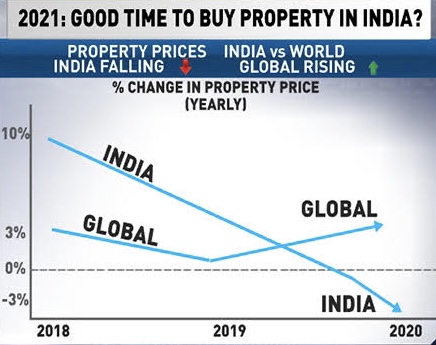






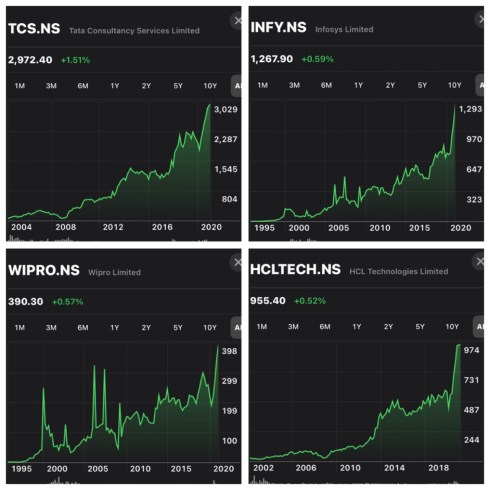

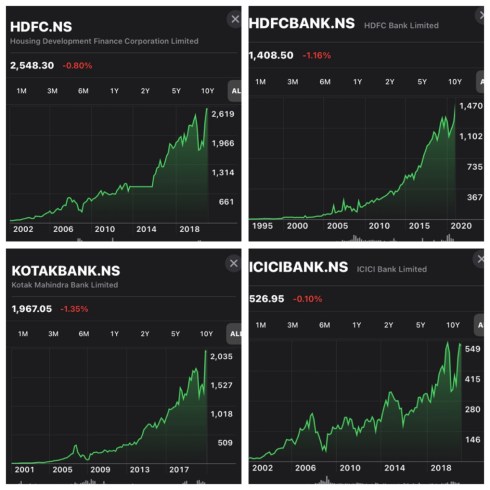
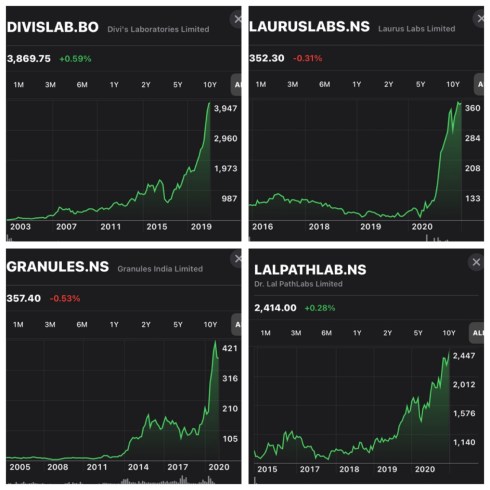
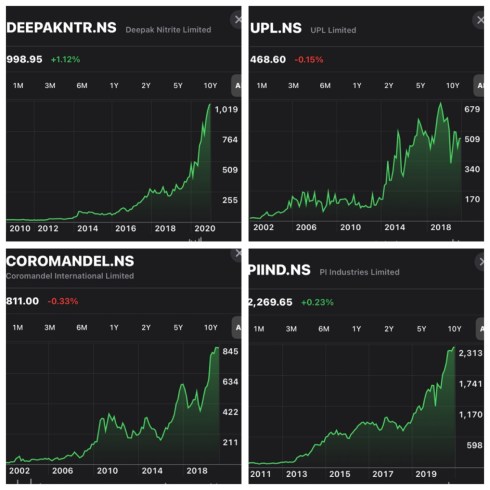
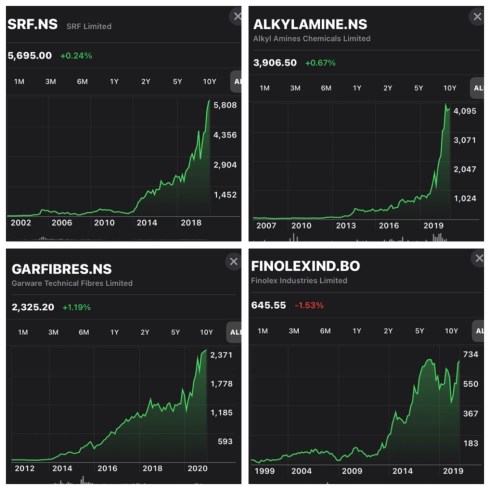

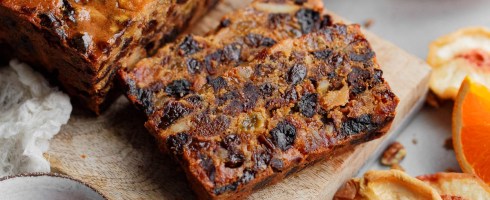
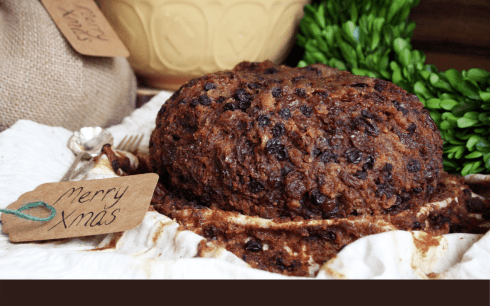
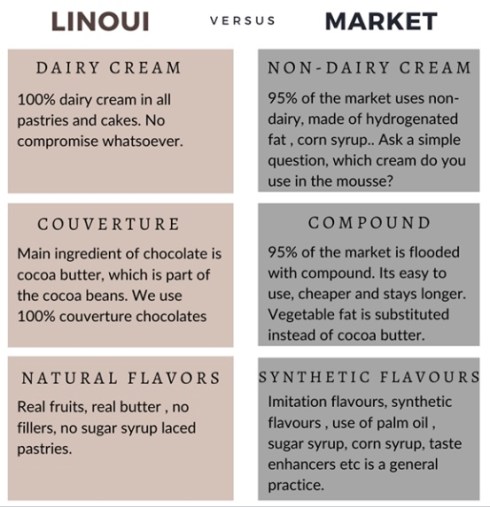
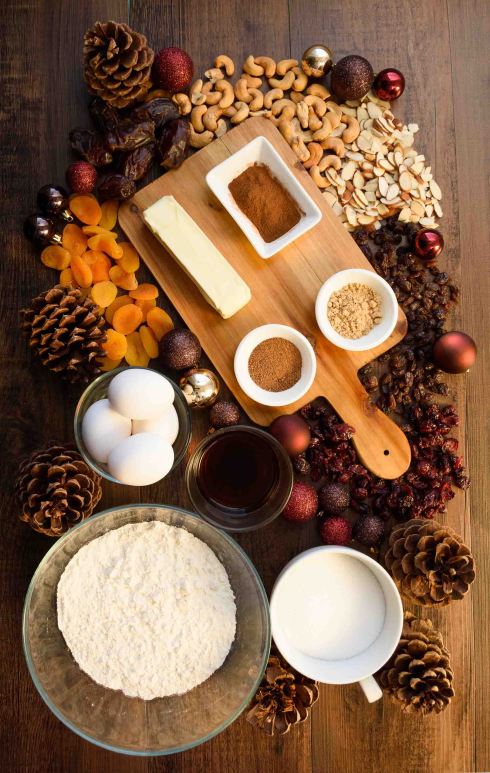

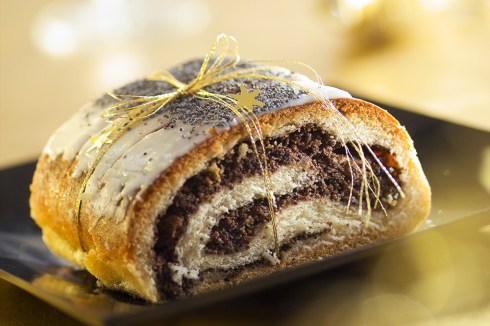
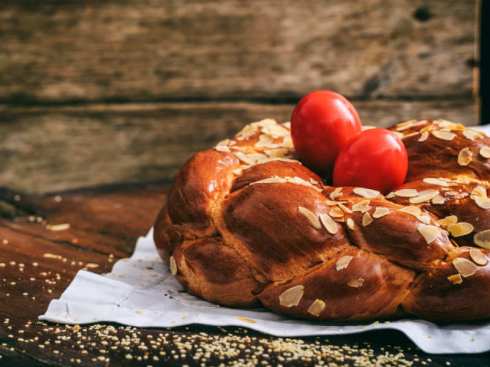


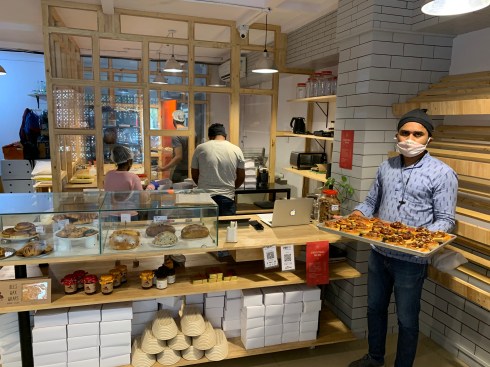
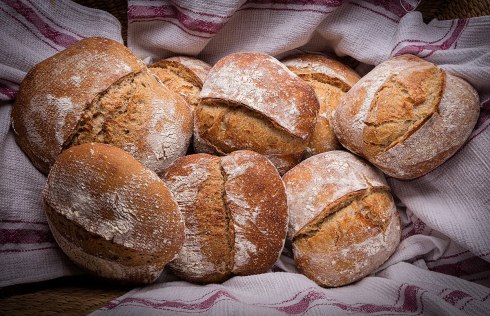
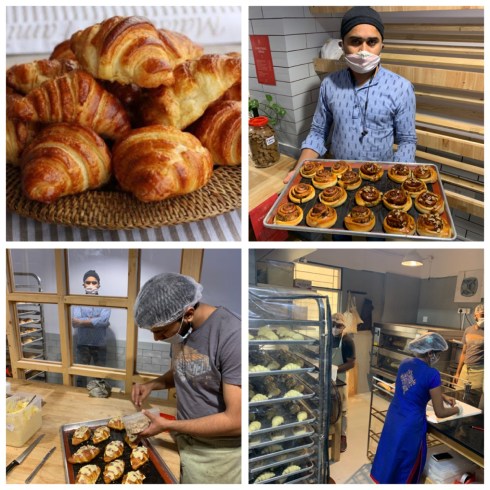
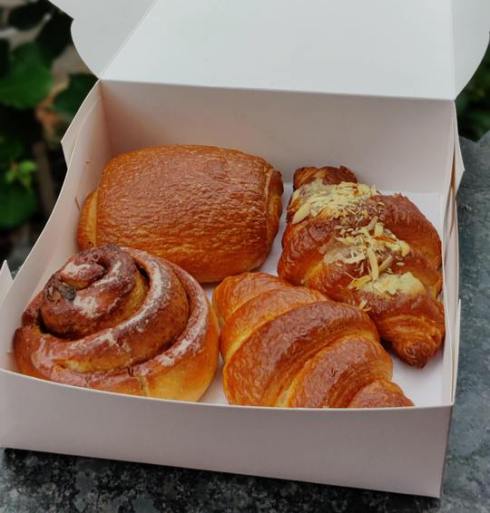
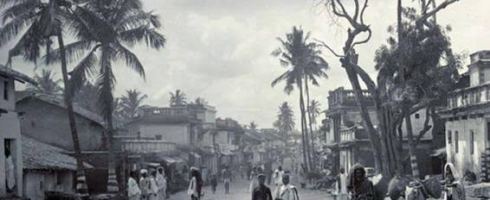


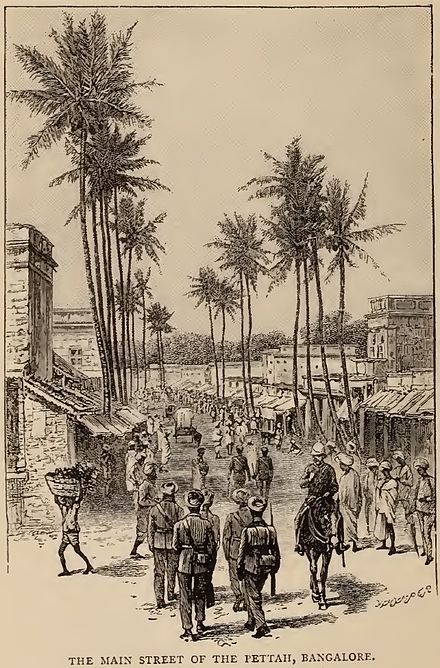


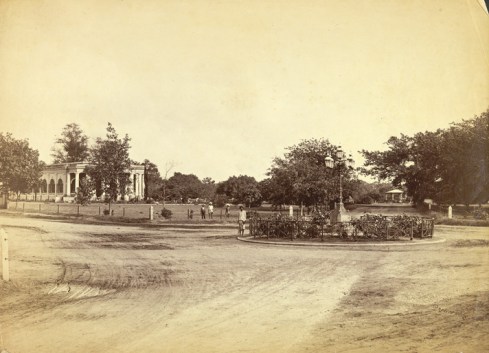
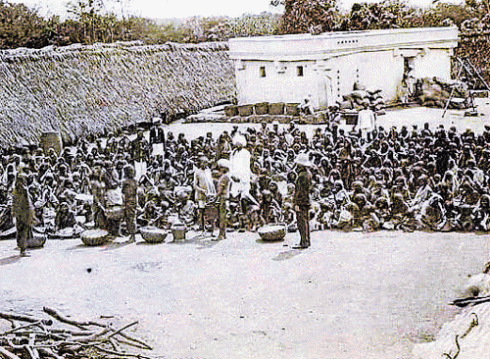


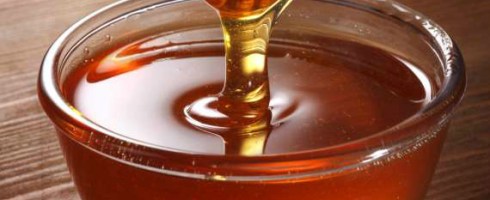


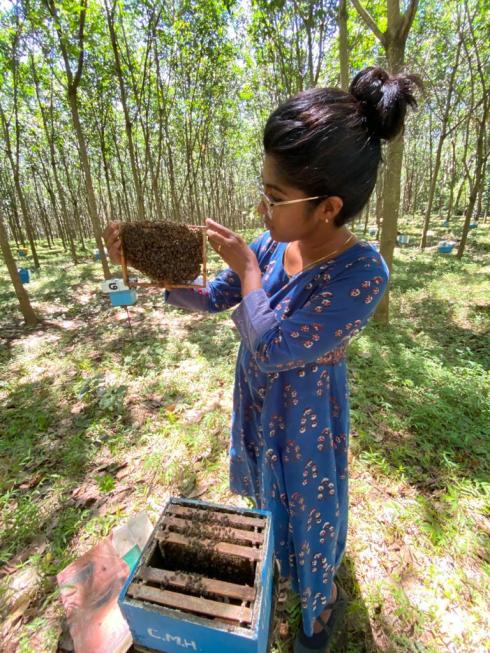

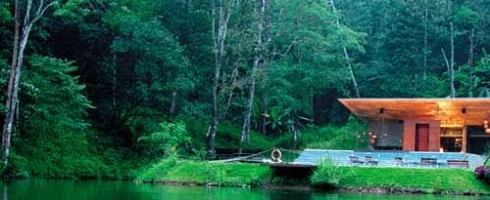
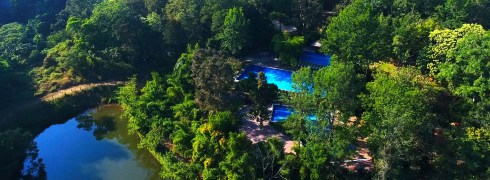
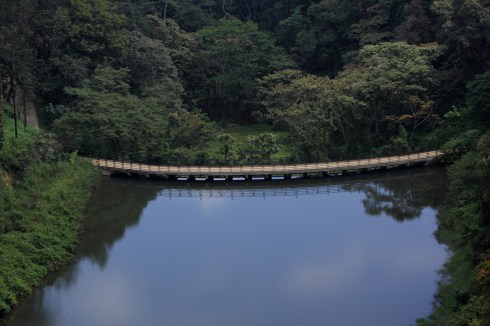
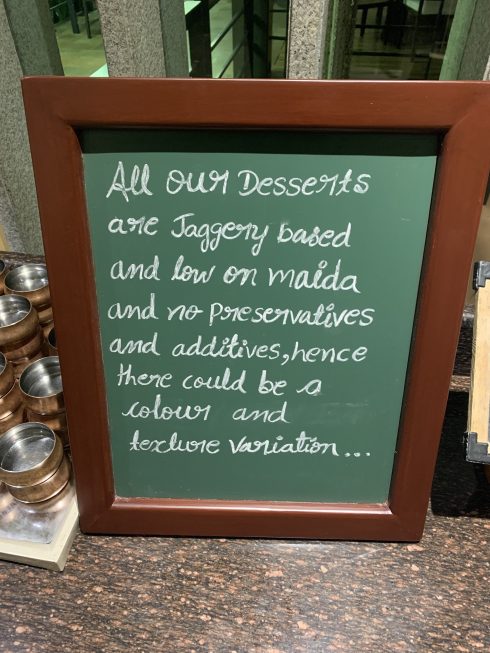
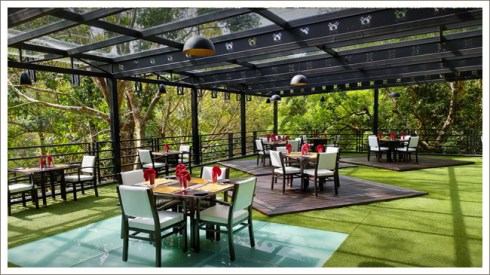
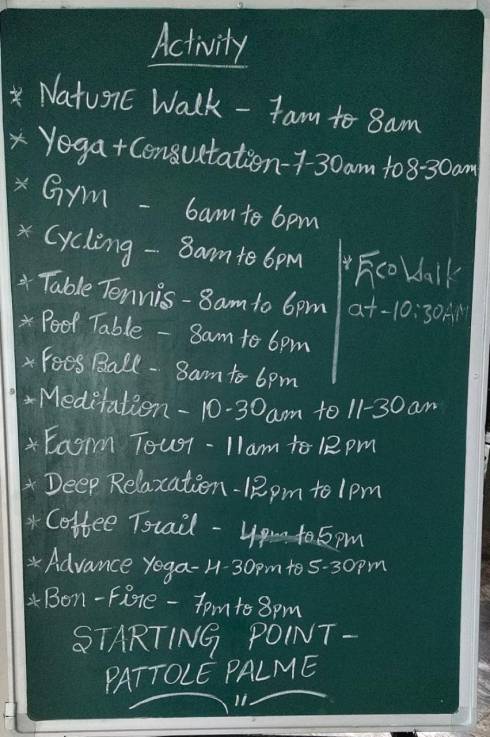
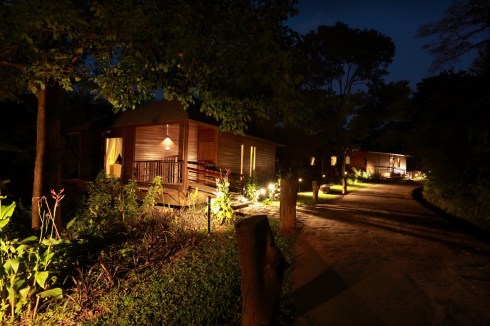
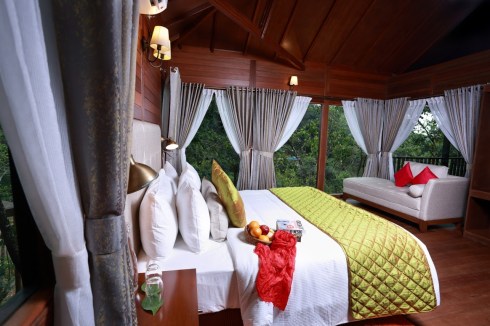
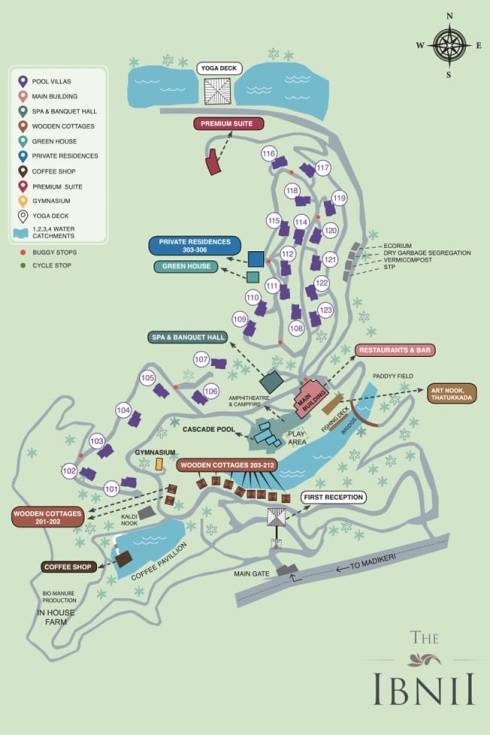
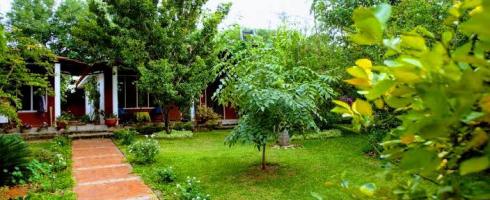
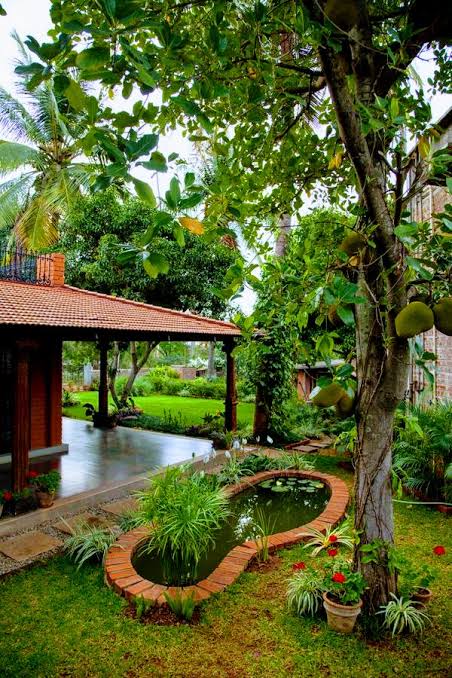
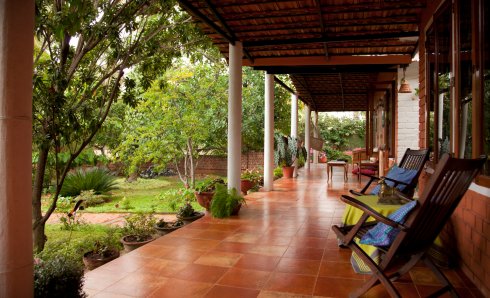
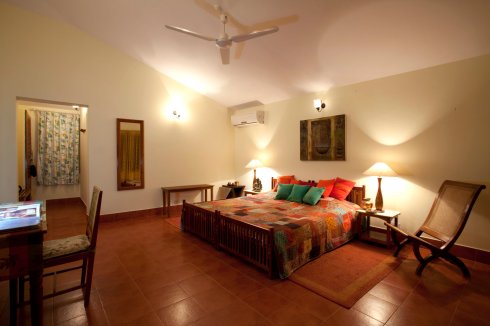
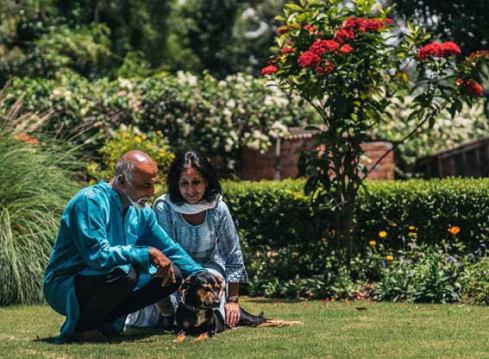
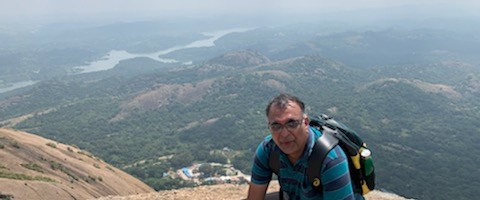
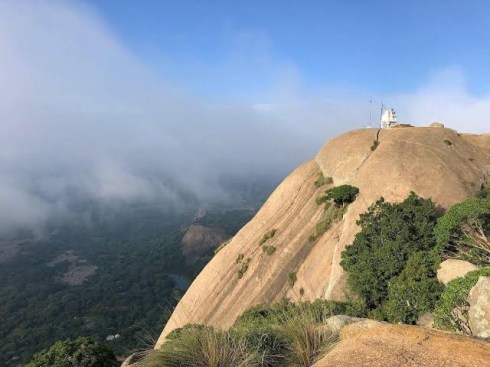
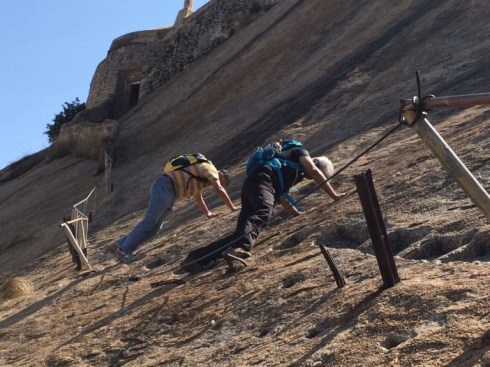
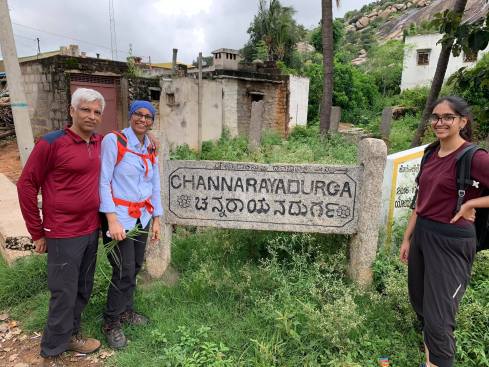
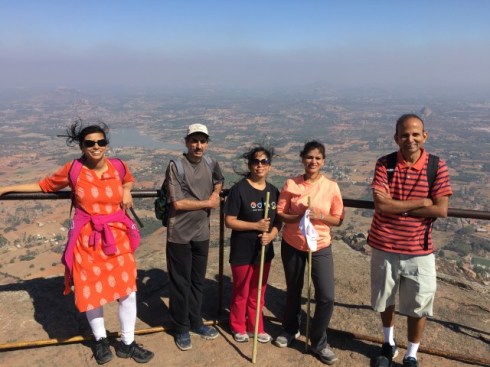
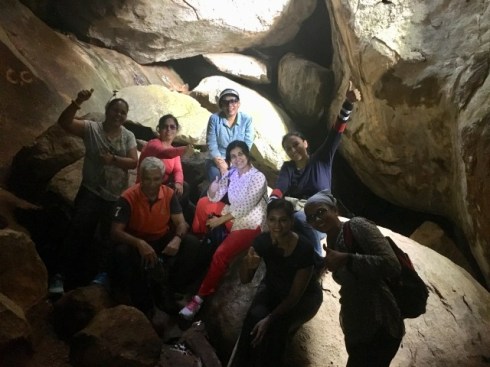
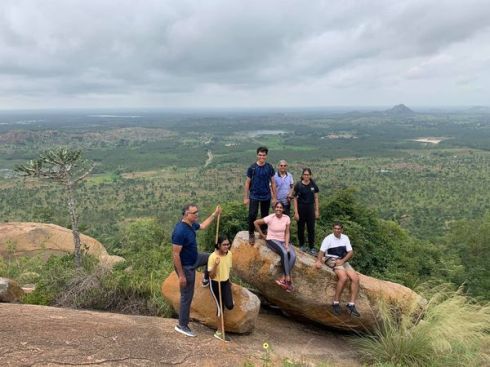
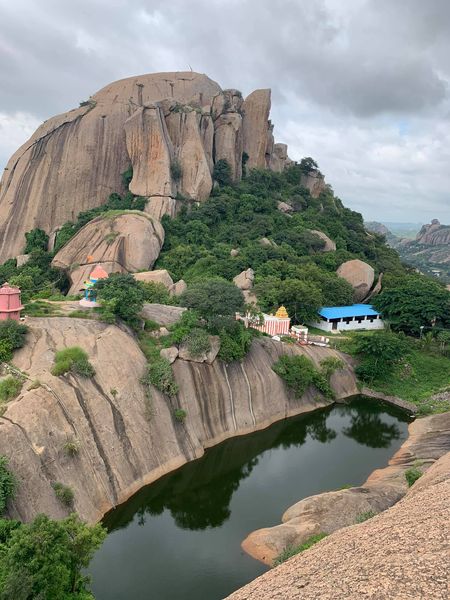
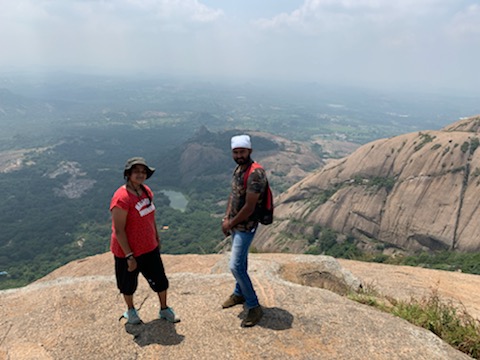
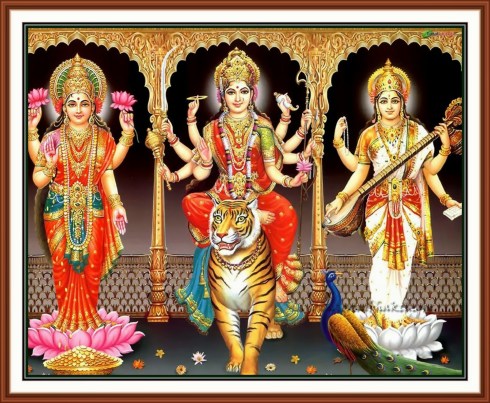
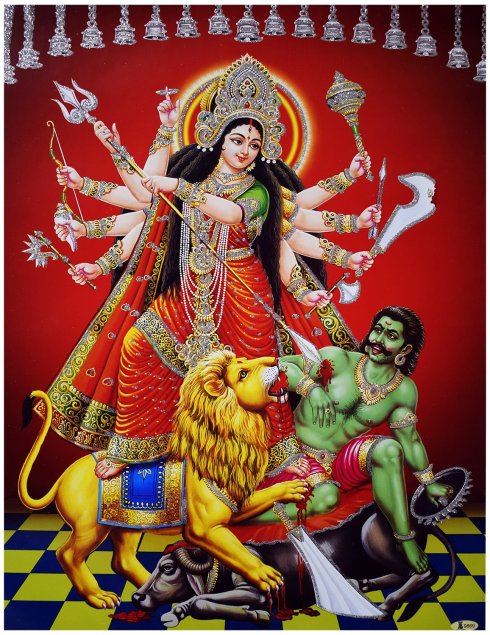
 A Few Good Things
Recent Comments