If you have frequently visited Ooty, Kodai, Chickamagalur & Coorg and are looking out for some offbeat new location for the upcoming long weekend – then checkout Meghamalai (Cloud Mountain). This has been on my bucket list for a few years and after visiting the sister property at Talayar (Near Munnar) we finally made it here last week. (Jan – 2019)
Where is Meghamalai Located
Its a beautiful location nestled in the Western Ghats between Kerala & TN. the Meghamalai wildlife sanctuary is a continuous forest stretch that merges with the Periyar Tiger Reserve. At altitudes between 4500 – 5500 feet it is one of the few untouched natural landscapes in S India.
How do we reach Meghamalai
We took a night train to Madurai, reaching at 7.30 AM . From here it is a 150 Km 3 1/2 hr drive to Meghamalai. The roads are excellent ( Except for the last 5 Km which can both be an adventure or a disaster). The 1st 100 Km are at sea level thru fertile plains studded with windmills. After Chinnamannur, the last 50 Km is an ascent – but the drive is smooth and fast even up the winding roads. The drive from Bangalore would be over 9 Hrs. The estate manager sends a 4 wheel drive jeep for the last 5 Kms stretch.
What is the name of the property in Meghamalai
There is only 1 Property here. The Briar Tea Estate company has 4500 acres of Tea Estate and in the midst of this picturesque valley are 3 Tea Bungalows – Cloud Mountain, Manalar & Sand River. These bungalows are from the 1940 – 50’s era. Cloud Mountain is a 3 Bedroom Bungalow and the others are 2 Bedroom Bungalows. The rooms are large and spacious and they come with a dining room , front room, a large sunny garden and excellent views.
Room rates start from Rs 5000/- night for a couple and includes breakfast. Lunch and Dinner are home cooked tasty meals and are charged at a very reasonable rate of Rs 200/- person. Each property has a designated caretaker. Over the last few trips I have been holidaying at Vintage Bungalows and I am really enjoying the space and ambience of these places compared to a hotel. There is 24 by 7 hot water, a TV , and Tea and sconces can be ordered any time. The challenge to some may be that there is only BSNL Network available and the Wi Fi spot is near Cloud Mountain.
How do you spend time here
This is a place to enjoy Soulitude and to relax and chill. I like such places. We did a small trek to a View point and they have a wildlife naturalist who can take you on 3 hr treks. We also drove down to a pristine clear waterfall. The Tea Estate is surrounded by forests and wild animals are sighted very frequently as they come down to drink water from the Dam Lakes. (There are 5 Dams in the area generating Hydro electricity). Elephants, Leopards, Bears, Wild Boar, Wild Dogs, Langurs and Bisons are prevalent in the area.
The water in the lake is fresh and pure rain water and the lakes are full from July – Feb. They dry up in summer and with the rains in May – June start filling up again.
This is a great place to go on long walks, read a book , enjoy home cooked food, sleep in the afternoon and gaze at the star studded sky at night. Kerala is only 20 Km away (As the crow flies) and from a View Point you can see the Makara Jyoti at Sabarimala.
They do prepare Non veg dishes but most of the food cooked is S Indian Rice / Roti / Sambar / Rasam / Curry.. ). If your kids are looking for Pizza and Pasta they may be disappointed. If you are in a group you can request for a camp fire / barbecue to be set up. The staff had an excellent attitude and were on their toes, service was wonderful.
Which is the best time to travel to Meghamalai
October – January is probably the best time. By Feb the water in the lakes would have started drying up. Without the lakes full of water you are losing 50% of the charm. This is the time when they are busy. They are also very busy in May because of the school holidays. In January the weather was pleasant – all you needed was a fleece and a wooden cap in the morning.
A LOT has changed in the last 50 years. Technology has improved our lives as we have got access to more resources and wealth. Today we have more options – there is abundant choice in a Global village. Conveniences, luxury and information is at our fingertips.
But the question I ask is how have we evolved as Humans?
Are we sensitive to Mother Earth or will we go down in history as the generation that plundered her resources. Are we more greedy, selfish and egoistic when compared to our parents? Are we better Humans?
These are some of the questions I look to answer when I reflect on life over the last 50 years.
Let’s start with how the material world has changed. For starters in 1969 Gold was only Rs 158.50 / 10 Grams and Rs 7.5 could get you 1 USD. Not that it helped very much because only the elite earned a monthly salary of Rs 1000 or more. 1 Paisa, 5 Paisa and 4 Annas were frequently used denominations and could actually get you stuff. A teenagers pocket money was probably 25 Paisa. School fees in a Tier 1 Convent school was Rs 10/ month and a loaf of bread was less than 50 Paisa. You could build a house for less than 1 Lac. Yes things were a lot cheaper and Inflation over the years has had its affect.
A big change has been how we communicate. Today, getting a letter in the mail is charming, if somewhat antiquated. However, just 50 years ago, it was one of the most effective ways of communicating with people who didn’t live close by—especially if you wanted to avoid those sky-high long distance charges. We then moved to email (Remember the 1998 movie You’ve Got Mail starring Meg Ryan & Tom Hanks), and now we open our mailbox to find thousands of mails waiting to be read every day – 90% of which are spam. People find it easier to send you Best Wishes and greetings over group What’s App and very few send you a 1:1 or call.
Back then children enjoyed themselves, climbing trees, stealing mangoes, building sand castles, getting dirty, playing barefoot. It was Ok to get hurt – You rarely rushed to a doctor unless it was an emergency. You twisted your ankle you used Iodex and limped for a month till you healed, one out of 30 kids in class had braces. The neighbourhood doc just a MBBS felt your pulse, peered into your eyes and throat, patted your stomach, used a stethoscope and gave you medicines from his shelf that cured you in a few days.
Today things are different. Kids are happy with their iPads and Video Games. You rush to the doctor when your child sneezes and the friendly orthopaedic next door diagnoses all bone hurts as an ” hairline fracture” and promptly gets you into a sling. 90% of the kids aged between 12 – 14 have braces. Doctors rarely check your pulse and the mildest of colds needs multiple tests to diagnose.
Our cities are flooded with hospitals and a lot of people above 50 need a bye-pass, knee replacement, dialysis or chemotherapy. We are not a healthy lot.
In the 60’s and 70’s if you wanted to find out what was happening in the world, you’d have to wait for the morning paper to Or the 9 PM News on All India Radio. Now all we have to do is go to our preferred news site—or even Twitter—and we can find out what’s going on in real time, 24 hours a day. The world of TV did not exist and the Radio was your only wireless connection to the external world. I guess our imagination was better because when the commentator narrated how Gavaskar blocked Michael Holding you had to visualise the swinging delivery and Gavaskar’s straight bat.
Flying was a rare luxurious experience, with comfortable seats, decent food, and ample room to spread out—even in coach. Today, unless you’re flying first class, your seat is tiny, the plane is cramped, and you’re lucky if you can even get a glass of water. Train travel was fun. I remember my Dad used to make friends with everyone in the coach during our Durgapur – Chennai annual trip and invariably he would trace some long lost relative. Today we don’t acknowledge the guy seated next to us on a Bangalore – Delhi flight.
You hailed a cab down and many a time had to wait for long till a free one passed by. Today you do it with your App.The world of Fashion has changed. A Formal suit with a tie and a well groomed look is no longer fashionable. The Punk look is in.
You met people with no prior intimation and holidays were mostly to relatives or grandparents. Watching a movie was the only entertainment and the Festivals were the only time you got new dresses. The neighbourhood Club was your Go To Place. You probably ate 1 Chocolate and 1 Ice Cream a year. Hand me down clothes to younger siblings were common. Nothing was wasted. You drank water from the tap and rarely fell sick eating street food. Eating out was a rare privilege. There was no credit card or PayTm – everything was cash.
Today Indian holidays are looked down upon and everyone is hunting for exotic experiential holidays. Your refrigerator is stocked with ice creams, chocolates, cheese and the kids prefer Pasta and Pizza to Roti Sabji and curd rice.
People then spent their entire careers in one organisation – unlike today where you start losing value if you stick on for long. Just like jobs, marriages lasted long – divorce was almost unheard of. Parents taught their children good values – Not to Steal, Not to Lie. Be a good Human Being. Leaders and politicians were role models and were admired for their integrity and truthfulness. A Hero was idolised and a Villain looked down upon.
Todays generation is brought up by telling them “Do what it takes to succeed”. Wicked Smart is OK – break the rules but don’t get caught. It’s OK to dribble so long as you don’t slip and fall. And many of our Corporate & Global leaders have succeeded with these values. The Villian is the new Hero.
It was OK to punish children and scold them if their grades were not up to the mark. Today you scream at the teacher or change the school if your children don’t do well
You communicated a lot. You had real friends, people met you or spoke to you on your birthday – they did not text you on a Whats App Group message or send you greetings over FB. When you threw a party you cooked food at home. When you were sick you still cooked or your friendly neighbour dropped by with food, there was no Swiggy. It was hard work but it was fun.
There was no Washing Machine / Laundry / Cook…. everything was done at home. You were lucky to have a maid who could mop the floors and do the dishes for a princely sum of Rs 10/- Month. Things definitely have got a lot better for the housewife and women at large. Load shedding was common and you sat in the garden with your family hunting for Sputnik in the skies. Dad came back from work by 5 PM and spent time at home – there were no con-calls till late night and business travel was almost non existent. The family was a close knit unit that communicated and engaged more.
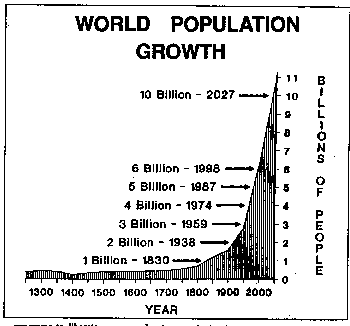
There were lesser people. The world population in 1969 was 3.6B and India had a population of 500M. Thats almost lesser than half of what it is today. And in the last 50 years this booming population has wrecked the world. Our rivers, lakes and seas are polluted, the glaciers are melting, the world is getting warmer, Forests are shrinking, garbage is piling up, flora and fauna are getting extinct at an accelerated pace. Our cities are collapsing.
Humans have been around for 2 mn years but between 1970 and 2014 in just 44 years Earth lost nearly 60% of its mammals, birds, fishes, reptiles and amphibians – almost all die to human activity. This rate is comparable to the mass extinction. (Published in WWF report of 2018) *
Sad but true – Our generation over the last 50 years has caused more damage to Mother Earth than anyone else.
But there are positives too
Cigarette smoking population has decreased. In the US just 15.5 percent of the population smokes cigarettes and that number continues to decline with every passing year. In the 60s, 42 percent of the population smoked regularly—and worse yet, many places, including restaurants and airplanes, allowed them to do so indoors.
Communication is instantaneous so news of Birth, Death, Stock Market crash, Natural calamities … reaches you in seconds.
Medical facilities have improved even if Hospitals & Big Pharma take you for a ride. Average life expectancy has almost doubled across the globe and diseases like Small Pox have been eradicated.
Today you have options to choose from. Cars, Phones , TV’s, Soaps, Holidays, schools, colleges – there is abundant choice in a Global village.
There is more choice but lesser peace. There is more greed and lesser contentment. There is more aggression and less subtlety. There is more ME and less US.
Yes the world has a lot more conveniences at your finger tips – but what about the people.
As I reflect, I wonder if our fathers and earlier generation were people with better values. More grounded, more humble, more hands On. More adjustable, more compassionate, more HUMAN.
Was that because life was a struggle for them? Did we get things too easily and our children are getting it easier. I sometimes wonder where we are headed as this trend accelerates.
By now you would have received many Happy New Year greetings. You have been getting them every year for many years. But Happiness still eludes most of the 7.2 B people on earth.
Here are 5 simple actions that you can perform everyday to inch forward on the road to Happiness.
Be Happy for what you have – Tell yourself every night before you sleep THANK YOU. Count your blessings. Being Contended is the 1st step towards being Happy.
2. Implement Six Sigma. You don’t know how to get to Happiness so start eliminating everything that makes you UNHAPPY. Health problems like acidity, lack of sleep, painful joints, obesity etc can be fixed thru regular exercise and a healthy lifestyle. Positive energy can come from the company of Good People – Satsang. Surround yourself with Good Thoughts.
3. Minimise your EGO & DESIRE. These are the deadly twins that cause the most unhappiness. Both were created by YOU and only you can Fix it.
4. Minimising your Ego & Desire is easier said than done. But practising these 3 things regularly can help you over a period of time and lead to you to happiness & Contentment
Dont tell LIES – . We tell our children not to LIE but most humans are compulsive liars. This action makes your conscience sparkling clean.
Live a life of moderation – Dont deny yourself but avoid Excess
Be Compassionate. Help people. If you cannot help – at least dont block good things from happening to people with your actions.
5. Meditation can help you in your journey. If you are at peace with yourself you can sit quietly. Loneliness is the poverty of the Self, Solitude is the richness of the Self. Start with 10 minutes a day just focusing on your breath and slowly increase it to 30 minutes. You will see miracles in 30 days. A STILL body creates a STILL Mind
Now that you have 5 Simple Steps to HAPPINESS get started in 2019 and have a Wonderful Year ahead and remember success comes with Patience & Perseverance.
Indian students have always looked to US Universities for higher studies. In the past it was mainly for MS/Phd. But trends are changing. Of the ~ 186,000 India students studying in the US 12% are in Undergrad programs – thats about 22,000. Which implies that nearly 5000 students after their 12th head to US for college.
This BLOG provides simple TIPS for a student exploring a passage to US for his/her Undergrad studies. This is based on the experience of my daughter, who has submitted her applications for Fall 2019.
Who applies for an undergrad program outside India (Mainly US, Canada, UK)
A large majority of students applying for Undergrad studies abroad would be from one of the 3 categories
Students from International school – IB Curriculum
Students who are US/UK Citizens
Rich families with kids who may not want to go thru the competitive grind of India
Five years back US was the preferred destination for ~ 80% of the students going abroad. But this is fast changing. Canada and UK have become attractive destinations. 2018 – 19 US applications saw a dip of 39% from Indian students. This is probably driven by the strong USD and current economic fear that Visa & employability for an Indian citizen may be a challenge in the US after college.
Why are an increasing number of people applying for Undergrad studies abroad?
IISC was ranked 91 and IIT Bombay 179 in the QS World University Rankings for 2018. Cracking these for an Indian student is a dream. However bright students from good schools in India have a high probability of making it to the top 50 Universities in the world (Either by University or Course ranking) abroad. Quality of education in US University is definitely superior to that in India. Also studying in countries like Canada helps you get a Permanent Residency
Does it make sense to shift to an IB school after 10th if your are looking at an US Undergrad Program?
The IB Curriculum is offered in most international schools. These are expensive and cost 10 – 15 Lacs / years. The IB Curriculum is supposed to be more aligned with the international system and rated better than the CBSE / ICSE board. Friends who shifted their children also claim that the program helps with a better all round development. However the brightest of students tend to stay on with the CBSE/ICSE board and still do extremely well with the US admission process.
International schools have dedicated Counsellors and since almost 90% of the students apply to International Colleges their preparedness and level of handholding is better.
Which are the streams to which Indians normally apply?
Earlier it was Computer Science but an increasing number of students are applying for programs in Physics, Bio Chemistry, Bio Medical sciences, Economics, Psychology, Business and even Arts. Students interested in pure Science program prefer US as options in India are limited to IISC, IITs and IISER. Most BSc Programs in India are 3 year programs which becomes a limiting factor to apply for an MS later.
Majority of students applying to US opt for courses that are part of the STEM program (Science, Technology, Engineering, and Mathematics) International students pursuing STEM degrees will have more time to pursue an H-1B work visa
Can we apply for a Medical program in US?
Admission to Med school in US is after undergrad. So you do Pre-med for 4 years and then apply to Med School. its a longer and more expensive process. Even US Citizens in India complete their MBBS here and then take the qualifying exams in the US to become a Resident doctor. The MBBS program in India is amongst the best in the world for diversity and volume of cases. UK is a better option for those interested in doing Medicine from abroad.
How expensive is the Undergrad program?
Depending on the college you choose costs in US can vary from $40,000 – $80,000 a year. Add to this 10K $ for flight & miscellaneous expenses. Remember the USD appreciates normally by 3 – 4% every year and fees in the US colleges also go up by 3 – 4% annually. Canada & UK can be 30 – 40% cheaper. Also the program in UK is a 3 year program. Chances of getting a scholarship is rare.
State Universities with larger student population tend to be cheaper – many State Universities are ranked highly (UT Austin, University of Washington Seattle, Ohio State University etc). Ivy League & Private colleges are more expensive. The total student population in UT Austin would be about 40,000 students while most Private schools would have 10 – 15 K students in campus.
When do you start your preparation and do you need a consultant?
You need to start preparation well in advance. Eg: for a 2019 Aug admission, your journey could start as early as 2017 April. Thats more than 2 years. Yes an advisor helps – but don’t go for an overpriced consultant. The student needs to own & drive the application process with timely inputs from a counsellor. The guardian is a project manager. The best help comes from students / parents who completed the process a year before.
There are agencies that charge 2 – 3 Lacs to help you with your admission process. In our view this is waste of money. We used the services of Spark Career Mentors. They not only provide you with guidance but also help the young adult develop the right skills and experience. Its more like teaching you to fish.
Key timelines for the process – Lets assume a 2019 Aug admission cycle
2017 : April May June – Prepare for SAT / ACT. Work on some initiatives that you can write about in your College Essays
2017 : July – Dec, Complete 1st round of SAT / ACT – If you score well you dont need a second round. If you feel you need a better score apply again in Y1
2018 : Apr – May – June, Complete 2nd round of SAT / ACT. Prepare a detailed shortlist of colleges that you want to apply to.
2018 : July – Aug – Sep, Complete your subject SAT’s & TOEFL
2018 : Oct 1 the Application process starts, Early Actions tend to close by Oct 30th, UC Applications by Nov 30th. Target to complete all your applications by Oct 30th
2018 : If you are a US Citizen complete FAFSA/ CSS Profile by Nov 30th
2018 : By Mid Dec a few college start sharing the admissions , most will share by Feb / March in Year 2
2019: May is when you commit to a college and pay the 1st instalment of fees.
2019 May is also when you start taking some AP’s that will help you get some credits in your 1st semester at college
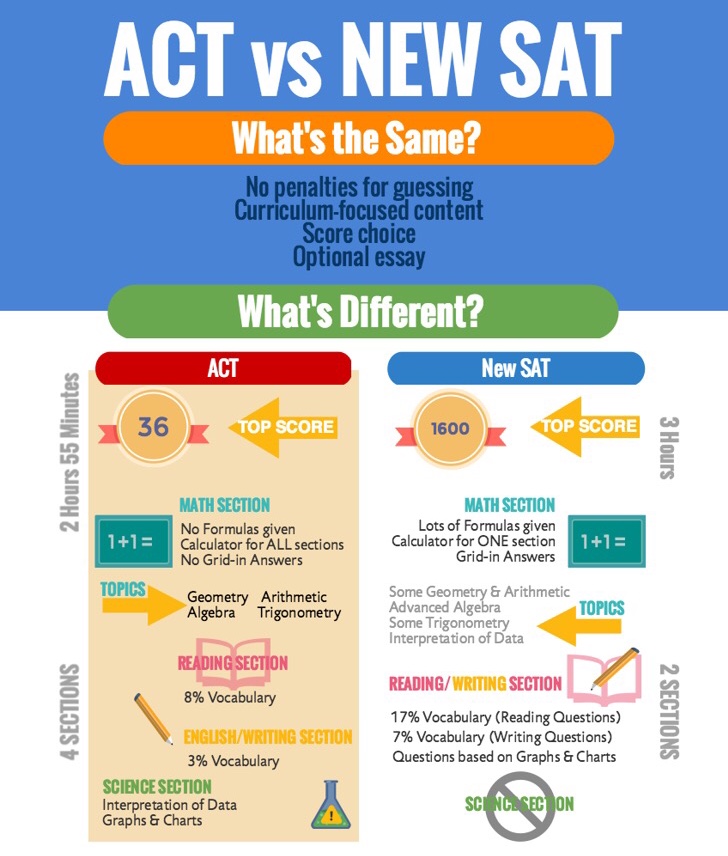
SAT Vs ACT – Why do we need both?
If you are looking only at US you are ok with ACT. But if you are applying to Canada and UK some of them ask for SAT scores. If you are applying to Indian colleges like Ashoka you need SAT scores. And if you are a US Citizen applying to BITS you need SAT and Subject SAT scores. Choose the test that caters to your strengths – some students do well with ACT, others with SAT.
SAT, ACT, Subject SAT entrance tests have a fixed calendar and there are limited seats in each centre – please apply early to ensure that you are not wait listed. It is mandatory to carry your passport for these tests.
What is a good score for SAT / ACT?
Indian’s are super competitive – the benchmark that most students set for themselves is 1500 / 1600 for SAT and 34 / 36 for ACT – this puts you well above the 90th percentile mark. On Subject SAT many students crack 800/800. While most colleges claim that your SAT/ACT score has only a 25% weightage we have observed over the years that a good score is a must for admission to good colleges
Is Subject SAT a requirement from all colleges?
No its not. But many of the Top ranked College ask for it. Even when colleges don’t ask for it you could send your scores if you have performed well.
Other than SAT/ACT/TOEFL what else is needed to complete your US application?
Your grades form Class 9,10 & 11. The 12th midterm results and predictive scores for 12th.
Multiple Essays 300 – 500 words. This is an area where the students struggle and spend a lot of time. Most essays are focused on trying to determine two things
About who you really are
Why do you want to do the course that you have selected
The essay is a crucial part and some colleges like Stanford have 12 Essay Prompts while most have 1 – 2. This is in addition to a set of essays that you submit in Common App & Coalition App. If you are applying to 10 Colleges get ready to draft 15 – 20 essays.
It will help you if you check out the essay prompts of previous years and practise during the summer vacations. Getting the 1st one right takes time – after that its get easier. Most students struggle with structure and saying what they want to say crisply. Please ensure that the essays are written by you and not by your parents / counsellors
You also need to have a nice profile that highlights all your accomplishments and hobbies over the years. Positions of leadership, Creativity, Teamwork & Collaborative engagements should be highlighted. Keep this ready well before submission days. All these documents will go through multiple iterations so ensure that you get the 1st draft ready early.
You will also need recommendation letters from teachers / Others who have interacted with you.
How Important are Extra Curricular’s in your application
It helps if you have a passion that you have built and followed over the years. But doing something in a few months just to present it in the Application may not be a wise move. Remember the guys analysing your applications are smart and scan thousands of people every year – so don’t try to pull wool over their eyes.
Inform your school well in advance
School Counsellors and Principals are busy people and this is additional work. When the application process starts there is a sudden rush. Keep your school and teachers informed well in advance – share with them the colleges you are applying to, deadlines and work with them to complete things on time. We did this, and our experience with NPS Koramangla was very smooth.
How do you shortlist your colleges?
This is an important activity that takes time. About 2 hrs / college. Budget 30 – 45 days to complete this task. We tracked a few important parameters in an Excel sheet.
Shortlist your college based on its Global / US ranking and also your Subject curriculum ranking. For Eg, UC San Diego maybe ranked 42nd in the US but the Bio Chemistry department is ranked 6th. We used two sites to do this ranking: US News & Top University
Additional information can be available from the college website – so make a spreadsheet and track the following data points
College Ranking / Subject ranking
Type of University – Public / Private
Website
Name of the course ( Also browse thru the content of the Course in detail)
SAT / ACT Cut off for last year admissions
Total Cost (Tuitions+ Lodging)
Acceptance rate
Early Action / Early Decision deadline dates
International Acceptance rate
Degree (BS/BA Etc)
Quarterly Vs Semester (Quarterly means more exams)
Median Salary on graduation
Additional Comments on Aid, Research Focus Vs Job, Internships, Undergrad – Phd etc are important points to consider
Making your shortlist
You need to define your criteria for making the shortlist. Basis that shortlist 10 – 12 Colleges and start looking for people who may have studied here or are studying currently to get deeper insights. From these you should target to apply to 7 – 10 colleges.
Dream Colleges – The 2 – 3 Colleges that you think may be challenging but you would like to explore
Good Chance – the few colleges which meet all your criteria and may just be achievable
Safe Bet – A few colleges which you know based on past precedents are an almost 100% admission zone
Once you have made the final shortlist check out the additional information and the number of supplementary essays that that need to be written.
The application process
There are 3 Portals thru which you can access almost all the colleges in the US.
Common Application
Coalition Application
UC – Colleges in California
Some colleges you can make the application directly
80% of the information that needs to be accessed by the colleges are uploaded on these portals. This includes your marks, profile, recommendations, SAT/ACT scores etc. The only additional information could be supplementary essays.
There are some colleges that are listed on both Common App and Coalition App, in such a case you can choose to apply thru any of the portals.
What is Early Action (EA) & Early Decision (ED)
Early Action as the name signifies means you apply early and get to know if you are selected early. Not all colleges have EA. This is listed on their websites and you need to track this on your master XL. If your selected colleges have an EA option ensure that you submit. Thru this option you may get to know of your admission between Dec 15th and Jan 30th. Thats a big relief to students.
Early Decision is tricky. If you get selected then that decision is binding – that’s your final college. So ED only if you are 100% sure that this is the college you want to go to.
Is the online system 100% efficient?
Remember your application is getting triangulated from 3 systems – the Common App / Coalition App / UC portal, the College Board where the SAT Scores are housed and the University internal system. At times the college you have applied to may report that they have not received your SAT scores or your Mark sheets thru the Portal – lookout for these emails / dashboards on the college portal and act accordingly. You may have to Fedex information that they are unable to access thru the system.
Once your application process is completed almost all the colleges will set you up with a personalised dashboard to track the status of your application.
Whats the process of getting Aid / Scholarship?
Financial aid in the US goes through 2 channels – the Federal government and colleges themselves. Getting aid through the federal government requires you to fill in The Free Application for Federal Student Aid (FAFSA), an option only available for American citizens (the student needs to be a US Citizen and both parents need to have their US SSN). In addition to this some colleges may require you to fill the CSS profile.
Financial aid itself is furthered divided into need-based and need-blind. Need-blind admission means that the college will not take your financial status into consideration while deciding whether or not you will get in, whereas need-based schools take your financial situation into account. Need – blind is generally not an option for international students.
In addition to aid, students can apply for scholarships to their respective colleges as well. For international students getting scholarships is rare.
How expensive is it to apply for each college.
Each college application costs you about $75 – 80. In addition there is a nominal charge to link your SAT / ACT / TOEFL scores to each college.
A Note on Canada & UK
The application process for Canada & UK is a lot simpler.
For Canada again you shortlist your colleges – the top 4 to which most Indians apply are UBC, U Toronto, Waterloo and McGill. These are highly rated universities. Most Canadian colleges need your SAT Score and school grades. There are usually no essays and recommendations (UBC is an exception). Many Canadian colleges offer you paid internship helping you to get job ready. Canada has a lot of positives – Affordable fees, Good Colleges, Co-op programs (work while you study), Residency permit etc – this has started attracting a lot of applications from India. The only challenge is the extreme cold and an economy that is not very hot for jobs.
UK process is simpler. You don’t need SAT/ACT scores – you may need IELTS ( Like TOEFL to test proficiency in English). In addition to your grades and predictive you need to submit your statement of purpose & letters of recommendations.
Applications are made through a computerized national system known as Universities and Colleges Admission Service (UCAS). Students must complete a single UCAS form which allows them a choice of six universities and courses so that they don’t have to make costly and time consuming multiple applications. UCAS forms should be ideally submitted before 15th December of the preceding year.
For Oxford & Cambridge
Students must apply before 15th October of the year preceding their year of proposed entry. There are specific forms to be filled and sent to the universities. You cannot apply to both the colleges in the same academic year.
We owe our thanks to Neeraj & Swati from Spark Career Mentors for their guidance. ReWiser for their help in SAT/ACT preparations. Prithika Ramaiyer a Sr from school and a good friend who has joined U Michigan in Fall 2018 and Dayanand and Vishy for their valuable inputs. A big thank you to NPS Koramangla and Principal JyotsnaNair for being so efficient and professional in helping us during the admission process.
Electricity is only 136 years old. Electricity generation at central power stations started in 1882, when a steam engine driving a dynamo produced DC Current that powered public lighting on Pearl Street, New York. The new technology was quickly adopted by many cities around the world.
Calcutta beat New York. The first demonstration of electric light in Calcutta was conducted on July 24, 1879 and in 1881, 36 electric lights lit up a Cotton Mill of Mackinnon & Mackenzie. On 17th April 1899, the first thermal power plant of The Calcutta Electric Supply Corporation Limited was commissioned, heralding the beginning of thermal power generation in India. The Calcutta Tramways Company switched to electricity from horse-drawn carriages in 1902.
Bangalore made history in 1905 when it became the 1st city in Asia to have streetlights. There is an interesting story behind why Bangalore was chosen ahead of Mumbai, Chennai and Delhi.
After defeating Tipu Sultan in 1791 the British had full control of the Mysore region that included Bangalore & Kolar. By 1880 the British realised that Kolar held a lot more gold veins than was previously estimated. The Golden Carpets, 4 miles (6 km) long with an average width of 4 miles, were first worked by a British company, John Taylor and Sons, in 1880. Within three years, four main veins (Champion, Oorgaum, Nundydorog, and Mysore) were opened. Champion, the deepest, reached some 10,500 feet (3,200 meters) below sea level.
Kolar Gold Fields in late 1800’s
Kolar in the late 1800’s was a booming gold town. Till 1902 all the machinery in the mines was worked by steam power. However, it was clear that to run sophisticated machinery and mine more gold, they would need electricity. This led to the setting up of the Hydel Power station at Shivanasamudra falls.
The first major Hydro-Electric Generating Station for commercial operations was thus commissioned in 1889 at Shivasamudram, near Mysore. The longest transmission line, at the highest voltage in the world, was constructed exclusively to meet the power needs of mining operations at Kolar Gold Fields. The work at Shivasamudram was completed in the middle of 1902. On the the 30th of June 1902, 4000 H.P. of Electric Energy was transmitted to Kolar Gold Fields for the first time.
The good news was that this Hydel Power plant was generating 300 – 400 HP of excess power. This caught the attention of William McHutchin, a Briton trained in the Madras Civil Engineering College and the then chief engineer of Bengaluru. He wrote a letter to the Maharaja of Mysore requesting for the excess power to be diverted to electrifying Bangalore.
Things in those days moved fast. The King gave his approval for the electrification of Bengaluru in May 1904. The project was estimated to cost Rs 7.46 lakh. Electrical lines running 57 kms had to be drawn from Kankanhalli (now Kanakapura). They were laid in just nine months.
It was a moment of joy and celebrations when on a Saturday evening of August 5th, 1905 over 100 streetlights lit up Siddikatte, now KR Market, Within a year, there were 861 streetlights and 1,639 domestic connections.
Street Lights Illumination Bangalore in 1905
A 16 candle bulb (today’s equivalent to 40 watt) cost residents Re 1 every month. The fare was considered steep and could be afforded only by affluent city residents. _____________________________________
Bangalore Facts is a series of interesting articles about the history of Bangalore from A Few Good Things. This is the first article of this series. Please subscribe to A Few Good Things for regular updates.
Rice is the staple diet across large parts of South & East India. Traditionally, one has been educated that if you need to lose weight you need to shift from Rice to Rotis.
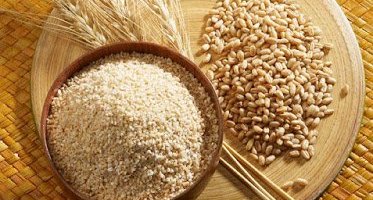
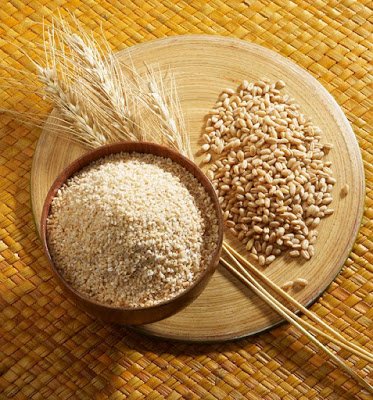
A typical South Indian housewife may struggle to make rotis every meal, but now there is a simple solution – Dalia. (Bulgur or Broken Wheat in English) Commonly known as Dalia in Hindi & Samba Rice in Tamil, Dalia is not just good for weight loss but also a great source of proteins, vitamin B1, vitamin B2 and fibre. And its easy to cook – just replace it with Rice.
Not just for breakfast : Dalia Upma is a popular and healthy breakfast option – not just for Upma but for Idli & Dosas also. You can substitute Daliya instead of Rice in all preparations. Cook it in the cooker with 2 glasses of water for 3 steams and eat it with Sambar & Rasam or use it for making Khichdi, Pulao or even Biriyani. You can even make your Kheer using Daliya.
Nutrient Content: Dalia is rich in proteins, minerals and vitamins. It provides high concentrate of Vitamin B complex, especially Riboflavin, Thiamine and Niacin. It is rich In Protein. Protein takes long to digest, suppresses hunger pangs, boosts metabolism and activates weight regulating hormones. A higher protein intake actually increases levels of the satiety (appetite-reducing hormones), while reducing your levels of the hunger hormone ghrelin.
When compared with white Rice, Dalia scores higher on the following nutritional aspects – 2X Protein, 3X Fibre, 6X Level of Potassium and lesser than half the Sodium that White Rice has.
Diabetes Control : Dalia helps in combating diabetes by controlling the blood sugar levels. People suffering from diabetes demand nutritional and healthy food dosages in small amount and regular intervals.
The Glycemic index (GI) is a measure of how quickly a food can make your blood sugar (glucose) rise. Only foods that contain carbohydrates have a GI index. Foods such as oils, fats, and meats do not have a GI index.
In general, low GI foods increase glucose slowly in your body. Foods with a high GI increase blood glucose quickly. If you have diabetes high GI foods can make it harder to control diabetes.
Daliya has very low glycemic index which make it perfect for people suffering from Diabetes.
Carbs with low GI value (55 or less) are digested, absorbed and metabolised slowly and cause a gradual rise in blood glucose. Daliya being low in GI does not get absorbed quickly and enables slow release of sugar that aid weight loss too.
Low GI foods (0 to 55)
Bulgar(Dalia), Barley
Pasta, Parboiled (converted) rice
Quinoa
High-fiber bran cereal, steel-cut or rolled oatmeal
Carrots, non-starchy vegetables, greens
Apples, oranges, grapefruit, and many other fruits
Most nuts, legumes, and beans
Milk and yogurt
Moderate GI foods (56 to 69)
Pita bread, rye bread
Couscous
Brown rice
Raisins
High GI foods (70 and higher)
White bread and bagels
Most processed cereals and instant oatmeal
Most snack foods
Potatoes
White rice
Watermelon
Fibre content: Dalia is also rich in fibre content. It has 3X the Fibre content of White Rice. This aids in digestion. So, if you are facing constipation issues then Dalia will help in smooth bowel movement.The low GI index of Dalia manages the energy level of human body through slow release of glucose after the breaking of food during digestion.
Like millets, it makes you feel energized and more full for longer intervals of time. In comparison, after a heavy meal of rice one tends to feel hungry in a few hrs. The high fibre content in Dalia delays digestion. Because the output of sugar is not in big quantum, it is not converted into fat.
Weight Loss: Regular intake of Dalia prevents unnecessary overeating and binging. Those who switched over to Dalia over an extended period have been able to witness a feeling of lightness and healthy weight loss tendencies.
In addition to all these benefits, Dalia does not contain artificial fragrances, colours or sulphates. It can also be cooked with spices and vegetables, thereby creating a healthy, nutritious and well balanced breakfast diet.
So look no further start the journey of looking at Rice substitutes – Dalia and Millets are great healthy options.
I have always wondered about the significance of Snakes and Nagas. They seem to hold a special place not just in Hinduism but across many communities and religions. As snakes grow, many of them shed their skin at various times, revealing a shiny new skin underneath. For this reason snakes have become symbols of rebirth, transformation, immortality, and healing.
Snakes invoke fear, awe and a sense of mystery. There are also many unanswered questions about them. This blog hopes to throw some light on the history of mans association with Naga’s.
A few facts
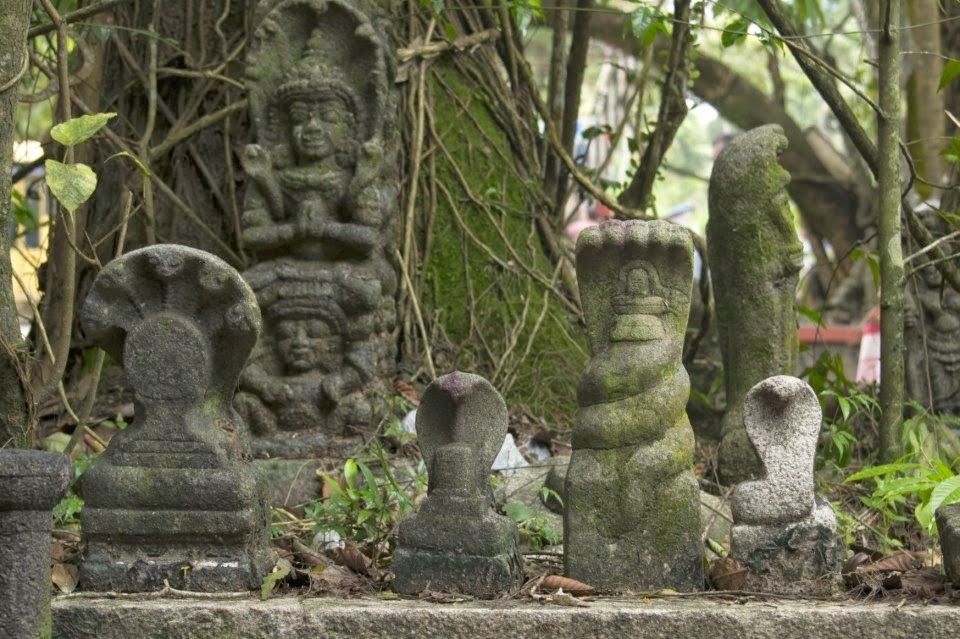
Every ancient Indian temple has a corner below a pipal tree dedicated to statues and sculptures of snake gods.
Nag Panchamiis an important day when many devout Hindus visit these temples or pour milk in snake pits
Many of our Gods from Vishnu to Shiva to Kathikeya are associated with snakes. A devout Hindu never kills a snake.
During the Samudra Manthan Vasukithe king of the Nagas became the churning rope
A State called Nagaland is named after the snake
The great Rishi Patanjali is represented as half snake – half man. He was a Naga living on earth.
The ancient Greeks considered snakes sacred to Asclepius, the god of medicine. He carried a caduceus, a staff with one or two serpents wrapped around it, which has become the symbol of modern physicians.
For both the Greeks and the Egyptians, the snake represented eternity. Ouroboros, the Greek symbol of eternity, consisted of a snake curled into a circle or hoop, biting its own tail. The Ouroboros grew out of the belief that serpents eat themselves and are reborn from themselves in an endless cycle of destruction and creation.
In the mythology of ancient Egypt, Apopis was a demon of chaos who appeared in the form of a serpent. Each night he attacked Ra, the sun god. But Mehen, another huge serpent, coiled himself around Ra’s sun boat to protect the god from Apopis—a perfect illustration of how snakes can be symbols of both good and evil in mythology.
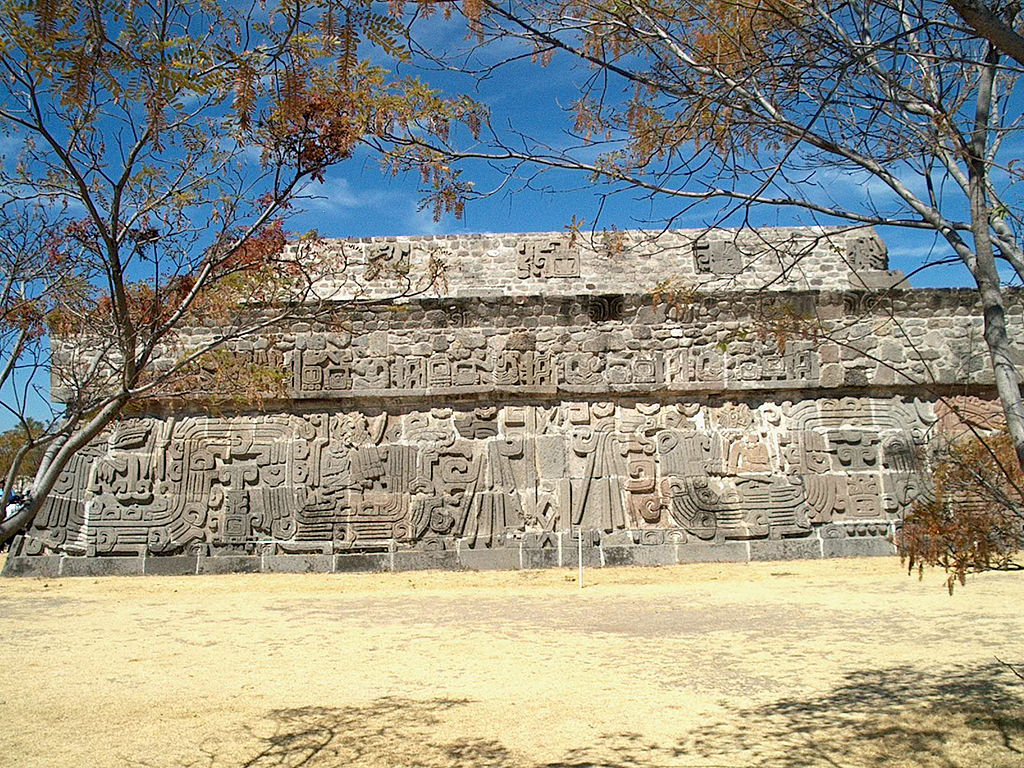
Temple of the Feathered Serpent – Aztec
Kerala is one state in India where Snakes are worshipped in almost every village. There are about 2000 Sarpa Kavu’s or sacred groves all over Kerala dedicated to snakes. There is a mythological story associated with this. Parasurama the creator of Kerala is said to have prayed to the Naga King to help remove the salinity of the land and the Snake God obliged. The ancient temple of Mannarsala (56 Km from Kollam) is dedicated to the snake God Nagaraja as this is the place where Parashurama is said to have prayed to the snake god.
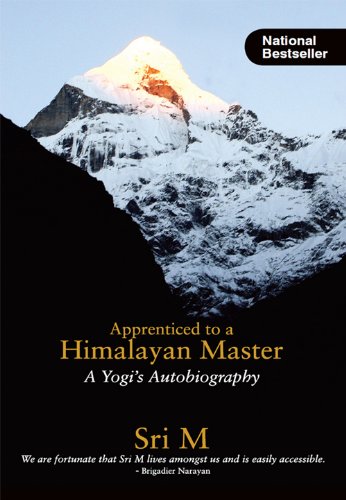
The only place where I have read a detailed and fascinating account of Nagas and their association with humanity is in the lovely book “Apprenticed to a Himalayan Master” by Sri M. An enlightened soul, Sri M runs the Satsang Foundation and conducts retreats and Satsangs all over the world. I have had the privilege of meeting him and attending his Talks. I am sharing below excerpts from his book that throws light on why we worship Snakes and what their association has been with mankind.
________________________________
Apprenticed to a Himalayan Master by Sri M (Encounter with Nagraj)
On the third night at Arundhati cave, I was woken up by what I at first thought was the rumbling of thunder. I opened my eyes and saw Babaji in his usual sitting posture, back towards me, silhouetted by the light of the Dhuni. I looked beyond, and from between two parting clouds, emerged something that was roughly the size of a full moon, but could not be the moon.
Instead of the cool, silvery, white light shed by the moon, this object was a glowing ball of fire, and as it moved closer the rumbling became louder. Then it came towards the cave and landed right on the Dhuni, with the sound of a thunderclap. I was so scared that I could not even sit up, but Babaji sat upright like a statue, unaffected and unmoved.
I wanted to call out to him, but my vocal chords refused to function. Some¬ how, I pulled myself up to a sitting position. My whole body trembled with fear. A strange spectacle unfolded before my astounded eyes. The rumbling had stopped and there was utter silence.
The fireball, which was about two feet in diameter, split vertically into two, and out of it emerged something that caused goose pimples all over my body. It was a large snake, with a hood like a cobra, glowing electric blue, as if made of a transparent, violet, glass like material, with electric filaments lit inside. The snake-like creature’s eyes glowed, and it hissed softly.
My fear vanished the moment I saw the creature bend down and touch Babaji’s feet with its hood. Babaji blessed it by touch¬ ing its head with his right hand, and then did something, which for a second, made me wonder if what I was seeing was a silly dream, or reality. He hissed in reply. The blue cobra straightened up and sat facing Babaji. A hissing conversation went on for quite some time.
Then Babaji said, “Madhu, come forward and see the deputy chief of the Sarpa Loka.” I moved forward and carefully sat behind Babaji. The snake hissed. Babaji said, “Bow down to Nagaraj.” I bowed low before the snake. At close quarters, I could see that he was quite big and had intelligent sparkling eyes. The snake hissed and touched my head with his forked tongue. I found that I was not the least bit frightened, although I could feel a mild electric shock passing through my body.
Then abruptly, it slithered back into the globe, the two halves of which clicked shut, and with a rumbling sound, the globe, The Fireball from the Sky took off and soon vanished in the clouds. I could not but ask Babaji to explain. “Babaji,” I said, “I deserve an explanation. If I said this to anybody, they would think I am utterly crazy, or that I am concocting some kind of fiction, so I shall keep this to myself. But please, explain to me.”
“Yes,” Babaji said, “you are right. Not many will believe this experience of yours but you will have to share it with the public, when you write your autobiography. It does not matter who believes or does not, but I will explain to you. Truth is often stranger than fiction.
“In the Milky Way, there exists a stellar system with seven planets and eighteen moons. One of these planets is called Sarpa Loka, and is entirely inhabited by highly evolved, hooded snakes. The serpents are called the Naga devatas. The person you saw is the deputy chief of this realm and he is called Naga- raja. The supreme head of the Nagas is the five-hooded golden serpent, known in ancient Indian texts, as Anantha.
“Thousands of years ago, when humanity was still in infant stages of mental evolution, there was regular contact with Sarpa Loka. The wise and evolved Nagas frequented the earth, and spent long periods here, teaching and educating human beings. The snake worship you come across in all ancient civilizations is a tribute to the advanced Nagas of yore.
Their images were venerated for the deep wisdom that they possessed. They also taught the secret of the kundalini energy initially, again symbolised by a serpent. Patanjali who gave the world the Ashtanga Yoga Sutras , was himself a Naga, and is depicted as half man and half snake. The snake on the pharaoh’s head and the snake coiled around the yogi-god Shiva, are all symbolic representations of wisdom and power, imparted to certain human beings by the Naga teachers.
“But then, as always seems to happen, human beings, as they became more powerful, began to also become more self- centred and cunning. Humans, or at least a majority of them, were ready to even kill for personal gain. Some felt threatened by the intellectually and spiritually superior Nagas, and forgetting their indebtedness, began to use the powers that they had acquired from the Nagas against them. “At one point, there were large scale massacres of the Nagas.
The Supreme Naga Chief decided to recall the Nagas from earth, and cut all connections, except with some human beings who were highly evolved spiritually. Overnight, they were transported back to Sarpa Loka. A small number of Nagas, who were either sick or too old, or in rare cases, rebels who defied the orders of the Supreme Chief thinking that they still could do something with the human beings, got left behind. “The serpents and snakes that exist in the world today are the descendents of those who were left behind, and who, through years of in-breeding, have become retarded, and no longer possess the great qualities of their ancestors.
However, as I told you, the channels of contact were kept open with highly evolved beings of the human race. When the great Sai Nath of Shirdi left his body for three days, and returned on the fourth day, to the great astonishment of the general public who had thought that he had died, he told his close circle of associates that he had gone to settle a dispute in some other world. “The other world he spoke of, was the Sarpa Loka. The dispute, which I cannot reveal to you, was not completely settled, and has come up again. Nagaraj here went to Sri Guru for help, and on his suggestion, came to me to discuss the matter.”
“Babaji,” I said, “all this sounds so bizarre, that if I ever wrote a biography – which I might do, at some point, since you say so, the readers would either dismiss it as the ravings of an unbalanced mind, or as pure fiction. I don’t care. So let it be.” Babaji laughed. “I repeat again,” he said, “truth is stranger than fiction, and even if the story stimulates their imagination, there is hope that they might at some point realize that there are greater realms of consciousness which cannot be comprehended by dry logic, and currently available levels of intelligence.
“However, by the time you attempt your biography, even the scientific world would have expanded its knowledge of outer space and other planets. The suspicion that life exists, or ex¬ isted on other planets or stellar systems, will be strengthened by the discovery of water, and other conditions suitable for the evolution and sustenance of life forms in hitherto unsuspected parts of the cosmos. Perhaps, some unprejudiced scientist might consider it worthwhile to at least give your story the atten¬ tion it deserves. Beyond that, considering the stupid attitude of dismissing anything that does not fall under the category of ‘established norms’ as unscientific, have no hope.
You are what you eat. If you eat healthy you stay fit. But what happens if the vegetables and fruits you buy from the market are packed with deadly chemicals – many of them banned. A study by the Food Safety & Standards authority of India under the Agricultural Ministry discovered that the veggies in the market were concentrated with chemicals a thousand times more than the permissible limit.
If you chop veggies at home you will realise that you no longer need to check the Ladies Finger for the small black worm – because they don’t exist. Pesticides have helped the farmer prevent wastage and improve his productivity. Yields are better, crop grows faster, and there is better hope for making some money after all the middlemen have had their share. But they come with a cost – a steep cost to your health and the farmers health.
The solution to this is Organic Farms – a phenomena that has started recently. The educated Indian is concerned and A Few Good People are investing their time and money to educate farmers and grow food that is healthy and nutritious.
Farming is hard work – which is what we discovered when we made a day trip to Mapletree farms atThalli, a scenic village in Hosur, Tamil Nadu located about 50 Km from Bangalore. Mapletree farm is a joint effort by Ex Infosys Founder Shibulal, Ex OnMobile Founder and CEO Mouli Raman and Ex Founder of Hillview Organics, California and Organic Farming Teacher Shankar Venkataraman.
We visited the farm and were impressed with the passion and dedication of Shankar who runs the show. A BITS Pilani Graduate who was working in Texas Instruments and later relocated to US, Shankar has found his purpose in life. He lives in the farm and visits his family in US once in 3 months. Over the last 3 years he has helped build the farm engine with a deep sense of love and compassion for the team. Having set the foundation the business is now scaling rapidly.
Shankar explained to us the challenges of farming in India. Rapid exodus of next generation from farming is a concern and unless a farmer makes a steady income of Rs 25,000 a month the future is doomed. Farming needs to be seen as a sustainable, profitable business that is respected by the community. A Farmer needs to learn to respect Mother Earth and ensure that she sustains us for the future. Educating the local farmer of the negatives of short term benefits from the usage of chemicals is an important part of his mission. Mapletree is not just an Organic farm but also a place where the youth and the Local farmers can learn the best practises for producing healthy food.
He explains that excessive use of pesticides and chemicals has made almost 25% of farm land in China non cultivatable. We see the same trend in Punjab and Haryana where excessive usage of Urea has made the fields devoid of nutrition. At Mapletree the only fertiliser used is Cow-dung. There is a reasonable gap between two cycles of crops and leguminous plants that make the soil rich in nitrogen are planted during the gaps. This helps the soil to gain its nutrition. Yes the lack of pesticides does result in crops getting wasted and there is a 30% loss of produce. Level of handholding is higher – all of this adds to higher costs. The Veggies from an Organic farm are more expensive than what you get in the shop next-door. But this is the price you have to pay for healthy food. Mapletree is one of the few Organic Farms where most of the produce comes straight from the farm (Almost 60%), while other Organic Brands are just traders procuring material from farmers. Shankar is working towards increasing this ratio in the coming years.
The farm also has a 100 + cows, many are non milch cows but are still useful for the manure. They sell milk, butter & paneer. This 45 Acre farm is rustic, calm and serene – its not a manicured pedicured farm that you may see in pictures, but its a happy place with a lot of positive energy.
Mapletree Farm serves over 200 Apartments and Villa communities in Bangalore. Over 4000 households get their weekly supply of vegetables and fruits straight from the farm to their houses. Demand is soaring – there is no marketing but the good news is spreading word of mouth as more and more customers join the healthy food bandwagon. From a humble beginning this 45 Acre farm now notches revenue of 45 Lacs a month. Employing over 100 people who work hard almost 12 hrs a day.
A great beginning to help you eat a healthy meal. If you want to join the ” eat Healthy – Stay Fit” movement reach out to Mapletree. The information below will help you to get started.
Information from Mapletree
Call or email the founder & Lead Farmer (whatsApp preferred) : 91136 88239 shankarv.dsl@gmail.com
Call customer support to register and buy (whatsApp preferred): 97909 48235 — Vikram is our head of customer support and he will help you.
We deliver 6 days a week in different parts of Bangalore: We deliver 2 days per week to specific locations and you can receive 2 deliveries at your doorstep per week from us if you request us.
In his bestselling book “Outliers” Malcolm Gladwell came out with a convincing theory of why people born in 1954 – 55 ruled the Tech world. Bill Gates, Steve Jobs, Bill Joy, Scott McNealy, Eric Schmidt, James Goslings and many more famous astrophysicists and scientists were born in that period.
What you hear as a child sticks to your mind and I recollect my mother being disappointed that none of her children were born in November. She had the view that those born in November had an edge and would become famous. Maybe this was driven by her loyalty to the Nehru family (Both Jawaharlal & Indira Gandhi are Nov born).
Having seen many a famous personalities Birthday celebrations popping up in news and social media over the last few weeks I decided to do some research. And yes – there does some seem to be some strong connect between being born in Nov and being famous.
Here is a list I was able to collate in 15 minutes and its real impressive. I think my mothers intuition was right. What I can infer from this dipstick is a large number of Film Stars and Politicians are born in Nov while there are few Corporate Czars and world beating sports personalities.
A lot of film stars and media personalities – Bruce Lee, Demi Moore, Sharukh Khan, Meg Ryan, Kamlahasan, Juhi Chawla, Irrfan Khan, Sushmita Sen, Aishwariya Rai, Tabu, Whoopi Goldberg, Larry King, Zeenat Aman and Bryan Adams are all Nov born. So are Nobel Price winners like C.V.Raman, Marie Curie, Amartya Sen and Winston Churchill. And rulers & politicians like Jawaharlal Nehru, Abul Kalam Azad, Indira Gandhi, L.K.Advani, Mulayam Singh Yadav, Aurangazeb, Rani Lakshmibai, Tipu Sultan, Arjun Singh , Kamal Nath, Condolessa Rice and Imran Khan.The list also includes the legendary corporate leader Jack Welsh who in his undisputed role as head of GE was both a sultan and a politician. A few players Virat Kohli, Billie Jean King, V.V.S.Laxman. Famous writers like Dale Carnegie, R.L.Stevenson, Jonathan Swift and Mark Twain. Spiritual leaders Sri M & Sathya Sai Baba.
Those born in the month of November either fall under the zodiac sign of Scorpio or are born on the Scorpio-Sagittarius cusp. As per Linda Godman those under the influence of Scorpio are easily approachable and are blessed with a sharp mind. These individuals are known for their forward thinking and are always full of unique and extraordinary ideas. These people are also known for their strong sense of clairvoyance and can at times be secretive in nature. Though not known for being talkative, they are extremely affable and make a lot of friends. Often they may appear as withdrawn and solitary, but they always keep a keen eye on the happening in their surrounding and are hardly apathetic. However, on the other side they can often be extremely manipulative, obsessive and revengeful. They are very loving and caring to their partners and exhibit a great deal of passion in their relationships, but one of their negative traits is that they can be a little jealous at times.
A famous Numerologist reports that if you were born in November, the number 11, which is a higher vibration of 2, will be of great importance to you. You are psychic, empathic, and positive. However, sometimes you get overwhelmed by your own sensitivity and develop stress related health and psychological problems, such as chronic fatigue and depression. You often set an example for others and make a great teacher.
A popular joke doing the rounds on Nov 14th is that its exactly 9 months after Valentines Day. I wonder if that has any impact on the greatness of the Nov born?
Diwali is about letting go of the restraint and splurging on sweets. Yes the danger of excessive sugar is well known but there are bigger dangers lurking in the the lovely sweet box you just got as a gift from a leading sweet brand in the city.
Last year, a survey done by SPECS (Society of Pollution and Environmental Conservation Scientists) found that 90% of sweets and snacks in multiple cities of India were adulterated.
The demand for these products rises astronomically during the festive season, but of course, the production of milk cannot go up suddenly as the number of cattle remains the same. So when supply is X and Demand is 10Xwhat do you do? You Adulterate.
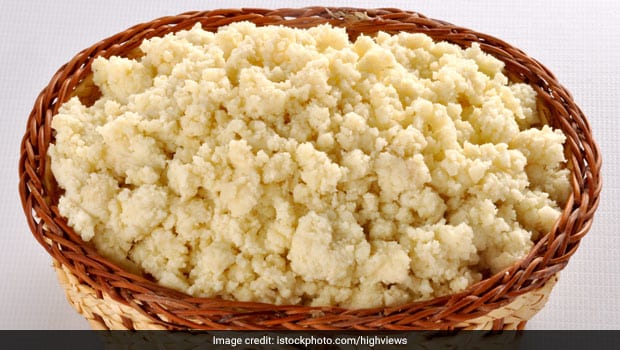
The first thing you MUST avoid is – sweets made of KHOYA. Khoya is made with milk thickened by cooking it over low heat for hours. It’s commonly used for making a wide variety of Indian sweets or mithai. However, nowadays, when the demand of khoya is on the rise, some vendors, in order to meet these demands, may indulge in adulterating the dairy product by using harmful chemicals.
Mawa or khoya used in Diwali sweets may be adulterated with a number of foreign ingredients like fine flour, starch, suji or semolina or even blotting paper. While these three are the relatively tame adulterants, there are some things added to mawa which are potentially harmful when consumed, including urea, palm oil or detergent! Some dairies also add foreign fat in mawa and milk to make these products taste ‘richer’. When people consume sweets made from these adulterated dairy products, their health may be affected.
The adulteration goes beyond milk sweets. Your favourite besan laddoos are commonly adulterated with kesari daal – no this ain’t some high-grade protein, it’s animal feed unfit for human consumption.
Rasgullas can be made with all kinds of spurious synthetic and paint milk. And the shimmering vark is often replaced with aluminium foil.
So whats the solution. The best solution is to eat home made sweets. Yes thats a lot of toil – fortunately my wife is one of the few who still follows the tradition and toils for hours every day for a week before Diwali. But thats rare – people are more interested in getting ready for their card parties than making sweets at home.
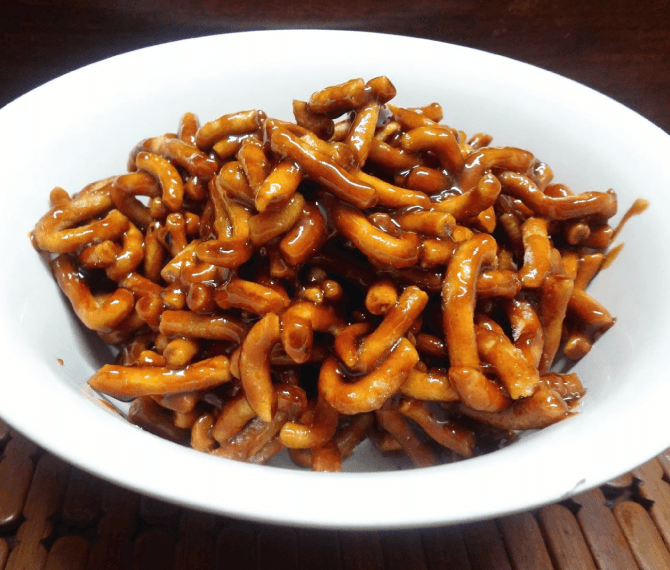
The second best solution could be to stick to sweets made of jaggery or “Gur” – but thats rare. You walk into a shop and you will hardly find any “Gur” sweets. Traditional South Indian shops may have Manoharam, Appam, Adirasam and Boli– but they are becoming rarer by the day.
There are a few simple tests that you can do at home to check the quality of your milk. If the milk at home is adulterated this season be sure that the sweets in your neighbourhood Mithai Shop are.
Test 1- Water : This one’s pretty simple. You don’t have to wait for Diwali to test the milk quality. Take a few drops of milk and place them on a slanting, smooth, polished surface. Pure milk will glide down slowly leaving a trail behind while adulterated milk will slip pretty fast leaving a clean slate.
Test 2: Urea- The most common adulterant. Take a teaspoon or two of milk in a cup and add a teaspoon of soya powder or toor dal powder. Shake it till it mixes uniformly. After a couple of minutes, dip a litmus paper. Moment of truth. If the paper turns from red to blue, it indicates the presence of urea in milk. Discard.
Test 3: Detergent – Water down milk and shake it vigorously. If it lathers, there’s detergent. Puke! Preserve the sample and wash the leftover milk down the drain and complain to the local FDA.
Enjoy your Diwali – but think twice before eating that tasty looking Milk Sweet this season.




















Recent Comments