Bharat Ratna for F.C.Kohli, NRN & AHP

17 May

There have been 48 Bharat Ratna Awardees till date. The majority of the awardees (65%) have been Politicians and Activists. There has been only 1 Industrialist / Entrepreneur in this list and that is the great J.R.D.Tata

Here is the break up of  the 48 Bharat Ratna awardees till date

  • Independence Activists / Politicians / Former PM’s / Presidents – 31 
  • Sports / Musicians / Movie Makers – 7
  • Social Reformers – 4
  • Scientists – 2
  • Economists / Scholars of Repute – 2
  • Entrepreneurs / Industrialists – 1  .

This list does not do justice to the Business Leaders and Entrepreneurs of our country who have transformed Brand India form a land of snake charmers to the IT Powerhouse of the world.

Rather than debate a Bharat Ratna for Veer Savarkar (No doubt he was a great man) can we live in the present and honour 3 good men and the companies they built. Men who  have transformed the image of India, created millions of jobs and helped the economy grow in the last three decades. And they have done it tirelessly for the last 40 years . These are men who successfully started the Make in India mantra in the 1970’s.  

Its time we corrected this anomaly . TCS, Infosys & Wipro have a cumulative revenue of ~ 45B USD and employ over a million people. They in turn generate subsidiary jobs for 8 million people. In total just these 3 companies directly & indirectly provide sustenance to ~ 45M people (Assuming average family size of 5).

They are the foundation on which the great Indian IT industry has been built. These companies over the years have transformed the way we live and contributed immensely to the success of the country. In 2019 the Indian IT Industry contributed 8% to the GDP.

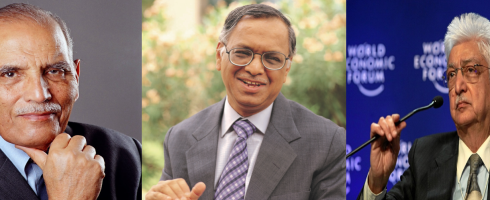
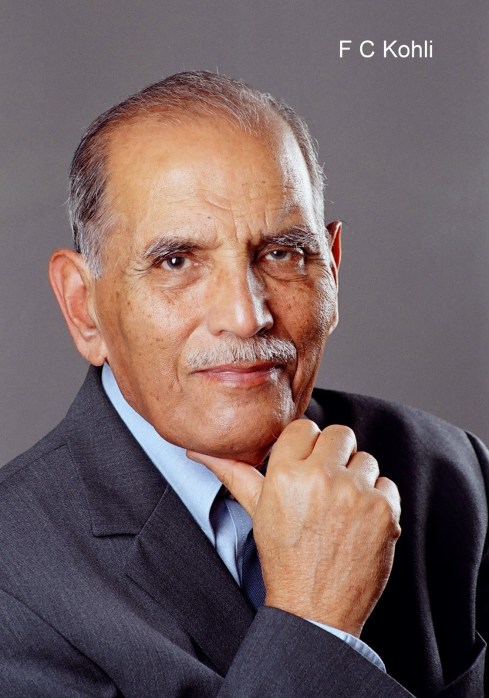
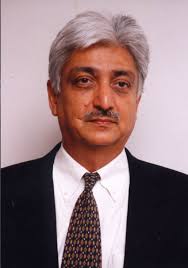
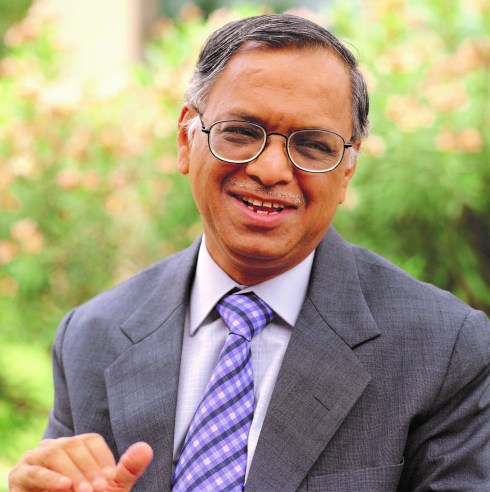
Credit for this needs to be given to the visionary founders F.C.Kohli (Father of the Indian Software industry), Narayana Murthy (Considered to be among the 12 greatest entrepreneurs of our time) and the legendary Azim Premji.

If anybody in India deserves the Bharat Ratna – these 3 definitely do.

Here are a few reasons on why they need to be recognised with India’s highest Civilian Honour 

They changed the perception of Brand India. The Indian IT Industry generates a colossal revenue of 175 Billion Dollars every year. Very profitable. I cant even put a number to the cumulative Foreign Exchange it has generated over the last few decades. Its thanks to the efforts of these 3 great men and their companies which spearheaded this movement. They were the leaders who got going against strong headwinds and built organisations on the foundation of Integrity & professionalism making India proud.

Created employment in Millions – Just these 3 companies employe nearly 1M people. For every job in the IT Industry an additional 8 jobs are created in the ancillary industries like Training / Transport / Food / Logistics / Maintenance. It created a construction boom – not just for offices but for residences and apartments. Automobile sales and tourism took off thanks to the high paying IT jobs. The rub off effect could go on and on.

Empowered Women – TCS, Infosys & Wipro were amongst the first companies in India to employs 30 – 40% of their workforce with women. There was no bias – growth was purely based on performance and many grew to leadership roles.

Created wealth – These companies not only created high paying jobs, but they also shared their wealth. India Inc heard of Employee stock Options (ESOP’s) and Restricted Stock Units (RSU”s)from them. Not just the employee but millions of shareholders who invested in these companies have made an unbelievable amount of money.

Lets me now share a brief overview of these visionary leaders and the companies they built. Each one of them were simple, genuine, extremely hard working people who were hands on. They led from the front. The built organisations on rock solid values. Stories about their lifestyle and philanthropy is legendary. They built organisations on the fundamental principle “Respect the Individual – People are our Greatest Assets”

Faqir Chand Kohli – Born March 19th, 1924 he went on to become the 1st CEO of TCS. When TCS was started in 1969 he was the GM. He became Director In Charge and then the Deputy Chairman in 1994. (Ratan Tata was Chairman of Tata Sons from 1990 – 2012)

TCS Today is a global conglomerate with a revenue of 22B and Market Cap of over 100B Dollars. It is the worlds largest IT Services company and operates from 149 locations in 46 countries. 70% of Tata Sons Dividend is generated by TCS.

Azim Premji fondly called as AHP needs no recognition. He was born on July 24th, 1945. (That is why many Wiproites say he works 24/7). Taking over the reigns of Wipro as a young 21 year old after his fathers sudden death he transformed a Vegetable Oil company to a global IT powerhouse. Wipro started its IT Business in the mid 70’s and became a leading Global Software player in the late 80’s. Premji is known for his simple life and strong business ethics. In a country where corruption is rampant he has built an organisation on a strong foundation of integrity and values. There is a famous quote attributed to Premji ” The idea of integrity, in his own words, is black and white. And he says it has to be black and white, because if you play around, and in between black and white, there are many shades of grey”. Wipro with revenues of ~ 10B is respected the world over for this quality.

Narayana Murthy or NRN as he is fondly called is India’s poster boy of a successful entrepreneur. Born on Aug 20th, 1946 the story of how he built Infosys from an initial capital of $250 is legendary. Mr. Murthy conceptualised, articulated and implemented the Global Delivery Model (GDM) which has become the backbone of the Indian software industry. GDM is based on collaborative distributed software development principles and has resulted in the delivery of superior quality software to global customers delivered on time and within budget. Mr. Murthy also introduced the concept of 24-hour work day to the world. Infosys is India’s biggest success story till date.

He is again a simple man and practises what he preaches. At last count Infosys had revenues of 12B +.

Here are 3 good men who truly deserve the Bharat Ratna. They have touched and transformed the lives of millions of middle class Indians – more than any social reformer till date. They may not be a vote bank, they may not help in getting brownie points from any caste – but every Indian will give you a thumbs up for this decision and it will make Brand India shine better in the global arena. It may just be a coincidence that the rules of Bharat Ratna allow 3 awards / year.


Curd Rice Vs Khichadi? Who is the King of comfort food

12 May

A time comes in life when the best meals are simple. In the competition for the best comfort food the four Semi Finalists were Rajma Chawal, Kadi Chawal, Khichadi and Curd Rice.

After a very close fight the Finalists were Vegetable Khichadi and Curd Rice. The popular vote cast by Indians across the globe was surprisingly a tie. But to decide the winner the judges decided to call Curd Rice and Khichadi for a public debate to present their credentials and stake claim for the winners trophy. But before we get to that a quick introduction of the participants.

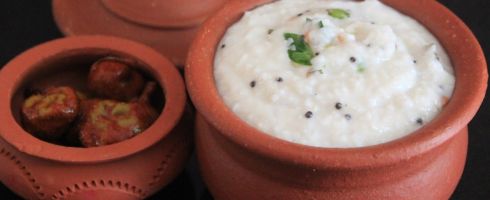
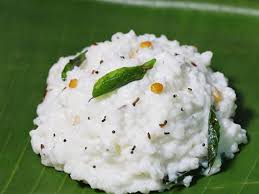
Curd Rice is the ultimate food for a South Indian and no meal is complete without it. Curd Rice is not just Rice & Curd mixed – but there is an art to making it. The rice is cooked a bit extra, you dont use long grained rice and when its still hot you mix cold thick curd to it and mash it with a ladle. Add a pinch of salt to taste and finish it up with a tadka of urad dal, mustard, curry leaves, Asafoetida and red chillies. (The Original Curd Rice is not a khichadi of too many things – its simple, it does not have pomegranates, cucumber, grapes etc). And voila you have a winner that is simple and soothing for a meal all day long 365 days a year.

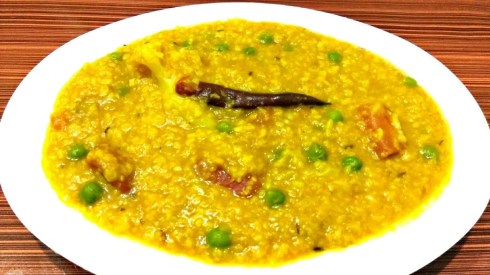
The Khichadi is a balanced meal. While most people prefer a vanilla version of it when sick or battling a digestion problem, the Khichadi can be a thrilling wholesome meal on its own. Its another matter that given the numerous things you can mix in it, there is a famous proverb in Hindi called ” Khichadi Pakana” – which roughly means confusing and making a mess of things. But be rest assured there is nothing confusing or messy about a Khichadi – its God’s own food. (How to cook video at the end of Blog)

With this context lets start the debate with the first speaking slot going to the Khichadi.

Khichadi – I am the food of the Gods. I am the bhog that is served to Ma Durga and Kali. I am the staple food in every ashram. When you are sick you invariably decide to eat me. I am light on the stomach but at the same time nutritious. I am the bachelors easy to cook meal after a long day at work. I am versatile, I am healthy and tasty. I am best eaten with Papad, Pickle or Curd.

Curd Rice – I am the food of the common man on a hot summer day. I am also the last meal of a king after a sumptuous feast. I am cool and calming. I have been the favourite dish of many intellectuals like C.V.Raman, Ramanujam and  Dr Radhakrishnan to name a few. Peek closer in a train during meal time and you may find millions enjoying me with a dash of a pickle. I am simple, easy to cook, tasty and healthy. I am also served in the temples – visit any S Indian temple on a hot summer day and you can be rest assured that the Prasad will be Curd Rice served on a small plantain leaf. I am best eaten with small home made mango pickle. (Vadu Manga)

Khichadi – I come in multiple versions. The plain Moong Dal khichadi, The Vegetable khichadi, Bajra khichadi, Sindhi style khichadi and the best of them all the Bengali masala Khichadi. I take many avatars – I can be a plain Jane or cooked with vegetables with lots of ghee. I was the staple meal for the great Ramakrishna and even today if you visit Belur Math you will be served a piping hot version. The great poet Rabindranath Tagore conceptualised many a song and poem after a hearty meal of Khichadi and papad. I am an international dish loved in many countries. The Spaniards have a modified version of me called Paella.The British took me to UK and created a modified version which they called as Kedgeree. I am as ancient as India – nobody knows when I was created.

The Greek king Seleucus during his campaign in India (305-303 BC), mentioned that rice with pulses is very popular among people of the Indian subcontinent. The Moroccan traveller Ibn Battuta  mentions kishri as a dish in India composed of rice and mung beans, during his stay around 1350. I was very popular with the Mughals. There is even a story about Birbal and me.

Curd Rice – I am the best meal for indigestion or diarrhoea because curd is a great source of probiotic. Curd is also a good source of protein. It is a good antioxidant and has high contents of calcium. The probiotics in curd helps improve immunity and makes the body capable of fighting diseases. Curd can be a stress-buster and can lift your mood. According to studies, probiotic bacteria and good fats, both found in curd, can help reduce stress. The reason it is often consumed at the end of the meal is because it helps digest the food better. Consuming curd rice helps to restore healthy microbial balance which, in turn, helps in better digestion.

Khichadi – Sorry to interrupt, but we are not debating on the benefit of Curd here, dear friend. Please come to the point.

Curd Rice – Well I was coming to that. You need to have some patience. Stay calm and cool, maybe you should have some curd rice.

Eating me gives you a sense of satisfaction, and contentment. It also makes one feel restful. Let me step back and explain to you the results of a study conducted  at MIT.

The first ingredient in this process of creating a sense of satisfaction is Tryptophan, an essential amino acid. That is present in Curd.  It is an essential amino acid meaning that it can’t be made by the body and must be taken through our diet.

The best way to reap the benefits of tryptophan is to combine complex carbohydrates with it. Extensive studies at MIT carried out by Richard Wurtman, M.D., showed that tryptophan, the building block of serotonin, could get into the brain only after sweet or starchy carbohydrates were eaten. The carb rich foods create production of insulin in the body that clears the competing amino acids from the blood stream so that brain can take up tryptophan. In absence of insulin the brain prefers the competing amino acids, so eating Tryptohan rich foods without the carbs doesn’t have the same impact that curd rice has.

So its the combination of Tryptophan containing curd and the carbs in the rice that creates the bliss we experience after eating curd rice!

Now you realise the scientific reason on why I create this immense feeling of satiation, contentment and happiness.

Khichadi – For someone who claims to be a simpleton thats a lot of ego I see in you Curd Rice. I am not just a mixture of rice and lentils but the source of carbohydrates, vitamins Calcium, dietary fibres, magnesium, potassium, and phosphorus. You can add different vegetables, and enhance my nutritional values and taste. I can be made mild with less spices. I am always easy on the stomach and intestines, making me an ideal meal for sick people. I am a nutritional meal, a perfect source of nourishment for babies, small kids and elderly people. I am part of the Ayurvedic diet. I have the ability to balance all three doshas – Vatta, Pitta and Kapha.  Apart from calming the digestive system along with detoxifying it, I aid in providing energy and enhancing immunity and digestion.

Curd Rice – I am the best home remedy for an upset stomach because I am easy to digest and works against bloating and indigestion.  The curd in me is rich in probiotics that promotes the growth of healthy gut bacteria thus relieving constipation and abdominal pain. I am always eaten cold. I am like a natural fire extinguisher that cools the body and helps maintain internal body temperature.  Thus if you’re feeling feverish or if it’s simply a very hot day, try me out.

I act as a stress buster. Curd contains antioxidants and good fats. This helps the brain deal with pain and emotions like stress. This makes me not only a tasty dish but also a stress busting one. I aid with weight loss. A bowl of curd rice can fill your stomach and keep you from snacking. It also has negligible calories when compared to a rich serving of Khichadi, Fried Rice or Biriyani. This makes me a good meal to indulge in when you’re attempting to lose weight. Being easy to digest is only one of the reasons curd rice is the best food to eat when ill. I am rich in antioxidants that give the body power to fight infections. It also gives the body much needed energy when ill.

Khichadi – I am free of Gluten. I am eaten almost in every nook and corner of the country and in many countries around the world. You are eaten in only 3 states. As the world starts adopting Vegan standards you will find lesser people eating Curd Rice and in some years you may cease to exist.

Curd Rice – Good things never die. I have my band of die hard followers who swear by me. I am also Gluten Free so thats not a + point in your favour. I can be eaten for Breakfast, Lunch or Dinner. I can be eaten with fresh rice or rice soaked in water overnight. I dont need to be heated to be served. Making me is so easy and fast. I have seen how you look when not eaten fresh. You become lumpy and hard and need to be reheated to be served. And it takes way too long to make you.

Khichadi – But you become sour after some time.

Curd Rice – Thats not true. People who carry me for long distances make me with a mix of milk and curd. That ensures I dont become sour. A little bit of hot water from the flask is all it takes to get me reactivated for a tasty meal.

Seeing the debate getting heated up the judges felt that the simple Tambram Curd Rice was getting beaten up by the more aggressive Khichadi. After much confabulation they were not able to decide a winner and declared them as Joint Winners.

Their final statement read as follows

Curd Rice & Khichadi are both deserving winners of the best comfort food category. They have a lot in common, they are simple and packed with benefits which is what endears them to one and all. They both aid in getting a good sleep (a point that both missed out). After a nice lunch of Curd Rice or Khichadi you are sure to enjoy a nice afternoon siesta.

They dont compete but compliment each other. We strongly recommend to Khichadi that it be served with a side dish of Curd or Raita so that the benefit of Curd can be leveraged.

What is also clear is that the power of Rice is unbeatable. Most Indian intellectuals have come from the land of Rice eaters. And that is a trend which we hope shall continue… so folks eat more Rice.


From Greed to Fear – An interview with COVID 19

18 Apr

You have taken the world by storm. You have no competition to be the Time Person of the year. Tell us more about yourself. Who are you and why have you caused this pandemic? 

I have no identity. I came suddenly and will vanish suddenly. You cannot catch me – at least for the near future. Let’s just say that everything in the universe happens for a reason.

But taking innocent lives and threatening humanity – is that a justifiable reason? 

Before you blame me, mankind should introspect and ask themselves a few questions. You are not the only inhabitants of planet earth. There are over 8.7M species that live on earth (Of which only 1.3M have been identified) – only humans are in panic not the other species. You have to ask yourself what is it that you have done to cause this situation. Before you point a finger at me kindly introspect.

I still dont get it – can you elaborate?

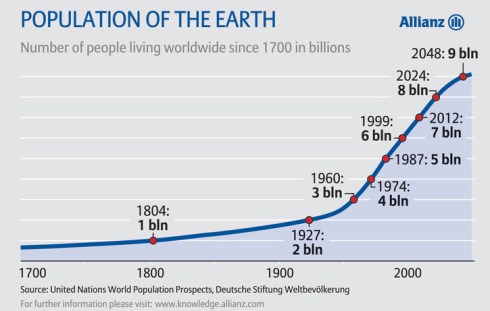
The essence of life is moderation. What your generation has done in the last 50 years is bringing the planet to the edge. In 1900 the population inhabiting earth was less than 2Bn. Today it is almost 8Bn. Over the last 50 years the incremental growth of population is in the range of 50 – 80M/year. Planet Earth cannot sustain this explosive growth.

This growth of population threatens the existence of all life forms. Nature is devastated. Look at your rivers, oceans, forests. In the last few decades over 500 species of animals have become extinct.  This generation in the last 50 years brought the planet to the edge. While everybody is aware – nobody takes action. And when a little girl cried in front of world leaders, most of them ridiculed her. Thats when I realised that it was time to take some action.

But humans have made so much advancement. Why do you think they turn a blind eye to the environment?

The first reasons is – GREED. The measure of success is growth & profit. Apple has a turnover greater than the GDP of most countries but the company still wants to grow and increase profits to shareholders. According to the Credit Suisse Global Wealth Report, the world’s richest 1 percent, those with more than $1 million, own 44 percent of the world’s wealth. The rich get richer and most elected Governments encourage this trend. the second reason is POWER. The global arms trade is worth 100Bn annually. Nobody has a count of the total value of of arms & ammunition lying in stockpiles across the world. The current form of capitalism is exploiting the world balance.

Its not just the environment that has been ignored. WHO says that 2.6M children die because of malnutrition every year.

So whats the point – are you here to eradicate mankind and set the equilibrium back in place. Will you leave only after wiping away 50% of the population? 

Like I said I came suddenly and I will leave suddenly. For eons I have come in different forms and shapes. Flu, Typhoid, Ebola, Small pox, TB, Chicken Pox. When I come there is panic and disaster but then things soon settle down.

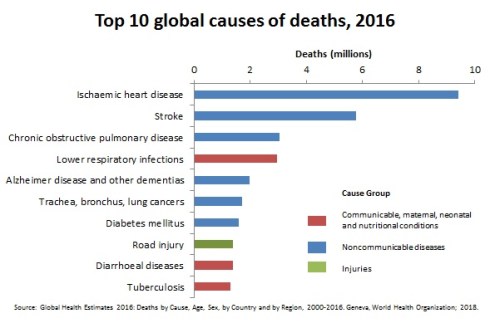
In 2018 there were 10M people affected with TB and 1.5M died, but TB did not make headline news. And TB is ranked 10th in the Top 10 Global Causes of death. 

COVID 19 has a fatality rate of 2%. You may recollect that my cousins SARS and MERS had a much higher fatality rate. (SARS 9.6%, MERS 34%).

So why is there so much noise about you? 

You can attribute it to Social Media and a connected world where information can spread in seconds. It actually moves faster than me. I am the first global disease after the spread of social media. Yes, I started in a province of China and have spread globally in the last 4 months. But lets look at some data points  (As of today April 18th)

  • Total Active Cases 1.5 M
  • Deaths – 156,000
  • 20 Deaths /M

Now lets peel the onion. In the city of NY which has had a vicious attack there were only 3 deaths in the 0 – 17 age group. If you look at data closely across the globe I dont impact children and people below 20.

The biggest section of people impacted are male above 65 and a vast majority of them have some pre ailments which has weakened their immunity. Of the 4095 Male Deaths in NY 3087 had underlying conditions. 

I am not a statistician but if someone analyses the numbers you will see that less than 20% of the world population is at a risk of fatality.

But is it not cruel to go after the weak and the vulnerable?

Like I told you earlier, everything has a reason. I am not going after the weak and the vulnerable. Children and healthy women are statistically the safest from my attack. Yes they may get affected but most will recover like any normal Flu in a weeks time.

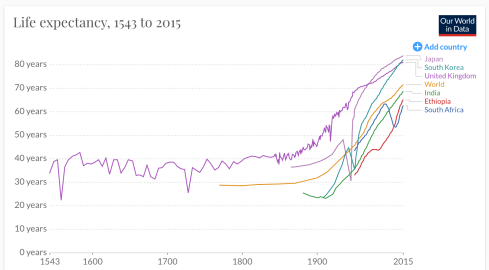
You should see the movie Logans Run. Its a science fiction that was released in 1976. It tells the story of a human like society in the 23rd century where nobody lives beyond the age of 30. While that may be an extreme and that is not something I am targeting. We need to realise that thanks to medical science, life expectancy has gone up from ~ 30 years to ~ 80 years. And if the trend continues many in their 80’s will go on to live to 100+. This is something that was unheard of 50 years back.

This is against the law of nature. I am fixing this. Again I am majorly impacting people who are already suffering from diseases like Cancer, Cardio, Kidney, Liver problems. Diseases that is causing pain, agony and  loss of wealth to families. Rather than suffer for years I help them move on to a better next life in a matter of weeks. The younger folks affected are people who have ruined their health by smoking, drinking, drug addiction etc. Find me a person who leads a healthy, positive moderate life who has been been impacted by me with death. So dont treat me as a villain. I am here for a reason and will leave after my message has been delivered.

So what is your message to mankind?

I have a few key messages

  • Dont blame me – blame yourself
  • Focus on what changes you need to make in your daily life
  • Versions of me have come in the past, I will keep coming in different levels of severity. Accept me as the new norm and get along with your lives

And finally a quote from the Holy Bhagavad Gita

जातस्य हि ध्रुवो मृत्युर्ध्रुवं जन्म मृतस्य च |
तस्मादपरिहार्येऽर्थे न त्वं शोचितुमर्हसि || 27||

Death is certain for one who has been born, and rebirth is inevitable for one who has died. Therefore, you should not lament over the inevitable.

What is the greatest fear of humans? Death, we all know it. Lord Krishna tells his friend and devotee Arjuna not to fear death at all. Death is merely a transitional phase. Death can only come to something which is not permanent; that which is real can never die. Whether a person is an ordinary citizen, a soldier or a leader, he must not fear of losing his life, position or wealth. Relationships, wealth and all other worldly objects are just temporary; they are tools to climb the ladder and realize the Self someday. It isn’t hard to guess how beautiful life would be if there is no fear at all.


Corona – Best Practise Vs FEAR, A Few Good Things to do

28 Mar

Enough and more has been said on this topic. All news channels, WhatsApp groups, community messages have flooded us with ” What NOT to do” . I want to focus on “What You must Do” to stay fit and healthy – physically & mentally.  The 21 day lockdown may well stretch to 3 – 4 months and this is a golden opportunity to do the things you have been wanting to do for long. You can focus only on what is in your control and not worry about the rest. Life goes on – the Corona Virus will also pass as the wheel of life slowly moves day by day.

I am listing down these suggestion in 3 Points 

# 1 Follow the WHO Guideline

At a time when every Tom, Dick & Harry has a view, follow the WHO guideline. If you have not visited the website do it NOW. https://www.who.int/health-topics/coronavirus#tab=tab_2.  I am listing down the points as mentioned in WHO Guidelines.

To prevent infection and to slow transmission of COVID-19, do the following:

  • Wash your hands regularly with soap and water, or clean them with alcohol-based hand rub.
  • Maintain at least 1 metre distance between you and people coughing or sneezing.
  • Avoid touching your face.
  • Cover your mouth and nose when coughing or sneezing.
  • Stay home if you feel unwell.
  • Refrain from smoking and other activities that weaken the lungs.
  • Practice physical distancing by avoiding unnecessary travel and staying away from large groups of people

China recovered fast, Italy, Spain , Europe & US seem to be collapsing. But Japan a close neighbour of China has hardly been affected. https://www.nytimes.com/2020/03/26/world/asia/japan-coronavirus.html. India with its higher immunity, tropical climate and spicy food habits will probably weather it out better than most countries. So don’t panic.

# 2 Stay Healthy & Fit – Exercise 

With most countries in a state of lockdown this is an excellent time to focus on your health. You have the most priceless item in your availability – TIME. So make the best use of it. So what if the gym is closed you can do many more things to stay Fit & Healthy. Here are a few must do’s every day

  • Brisk walking for at least 60 minutes every day. Good to do in the morning Sun. It may be boring to walk alone so get a walking companion. A brisk walking companion can help you do 20% more. 1 Hr of brisk walk is 6 – 8 Kms and thats burning nearly 700 – 800 calories
  • Climb Stairs – If walking continuously is boring, break the monotony by climbing stairs (ie if you live in a multi-storey complex). For every few rounds around the complex – climb one block of stairs. Climbing stairs is a great exercise to stay fit and loose weight. It also opens up your knees. (If you are obese and overweight do it slowly and avoid climbing down as that can impact your knees)
  • Do Yoga for 1 hr every day. You can mix and match Yoga with floor exercises to break the monotony. Play some music, keep changing tracks, and do it outside. If you have a pool in your complex preferably by the poolside in the morning or the evening. Start doing more Surya Namaskars – Its a comprehensive exercise by itself. If you had a capacity to do 5 you can start increasing that on a daily basis. Remember the trick to do more Surya Namaskar’s is to take a 5 min gap between two sets during which you can do some asanas or breathing exercises. Here again a Yoga partner can help you be more energised and push yourselves more. Play soothing music or Mantras as you do Yoga.
  • Pranayam – This is a must do exercise that cleans up the nasal tracts and strengthens the lungs. There are enough videos on youtube on how to do deep breathing & Pranayam.  Do this for at least 10 minutes every day. Even Om Chanting is a form of Pranayam as it involves deep breathing
  • Inhalation with Tulsi/ Ayurvedic ingredients – Try doing this every night before going to sleep. It cleans the nasal passage of all blockages and strengthens the immunity system.

# 3 Stay Healthy & Fit – Eat Healthy

Again this lockdown is a great opportunity to eat light and healthy. Losing weight is done in the mind not in the Gym. Eating less means less usage of vegetables & grocery, less cooking, fewer vessels to wash, less trash – all of this helps you and the community.

  • With no rush you can break your regular schedule of breakfast / lunch / dinner with Grains based meals. Skip a meal once in a while, eat 75% of your normal diet
  • Eat more fruits, sprouts (It’s easy to make it at home)
  • Try to finish dinner early by 7 PM.
  • Try fasting on fruits once a week.
  • Try intermittent fasting once a week when you eat a meal at 11.30 AM and your next meal is breakfast the next day – 18 hrs later.
  • Set a goal to lose 5 Kgs in this 21 day lockdown period and I am sure you can achieve it successfully.

In Conclusion – Every crisis can be an opportunity, as Mother Nature heals with a global shutdown here is an opportunity for you to cleanse yourself and becoming healthier and stronger – boosting your immunity system.

Stay Positive – Be Happy

Gali Gali Jaipur (Exploring the bye-lanes of Jaipur)in 2 1/2 days

17 Mar

The holiday I look forward to is the annual getaway with my dear friends. If in a career of 30+ years after interacting with thousands you find 3 genuine friends – consider yourself lucky. This was our 4th edition – after Chickamagalur, Binsar and Kodaikanal we decided to spend a few days at Jaipur.

Planning started 3 monthly early  and even the threat of the Corona Virus could not hold us back. With the divine positive energy of my dear friends everything as usual turned out to be perfect. Flights were on time, Jaipur was a pleasant 12 – 23 Degrees, the hotels were great,  and the City of Jaipur welcomed us and treated us like royalty.

This was my 3rd trip to Jaipur (2003, 2012 and now 2020) – the earlier ones were rushed 1 day trips. This time we wanted to explore the bye lanes of Jaipur, taste the local food, shop in the local markets and soak in the charm of Jaipur. And that’s exactly what we did. My friend who has visited Jaipur a million times was the best guide we could have had.
A quick history of Jaipur 

Jaipur was built in 1727 by Maharaja Sawai man Singh – II (That makes it only as old as Bangalore/ Kolkata/Hyderabad). The kings of Amber (Jaipur State) aligned with the Mughals and Akbar even married one of the princes to who Jahangir was born. Jaipur  was the 1st planned city of India. In 1876 Maharaja Ram Singh adorned the city in pink (Supposed to be the colour of hospitality) to welcome Prince Wales – Thus it acquired the name Pink City

The Energy of Jaipur

A few days in Delhi and you get the sense of an aggressive, greedy, wicked smart city that is difficult to trust. Jaipur on the contrary exudes a sense of efficiency and calm, a city that is grounded and contended. Today it is probably the most organised city in India. Broad well lit roads, fast moving traffic, no potholes, no garbage, nice footpaths, efficient traffic police, very clean and affordable. No wonder that Rajasthan attracts ~ 50M tourists every year. Credit should go to the JDA chairman (who happens to be my classmate) and the citizens of Jaipur for maintaining their city so well.

Alsisar Haveli – The property where we stayed

When it comes to hotels you are spoilt for choice. From a wide range of 5 Star properties, Palaces converted to hotels, havelis, small but efficient properties – there is no dearth of options. Just visit booking.com to choose what suits you best. We hunted down a traditional Haveli property in the heart of the city. Alisisar Villa is the ancestral home of the Landlord of Alsisar Village (225km North of Jaipur). This property was built in 1892 and converted to a hotel in 1993. It has 44 rooms. The Alisisar group also has fabulous heritage properties in Shkhawati & Ranathambore. A 4th property will be opening in Khetri Village at Ahaygardh in 2022.
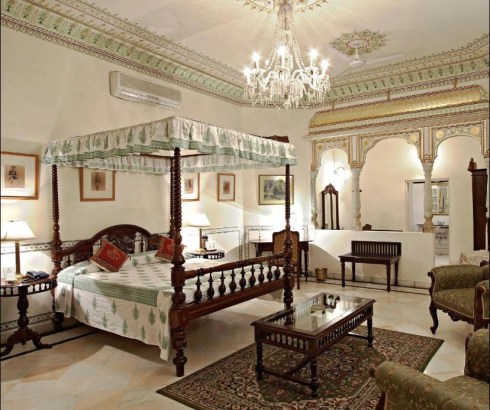
The property is picture perfect, the rooms are divine, the food is average and the service could have been better .

A 200m walk from Alsisar Haveli is a second option – an efficient budget option called Hotel Arya Niwas. We had stayed here in 2003 and loved the place. We did drop by for breakfast and lunch. The place now is larger with a new annexe and still provides the same level of efficient service.

How we spent the 2 1/2 days at Jaipur

When you plan a trip to Jaipur you have to try and cover a lot – Forts, Palaces, Cenotaphs, Food, Bangles, Quilts, Joothis…. the list is long. But yes you can do justice to almost everything in 2 1/2 days if you follow this plan.

Day 1 we land at 11.45 AM 

Our Indigo flight from Bangalore landed on time. Jaipur has a small and efficient airport and we are out in less than 10 minutes. The waiting Innova takes us to our Haveli. Its a 15 min drive and we check in before 1230. The rooms are yet to be ready so rather than waste time we head to Laxmi Mishtana Bhandar (LMB).

In 1727, when by Maharaja Sawai Jai Singh II, the ruler of Amber, founded the new capital city of Jaipur, he invited traders and artists from nearby towns to the newly built city, amongst them were a group of halwais, who set up a small sweet shop in Johri Bazaar. Years later in around, 1949/1950, one of the descendants of these halwais, Maliram Ghodawat, branded this sweet shop, as the Lakshmi Mishthan Bhandar (LMB)
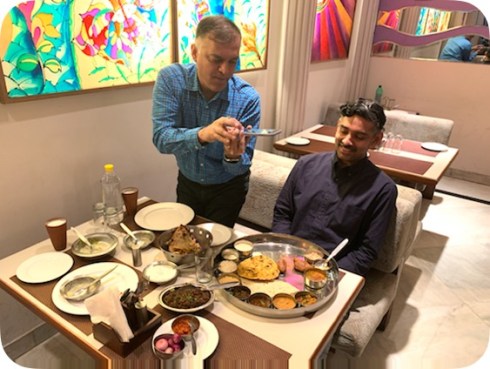
LMB is famous for its restaurant and sweetshop on the street-level. The restaurant serves pure vegetarian food and is known for its Rajasthani thali, Dal bati churma, and kulfi. While I experimented with Kair Sangri (a traditional spicy Rajasthani dish) my friend explored the Rajathani Thali. Food was delicious and rich. We treated ourselves to Kulfi’s and Rasmalais to end a satisfying meal.

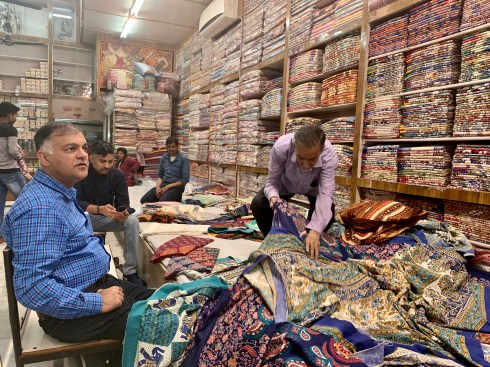
A short drive from here passing the iconic Hawa Mahal is the City Palace. Having been here in the past we spent 45 min and covered ground fast before heading to Rajasthan Shilp Gram Udyog that is located close to on the Exit gates. A huge shop (Private) you can find an excellent variety of traditional items – all good Quality (My friend who has bought many times from here assured us of their quality). Excellent variety and very affordable prices. we ended up buying a few quilts and bedsheets.
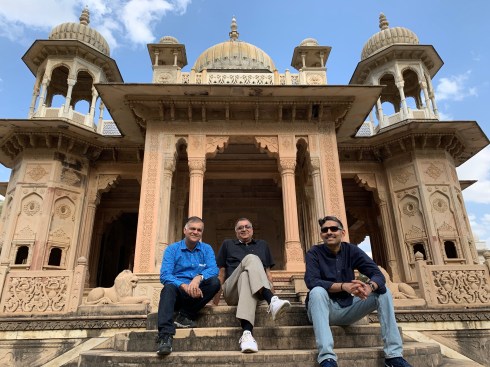
It was almost 4 PM by now and we headed out to a place called  Gatore Ki Chatriyan – Cenotaph of the Kings. The Taxi driver, a local did not know about this place and we were happy to find at sunset a beautiful and empty place that housed the remains of the royal Kings. Its a photographers delight, do take a guide – you can easily spend 1 hr here.
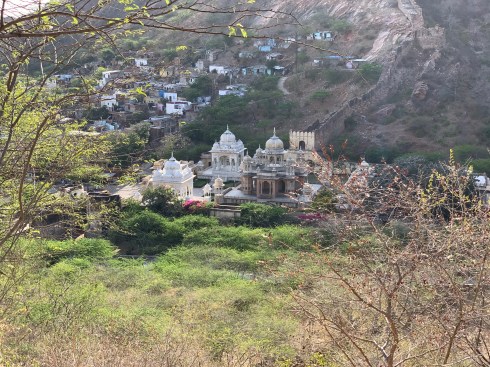
Next to the Cenotaph is a set of 400 steep steps that takes you to the Garh Ganesha temple – which was the temple set up by the 1st king when he started laying the foundation of the city of Jaipur. The climb is a nice exercise and can substitute for your daily gym workout. The view of the city from the top is breathtaking – but thats when you realise that Jaipur is no longer a Pink city.

From here we headed to Saraogi Mansion (The underground market has a nice store that sells unique children toys) and then walked the bye-lanes of Bapu Bazar. This is the best place to get all things Rajasthani – from dresses, bangles, joothis, bags, mouth fresheners… and you can bargain.
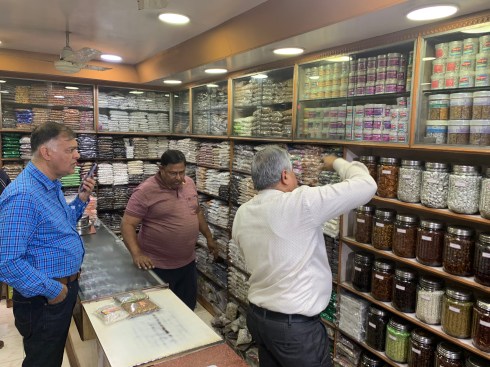
Jaipur has many markets and most of them are adjacent to each other. Markets are clean, it was empty but can be very crowded in peak season so be careful of pick pockets.

• Johari Bazaar – For Jewelry
• Tripolia Bazaar – For Bangles
• Chandpole Bazaar – For Handicrafts
• Kishanpole Bazaar – For Textiles
• Nehru Bazaar – For Traditional Jootis
• Sireh Deori Bazaar – For Street Shopping
• Bapu Bazaar – For All Jaipuri Items
• Mirza Ismail Road (MI Road) – For Pottery
• Tibbati Market – For Local Souvenirs
• Anokhi – For Colorful Garments
• Gaurav Tower – For Local Products
• The Gem Palace – For Antique Charms
• Kripal Kumbh – For Blue Pottery
• Aravali Bazaar – For Home Decor Items
• Purohit Ji Ka Katla – For Wedding Items

We had covered a lot for 1/2 a day and now it was time for dinner. The heavy lunch was still making us feel guilty and hence we went to a place called Masala Chowk. A few minutes drive from Bapu Bazar next to the Albert Hall – Masala Chowk is a new Food Market  that houses all the famous local eateries in one place.
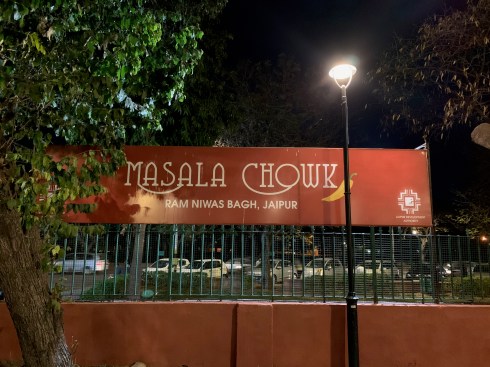
Masala Chowk is a one-stop place to end all of the street food cravings. This new destination for Street Food in Jaipur is an open food court in Ram Niwas Garden. The place acts as a home for all prominent local cuisines. The common open sitting gives the families and friends freedom to choose from the vast varieties of street foods. This place was intended for the tourists and has gradually turned into a favourite hangout spot for the residents of Jaipur. Masala Chowk has all the traditional Rajasthani dishes from leading stores like Rawat, LMB etc. It also has street food  like Samosa, Jalebi, Gol Gappa, Chole Bhature, Tea, Mishri Mawa and also South Indian Dishes like Masala Dosa and Uttapa but in a different style. This world of mouthwatering food has an entry ticket of INR 10 only. Masala Chowk is one of the best places to eat in Jaipur.
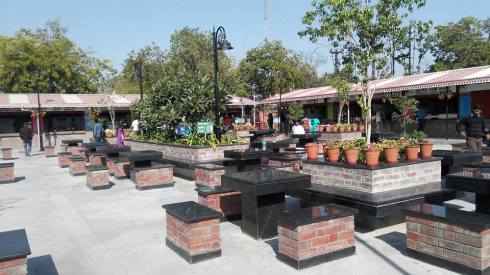
We did try a lot of tasty dishes but the freshly made Jalebis was the icing on the cake.We drove past the well lit Albert Museum and headed back to our Haveli. We were home by 10PM. Teetotallers that we were – we ended up chatting and listening to old Kishore Kumar music before calling it a day.

Day – 2 : A few Forts and more 

We start day 2 at 9 AM and head to the Nahargarh Fort. Its a 20 min drive up the hill with sparse rugged vegetation. The Nahargarh Fort stands on the edge of the Aravalli Hills, overlooking the city of Jaipur. Along with Amer Fort and Jaigarh Fort, Nahargarh once formed a strong defense ring for the city. The fort was originally named Sudarshangarh, but it became known as Nahargarh, which means ‘abode of tigers’. You can get an excellent view of the city from here. Its a large fort, mostly empty and has rustic beauty. Most tourists give this fort a miss. Budget 30 – 45 minutes for seeing this place.
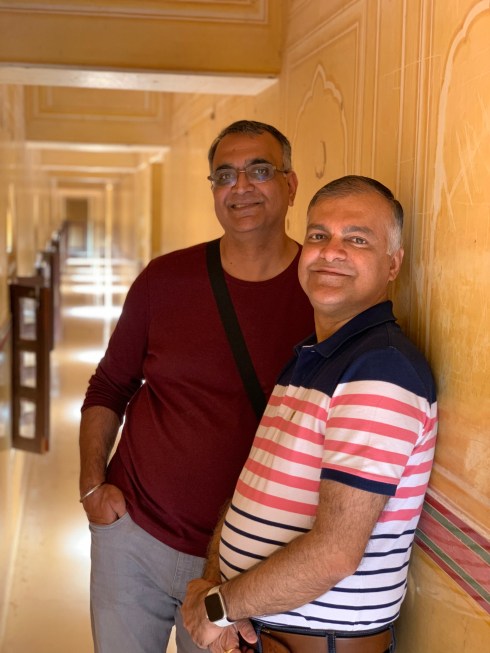
The next in line was the Jaigarh Fort. A 10 min drive from Nahargarh it overlooks the Amer Fort. The fort was built in 1726 to protect the Amer Fort and its palace complex. Rugged and similar in structural design to the Amer Fort it is also known as the Victory Fort.  The fort features a cannon named “Jaivana“, which was manufactured in the fort precincts and was then the world’s largest cannon on wheels. Jaigarh Fort and Amer Fort are connected by subterranean passages and considered as one complex
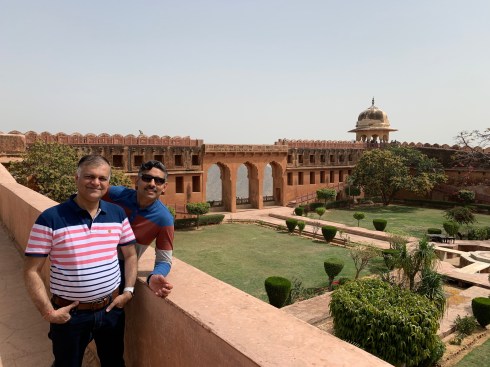
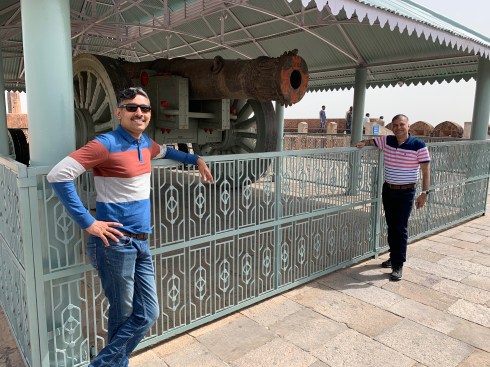
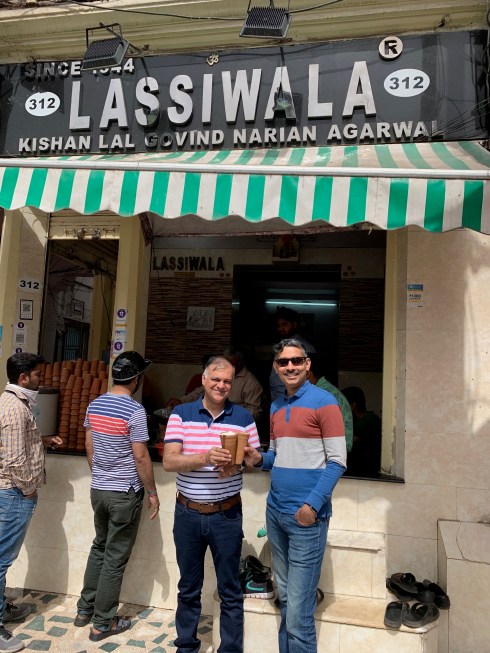
You can get an excellent view of Amer Fort from Jaigarh. After the two Forts we had plans to head to the village of Abhaneri which was home to one of the grandest, deepest step-wells in the country. Abhaneri is ~ 100 Km from Jaipur and a 90 minute drive on the highway. The walk in the Forts had made us thirsty and it was almost 11 AM. Before heading to Abhaneri we stopped by at Lassiwala – the famous lassi joint of Jaipur. Lassiwala is located at 312 MI Road, Jayanti Market, New Colony. Dont miss this – the Lassis is delicious and filling and served in large Kulhads.
The highway drive to Abhaneri got us out of the city to rural Rajasthan. Summer was on the anvil so the fields were still green – we were in Dausa the territory of Sachin Pilot. Roads were good (too many toll gates) and we passed by a small town that specialises in stone carvings before reaching the small village of Abhaneri.

Chand Baori is a step well that is over 1000 years old. It is one of the largest and oldest step wells in the world extending almost 100 feet deep. The baori has precise geometrical patterns and the steps form a maze and the play of light gives it a captivating look.  This place has been used as a filming location for a number of films including Paheli, Bhool Bhulaiya & The Fall. Next to the well is an ancient temple in ruins.
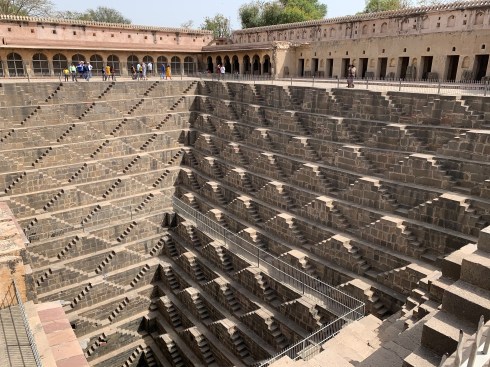
On the way back we stopped at Umaid Lake Palace for lunch – a very nice resort on the highway about 30 min from the step well on the way back to Jaipur. We were the only folks at lunch. Food was fresh and tasty – it was almost 2.30 PM and we were hungry. The trip was fun and a nice getaway from the city – but the step well was a bit disappointing. One of those things which looks and reads better on the Internet.

We reached Jaipur at 5 PM , just in time for me to freshen up and meet my college buddy – an IAS Officer who has now become the Commissioner of Jaipur Development Authority. I congratulated him on the wonderful upkeep of the city and we caught up on old times and old friends dating back to 1988 – 92. My friends picked me up from the JDA office which is just opposite the beautiful Birla Mandir. It was already 6.45 and the entry hours were over so we could just see the temple from outside. As we headed to the markets we stopped by at LMB for some Pyaj Kachodi and Chai and then walked by Hawa Mahal. Most tourists would do that but we had plans to come back and visit Hawa Mahal from the inside the next day.  At the Markets my friend bought bangles (Remember to carry sample bangles for size). After shopping for colourful knick knacks we headed out for dinner.

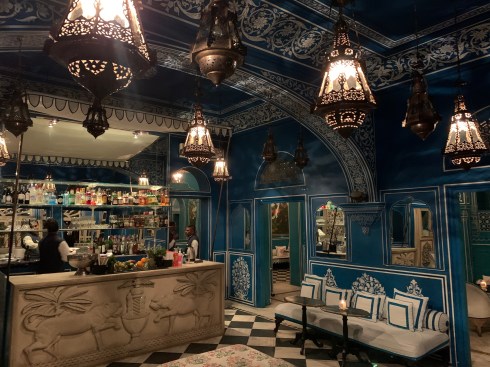
We had had enough of local cuisine and decided to try out a place called Cafe & Bar Palladio – a highly rated Italian restaurant that is frequented mostly by foreigners. Its located at Narain Niwas palace and is part of a 3 restaurant complex. The ambience is nice, the interiors are done up in my favourite color Blue, food and drinks are reasonably priced but the taste of food was OK. We ended the day by 11 PM and reached our Haveli tired for a good nights sleep.
The last day – Day 3 

We had covered a lot in the last 1 1/2 days. But we still had the most prominent landscapes of Jaipur – Hawa Mahal & Amer Fort to be covered.

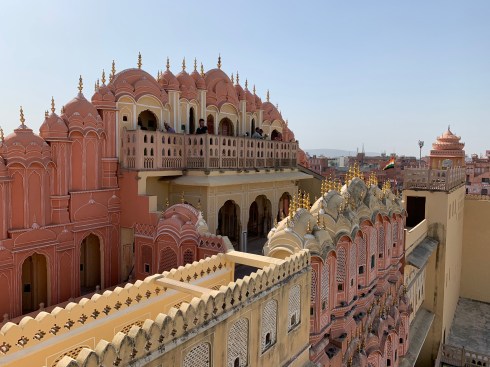
Hawa Mahal  is a palace made with red and pink sandstone. The palace sits on the edge of the City Palace, Jaipur, and extends to the Zenana, or women’s chambers. The structure is relatively new – built in 1799 by Maharaja Sawai Pratap Singh, the grandson of Maharaja Sawai Jai Singh, who was the founder of Jaipur. Its unique five floors exterior is akin to the honeycomb of a beehive with its 953 small windows called Jharokhas decorated with intricate latticework. The original intent of the lattice design was to allow royal ladies to observe everyday life and festivals celebrated in the street below without being seen, since they had to obey the strict rules of “purdah”, which forbade them from appearing in public without face coverings. This architectural feature also allowed cool air from the Venturi effect to pass through, thus making the whole area more pleasant during the high temperatures in summer. Many people see the Hawa Mahal from the street view and think it is the front of the palace, but in reality it is the back of that structure. Most people just walk by – but do buy a ticket and venture inside. Its a fascinating piece of architecture.
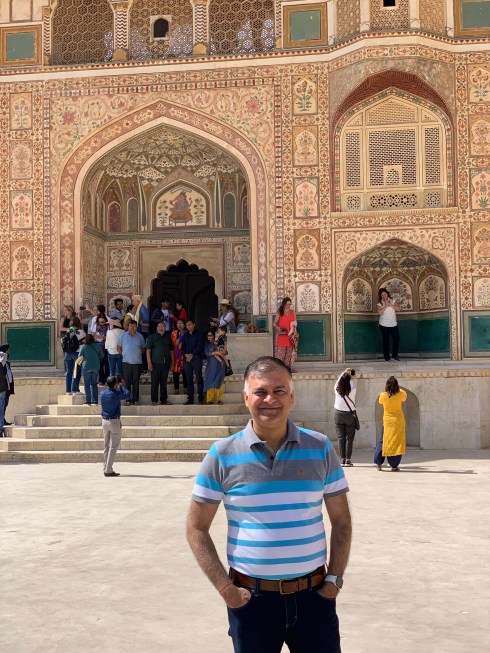
Our next stop was Amer Fort. It is the principal tourist attraction in Jaipur. Amer Fort is known for its artistic style elements. With its large ramparts and series of gates and cobbled paths, the fort overlooks Maota Lake, which is the main source of water for the Amer Palace. We had visited Amer Fort in 2012 as part of the Palace on Wheels Tour and I recollect we had seen areas which are not accessed to normal tourists. The fort is large and could take 2 – 3 hrs to cover, but we were faster.
On our way to the hotel to check out by 12 Noon we picked up Ghewar from LMB (A traditional Rajasthani sweet) and then had lunch at Arya Niwas. This is a nice hotel that provides clean rooms and homely tasty food. We had a simple meal of Phulka, Dal, Dry Sabji (No Gravy), Curd Rice and Kheer.

Post lunch we drove past the Vidhan Soudha, Cricket Stadium, Rambag Palace Hotel (Managed by Taj) and stopped by  at WTP or World Trade Park. A large complex that is beautifully designed across multiple towers. I would rate this as one of the nicest malls in India. From here I rushed out to meet another classmate – who heads the Bharat Broadband Org for Rajasthan and then we headed to the airport at 630 PM in time for the 745 PM flight. Jaipur airport is nice – they even have TT tables and Chess Boards to keep you entertained.

We did cover a lot –  we wanted to visit Tapri, a popular tea joint but did not have the time. We had plans to visit the Galtaji Temple – but I believe the surroundings are not very clean. Sisodia Garden is a nice place to hang out in the evening and if we had an extra night maybe we would have headed to Saltwater Sambhar Lake (70 Km from Jaipur). Another place worth visiting would have been the Anokhi Museum of Hand Printing (AMHP). Located in a magnificently restored haveli, the museum displays a varied selection of block printed textiles alongside images, tools and related objects – all chosen to provide an in-depth look into the complexity of this ancient tradition. And of course we stayed away from Surana Jewellers famous for its uncut diamonds and semi precious Gem stones. Most first time visitors would also plan an evening at Chokhi Dhani, a well-known tourist attraction in Jaipur. The aim of the resort is to give tourists a full experience of Rajasthani culture. The entire resort’s theme is inspired by a village setting, with many cultural activities held here.

Jaipur is a fascinating city – most metros have direct flights so that makes it easier. Plan a 2 – 3 day trip and you can cover the city in detail. it really helps if you have a local from Delhi / N India who can help you navigate the city. Oct – to early March is the best time to travel.

In conclusion a trip that was threatened by the Corona outburst did end up perfect. Even that last day storm at Delhi did not disrupt our flights. Thanks to Corona – the city / flights / eateries were empty. The weather was nice – and I would give credit to all of this to my two good friends whose +ve energy makes these holidays a grand success.
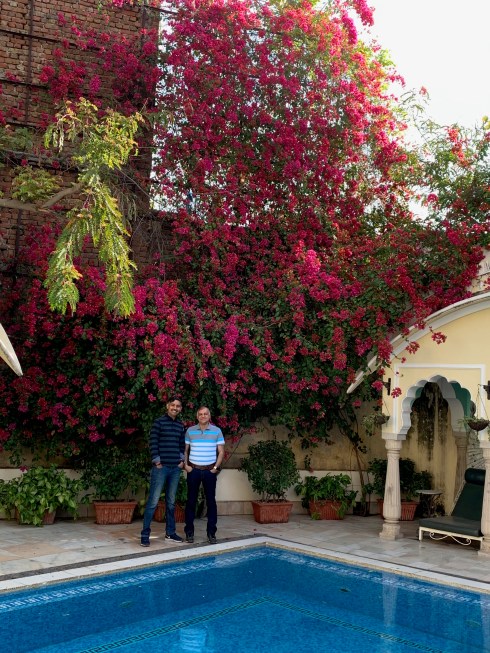
All photographs shot on our iPhones (Only Masala Chowk Photo sourced from Google Images)
2010 – 2020 : A Decade of CHANGE that whizzed by

4 Jan

A decade is a long period of time. How was the world in 2010? Many of us may have forgotten how rapidly the world has changed in the last ten years. Let’s take a look at some of the key changes and see if we are better off or worse.
Smart Phone & the App Revolution 

Remember the company called Nokia. In 2009 Nokia was the market leaders with a 46% Market Share. Smart Phones were just beginning to make an appearance – of the 1.6 B Phones sold globally in 2009 only 297M were Smart Phones. China alone sells more smart phones today and the feature phone is almost non existent.

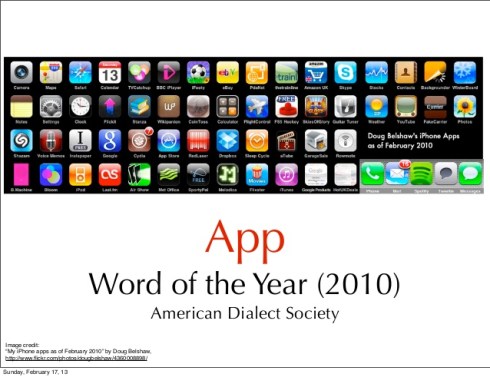
The Smart Phone explosion carried in its wave the APP revolution. probably the biggest revolution of the decade. The history of the APP probably dates back to 1994 when the 1st Smart Phone IBM’s Simon was launched with inbuilt apps like address book, calculator, calendar etc. But the APP story really took off after Steve Jobs launched the App Store in July 2008, a year after the launch of the iPhone.  In 2010 the Tech Slang “APP” was voted the ” Word Of the Year” by the American Dialect society.

This was followed by the launch of Google Play in 2012. Today App’s like Game of war , Tinder, Candy Crush … generate monthly revenues that would put hedge funds to shame. The Free lance industry opened up the doors for App Millionaires working from home. WhatsApp was founded in 2009 by Brian Acton and Jan Koum, former employees of Yahoo.  At one point, they applied for jobs at Facebook but were rejected.When Facebook announced its plans to acquire WhatsApp in February 2014, WhatsApp’s founders attached a purchase price of $16 billion. This price tag is dwarfed by the actual price Facebook paid: $21.8 billion, or $55 per user.

Looking back at our daily life many of the Apps we take for granted today did not exist in 2010. The world  of Apps has changed the way we live.  Swiggy was launched in 2014 and PayTM in 2010 as a prepaid mobile and DTH recharge platform.  In 2010 Flipkart was still a website selling books. The world of Banking , Commerce, Communication has all changed thanks to the Smart Phone and the associated Apps.

Data Explosion 

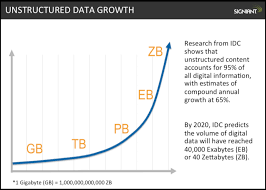
This decade also saw the explosion of unstructured data.We no longer talk in terms of Gigabytes & Terabytes but Petabytes, Exabytes and Zetabytes.

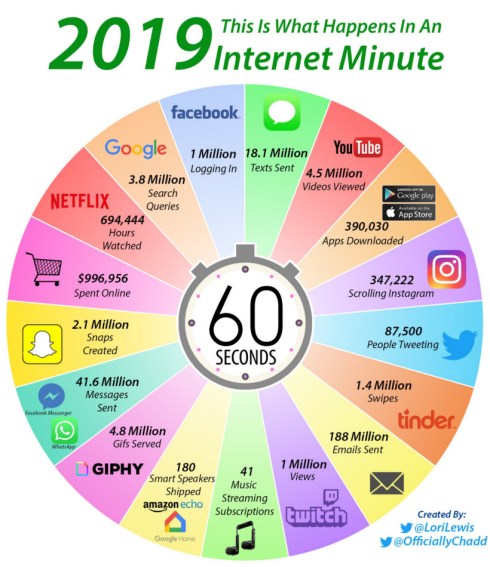
The world today adds in a few days the equivalent of data that we added in years in the past. The visual below will give you an indication of what happens in 1 minute across the Internet. the messages/ photos/ Videos that consumers generate are taking up enormous amount of data. Hence the need for massive Data centres and super high bandwidth.

The decade also saw the emergence of a new currency called Bitcoin. As the common man tries to figure out the world of Block Chain and Bitcoin its worthy to remember that on January 3rd, 2009, in the wake of a global financial crisis that accelerated the growing chasm of inequality throughout world economies, a mysterious figure named Satoshi Nakamoto launched a virtual currency named Bitcoin. 

The Rich get Richer

In 2010, the 10 richest people in the world had total wealth of $296.8 billion as compared to $822.5 billion in the end of 2019.

For context, in 2010, global wealth totaled $200 trillion as compared to $360.6 trillion in 2019, according to an October report on global wealth from financial services company Credit Suisse.

Today, wealth inequality between the world’s richest and poorest continues to grow. According to an Oxfam report published in January, the world’s wealthiest 26 individuals had the same amount of wealth as the poorest half of the population in 2018, the latest figures available. During the same period, the wealth of the world’s billionaires increased by $900 billion ($2.5 billion per day), while the wealth of the poorest half of the population (3.8 billion people) fell by 11%, the Oxfam report found.

A few changes closer home to us in India

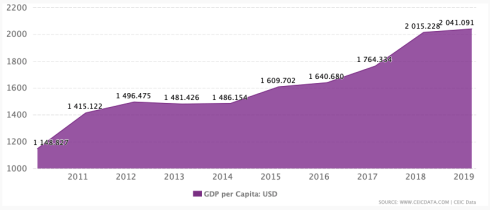
India did well in the decade that went by as our GDP grew from 1.7 Trillion to 3.2 Trillion and there is hope that we will get to 5 Trillion by 2025. While this looks impressive our neighbour China galloped ahead.

In 1987 India and China had comparable GDP’s, in 2019 China’s GDP was 4.87 Time bigger than India’s. As population growth started slowing down the per capita income of India has almost doubled. But this may be a misnomer since the top 10% income grew a lot more exponentially than that of the masses.

More Consumption 

More disposable income meant more consumption and travel. In 2010 only 51M Indian travelled by plane, that figure has almost tripled in 2019 to 150M. Indians bought less than 150,000 cars in 2010 but that figure almost doubled in 2019 – and remember 2019 was a bad year for car sales. While more cares were on the clogged city roads global crude prices came down steeply but the price of petrol for an Indian consumer was still amongst the highest in the world. Jan 2010 Petrol in New Delhi was priced at Rs 51/Litre and Dec 2019 it was priced at Rs 75.51/ Litre

Investments & Interest Rates 

Those who invested in the Sensex made handsome returns. The Sensex surged from 21000 in Nov 2010 to  an all time high of 41,000 in Dec 2019. A point to remember here inspite of the rapid fluctuations the Sensex has been growing steadily at a CAGR of 16% over the years. Its journey from 100 – 39,000 happened over 40 years.

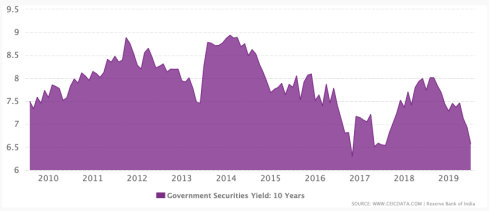
2019 saw multiple Interest rate drops and we are probably at the lowest level of Interest rates over the decade. What this means is that a retired pensioner living on his interest income has seen the interest income swing from 9% to 6.5%. While that may look like a 2.5% interest drop your income actually reduced by more than 25% 

Low interest rates is thanks to low inflation. While most Sr citizens and investors miss the 9 – 10% interest rates on their FD’s those were also years when Inflation was 7 – 8%. The 2 % spread between Inflation and Investment rates continue to be maintained so that’s a mental benchmark that people need to come to terms with.

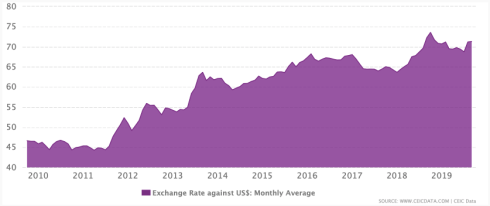
The Indian rupee fared badly between 2010 and 2014 going from 1 USD = 45 INR to 1 USD = 64INR. That pace has thankfully slowed down in the last 5 years, but Exporters want a steep devaluation of the Rupee and with rising Crude prices we may very well see a conversion of 80 soon and I wonder where it will be in 2020.

What about 2030

Well predicting the future is a challenge. Our generation has seen not just in the last 10 years but in the last 50 years a level of  peace and prosperity that is unparalleled in the history of the world. So let’s hope and pray that peace prevails and the good times continue.

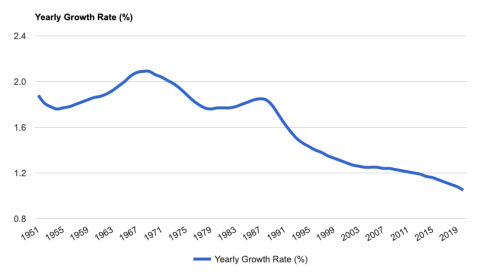
The best news is that world population is slowing down. Population in the world is currently (2020) growing at a rate of around 1.05% per year (down from 1.08% in 2019, 1.10% in 2018, and 1.12% in 2017). The current average population increase is estimated at 81 million people per year.

Secret Revealed – Where to find Bangalore’s best Chocolates

22 Oct

Everyone loves Chocolates. Almost everyone I know barring one. While day to day after meals craving can be met with Lindt, 5 Star , Dairy Milk, Toblerone and Amul Chocolates – many of those will be at the bottom of the pile in a chocolate connoisseur’s ranking.

So where do you get the best Chocolates in Bangalore? The city has a decent array of Chocolate shops. Ooty Chocolate, Chocolate Junction, Zoroy, Royce, Jus’Truf, Smoor (Earlier BLISS) and Fabelle (ITC) are the leading brands. Of them my favourites have been Smoor & Fabelle – that was till I discovered Gallianoz.

Smoor & Fabelle have taken chocolate retailing to a different level – their variety, experience and packaging is a delight. But they are very expensive – and as the brand has become popular the rates have been going higher and higher. Smoor has doubled its rates in the last 6 years. They sell Boxes based on Pieces (Not on weight) – So a small box with 10 tiny pieces can cost you 800 – 1000 Rs. That is exorbitant. And thats where Gallianoz scores.

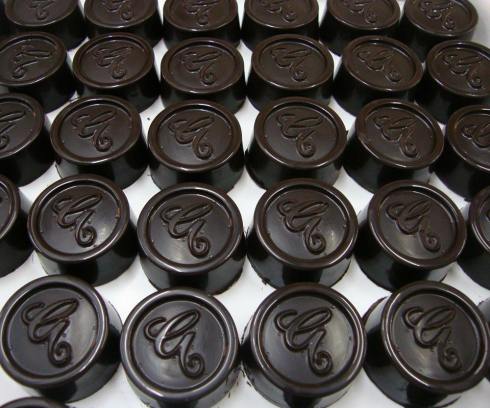
Gallianoz sells an amazing range of Tastier, Bigger Chocolates that can be customised in shape, size, flavour, packaging at a price that is almost 1/2 of what you get at Smoor or Fabelle. Yes the retail experience will not be so good since this is sold from a tiny shop tucked in the bye lanes of Rhenius Street near the Hockey stadium in Richmond Town. Good things always need to be hunted down, and Gallianoz is indeed a great secret to discover in Bangalore.

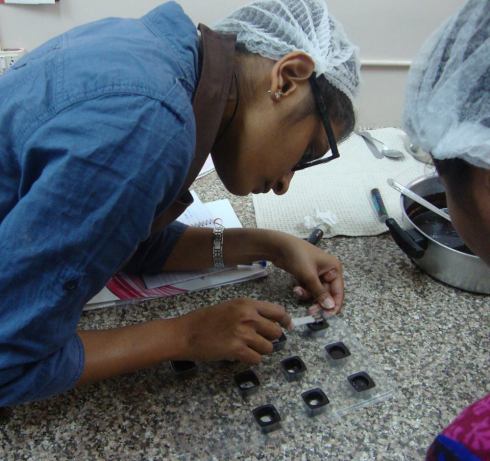
Gallianoz was started by a housewife – Zaver in 2002. Born in Mumbai and having lived in Toronto & New York she could not find good Chocolates in Bangalore. Thats when she started experimenting at home and crafted the art of becoming a master Chocolatier. Her friends loved her chocolates and spread the good news word of mouth. It has been almost 18 years and thats how she runs her business. Happy satisfied customers get her more customers.

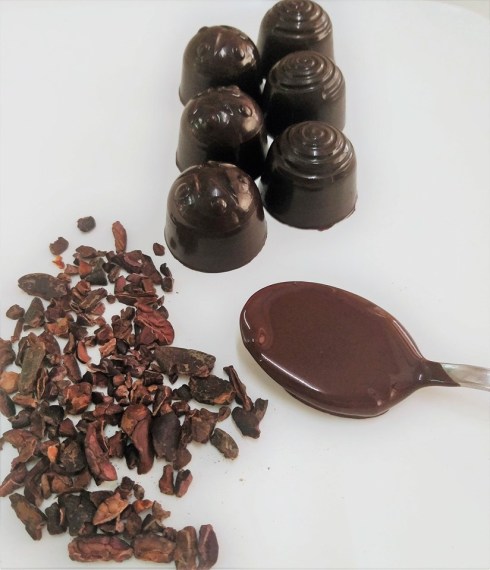
Gallianoz specialises in making Truffles. A chocolate truffle is a type of chocolate confectionery, traditionally made with a chocolate ganache centre coated in chocolate, cocoa powder or chopped toasted nuts (typically hazelnuts, almonds, or coconut). Most Truffles you get in the market are Cream Based – Gallianoz Truffles are hand made with fresh chocolate – No ready made pastes or fillings are used.

These Truffles are priced at Rs 2000 + GST / KG ( 1 KG = 44 Pieces) – Thats less than Rs 50/piece for a huge piece of Chocolate. And Fabelle will sell you Chocolates that are half the size at Rs 100/piece. The assorted Chocolates are smaller in size and are priced at Rs 1800/kg + GST (1 Kg = 80 Pieces) ~ Rs 25 / piece. And if you wonder how they manage to keep their prices so affordable – Its easy they focus on the product. Cost of retailing in a high street / mall with many employees adds up to 1/2 the cost.

In addition to their trademark Truffles (which are always in stock and stored at a controlled temperature of 14 Degrees) you can custom order a wide variety – Caramel, Coffee, Walnut, Almonds, Orange , Mint, Dates dipped in Chocolate, White Chocolates, Cardamom, Pepper Chilly ….

Every Chocolate is hand made and crafted to perfection. Its never kept in stock as the taste of Chocolates are best when eaten fresh. Gallianoz sources its Chocolate from Ghana & Ivory Coast. They also make fresh hot chocolate Drinks powder. You can mix it with milk or drink it concentrated like a rich Chocolate shot. This is rich pure chocolate and gives you a ton of energy. It comes in 3 flavours – Dark, Orange & Mint and is priced Rs 2400 / Kg.


So the next time you want to celebrate or gift chocolates head to Gallianoz. Call the friendly Zaver at +91 99455 95645. And remember – Truffles are available all the time but other products need to be pre ordered.

Address – 14/2, Rhenius Street, Richmond Town, Bangalore, India 560025 (Google Maps may not take you to the exact location)

Himalaica – Calm, Serene, Meditative luxury home stay in Kumaon

9 Oct

Kumaon in Uttarakhand is one of the few easily accessible lower Himalayas that is still fresh, green and beautiful. I hope it stays that way.

Delhi – Kathgodam Shatabdi gets you to Kathgodam by 11.30 AM and in less than 60 mins you are in the beautiful hills with dense forests. Driving is a long way  8 – 9 hrs. I love this region and am always on the lookout for offbeat home-stays.

It was by chance that I read about Himalaica in a National Geography article and instantly fell in love with the place. I normally plan my trip 6 months in advance – but this time everything fell in place in less than 10 days. Rooms, Shatabdi tickets on exactly the dates we wanted, free nights at Delhi Hyatt and air tickets that were not very cheap. Everything went like clockwork precision – Weather was excellent, Flights were on time, the Hyatt Regency & Andaz extended great hospitality and dinner with the Marwah’s –  the nicest people you can meet in NCR made the whole trip perfect.

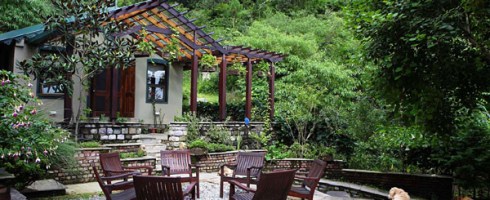
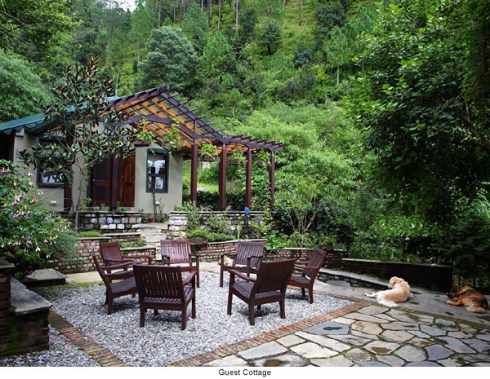
Himalaica is the home of Uttam & Shalini Dave. They built this home with a lot of love over 3 long years. Its a green oasis on 1 1/2 acres of hillside at Bhowali (1 hr from Kathgodam and 30 min from Nainital). A lot of thought has gone into the design, the plants, the curios, the beautiful dogs  and everything that makes this a special and warm place. I can never imagine owning a place like this and staying her for 4 days was like a dream come true.

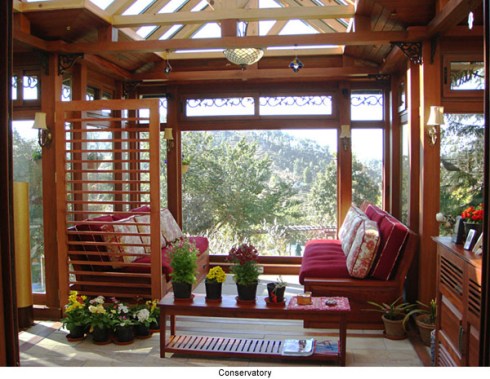
The main building has 4 rooms and the adjoining cottage 2. It would be ideal to come as an extended group and book the full place. The highlight of Himalaica is the conservatory – a glass house that overlooks the garden. The photo shows you a part of it. There are 3 sections here- one with two comfy chairs and the other with a small breakfast table. The conservatory is packed with rare plants and curios. Shalini clearly loves owls – we must have seen at least 50 different statues and figures of owls in the conservatory.

The Ground floor houses the kitchen, dining room, a sitting room with a cozy fireplace and a TV room stocked with a great collection of DVD’s. There are  4 rooms are in the 1st floor – a study, a 2 bedroom unit and a single bedroom. Leading from the kitchen in the rear is the cottage with two rooms. The cottage rooms are smaller but offer more privacy. The front of the building has a nice garden and when you sit there with a book you can hear a wide variety of birds and bees and the gurgling sound of a hidden stream that runs adjacent to Himalaica.

The staff are warm and friendly and The chef  serves you tasty homely food. A wide variety from North Indian, Kumaoni to even french fries & pasta. Both veg & non veg. We loved the food especially the Kumaoni dinner that he made for us – Ram Karela, Bhatke Dubke, Lauki with Dahi, Kumaoni Raita, Cabbage Sabji  from the Cabbages we plucked in the fields in the morning.

They also have 3 adorable dogs – Cyber, Raja & Llama. I overcame my fear of dogs a few years back thanks to Caesar & Sparky, but these dogs were so adorable that my wife and daughter who are normally scared of dogs fell in love with them instantly and were very comfortable.

With a fairytale house like this you may not want to step out – but if you do here are a few options to explore

  1. A short 3 hr trek to Jhandidhar from where on a clear day you can see the snow capped mountains of Uttarakhand. The peak also has a small Shiva temple and a Sadhu in a hut with his Dhuni
  2. A drive to Padampuri – 20 Km from Himalica , where on the banks of the Khalsa river is the ashram of Somvar Baba – 3 Hr trip. The Khalsa is one of the few himalayan rivers that flows North.
  3. A trip to Nainital for boating & lunch / dinner – 3 Hrs
  4. A day trip to Jageshwar and stop by at Kainchi Dham (Neem Karoli Baba) and a few other Ashrams / Temples
  5. A British cemetery that is considered spooky by many

Weather at Himalaica 

At 6500 feet – it was cold in Oct. We were lucky as the rains had stopped on the day we reached so everything was lush green. In early Oct the morning and evenings were 11 – 12 Degrees. In Dec – Jan they can get to Zero or below. Rarely snows here. Oct, Nov, Dec and April would be the best time to visit.

Getting to Himalaica 

Its a 1 hr drive from Kathgodam , its better to get down at Haldwani as Shatabdi takes almost 30 min to travel this 5 Km distance. Madhusudan is my regular driver – a friendly young man full of positive energy who is both a driver and guide. You can contact him at +91 9756930090. His rates are very reasonable.

How to contact Himalaica 

Suggestions to the Host 

Room rates are reasonable for such a splendid property. Should explore including breakfast  in the room rate and make Lunch / Dinner more affordable. Currently a family of 3 over Breakfast / Lunch / Dinner will spend 9K on food @ Rs 1000/- meal. Thats expensive. A more reasonable rate would be Rs 500 for Veg and Rs 750 for Non Veg.

Thats Llama & Cyber. They are great buddies. Raja is slightly older and is a loner. 


Healthy Carrots – History & Trivia

8 Sep

Here is some interesting Trivia on Carrots. Our parents always told us to eat Carrots for healthy eyes and good skin. And we always knew that rabbits loved carrots. But there is a lot more to the story of this amazing vegetable.

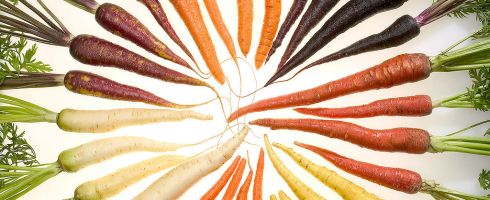
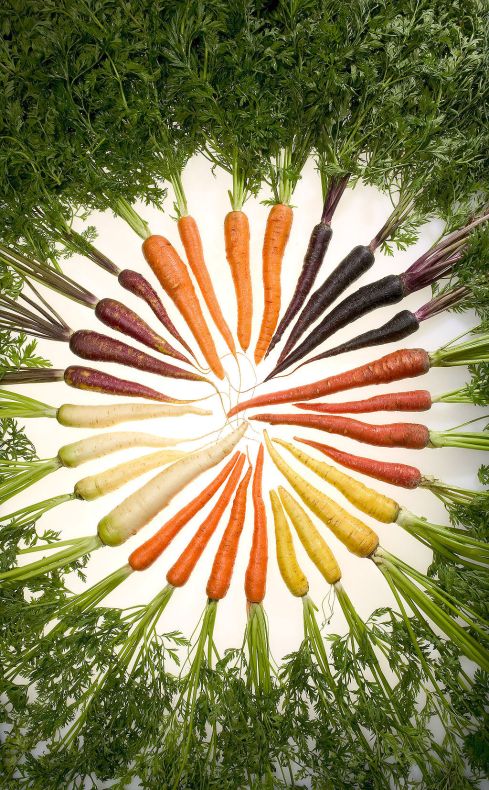
  • While the carrot is known as a bright orange root crop (Or Red during Winter) the original carrots domesticated in Central Asia  around 900 CE were purple and yellow. It was only around 1500 AD that Orange carrots were cultivated in Netherlands.

  • In the late 16th century Dutch Farmers took mutant strains of the purple carrot and gradually developed them into the sweet, plump, orange variety we have today. Some think that the reason the orange carrot became so popular in the Netherlands was in tribute to the emblem of the House of Orange and the struggle for Dutch independence.
  • Afghanistan & Persia is probably were Carrots were first cultivated, but today China is the largest producer of Carrots in the world with an annual production of ~ 18Million tonnes.
  • When they were first cultivated, carrots were grown for their aromatic leaves and seeds rather than their roots.
  • Some close relatives of the carrot are still grown for their leaves and seeds, such as parsley, cilantro, coriander, fennel, anise, dill and cumin.
  • Of all known vegetables except for beet, carrots are known to have highest naturally occurring sugar content. So, beet take number 1 position while carrots take 2nd position in terms of sweet vegetables. No wonder carrots make a wonderful snack even when eaten raw.
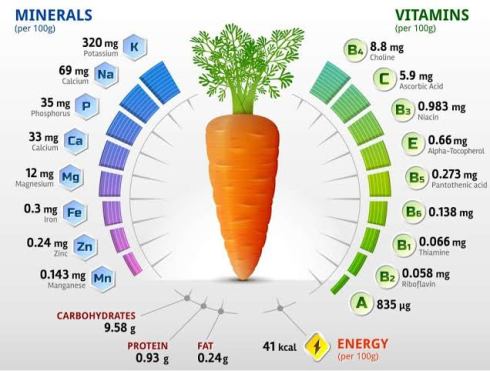
  • Did you know that carrots are far more nutritious when they are cooked and eaten rather than being eaten raw? This is exactly opposite of every known vegetable in world. The reason for this is the cell walls of carrots are very tough and it is very difficult to digest the cell walls. When cooked, these cell walls break and release the nutrients, making cooked carrot far more nutritious.
  • If you are traveling to places where food is scanty, make sure you carry carrots with you. A single carrot can give you enough energy to walk 1 mile

Joy & Anxiety of joining a US College (UCLA) – Our Experience

8 Aug

A few months back I had written a detailed Blog on how to go about getting an admission for an undergraduate degree in US (https://vak1969.wordpress.com/2018/12/16/undergrad-in-us-simple-tips-to-get-you-started/). 

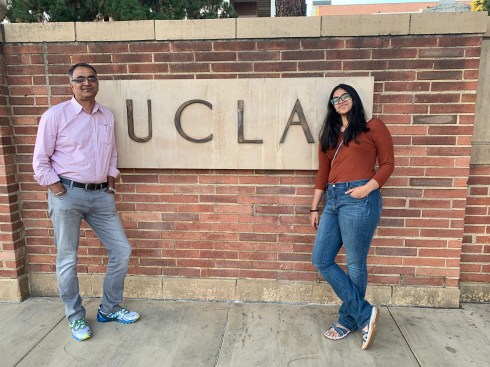
This Blog is a continuation on US College admissions and shares our experience and learnings on joining college for an undergrad degree. I just came back after settling my daughter at UCLA for her College Summer Session (CSI). Which brought to a logical beginning a 2 year project. While this may have specific information on UCLA many of the points can help the 15,000 students from India heading to US for their undergrad.

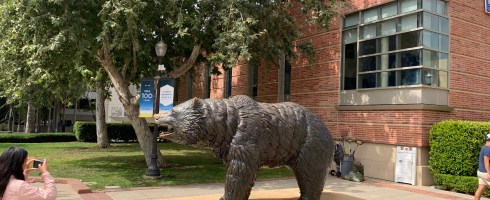
I have studied in an REC and visited most IIT’s & IIM’s in India. But what I experienced in UCLA was unique. It’s massive, majestic and meticulously designed. My nephew who lives in LA defined it aptly when he said UCLA is like a theme park and probably has the best campus life across all US colleges.

And like Disney Land it does attract people in thousands. For Fall 2019 UCLA attracted over 110,000 applications (The largest across US) of which about 7% were selected. 14 Nobel laureates, over 261 Olympic Medals, 3800 Courses – 125+majors & 90+ minors, 12 Libraries, 9M Books, annual research budget of 1Bn, 4 museums, a sculpture & botanical garden and the best food across all US Colleges  – All of this and more is what makes UCLA the #1 Public University in California. Add to this its blessed with excellent Souther California weather, located in West LA it rubs shoulders with Beverly Hills & Hollywood and has close proximity to LAX airport making it one of the most after colleges in the US.

Getting into UCLA is not easy but the focus of this blog is to help students from India who have gained admission to plan their homecoming.

Check out Summer School  

UCLA follows a Trimester system. 2019 Fall Session starts from Sep 26th and students start arriving by Sep 19th. However well you manage it when 9000 students land up in a week there is bound to be chaos. Thats why it helps to join up for CSI (College Summer Institute). CSI helps you settle down faster and also acquire additional credits. You are 18, staying alone for the first time. You got to figure out the system in campus where everything is DIY, adjust with your room mates and the food and start studying. College in US is tough. All of this takes a toll and most students struggle in their first term exams. CSI in UCLA is a 7 week paid program that starts by end July and ends Aug 13th, it attracts about 200 students. This 7 week period helps you settle down, complete 3 subjects ( additional credits) and takes. a lot of load of your back before the normal term starts. It also gives you time to meet professors, and get a thorough understanding of the resources in campus

Planning your Travel

Flight tickets to US are expensive. There are very few periods when you can get a round ticket for $ 1000. Most of the year fares vary from $1250 – $2500. So book tickets in advance. More than tickets book your Air BnB well in advance. If you are attending the regular start session – then thousands of families are going to land up hunting for rooms and rental cars close to campus, so book well in advance. Please note that UCLA has its own Guest House and you can stay there – http://guesthouse.ucla.edu

How much baggage do airlines allow

In the past you could carry two bags of any size / any weight. That has been curtailed. Most airlines now allow two bags with weight of each not to exceed 23 Kgs. So if you have bag one at 27 Kgs and bag 2 at 18 Kgs that is NOT OK. So pack accordingly. Invest in a simple suitcase weighing machine – you can get them at Amazon for about Rs 500. There is also a size limit on bags – Length + Weight + Height should not exceed 158 Cms. (These limits could vary by airline so check the airline website while booking).

What to carry

Indian’s carry too much luggage. The rooms in UCLA are triple sharing so there is limited place. Your clothes, a few pairs of shoes, essential medicines are a must carry. Plan clothes in a manner that they last you 7 – 10 days , that’s the frequency with which you will be washing them. Other items like towels, bedsheets, hangers, plastic boxes, shower robe etc can  be purchased from stores near the campus. Don’t forget to buy a shower caddy and Tide pods from the local store. A Plastic pouch can be of help as you may carry your access card & phone to the bathroom.  If you are travelling early you can get a laptop from US (Its cheaper) else buy it here and get a charger locally.  The Mac is designed for 110 – 220 V so there will be no issue plugging it in with a local charger. Write your name on the Mac, cables with a permanent marker or stick some stickers on them. Laptops are the most commonly lost items in campus.  You can carry stationery – Notebooks, pens, staplers, highlighters  etc they are very expensive in campus. The weather is pleasant all year around so you don’t need too much of winter wear – a jacket, few light sweaters and a fleece is probably all you need.

Carrying Food

Fortunately the food in UCLA is excellent. Lots of variety for vegetarians also. So if you have a good Meal plan you will be comfortable. Most Indians tend to carry Maggi, Instant MTR etc – yes this can be cooked on a microwave or kettle that is available in the common area. You cannot use kettle or hot plate in the room without persmission. Some dorm rooms are designed like a suite with two rooms having a common sit out, UCLA rents refrigerators and Microwaves the cost of which can be shared by the room mates.

Your Suitcase

You have limited storage place in your room and if every student brings 2 Suitcases + 1 Stroller there will be no place in the room. So buy a set of 3 suitcases that can go inside each other. That way you use the stroller for local travel, the medium sized one for India travel and the large one is rarely used. Use suitcases with number locks so that you don’t lose the keys. These suitcases are also where you will lock and keep your passport, original certificates, cash etc. Each person gets a bed, a wardrobe and a table. The chest of drawers is shared.

Do you need to carry your original certificates

We did carry them but they were not needed.  Make a set of copies and get them attested at a local BDA complex. Before your admission most of your grades / mark sheets etc would have been uploaded on the portal. That should suffice. If you have close relatives in and around LA you can leave the originals with them for a few terms.

Immunisation

There are mandatory requirements for immunisation. Get them done in India before travelling and upload the details on the UCLA website. the deadline for this is Oct 1st. TB testing may have to be done in campus.

When should one plan to reach 

If your joining date is 19th please don’t reach on 18th. Travel  3- 4 days earlier, try and get out of the Jet Lag before college starts. Adjust to the surroundings. Rent a car and travel around the neighbourhood. You can rent cars using a Indian driving license. Without a car it is difficult to manage.

About Orientation 

There are multiple Orientation sessions that run before the opening of session. It is a must attend. For joining students its a 3 day session. Parents attend a 1 day session on Day 3. . Students are formed into smaller group and a Student Advisor mentors them through the 3 day program. Registration is a must for this session – Parents need to pay for their 1 day session.

How do you get a SIM card & Open a Bank account 

Get a good plan with a local carrier. We were able to leverage my sisters family plan. So we got an unlimited Talk/Data plan for $ 30 (Something that is normally $70). We reached early and went to a Wells Fargo bank and opened an account – but I am sure there will be Banks in campus that can help students with account opening. They normally give you a temporary debit card on the spot. You may also want to carry a Forex card from India and keep topping it with currency from India. In Campus cash is hardly used – but do get your child some quarters & 1 $ bills – this will help them in local travel. The Bruin Card which is used to access most of the resources in campus also doubles up as a debit card and you can add money to it. The Bruin card is accepted across all campus facilities and even in some stores in the neighbourhood.

How to get an ID

If you have an Indian DL that helps. You may not want to carry your passport everywhere. There is an option of  getting a California Resident card from the local DMV (Department of Motor Vechiles)

Tips for Meal Plan 

The Hill is the place where you have the Dorms and the Dining places. The distance from here to the class room is a good 20 – 30 min walk. On most days you may not be able to come back for lunch. So plan your meal plan to include 14 meal swipes with a rollover facility . Opting for a meal plan with 3 plans may be an overkill.

Buying Books

Buying books can be expensive. Most students depend on PDF versions. You can also borrow books from the Library and keep it with you for 3 months.

Carrying your Bruin Card / Access card for Room etc 

This is your lifeline – so be careful with them. Most students put them in a small push and stock them to the back of their cell phones. But then this carries the risk of losing everything. Another option is to have a Lanyard

Travel in Campus 

The campus is designed like a bowl. The residential quarter are at one end at a elevation – hence this is called the HILL. This also houses the administrative office for students like Housing , International students offices, New Student Orientation offices etc. As you walk along the Bruin walk you walk past the stadium , tennis courts, indoor stadium, etc and reach the central area which houses the Health Centre, UCLA Store, Restaurants, Student Activity Centre, Book Store etc. Further ahead are the class rooms and libraries. Each day you will end up walking 3 – 4 miles. But given the landscape it’s difficult to ride a bike. Also Bikes and Laptops are the most frequently stolen items. We did see a lot of students zipping past on scooters – but that did not seem safe. (Download the UCLA Campus Map from here http://map.ucla.edu/downloads/pdf/UCLA_Campus_Colored_Map.pdf)

Registering for your 1st Trimester Course

During orientation your student guide will hep you register for your 1st trimester courses. Once you register you can see the dates of the exams. The term ends on Dec 13th – but your last exam may end on Dec 12th – this will help you plan your tickets back home. The second Trimester starts on Jan 6th and you can be back in campus any time between Jan 2nd and 6th. Trimesters are 10 weeks – they are short and fast so before you can realise the mid terms hit you. In addition to attending all classes Sr students recommended a 2 – 3 hr of individual / group study every day to ensure decent grades.

Additional Requirement for International Students 

International students need to complete a course on American History and one on Foreign Language. We checked back on the foreign language issue – there is an option to visit the school of  Asian Languages & Cultures Dept and request for an exempt. They may ask you to take a qualifying test in Hindi to assess your abilities. If you pass that then you can exempt yourself from the course.

Plan your travel 

You can view the entire years schedule before joining. This helps you to plan tickets in advance both for travel to India and during long weekends like Thanksgiving . https://www.registrar.ucla.edu/Calendars/Annual-Academic-Calendar#77070292-2019-20

Other Useful Points 

  • UCLA is a smoke free / Drug Free campus. That should be good news for parents
  • UBER & LYFT come inside the campus and will drop you close to the Dorm. If you are driving a rental car figure out the parking lot that is closest to the place you want to go. There are multiple parking lots. So if your email says SV Parking Lot 3 that means Sunset Village Parking lot 3 – if you type in Google Maps SV parking Lot 3 it takes you to a different place.
  • The campus has its own Guest House – you can boom rooms there. http://guesthouse.ucla.edu

There is Joy & Anxiety as you complete the admission process and leave your child. The process is a bit like a marriage. Its long drawn – almost 2 years, you go thru a rigorous selection process to identify the best college, you plan your travel, spend weeks shopping ( like a trousseau ) and finally the “Bidai” happens. And then you leave it to Goddess Saraswati to take care of your child and let her flourish in the new environment. Children are super smart and adaptable. Every plant that is uprooted takes a few days to settle in a new garden but they do settle in and develop deep roots in a few weeks and months.

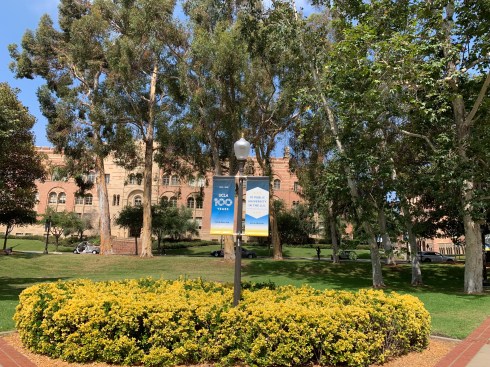
2019 is a great year to join – its the 100th year of UCLA and that makes it even more cherish able.