Kerala “God’s own country”, the land created by Parasurama – home to ancient revered temples, the land where Goddess Bhagavathi is worshipped in every village – is also the hallowed land where the great vedantin Adi Shankara was born.
While most assume his birth place was Kalady, his mother Aryamba’s family home (Mana) was Veliyanad. Children are born in the maternal home – especially in those days. There is strong evidence that Adi Shankara was born and spent many of his early years in Melpazhur Mana his ancestral maternal home. Kaladi was his paternal home next to the Periyar river where he went for his gurukul studies, this is also the place where the crocodile is said to have caught his leg.
Both the places where in bad shape with no support / attention from the Government. Kaladi is now maintained by the Sringeri Mutt, while Swami Chinmayananda has established a wonderful ashram at Adi Shankara’s maternal home. Renamed Adi Shankara Nilayam the abode of Chinmaya International Foundation (CIF) they have carefully restored the ancient Mana and the family temples. An energised oasis of greenery and tranquility the ashram at Veliyanad is a place worth visiting for spiritual aspirants. Not only is it treasured as the birth place and maternal home of Adi Shankara – but is also a centre for Sanskrit and Indic research.
Where is it located – how to reach
About 30 km from Ernakulam, the closest station is Piravam Road. A 20 min auto ride from here takes you to CIF . Kaladi is ~ 50 km from here. There are convenient overnight trains from Bangalore. Located in a small hamlet, Veliyanad, in Ernakulam District, Kerala, India, CIF stands in a 11 acre plot of land amidst luxuriant sun-blessed greenery, temple shrines and lotus ponds. It offers an ambience of peace and solitude for study, research and contemplation to aspirants from all over the world.
How do I book a room
Send a mail to anil.pillai@chinfo.org stating your interest and why you want to visit. AC rooms are 1500 / person inclusive of breakfast / lunch / dinner / tea.
What is CIF
Chinmaya International Foundation (CIF), the Academia of Sanskrit Research and Indic Studies, is the research wing of the Chinmaya Mission Worldwide. It is a centre of excellence for the study, research and dissemination of knowledge in the areas of Indian philosophy, culture, art and science.
Established in the year 1989, CIF is housed in Adi Sankara Nilayam, the hallowed maternal birth home of the great saint, savant and philosopher Sri Adi Sankara.
What is the Melpazhur Mana / Adi Shankara Nilayam
‘Melpazhur Mana’ is a Nambutiri Illom or Mana (home of a Kerala Brahmin). This sacred dwelling is the ancestral, maternal home and birthplace of Adi Sankara. Local tradition has it that Adi Sankara’s vidyarambha and upanayana ceremonies were performed at Melpazhur Mana. Today, this place of pilgrimage is named ‘Adi Sankara Nilayam’.
Set in Kerala’s lush, green country, amidst temple shrines and lotus and lily ponds, Melpazhur Mana offers a spiritual ambience that attracts aspirants who come in search of peace and solitude from the world over. Within the Mana stands the awe-inspiring quiet grandeur of the nalukettu (a building which has a four-winged architectural design) on an extensive compound of 11 acres.
This age-old Nambutiri house highlights Kerala’s sacred and graceful traditions of yore. Its structural strength and design exquisitely blend utility and art, wood and granite, work and worship. The Mana — now a four-winged structure (nalukettu) — was originally an eight-winged structure (ettukettu). The outer four wings were dismantled. The now downsized Mana still exudes the spiritual glory and affluence of old, in its serene character and architectural design.
The northern wing hosts the room ‘Thevarappura’, wherein the daily agnihotra, havans (fire rituals) and other forms of ritualistic worship were conducted. The western wing has an underground cellar ‘Nilavara’, as well as specially designed rooms where the household could store grains, temple ornaments and utensils. The southern extension features the ‘thekkini’, where large family gatherings feasted on special occasions. And finally, in the eastern section, close to the traditional kitchen and well, is the sacred room where Adi Sankara was born.
The walls of the Mana are adorned with Kerala Murals that depict his life events.
In order to enhance the feeling in seekers and help them reach into their own divinity, an idol of Adi Sankara vigraha, was installed in 2015. Meditating in this room is most fulfilling and effortless. Truly, Sri Sankara is felt here in the light of the ever-lit akhanda jyoti and the regular chants and prayers that fill this room. An Arti is conducted every morning at 8 AM.
Temples in the Mana
Melpazhur Mana houses ancient temples from an era gone by, temples ostensibly worshipped by Sri Sankara and his mother. We have on these premises the ancient shrines of Ayyappa, Rama, Krishna, Ganesha, Vettakkoruvan (Kirata Siva, the family deity of Melpazhur Mana), and Goddesses Nagayakshi and Bhagavati. The pond adjacent to the temple compound adds immense beauty to the serene surroundings and artistic structures.
The Ayyappa temple is supposed to be a Swayambu. Temple shrine opens at 5.30 AM – if you visit at 5.45 AM you can see the Abhishekam. Evening the temples open at 5.30 PM – Aarti is around 6.30 PM (please double check on timings once you reach). The temple
They have a well stocked library and there are research scholars working on ancient palm leaf manuscripts decoding them and restoring them. The book shop is also a must visit with an excellent collection of books. There is a small hall where they conduct talks / workshops.
The lunch room serves excellent sattvic food. Breakfast is at 8 AM, Lunch at 1 and dinner at 8 PM. Before each meal the residents chant Chapter 15 of the Bhagavad Gita – so wait before you start eating.
How much time should I plan here
We spent a day – reached at 8.30 AM just in time for breakfast and left at 9.30 AM the next day. This was perfect to have a relaxed trip through the campus.
CIF conducts many programs on Indic / Sanskrit topics. These are multi day events if you decide to enroll and attend. Visit their website for more details.
How is the weather
Nov to Jan is the best time to travel – rest of the year can get hot.
What else can I visit
Kerala is studded with ancient temples. It is indeed a contradiction that this great land of the Gods is now under the Communists.
Kaladi is near the Cochin Airport. That is also worth a visit.
If temples are your interest there are many options. Chootinakara Bhagavathi temple is only 15 km away
You can also drive to Trichur / Guruvayur and visit the the temples there, Trichur is a 100 km 2 1/2 hr drive from CIF
Kodangallur Bhagavathi temple is not far from Trichur – 1 hrs drive. The Koodalmanikyam temple in Irinjalakuda is the only temple dedicated to Bharata. This is close to Kodongollur.
In God’s Own Country a unique dish has been perfected over the centuries as offering to the Gods. The Aravana also called as Nei Payasam is traditionally made in Bhagavati or Devi temples as ritual offering. Aravana Payasam is to Sabarimala Ayyappa what Laddoo is to Tirupathi Balaji. The rich sweet is made with raw rice, jaggery and ghee. There are different variants across regions / families / temples – but they are all time consuming and need skill and passion to execute perfectly. The unique aspect of this sweet is its long shelf life – and that’s probably why it is used in Sabarimala since the trek back in the past was arduous and long – and the Prasadam to be carried to the family had to last.
Families have passed on the tradition from generations – father to son. In the current generation there is a threat of this skill being lost. As fast food & automation replace passion and hard work there are very few who can follow the original recipe to perfection. Given the millions of cans that need to be made at the large temples automation has taken over and the authentic taste is lost.
Aravana production in progress at the mechanised Aravana plant at Sabarimala Sannidhanam.
The Chirayathumadom family from Nadavarambu (Village in Irinjalakuda near Trichur) belongs to the Palghat Iyer clan. Known for their unique culinary skills, the secret family recipe of the Aravana Payasam they used to make as offering to their family deity Puthucode Bhagavati – is still kept alive by a few. Prominent among them is my cousin master chef Venkat who has perfected it over the years. We had the privilege of Venkat coming home and demonstrating how to make it. The recipe is precious – treasure it, try it and use it at your next family get-together
Here is the original recipe passed on over generations
ARAVANA PAYASAM (NEI PAYASAM) RECIPE
Time to cook 1 1/2 – 2 Hrs, 25 medium sized servings
1. Ingredients – 2 kg broken Jaggery (dark brown, not salty), 350-400 gms uncooked rice (Govind Bhog / small grains), 350-400ml of Ghee, one large cup each of of Coconut chips – rectangular 5 mm by 2 mm with copra on one side, Raisins and split Cashew ; a small cup of ground Cardamom.
2. Equipment – Traditional Uruli or any thick bottomed deep and wide pan for making Payasam, another thick bottomed vessel to melt the Jaggery pieces in some water overheat, a vessel to pour the melted jaggery, one Aapai (deep ladle), one long wooden / metal spatula with rectangular shape (longer the better but should be at least 2 ft long), a small vessel to fry coconuts and cashew in ghee.
3. Wash the rice couple of times and strain to remove any impurities. Add 2 cups of water to Uruli and let the water come to boil. Add the rice to the boiling water and stir for about half an hour till rice is cooked. Keep adding some hot water occasionally as and when required till rice is 80% cooked. Keep gas in medium flame on large burner. Ensure the rice is not burnt, overcooked or raw.
4. As the rice is cooking in Uruli, parallelly melt the jaggery in the second thick bottomed vessel with some water by heating it. Pour the melted jaggery slowly into third vessel ensuring any sediments, grit, dust etc. do not flow into the third vessel with the jaggery. Important to note that the jaggery just needs to melt – dont let it becoming a thick concoction. The colour of the jaggery determines the final colour of the payasam. Look for good quality dark jaggery. Avoid readymade powder jaggery or with salty taste.
5. Once the rice is cooked 80%, start adding the melted jaggery one ladle at a time over the next 30-40 minutes, with continuous stirring of the rice mix so that the jaggery is fully absorbed by the rice.
Tip – How to know when to add each ladle of jaggery – as the jaggery gets absorbed and water content evaporates, the rice mix will get slightly viscous and you may notice some resistance while stirring and not see any water, – at this point add next ladle of melted jaggery and continue this process till less than 20% jaggery is left at which point you may pour all the jaggery liquid into the rice mix. Stir carefully but continuously so that the rice mix doesn’t get burnt at bottom of Uruli.
Tips – If available wear long sleeved gloves to safeguard against hot mix bubbling out of Uruli (this is why extra-long wooden ladle preferred so that one can stand at a distance while stirring). Also, the stirring speed should be slow but deep – avoid fast stirring since it will increase the amount of bubbles bursting as more air will get mixed into the rice.
6. About 50 min to 1 hr. from process start (i.e. Step 3 – starting to cook rice), the rice and jaggery mixture should be nice and relatively viscous. At this point start adding the ghee and keep stirring. The ghee now needs to get absorbed in the rice. Adding the entire 250 – 350 ml of ghee with stirring will take about 20 minutes and the mixture should be viscous again.
7. Add the raisins and keep stirring. Switch off heat. Add some more ghee on top. Parallelly, fry the coconut chips in separate vessel in ghee until they turn creamish brown, at which point add the split cashewnut also and keep frying till cashew also turns light brown. Pour the mix into the Nei Payasam.
8. Add a couple of Tulsi (Basil leaves) if available on top and Aravana Paayasam is ready to serve the Lord and then partake by all. Retain it in the Uruli for some time.
Important Points to note
Practise makes it perfect – will take a few attempts to get it right. Dont get disheartened if 1st attempt is not a success.
Use medium flame in big burner for entire cooking
Preferably find a long ladle that has a rectangular top vs a round top.
Keep jaggery broken / semi powdery – easier to melt . Important that jaggery should melt only and not become a thick syrup. Good quality jaggery is key to success. Some versions use Palm jaggery or dark brown cane jaggery.
Don’t use long grained rice like Basmati. Some versions used Matta Rice – Parboiled Red Rice.
You know you are getting it right when you observe while stirring that it is not sticking to the side of the Urli.
The Payasam tastes best a day after cooking. If you have stored it in the fridge reheat before eating.
Fasting is a natural process that has been practised since ancient times. Hindu women are known to fast during Ekadashi, Navratri, full moon days etc. Fasting is an integral part of Muslim faith during Ramadan. Christ & Buddha both fasted for 40 days before enlightenment.
Fasting is a spiritual process. In Sanskrit it is called Upavasa – It encompasses not only abstaining from food but also includes refraining from negative thoughts and actions, and focusing on spiritual practices
The recent popularity of drugs that help with Obesity reduction is an indication of how we are scared to even miss a meal and have become a slave to our tastebuds. Obesity, diabetes, heart blockages, BP, knee pain are all a result of excessive eating.
This Blog introduces you to the benefits of fasting and how this simple process can help you stay healthy.
_________________________
What is Fasting
It is a simple practise to improve physical & mental health. It is also the basis of curing many diseases. Fasting does not mean starvation. Fasting takes place so long as the body can support itself with its stored reserves. Starvation is when the body reserves are depleted or at a dangerous level.
Fasting is based on the principle that the body contains the most efficient healing agents. These agents are most effective when they are unhampered by the process of digestion – which tends to drain off much of the body’s energy. Fasting gives these systems a rest and releases energy to eliminate toxins for restoring the body to health.
Why do we need to Fast
Most people tax the body by overeating, drinking and staying in a state of stress. Over time there is build-up of waste material in the digestive tract. This causes the body system to clog up over time. This is the breeding ground for many illness. The body efficiency is impaired by the surplus of food which it is unable to use or throw up.
Fasting gives the body time for thorough cleaning and expulsion of accumulated waste.
The simplest way to clean the digestive system is to miss a few meals. When no food is ingested the body can concentrate fully on what is there. The build-up is more effectively expelled. This leads to purification of blood and a wonderful feeling of lightness & freshness.
Fasting & Disease
One of the first signs of sickness is loss of appetite. Rather than rest, fast & recuperate – we try to induce the sick person to eat and stay healthy and strong.
Fasting speeds up the catabolic process which occurs in illness helping eliminate toxins. When bacteria invades the body the immune system is mobilised. All available energy is needed to fight the bacteria. Eating and digesting requires a lot of metabolic energy.
Fasting is not a cure all – it is a technique that is used to stay healthy and eliminate toxins.
Fasting is relaxing
When approached correctly fasting can be relaxing. It must not be done with a goal of losing X Kgs. As the body slows down the mind also does and this results in
Freer breathing
Ease of movement
Tiredness disappears
Fullness and discomfort in the abdomen is replaced by lightness
Blood Pressure is lowered
Preparing to Fast
Here are a few tips to help you as you get started
Try to fast during the warmer periods of the year. During cold weather food is converted to energy to keep the body warm.
Family members tend to nag you to eat – ensure that your surroundings are suitable. Don’t allow family pressure to act as stress.
Rely on the body to tell you how long to fast. Fasting is not total elimination of food , you can switch to lighter diet of liquids, fruits etc
It is good to drink a lot of water while fasting. If you are fasting longer than 2 days take water with lemon juice (no sugar) three times daily
In a one day fast feeling of weakness is purely psychological. On a one day fast maintain all normal activities. If you rest 80% of the day all the benefits of fasting will be lost due to lack of natural blood circulation
In prolonged fast the hunger sensation disappears. Drinking water helps to relieve the desire for food. Never drink iced water.
Hunger is the natural call of the body for food in order to maintain itself. While appetite is the hunger of the conditioned mind.
Fasting is not for losing weight. It is a spiritual process. Don’t advertise it. Apart from health benefits fasting is a powerful method of developing will power and self-discipline.
Don’t force fast. The key things is moderation. Never fast if the craving of the body & mind is excessive.
Break a fast slowly – don’t overeat and spoil all the hard work.
Fasting is a simple way to stay healthy. You just need to get started…
Source
The above writeup is excerpts from a chapter on Yoga for the Digestive System by Dr Swami Shankardevananda. Yoga Publications trust, Munger. (Bihar School of Yoga)
Lifestyle and laziness is moving an entire generation to eat unhealthy food. Frozen, reheated, swiggy, zomato, fast food …. odd sleeping & eating hours are all taking a toll on the digestive health of people. Rare is the house where a mother lovingly cooks and feeds fresh hot food to the family. This Blog is an attempt to create awareness on how the food we eat impacts our digestion and our lives.
__________________
Many spiritual aspirants regard intake of food as a sacrament. In India the stomach is thought of as a Havan – sacrificial fire, and food as the offering. Most Ashrams and Yogis chant this verse from the Bhagavad Gita before every meal.
The whole creation being the gross projection of Brahman, the Cosmic Consciousness itself; the food too is Brahman, the process of offering it is Brahman; it is being offered in the fire of Brahman. He who thus sees that Brahman is action reaches Brahman alone. I, the Supreme Spirit, abiding in the body of living beings as the Fire (Vaiswanara) in their stomach I am associated with their Praana and Apaana, digest the four type of foods (solids, fluids, semi-fluid and liquid) which they eat.
What is Prana
Prana is the energy – gross & subtle that pervades the entire cosmos. Prana is the life giving force and plays a crucial role in digestion and healthy life.
Types of Pranas
This energy can be divided into 5 main Pranas – Apana, Samana, Prana, Udana & Vyana. Of these, the two mainly concerned with digestion are Samana & Apana.
Samana – From navel to diaphragm activates and controls the digestive system – stomach, liver, pancreas and small intestine. It is the force of energy that prepares the Rasa (Essence) or juice of the food and distributes it to the respective part of the body. Samana promotes the secretion of juices and assimilation of nutrition. Samana (pranic level combined with bile (physical level) produces heat. Samana & mucus produces cooling. These two combinations work in balancing digestion and gastric fire – Overheating can result in ulcer and diarrhoea, nor should it go cold causing asthma.
Apana – Below the navel throws out the impurities via the process of elimination & expulsion. The gross earth element predominates and hence Apana is characterised by heaviness and a downward movement.
With respect to digestion these two aspects of energy function in coordination with the other Pranas.
Prana – Diaphragm to throat. Creates hunger & thirst. Moves from mouth to stomach to maintain body heat.
Udana – Throat & above. Functions in the process of belching & vomiting. The upward force that keeps the body erect.
Vyana – whole body. Keeps the sensory nerves active, helping us to perceive & taste. Aids circulation of nutrients in the blood, lymph etc.
Good digestion depends on a well-balanced body and mind. One of the best ways to achieve this is through awareness and regulation of the Pranas.
Cycles of Prana – why eating at the right time is important
Most body forces work in daily cycles. Aligning your food intake to the cycle is an important aid to digestion.
Maximal functioning of body organs.
This list represents the time when Prana is maximum in the organ. The opposite time represents the lowest Prana.
The stomach is most receptive to food in the morning and least in the evening. Hence best to take morning meal between 7 – 11 AM for best digestion. This will help the food to reach the small intestine between 1 – 3 PM. Evening meal should be light and taken before sunset.
The low point of stomach Prana is around 8 PM – large meals taken at this time cannot be digested. Unfortunately, most people have dinner between 7 – 11 PM and then go to sleep on a heavy stomach. This is a key reason for the digestive challenges they face.
Eating at the correct time we flow with the natural body energy. Else we swim against the current and pave the way for disease.
Nadis are the pathways of Pranas. Flow of prana in the body works in a 90-minute cycle alternating between the Ida & Pingala and spending a few moments in the Sushumna the point of crossover.
Pranic body can be energised by concentrating on the Chakras – especially the Mooladhara & Manipura. They represent the intersection of subtler bodies. Their manipulation when performed correctly under guidance can release large amount of energy as well as rebalance function.
Digestion is governed by the Manipura Chakra. Situated in the spinal cord behind the navel. This psychic centre is associated with the fire of the body – which is used in digestion & metabolism. When Manipura is weak the digestive system is sluggish, blocked, or unbalanced. Manipura Chakra can be activated through Yogic sadhana.
Overeating
Overloading the stomach results in loss of energy rather than gain. Blood is redirected to the stomach and intestine to aid digestion leaving most of the body with minimal supply.
A light meal may stay in the stomach for 2 hours. A fatty meal may stay for 6 hours or more + its passage through the rest of the digestive tract may take 24 – 36 hours.
Eating the wrong food leads to over secretion of one type of digestive juice causing imbalance. Too much sugar results in excessive mucus – which in turn cools the digestive fire. Hot spicy oily food results in excessive secretion of bile leading to indigestion.
Steps to increase Prana.
Simple vegetarian diet.
Eating with your hands. Palms and fingers radiate large amounts of prana. Taking food to the mouth with your hands is a natural way of closing a circuit of energy.
Eat in a stress free happy relaxed atmosphere.
Preparation of food is important – when one purchases and cooks food with awareness and care, prana is transmitted into the food.
Regular practise of Yogic techniques – cleansing practises and asanas tones the body. As imbalances and disturbances are gradually eliminated the appetite becomes regulated to the body’s needs.
Source
The above writeup is excerpts from a chapter on Yoga for the Digestive System by Dr Swami Shankardevananda. Yoga Publications trust, Munger. (Bihar School of Yoga)
We live in a world where Truth is threatened. Rarely will you find a person who has the spine to stand up for what is right. Here is an interesting story from the Bhagavatam that narrates how in Kali Yuga the only pillar of Dharma that exists is Truth. This is the only hope for salvation.
__________________
Lord Krishna has left the earth. Its the beginning of Kali Yuga. On the banks of the Saraswati a Bull hobbling on one leg was talking to a tired and sad Cow. The Cow was in tears and looked sickly. Sensing this the Bull asks the Cow the reason for her sorrow.
“Are you weeping because you see my 3 legs are broken. Are you worried about the future when Kshatriyas will no longer rule the world. Are you sorry for the Devas who will be denied their share of Havis as Yagna’s will no longer be conducted. Are you sad about the decay of Dharma? A future where men will no longer protect women, where men will forget the Lord and be drunk in sin. ”
In tears the Cow (Mother Earth) addresses the Bull (Lord Dharma). “The Lord has left me – the moment he left, righteousness left me. I am paining for you and all that you stood for”. As they were discussing a low born man dressed as a Kshatriya starts to harass them and tries to break the only leg of the Bull.
King Parikshit (Son of Ahibamanyu) spots this terrible action and rushes to the scene. He has tears in his eyes seeing the Bull & the Cow. He comforts them and says he is going to get rid of this evil man. In a terrible voice he thunders at the assailant – “In my land how dare you commit such an atrocity”.
With tears in his eyes he asks the Bull who was responsible for cutting his 3 legs. The Bull does not give a direct answer and talks about the different variants of Dharma practised by man . Some are atheists, some believe in the stars while others in Karma. Man is governed by his EGO, only a very few believe in God. He then tells king Parikshit to decide for himself who is responsible for his state. The king realises that the Bull is Dharma – who is so righteous he refuses to even name the people who have harmed him.
__________________
It is said that Penance (Tapas), Cleanliness (Shaucha), Compassion (Daya) and Truth (Sathya) are the 4 legs of Dharma. Pride is responsible for the destruction of Tapas, Smaya – Indulgence & arrogance for the other two.
In Kali Yuga man can be said to practise Dharma only by the observance of Truth and that is the one leg on which the Bull is standing.
_____________________
The King then charges towards the perpetrator of the crime who immediately sheds his disguise and drops at the feet of the King. He is Kali (Kali Yuga). Unable to kill a person who has fallen at his feet the king banishes Kali from his kingdom.
Trembling with fear Kali says. “My Lord the entire earth is ruled by you. God has created me – I have to exist somewhere, tell me where to go and I will obey you”
The King realises the truth in Kali’s words and says “You can go and thrive where the name of the Lord is forgotten. Parikshit allows him five places to reside – where there is gambling, alcohol consumption, prostitution, animal slaughter and gold. Sri Ramkrishna used to say Kamini & Kanchana (Lust and Gold) are the two enemies waiting to destroy man.
At this point Kali smartly entered into Parikshit’s golden crown and spoils his thoughts. Parikshit enters the hut of a sage named Shamika as he was thirsty. He found the sage in deep meditation. He bowed to him several times but there was no response. In anger, he took a dead snake and threw it around the sage’s neck. Later when the sage’s son – Shringin, heard of this incident he cursed the king to die of snake bite on the seventh day. On hearing this, the king forswore the throne for his son and spent his last seven days listening to the discourses of the Bhagavatam by sage Shuka (Son of Vysysa), under the banyan tree of Shukratal.
This story is narrated in the Bhagavatam (Chapter 15 & 16 – Shrimad Bhagavatam by Kamala Subramaniam). In a set of YouTube videos Sri M has narrated the Bhagvatam beautifully. These are recordings from live session at Brindavan in Sep 2023.
In the world of Harry Potter, Hermione Granger’s favourite subject is Arithmancy – A subject that involves the magical properties of numbers. In ancient India Anka Shastra had a close relation with Astrology & Mathematics. Anka Shastra talked about how numbers and their associated planets influenced human behaviour.
To a layman, Anka Shastra & Arithmancy is known as Numerology. According to numerologists, everything in the world is dependent on numerical patterns – These patterns come from the numbers’ inherent vibrations. While the significance of numbers has been profound since Vedic times in India, most numerologists credit the Greek philosopher Pythagoras as the founder of numerology. He and his followers became interested in the mystical properties of numbers after discovering that Pythagoreans became interested in number mysticism after discovering that if you add up a series of odd numbers beginning with the No 1, the result is always a square number.
They also described numbers in terms of non-numerical traits. These traits had more to do with intuition and mysticism than science or mathematics. For example, odd numbers are masculine and even numbers are feminine. Two represents duality and is female, while three is male. As the sum of two and three, five represents marriage, and since it falls exactly in the middle of the numbers one through nine, it also represents justice.
How do you find your numerology number?
Start with the numbers in your birthdate and add them up in a specific way. For instance, if you are born Feb. 14, 1990, in numerology that is 2 + 14 + 1990 = 2006. Further add 2 + 6 = 8, to get your life path number of 8.
If your apartment number is C 104 – then it adds up to 1 + 4 + 3 = 8
The Romans created the Roman numerals, using the Roman alphabet. The Hindu – Arabic numeral system became the most common system used around the world to represent numbers. It is considered the most effective because of the symbol “zero”. Moreover, you can write the numbers in numerals, such as 1, 2, 3, 4, 5, or words, like six, seven, eight, nine, and ten.
Number Zero
Zero is Nothing & Everything. Zero helps us understand and explain concepts that do not have physical forms.The number zero is used as a placeholder. It is the fulcrum that separates Positive numbers from Negative numbers. So it is at the centre – it is the Core.
Numbers were known to the ancient Indians since time immemorial. The science of Anka Shastra & Astronomy is one of the Upa Vedas. The Vedas are timeless and are considered to have originated from the breath of God. The last section of Chamakam – a part of the ancient mantra Rudram from the Yajur Veda is dedicated to numbers from 1- 33 and then from 4 – 48.
Aryabhatta is credited for using zero in the decimal system and introducing zero in mathematics. Brahmagupta, an astronomer and mathematician from India used zero in mathematical operations like addition and subtraction. Aryabhatta introduced zero in 5th century and Brahmagupta introduced zero in calculations in around 628 AD. This was then adopted by the Arab traders and found its way to Europe.
“The Indian system of counting has been the most successful intellectual innovation ever made on our planet,” John Barrow, an English mathematician, in his book, Pi in the Sky
Brahmi numerals – Ancestors of Hindu Arabic numerals
Europeans resisted Hindu-Arabic numerals. The numerals, including zero, were not accepted. Florence – Italy, passed a law prohibiting the use of the numerals. Slowly, the numbers became accepted in 1500s. Leonardo of Pisa, known as Fibonacci , born to a merchant family living in North Africa learned Hindu-Arabic numerals from his Arabic tutors . He brought the news of zero and new computational methods to Europe.
Zero was called ‘Shunya’ in India, it was called ‘Sifr’ in the middle east, when it reached Italy, it was named ‘Zefero’ and later in English, it was called ‘Zero’.
The concept of Zero – Nothingness, is core to Spirituality in many religions. The Void, Emptiness is the source from which all answers emerge. In Hinduism it is called “Shunya“.
Zero Hour in Parliament, Zero Based budgeting, Absolute Zero – there are many such reference to Zero in our daily life.
Ekam Sarvam – Number One
Many consider it as the source or the beginning – hence associated with God. All numbers are created by adding 1 – so it is the Origin. All spiritual roads lead to the ultimate Truth – Brahman, Consciousness , God – which is ONE. Indivisible.
People associated with #1 have the following traits. Strong individuality, masculinity, likes to be in control, authoritative, bright, freedom loving, intelligent, able-bodied, prefers luxuries and comforts of a good life. It is also a lonely number. In Hindu traditions #1 is associated with the Sun.
Number Two
The digit used to represent the number 2 traces its roots back to the Indic Brahmic script, where “2” was written as two horizontal lines. Modern Chinese & Japanese languages (and Korean Hanja0) still use this method. During the Gupta period they rotated the two lines 45 degrees, making them diagonal. The top line was sometimes also shortened and had its bottom end curve towards the centre of the bottom line. In the Nagari script, the top line was written more like a curve connecting to the bottom line. In the Arabic Ghubar writing, the bottom line was completely vertical, and the digit looked like a dotless closing question mark. Restoring the bottom line to its original horizontal position, but keeping the top line as a curve that connects to the bottom line leads to our modern digit.
Number 2 has different meanings in various cultures. In Chinese culture, it’s associated with balance, harmony, and the concept of yin and yang. Yin and yang represent the interconnectedness of all things and the need for balance in all areas of our lives. In Hinduism, it represents duality and the balance between masculine and feminine energies. In numerology, it’s considered a powerful number that represents balance and cooperation.
Regardless of the culture, the number 2 is a symbol of balance and harmony. It reminds us that we need to create balance in our lives to achieve happiness and fulfillment. When we are in balance, we are more productive, creative, and able to handle stress and challenges with ease.
The reigning deity for Number 2 in Hinduism is Moon or Chandra Navagraha. People associated with this number are gentle, passive, artistic, but more geared to thought than action. They have charm and powers of intuition. Its negative attributes are lac of self-confidence and physical strength.
Number Three
Most people believe in the adage that “all good things come in threes”.
The number 3 has always held powerful symbolism. The Trinity, Brahma – Vishnu – Shiva, Three worlds, Birth – Life – Death, Mind -Body – Soul connection, The 3 Gunas, The 3 main channel of consciousness – Ida, Pingala & Sushumna, the 3 sections of an essay, 3 Little Pigs, 3 Musketeers, 3 Golliwogs. A Tripod has 3 legs for perfect balance, Breakfast – lunch – dinner are the 3 meals of the day, there are 3 states of matter….. Number 3 is beautiful and complete.
Two Points form a line, 3 points create an enclosed space with a Triangle. Trigonometry is born from there – the science of 3 angles. The best communicators always focus on 3 points. However, the Japanese and the Vietnamese avoid taking photos if there are only 3 people because of an old superstition that death will come to whoever is in the middle of the photo.
In numerology, the number 3 is linked to Jupiter, the planet of joy, abundance, success, good fortune, and wisdom. This connection reinforces the connection between 3 and positive traits like being optimistic, lucky, adventurous, ambitious, passionate, clever, knowing, and worldly.
Number Four
There are 4 directions and 4 dimensions – Length , breath, depth & time. The most popular and efficient automobile engines are 4 stroke engines.
The Chinese consider number four an unlucky number since its Chinese pronunciation sounds like the Chinese term for ”death.” Therefore, buildings in China do not have a fourth floor. In the buildings’ elevators, number 4 is not included. Instead, they use the letter F. The same belief is true in Japan and South Korea and other Asian countries where Chinese is spoken. But the belief is not applicable to Germany where the number is considered lucky, because it is associated with the ”four-leaf clover” which is a symbol for luck.
In many countries around the world, including developed countries such as Norway, Sweden, Portugal, and the UK, the number 13 (1 + 3 = 4) is considered an unlucky number.
Did you know that the fear or avoidance of the number 13 is called triskaidekaphobia?
The Mayan calendar ended with the 13th Baktun, which was believed to bring the apocalypse in 2012. Tall buildings use different methods to name the 13th floor. The fear extends to manufacturers and companies. People avoid having 13 guests to their party or event and Friday the 13th for many is very unlucky.
There is no acceptable proof that the number 13 is unlucky, but it remains a sign of bad luck due to traditional beliefs. For example, in The Last Supper, the 12 apostles were gathered around Jesus, thus there were 13 people around the table. Judas Iscariot betrayed Jesus.
The members of the Knights Templar were ordered arrested by King Philip IV of France on October 13, 1307, which fell on a Friday. A year with 13 full moons was considered unlucky, simply because the monks who were in charge of organizing the calendar and the religious festivals had to rearrange everything.
Rahu is the presiding deity of # 4. Traits of people with this number are rebellious, unpredictable, stubborn, aggressive, moody, short tempered, secretive, impulsive, selfish.
Number Five
Right in the middle, this is a number with a lot of significance across cultures and religions. We have 5 Senses. The Universe is made up of 5 elements or the Pancha Bhutha’s.
There are five special points where a small mass can orbit in a constant pattern with two larger masses – these are called the Lagrange Points. The Olympic symbol is made of 5 Rings. There are 5 Vowels in the English language. And there are 5 Vedas.
In Sikhism there are 5 sacred symbols that all devout Sikhs must wear. There are 5 pillars of Islam – one of them being that they must pray 5 times a day. In Christianity there are 5 sacred wounds that Jesus is said to have suffered during his crucification. The book of Psalms is arranged into 5 books and the Torah contains 5 books.
Presiding deity of number 5 is Mercury. Qualities of people with this number are child like, free spirited, flexible, progressive, logical, playful, adaptable, princely, shrewd, sensitive and bright.
Number Six
They say God created all things in 6 days. The number 6 is a symbol of completeness. Number 6 symbolizes beauty and high ideals. Number 6 is A Perfect Number. In mathematics, 6 is the first perfect number, meaning it is equal to the sum of its factors (1, 2, and 3). The “sixth sense” refers to a supposed ability to perceive things beyond the five physical senses. Number 6 is the symbol of luck, the highest number of the dice.
The first appearance of 6 is in the Edicts of Ashoka around 250 BC .
The symbol of number 6 is the hexagon.
In nature, the hexagon is the structure of a honeycomb. The bees use this structure because they can generate the largest possible amount of space for the honeycomb based on the conjunction of each hexagon. Thus, the hexagon is the sacred geometry standing for perfection.
The spiritual symbol of number 6 is the hexagram. This is also a sacred Jewish symbol.
The upward-pointing triangle represents the active masculine aspect of men, while the downward-pointing triangle symbolizes the passive feminine nature of women.
Thus, the hexagram symbol means harmony between the 2 sexes. It also represents the esoteric doctrine of “As above, so below”, which is the spiritual law of “we shall reap what we sow”.
This explains why the 6th commandment in the Bible is “thou shall not kill” because the principle of number 6 is the law of procreation and karma.
Presiding deity of number 6 is Venus. Attributes are – Artistic, sensuous, romantic, creative, inventive, friendly, organized, tactful, manipulative, soft spoken, gentle.
Lucky Seven
If you are buying a house of plot of land – the first choice for most people is # 7. Most parts of the world # 7 is considered a lucky number.
There are 7 continents and the Rainbow is made up of 7 colours. In Judaism, there are seven heavens. The Koran, also speaks of seven heavens, and Muslims making the pilgrimage to Mecca walk around the Kaaba seven times. Hindu marriages are solemnised by walking around the fire seven times. Ancient beliefs from around the world believed that the seventh son of the seventh son would be gifted with magical powers (both good and evil).The neutral pH value between acidity & alkalinity is 7. The 7 year itch – most people tend to change their jobs or life partners after 7 years. Statistics show that on an average, couples divorce in about 7 years of marriage.
There are 7 Chakras (energy centres) in the human body. The Sapta Rishis spread the knowledge across the globe. Sapta Matrika are the 7 Goddesses. Sapta Dhatu – 7 elements that form the foundation for nourishment in life. Hindus also believe that there are 7 holy seas and seven holy rivers. traditional Indian music, musical notes are called svaras and commonly represented using the seven notes – Sa, Re, Ga, Ma, Pa, Dha and Ni.
But in countries that came under Chinese influence such as Thailand and Vietnam, number 7 is an unlucky number. It’s because it represents the month of July, which is the time people pay respect to their dead relatives. People in these countries offer food items and various fruits in the hope that the dead won’t haunt them.
September, October and December are named after the Sanskrit / Roman numbers seven, eight and ten respectively. July and August used to be named Quintilis and Sextilis, meaning fifth and sixth month, before they were renamed after Julius Caesar and and his heir, Augustus. The reordering of the roman calendar pushed back Sep & November by 2 months and they no longer represent the 7th and 9th months.
The ruling deity for Number 7 is Ketu (Neptune). Traits associated with this number are indecisive, disruptive, social, artistic, Intuitive, mystical, religious, insightful, creative, dreamy, nature loving, romantic, sentimental.
Number Eight
Many religions around the world, including Hinduism, Buddhism, Judaism, Christianity, Islam and Taoism consider 8 an auspicious number. Chinese people are particularly fond of the number 8. The number translates to bā, which sounds like the Chinese word fā, which means to generate wealth.
The association of the number 8 with wealth is very strong in China. So much so that they consider properties with the number 8 in the address as highly valuable possessions. Here’s another solid example – the August 2008 Summer Olympics held in Beijing officially started at 08:08:08 local time.
In Japan, they also consider the number 8 as lucky, and they call it ya or Hachi. The association with luck is in the formation of the word in Japanese characters, which gives off the idea of getting wealthy because the shape of the letter – 八- gradually broadens.
Ashtami is the highest point of celebration during the Durga Puja Festival. It is believed that on this day Goddess Durga killed Mahishasura. Lord Krishna’s birth is celebrated and observed on the eighth day (Ashtami) of the dark fortnight (Krishna Paksha) in Shravana Masa. His consort Radha’s birth is celebrated in Barsana and the entire Braj region also on an ashtami. Radha Ashtami comes fifteen days after Krishna Janmashtami.
The number eight is a Fibonacci number. The sixth number in the Fibonacci sequence, eight, is the only number in this sequence (other than the number one) that is a perfect cube (2³).The amount of clouds in the sky is calculated in oktas, ranging from zero oktas to eight oktas. So, for example, on a day with zero oktas, the sky is completely clear of clouds, while a six okta day would be mostly cloudy.
Saturn is the reigning deity of number 8. Traits associated with it are introverted, lonely, thoughtful, wise, depressive, strong willed, caring, protective, radical, laborious, subservient, suffering, striving. People with this number are disciplined and hard working but life is a struggle as they never get the appreciation for the effort they put. They are strong people with a keen sense of right & strong and have the courage to stand up for what is right.
Number 8 is the symbol of Infinity. It has perfect symmetry. It is both spiritual and materialistic. It is a number that comes blessed with positive energy, the power of transitions, and the possibility of infinite abundance.
Only 3 numbers – 0, 3 & 8 have lines of symmetry.
0 has 2 lines of symmetry 1 horizontal and 1 vertical.
3 has one horizontal line of symmetry if we draw the top and bottom both equal size.
8 has two symmetry lines, vertical and horizontal.
Number Nine
This number is so fascinating we can write and entire book in its magical powers.
They say that the universe begins with zero and ends with 9 because after 9 the numbers just repeat themselves in two digits. So, 9 is also seen as a complete number. This is evident from the fact that any number that is multiplied with 9 and reduced to a single digit always becomes 9. (For example, 9 times 3 is 27 and if you add 2+7, it will give you 9 – Try this with any number).
In Pythagorean numerology the number 9 symbolises the end of one cycle and the beginning of another.
The number 108 (1+8 = 9; 12 times 9 is 108) is considered very holy in Hinduism, Buddhism and across a range of religions and cultures. 108 times is used in many spiritual chants in different religions to mark the completion of prayer.
There are 18 chapters (1+8 = 9) in the entire Mahabharata as well as in the Bhagavad Gita, the sacred epic and scripture. The battle of Kurukshetra in the Mahabharata went on for 18 days. There are 18 Puranas and 108 Upanishads, which again are associated with 9.
The human body has 9 doors – two eyes, two ears, two nostrils, the mouth and the openings for excretion and procreation. Even the shape of the womb is in the form of 9. Perhaps it is no surprise that it takes 9 months for a human being to give birth to a child.
In Vedic culture, the number 9 finds a place of spiritual significance. There are 9 planets in Vedic astrology that are said to govern an individual’s life based on his/her actions (karma). These 9 planets are: Mars, Venus, Jupiter, Mercury, Saturn, Sun, Moon, Rahu (Northern lunar node), Ketu (Southern lunar node). There are 9 gems or Navaratnas that are associated with each of these planets: Pearl (for Moon), Ruby (for Sun), Blue Sapphire (for Saturn), Yellow Sapphire (for Jupiter), Red coral (for Mars), Emerald (for Mercury), Diamond (for Venus), Gomed or Hessonite (for Rahu) and Cat’s eye or Chrysoberyl (for Ketu).
We celebrate 9 days of Navaratri to mark the victory of Goddess Shakti over evil. There are 9 emotions (bhavas or rasas) in Indian classical dance known as the ‘Navarasas’: Shringara (love and beauty), Hasya (laughter), Karuna (compassion), Raudra (anger), Veera (courage), Bhayanaka (fear), Bibhatsya (disgust), Adbutha (surprise), and Shantha (tranquility)
There are 9 forms of devotion to God or our Supreme Self (Paramatma) – Shravan (hearing); Kirtan (praying); Smaran (remembering); Padasevan (resorting to feet); Archan (worship); Namaskar (bowing); Dasya (service); Sakhyam (friendship); Atma-Nivedana (surrender of the self).
The nine Muses in Greek mythology are Calliope (epic poetry), Clio (history), Erato (erotic poetry), Euterpe (lyric poetry), Melpomene (tragedy), Polyhymnia (song), Terpsichore (dance), Thalia (comedy), and Urania (astronomy).
El Castillo, the Mayan step-pyramid in Chichen Itza, consists of nine steps. It is said that this was done to represent the nine levels of Xibalba.
In Christianity the number 9 also represents the fruits of God’s Holy Spirit. These fruits are faithfulness, gentleness, goodness, joy, kindness, long suffering, love, peace and self-control (Galatians 5:22 – 23).
The famous Ayyappa Temple in Sabarimala, Kerala has 18 steps as the last finale to the shrine ( 1 + 8 = 9)
Diameter of the Sun = 864000 miles = 8 + 6 + 4 + 0 + 0 + 0= 18 = 1 + 8 = 9
Diameter of the Moon = 2160 miles = 2 + 1 + 6 + 0 = 9
Diameter of the Earth = 7920 miles = 7 + 9 + 2 + 0 = 18 = 1 + 8 = 9
Second in a hour = 3600 = 3 + 6 =9
Second in a day = 86400 = 8 + 6 + 4 =18 = 1 + 8 =9
Second in a month = 2592000 = 2 + 5 + 9 + 2 = 18 = 1 + 8 = 9
Second in a year = 31104000 = 3 + 1 + 1 + 0 + 4 = 9
Even the universe vibrates at a frequency of 432 Hz = 4 + 3 + 2 = 9.
There are 27 Nakshatras or stars 2 + 7 = 9
The importance of the number 108 can be seen repetitively in astronomy and astrology : 1 + 8 = 9
In Vedic astrology there are 12 solar houses and 9 lunar houses, 9 x 12 = 108
The diameter of the sun is about 108 times that of the diameter of Earth.
The average distance between the Earth and the Sun is 108 times the sun’s diameter.
The average distance from the Earth to the Moon is 238,800 miles, about 108 times the moons diameter. This makes the moon appear the same size as the sun during eclipses.
To quote Manoj Chalam a scientist from Cornell University , “the ratio of 108 may be the key to finding planets hospitable to life outside of our solar system, just look toward this same size and distance relationship,” 108 is key to our being.
Nine is so popular that there are many Idioms also based on this number
The sound of the number 9 in Japan is very similar to the Japanese term for ”torture.” It’s avoided because it is considered an unlucky number. Airlines and hospitals in Japan avoid the number for this reason.
Mars is the ruling deity of number 9. Attributes associated with this number are warlike, egoistic, short tempered, violent, hard outside but soft inside, dominating, aggressive, strong, rough, fighting, alienating, strong leadership.
Evolution of Number 9
Circa 300 BCE, as part of the Brahmi numerals, Indians wrote a digit 9 similar in shape to the modern Q mark without the bottom dot. The Kshatrapa, Andhra and Gupta started curving the bottom vertical line coming up with a 3-look-alike. The Nagari continued the bottom stroke to make a circle and enclose the 3-look-alike, in much the same way that the sign @ encircles a lowercase a. As time went on, the enclosing circle became bigger and its line continued beyond the circle downwards, as the 3-look-alike became smaller. Soon, all that was left of the 3-look-alike was a squiggle. The Arabs simply connected that squiggle to the downward stroke at the middle and subsequent European change was purely cosmetic
In Conclusion
Is Numerology a predictable science – Clearly NO. But almost everyone is fascinated by numbers and have preferences. We also strongly avoid some numbers (Eg 8 & 4 are in a state of perpetual clash). Beliefs with numbers also vary by culture and countries, in todays global era marketeers need to be mindful of the impact their messaging may create.
ReferenceInformation compiled from the following sources
Among the various Vedic Hymns Sri Rudram occupies a prime place. Lord Rudra, to whom these prayers are addressed is not a sectarian deity, but the Supreme Being who is omnipresent and manifests Himself in myriad forms. Hence this prayer is also called Satarudriyam – Rudra in hundreds of forms. Rudram reveals the great Panchakshari, the five lettered mantra “Nama Shivaya”. Chanting of Rudram daily is said to confer all blessings – material & spiritual. Sri Rudram is also considered to be an Upanishad.
Namakam – The first chapter (Anuvaka) is a set of prayers to the Lord to give up anger roused against those who transgress divine commandments. The 2nd to the 9th chapters contain the prostrations to His omnipotence and indwelling in all beings. The 10thchapter celebrates the munificence of the Lord and prays for prosperity and warding off all evil. In the last – 11th Anuvaka we get the thanksgiving to the lords attendants – The Ganas.
Chamakam is a prayer associated with doing homa at the end of the yagna. These Anuvakas are thus called Vasordhaara. It has the leading statement repeated “Yagnena Kalpantaam” – May everything in this world be offered to God as worship. Chamakam is a compendium of prayers praying for the fulfilment of desires in man. After pacifying the Lord with Namakam when he is in a happier mood you chant Chamakam – which lists 347 benedictions to be bestowed on the chanter.
There is a time honoured tradition that Rudram (Namakam & Chamakam) should be chanted daily with Purusha Suktam. One becomes sinless by chanting them. Sri Rudram occurs in the Karma Kanda of the Yajur Veda
Resources to learn
I referred 4 resources that helped me learn in less than 45 hrs. (Approximately 2 hrs / Anuvaka – 22 Anuvakams across Namakam & Chamakam). The remaining 45 Hrs is to practise again and again and perfect the chanting. You may take lesser time as I have included the script in English with tips for perfect chanting.
GRD Iyers Gurucool has multiple YouTube Videos where all the Anuvakams are taught in traditional Vedic style. Ramesh Natarajan (Guruji) chants to perfection and his students repeat after him. This is the best way to learn.
_____________________________________________
Unfortunately GRD Iyers have made their YouTube links Private. You can write to them at grdiyersgurucool@gmail.com. This is the reply you will get
We wish to share our updated YouTube policy : ONLY GuruCool members will have access to ALL private learning videos If you wish to join GRD Iyers GuruCool, please download Telegram app and click on link below to join Aspirants forum ‼️ Then please follow ALL steps in the pinned message in Aspirants Forum‼️ There is a 6-month advance contribution required for members. Details are in the pinned message https://t.me/+dA1b8eZknx0zMzUx
I have enclosed the text in English below for accurate chanting . This will help those who don’t know Sanskrit. After you have learnt the Anuvakam from GRD Iyer’s refer to the YouTube chanting videos by Suresh Ghanapathi or Challikere Brothers to perfect the pronunciation, rhythm and swaras while chanting fast. Initially run the video at 0.75 speed and then at regular speed.
I referred the book Sri Rudram & Purushasuktam by Swami Amritananda for meaning and Sanskrit Script (Ramkrishna Math Mylapore Publications)
Sri Rudram & Purushasuktam by Swami Amritananda for meaning and Sanskrit Script (Ramkrishna Math Mylapore Publications)
Useful tips to Chanting
The beauty of Rudram is when you chant it perfectly. Focus on correct pronunciation, space gap, where to stress, where to move fast, where to slow down etc . I have tried to provide help in my scripts with simple tips to assist the chanter. If you chant correctly one word flows to the other and the energy you generate is immense. It is indeed very satisfying and you will be addicted to chanting this beautiful & powerful mantra everyday. Do learn the meaning – it is profound and beautiful. If you need a PDF Document that highlights the areas to stress, where to pause etc please send me a mail.
Om
Sri Gurubhyo Namaha
Hari Hi Om
Ganapati Prarthna from Yajur Veda
Gananaam Tva Ganapathi Gum
Havamahe Kavim Kavinaam
Upamashravas Tamam
Jyeshtarajam Brahmanaam
Brahmanaspata Aa Nah Shrunvan
Nutibhih Seedha Sadhanam
Om Sri Maha Ganapatiye Namaha
(Om Sri Maha Ganadapitaye Namaha)
1st Anuvaka
We pray to Rudra for His grace. He continues to be angry even after killing Tripurasura. He is angry with the transgression of moral codes. He has two forms – one terrific, the other benign. The devotee is scared of his terrifying form. Hence the prayer to please & propitiate Him invoking His benign form.
Namaste , Astu Bhagavann Vishwesharaaya Maha Devaaya Triyambakaya Tripurantakaya Trikaagni Kalaaya Kalaagni Rudraaya Neelakanthaaya Mrityunjayaaya Sarveshwaraaya Sada Shivaya Sriman Maha Devaaya Namahaa
2nd Anuvaka
From the 2nd to 9th Anuvaka Lord Shiva is praised in the different forms He takes as a sport for the working of the world.
Namo Hiranyabhaave Senaanye Dishancha Pataye Namo Namo
Vrikshebhyo Harikeshebya Pashunaam Pataye Namo Namas
Saspinjaraya YathVishimathe Pathinaam Pataye Namo Namo
Babhlushaaya VivyaDhinneNaNaam Pataye Namo Namo
Harikeshaayo PaviiTine Pushtanaam Pataye Namo Namo
Bhavasya Hethyay Jagathaam Pataye Namo Namo
Rudraayaa Tathavine Kshetranaam Pataye Namo Namas
SuutaYahanTyayaaVananaam Pataye Namo Namo
Rohitaya SthPataye Vrikshanaam Pataye Namo Namo
Mantrine Vanijaya Kakshanaam Pataye Namo Namo
Bhuvanthaye VaariVaskritha Yaushadhinaam Pataye Namo Nama
UcchairGhoshayaa Kandayate Pattinaam Pataye Namo Nama
KritsnaVeetaya Dhaavate Satvanaam Pataye Namahaaa
3rd Anuvaka
Namah Sahamaanaya NivyaDhinna Aavyadhineenaam Pataye Namo Nama
Kakubhaaya NishangineEeee.. Sthenanaam Pataye Namo Namo
Nishangina Ishudhimathe Taskaranaam Pataye Namo Namo
VanCchate PariVanCchate, Sthayuunaam Pataye Namo Namo
Nicheravee ParicharayaAaranyaNaam Pataye Namo Namas
Srikavibhyo Jigha Gum Sabdhyo Mushnataam Pataye Namo Namo
Simadbhyo NaktanCharadBhya PrakrintaaNaam Pataye Namo Nama
Ushnisheene Giricharaaya Kulunchanaam Pataye Namo Nama
IshuMadbhyo Dhanvaa VibhYascha Vo Namo Nama
AatanVaaNebhya PratidadhaaNebhYasCha Vo Namo Nama
AayaChadadhbhyo Visarjad BhyasCha Vo Namo Namoo….
SyadBhyo Vidhyad BhyasCha Vo Namo Namah
AasiNebhyash Shayaa NebhyashChaVo Namo Namas
SvaPadBhyo Jaagrad BhyasCha Vo Namo Namas
StishTadBhyo Dhaavad BhyascCha Vo Namo Namas
Sabhaabhyas Sabhapati BhyasCha Vo Namo Namoo..
Ashvebhyo Shvapati BhyasCha Vo Namahaa..
4th Anuvaka
Namah AaavyaaDhinii.. Bhyo VividhyanThi BhyasCha Vo Namo Nama
Uganaa Bhyastra Gum Hathe BhyasCha Vo Namo Namo
Gritseybhyo GritSaPati Bhyasha Vo Namo Namo
Vratee…Bhyo VraataPati BhyasCha Vo Namo Namo
Ganebhyo Ganapati BhyasCha Vo Namo Namo
Virupeebhyo Vishwaroope BhyasCha Vo Namo Namo
MahadBhyaahak Shullake BhyasCha Vo Namo Namo
Rathibhyo Rathee BhyasCha Vo Namo Namo
Ratheee…Bhyo RathaPathi BhyasCha Vo Namo Namas
See…Naa…Bhya Senani Bhyascha Vo Namo Namaha
Shatrubhyas SangraHi TriBhyasCha Vo Namo Namas
Takshabhyo Rathakaare BhyasCha Vo Namo Nama
KulaLeebhya KarmaReee… BhyasCha Vo Namo Nama
PunjishTee…Bhyo Nishade BhyasCha Vo Namo Nama
IshukridBhyo Dhanva Krid BhyasCha Vo Namo Namo
Mriga YubBhyas ShvaniBhyasCha Vo Namo Nama
Shvabhyas Shvapati BhyasCha Vo Namahaaa..
5th Anuvaka
Namo Bhavaaya Ch Rudrayaa Ch
Nama Sharvaaya Ch Pashupatayee Ch
Namo Nilagrivaaya Ch Shithikanthaaya Ch
Nama Kapardine Ch Vyupta Keshaaya Ch
Nama SahasrSaakshaya Ch Shata Dhanvanee Ch
Namo Girishaaya Ch ShipiVishtaaya Ch
Namo Meedhustamaaya CheeshuMathe Ch
Namooo… HrasVaaya Ch Vamanaaya Ch
Namo Brihate Ch Varsheey Se Ch
Namo Vriddh Vaaya Ch SamVriddhVane Ch
Namo, AgriYaay Ch Prathamaaya Ch
Nama Aashave Cha Jiraaya Ch
Nama SheegriYaaya Ch SheebhYaaya Ch
Nama UurmYaaya Cha VasvannYaaya Ch
Nama SrothasYaaya Ch Dveep Yaaya Chaa….
6th Anuvaka
Namooo….. Jyeshtaaya Ch Kanishtaaya Ch
Nama Puurvajaaya Cha Parajaaya Ch
Namo Madhyamaaya Cha Pagalbhaaya Ch
Namo JaghanYaaya Ch BuddhiYaaya Ch
Nama SobhYaaya Ch PrathisarYaaya Ch
Namo YaamYaaya Ch KshemYaaya Ch
Nama UrvarYaaya Ch KhalYaaya Ch
Nama ShlokYaaya Cha VasaanYaaya Ch
Namo VanYaaya Ch KakshYaaya Ch
Nama Shravaaya Ch Prathishravaaya Ch
Nama Aashushenaaya Ch Aashu Rathaaya Ch
Nama Shuraaya Cha VabhiNnnDate Ch
Namo Varminne Ch VaruThinne Ch
Namo Bilminne Ch Kavachi Ne Ch
Nama Shrutaaya Ch Shruta Senaaya Chaa…
7th Anuvaka
Namo DhundhubYaaya Cha HananYaaya Ch
Namo Drishnavee Ch PramRushaaya Ch
Namo Dhutaaya Ch PrahiTaaya Ch
Namo Nishanginee Cheshudhimathe Ch
Nama SteeshNeshaave Cha Yuddhine Ch
Nama Swayudhaaya Ch SudhanVane Ch
Nama ShrutYaaya Ch PathYaaya Ch
Nama KaatYaaya Ch NeepYaaya Ch
Nama SuudhYaaya Ch SarasYaaya Ch
Namo NaadYaaya Ch VaishanTaaya Ch
Nama KuupYaaya Cha VatYaaya Ch
Namo VarshYaaya Cha Varsh Yaaya Ch
Namo MedhYaaya Ch VidyutYaaya Ch
Nama EeghriYaaya Cha Tap Yaaya Ch
Namo VaatYaaya Ch ReshmiYaaya Ch
Namo VaastavYaaya Ch VaastuPaaya Chaaa…
8th Anuvaka
Nama Somaaya Ch Rudraaya Ch
Nama Sthaamraaya Cha Runaaya Ch
Nama Shangaaya Ch Pashupataye Ch
Nama Ugraaya Ch Bhimaaya Ch
Namo, AgreVadhaaya Ch DureeVadhaaya Ch
Namo Hantre ChahaNeeyase Ch
Namo Vrikshebhyo Harikeshebhyo
Nama Sthaaraya Nama Shambhave Ch MayoBhave Ch
Nama Shankarayaa Ch Mayaskaraaya Ch
Nama Shivaaya Ch Shiva Taraaya Ch
Nama SthethYaaya Ch KoolYaaya Ch
Nama PaarYaaya Cha VaarYaaya Ch
Nama PratharaNaaya Cho Taranaaya Ch
Nama AataarYaaya Cha LaadhYaaya Ch
Nama Shushp Yaaya Ch FeinYaaya Ch
Nama SikatYaaya Ch PravaahYaaya Chaaa….
9th Anuvaka
Nama IranYaaya Ch PrapathYaaya Ch
Nama KiGum Shilaaya Ch Shayanaaya Ch
Nama Kapardinee Ch Pulastaye Ch
Namo GhoshtYaaya Ch GrihYaaya Ch
Nama SthalpYaaya Ch GehYaaya Ch
Nama KaathYaaya Ch Gah VareshThaaya Ch
Namooo… HridayYaaya Ch NiveshYaaya Ch
Nama PaaGumSavYaaya Ch RajasYaaya Ch
Nama ShushKyaaya Ch HaritYaaya Ch
Namo LopYaaya CholapYaaya Ch
Nama UurvYaaya Ch SuurmYaaya Ch
Nama ParNyaaya Ch ParnaShadhYaaya Ch
Namo Pagura Manaaya ChabhiGhrate Ch
Nama Aakhidate Ch Prakkhidate Ch
Namo Vakkiri Keybhyo Devaana Gum Hridaye Bhyo
Namo Viksheena Keybhyo Namo VicchinVat Keybhyo
Nama Aanirhat(H)eybhyo Nama Aamivat Kebhyahaa….
10th Anuvaka
This Anuvaka consists of 12 Mantras. In this prayer Rudra is requested not to do certain things but grant certain other things.
Draape, AndhaSaspate Daridra Nilalohitaa
Eshaam, Purushaana Meshaam, Pashunaam Maa Bheir Maaro Mo, Eshaan Kinchanaa Mamattt….
Ya Te Rudra Shiva Tanu Shiva Vishwaaha Bheshaji..
Shiva Rudrasya Bheshaji Taya No Mrida Jivaseee… h
ImaGum Rudraaya Tavasee Kapardineeh KshayaDveeraya Prabahara Mahe Mattimm…
YathaNas KshamaSadDwipade Chatushpade Vishwam Pushtam Graame, Asmin Namaa Turan
Mrida No Rudro Tano MayasKridhi KshayaDveeraya Namasaa Vidhematee…
Yacchan Chayoos Ch Manuraaya JehPitaa TadaShyaama Tava Rudra Praneetoo..
Maano Mahaan Ta Muta Maano, Arbhakam Maana Ukshanta Muta Maana Ukshitam
Maano Vadhi Pitaram Moota Maataram Priyaa MaanaStanuvo Rudra Ri Rishahaa
Maanastoke Tanaye Maana Aayushi Maano GoshMaano Ashveshu Ri Rishahaa….
Veeran, Maano Rudra Bhaamitho Vadheer Havishmanto Namasaa Vidhemathe
AaraaThe Googhna Uta Puurushagne KshayaDveeraya Sumna Masme Te, Astu
Raksha Ch No, Adhi Ch Deva Bruh, Yatha Ch Na Sharma Yaccha Dvibaraa…aa…ha
Stuhi Shrutan GarTasaday Yuvaanam Mrigan Bheema MupaHatnu Mugram
Mridaa Jaritre Rudra Sthuvaano, Anyante AsmaNnn Nivapantu Senaa..aa..haa..
Yo Rudro, Agnau Yo, Apsu Ya Ooshadeeshu Yo Rudro Vishwaa Bhuvana Vivesha Tasmai Rudraaya Namoo, Astu
Tamashtuhi Yah Svishuh Sudhanvaa Yo Vishwasya Kshayaati Bheshajasyaa…
Yakshwaa..aa Mahe Souu.. Manasaaya Rudran Namooo…oo Bhirdeva Masuuram Duvasya
Ayam Me Hasto Bhagaava, Nayam Me Bhagaavat(T)arahaa
Ayam Mee…ee, Vishwa Bhe..ee Shajoyam ShivaBheem Arshanahaa
Ye Te Sahasra Mayutam Paasha Mrityo Martyaaya Hantavee..
Taan, Yagnyasya MaayaYaaSarvaa Nava Yajaamahe
Mrityave Swaaha Mrityavee Swaahaa…aa
Om Namo Bhagavate Rudraaya Vishnave Mrityur Me Pahi
Prananaam Granthirasi Rudro Maa Vishaantakahaa
TeenaanNeeNaa… Pya Yashwaa
Namo Rudraaya Vishnave Mrityur Me Pahi
Om Shanti Shanti Shanti Hi , Hari Hi Om
Agnis Chama Indras Chame Somas Chama Indras Chame
Savita Chama Indras Chame Saraswati Chama Indras Chame
Puusha Chama Indras Chame Varunas Chama Indras Chame
Mitras Chama Indras Chame Dhaata Chama Indras Chame
Vishnush Chama Indras Chame Shvinou Chama Indras Chame
Marutas Chama Indras Chame Vishwe Chame Devaa, Indras Chame
Prithvi Chama Indras ChameeN(An)Tariskshan Chama Indras Chame
Dhaush Chama Indras Chame Dishash Chama Indras Chame
Muurdha Chama Indras Chame, Prajapatish Chama Indras Chamee..
Anuvaka – 7
Agum Sus Chame Rasmish Chame DaaABhyash Chame Dhipatis Chama Upaa Gum Sus Chamee(N)Taryaan Mas Chama AindraVaaya Vas Chame Maitra Varunas Chama Aashvinas Chame Prathiprasthaanas Chame Shukras Chame Manthi Chama Aagrayanas Chame Vaishwa Devas Chame, Druvas Chame Vaishwaa Naras Chama Rutu Grahaas Chame TigraHyaas Chama Aindraagnas Chame Vaishwa Devas Chame Marutva Theeyaa.. Aash Chame Mahendras Chama Aadityas Chame Saavitras Chame SaarasVatas Chame Paushnash Chame PaatniVatash Chame Haariyojanas Chame ee..
The 11th Anuvaka is beautiful and unique. It consists of numbers. Anuvakas 1 to 10, the devotee prays for almost everything needed for human happiness. In the 11th Anuvaka, the devotee prays for the desired things not specifically but in terms of numbers, first in terms of odd numbers from 1 to 33 and later in multiples of 4 from 4 to 48.
1 = Nature or Prakriti
3 = The three gunas, namely sattwa, rajas and tamas
5 = The five mahabhutas, or the five basic elements, that is, prithvi, ap, tejas, vayu and akasha, (earth, water, energy or agni or fire, wind and space).
7 = The five sensory organs and the mind and intellect
9 = The nine openings in the human body, called the navadwaras.
11 = The ten pranas and the Sushumna nadi
13 = Thirteen Devas
15 = The nadis or nerve centres in the human body
17 = The limbs of the human body
19 = Medicinal herbs
21 = Important vulnerable parts of the body
23 = Devas controlling serious diseases
25 = Apsaras in heaven
27 = Gandharvas
29 = Vidyut Devas
31 = Worlds
33 = Devas
MULTIPLES OF FOUR
4 = The four ideals of human life, namely dharma, artha, kama and moksha,
(righteous way of life, wealth, desire, and salvation)
8 = The four Vedas and the four upavedas
12 = Six vedangas and six shastras.
16 = Knowledge to be obtained from God
20 = The Mahabhutas
24 = The number of letters in the Gayatri mantra.
28 = The number of letters in the Ushnik mantra.
32 = The number of letters in the Anushtup mantra.
36 = The number of letters in the Brihati mantra.
40 = The number of letters in the Pankti mantra.
44 = The number of letters in the Trushtup mantra
48 = The number of letters in the Jagati mantra
The Yogis who belong to the Nath Sampradaya, and perform special yogic practices are called the Nath Yogis. Nath or Natha is a Sanskrit word which means “Lord, Master or Protector”.
Nath Sampradaya was supposed to have been founded by Adi Nath, who is none other than Lord Shiva himself. The knowledge of Hatha or Raja Yoga was then passed on to Matsyendranath, Gorakshanath and so on in a succession of a Guru – Shishya (disciple) manner. In this way the knowledge and its essence was preserved in its pure form. Some members of the Nath Sampraday believe Rishi Dattatreya, an incarnation of the Hindu trinity Brahma, Vishnu and Shiva was its first teacher. A notable aspect of Nath tradition practice has been its refinements and use of Yoga, particularly Hatha Yoga.
To know more about Nath Sampradaya click the link below.
Navnath are the nine saints on whom the Nath Sampradaya, the lineage of the nine gurus, is based.
Machindranath or Matsyendranath
Gorakshanath or Gorakhnath
Jalindranath
Kanifnath or Kanhoba
Gahininath or Gehininath
Bhartrinath or Bhartarinath or Raja Bhartari or Bhartṛhari
Revananath or Revan Siddh or Kada Siddha or Ravalanath
Charpatinath or Charpatakshnath
Naganath or Nageshnath
Navnath Temple in Maharashtra
Navnath’s are highly revered in Maharashtra and they have a large following. There are 9 Temples / Samadhis of these saints which are very popular among the locals. Very limited knowledge is available in the public domain about these temples and this Blog should help those interested in visiting these divine places.
If you want to visit these temples contact Sai Aditya Travels Shirdi (Arvind) and ask for driver Rahul or Sachin + 91 99705 75677, +91 96232 60379
Trip Plan
With Shirdi as base we started at 7.30 AM and headed out on the Ahmednagar Manmad highway. After ~ 35Km we stopped for breakfast at Samadhan Hotel.
By 9.15 AM we reached Gorakhnath Temple at Maanjar Sumba Dongargan, Ahmednagar District. The temple is on the top of a small hill – 1000 Feet and you climb a few steps. As you drive up the hill towards the steps the view is scenic. Green hills and lovely views. You will cross a Goshala with many well fed local breed cows grazing on the natural herbs. The temple is very well maintained – and one of the first things you see is a large Dhuni. This is something you will find in all the Nath Temples. All of them were located atop a hill / surrounded by greenery.
A short 15 min drive from here we reach the Samadhi shrine of Minnath. He was one of Matsyendranath’s two sons. Unfortunately this place is now called Miravali Baba Dargah.
Our 3rd stop was at the beautiful and energised Vriddheswar temple at Ghatshiras. Located in a valley surrounded by thick forests and hills. It is a 1 hr drive from the Minnath Samadhi (50 Km). This temple is very special for the Nath sampraday and is considered the sadhna sthal of the Nath’s. It is believed that Lord Shiva came here disguised as an old man to attend the Yagna being conducted by Matsyendranath & Gorakhnath. The Shiva Linga is not the typical shape – it is large and amorphous and looks eroded because of the effect of water. Locals claim that this Shiv Linga is growing every year. Another unique aspect of the temple – it has 2 Nandi’s.
A short 20 min drive (on a normal day) will take you to the Samadhi temple of Matsyendranath at Mayamba. The last few kms are mud roads. We were visiting on a Monday that happened to be Amavasya – so there were huge crowds. When planning your trip avoid visiting on Amavasya. This is again a large temple and further expansion is under process. Again very scenic location on top of a hill.
7 Km from Mayamba a 15 – 20 min drive is the Samadhi temple of Kanifnath. It’s again on top of a hill. The car goes a long way – but the final ascent is a few hundred steps. There are two Q’s – ensure you are in the Q that goes right next to the Samadhi , the second Q is for distant viewing. As you walk out you will see signs for a small cave where Kanifnath meditated. Do visit this place. From the Kanifnath temple you can get a good view of the Matsyendranath temple further up.
Our last stop for the day was the Mohota Devi temple at Pathardi. A large well maintained temple up a hill. Timing was good it was evening and breezy.
As you drive out of the temple you can spot a few lodges including one managed by the temple trust. You can choose to stay here (rooms are basic). We explored trying to find a better place and settled at Hotel Prashant in the outskirts of Pathardi. Its a new hotel and the rooms were decent with AC & Hot water – at 1500 Rs / night it was perfect.
We had dinner at one of the small family run restaurants on the way back from the Mohota Temple. Homely local food – Bajra Ki Bhakri, Baingan Sabji, Kadi, Petla, Aloo Vadi, Papad & Mirchi Ka thecha. Food was freshly prepared on a chula and served fresh and hot. All the ingredients from the owners farm.
Day 2 we start at 7 AM on the Amalner Beed road. We are headed to Chincholi – 60 Km, 1 1/2 Hrs to visit the Samadhi temple of Gahni Nath. Enroute we stop for a breakfast of Vada Pav & Chai . The drive is scenic – after a few rains everything is lush green. Full of black soil we see fields of Cotton, Sugarcane, Pomegranate, Mosambi and Lime orchards. The last few kilometres are breathtakingly scenic with hills and valleys as long as the eyes can see. Of all the places I liked this the best. This Samadhi is managed by a Kumbhar family. They had to take permission from the Nizam – after 21 years of waiting they finally got approval once Ambedkar became the home minister. Many of the Samadhi Sthals are contentious and claimed to be those of Islamic Pir’s. Some are even under litigation.
The energy in all the places we had visited was beautiful but this place was divine. The solitude added to the charm. Close to this samadhi site is a larger temple which is the Paduka Temple of Gahni Nath. Many tourists get confused as the Paduka Temple is also called Samadhi Mandir. Gahni Nath was the guru of Nivrutti Maharaj the elder brother of sant Jnyaneshwar.
Our next stop was a 30 min scenic drive to Yavalvadi. We drove up a hillock. Again a wonderful place – perfect for solitude and meditation. This houses the meditation cave of Jalendranath. Barring the priest who manages the temple there was nobody here and it was a nice experience sitting in the meditation cave.
The Samadhi temple of Jalendranath is close by – a 10 min drive.
The next stop was a long 125 Km drive and the last 25 km of the roads were atrocious. We were driving through Beed, one of the poorest tribal regions of Maharashtra. This journey took us well over 4 hrs to the samadhi temple of Bhartari Nath. The temple is a little unkept but the Samadhi cave was highly energised.
We are now 350 Kms from Shirdi and its 4 PM – the drive back is a 5 hr drive. The Amavasya crowds of day 1 and the bad roads on day 2 have taken away 4 – 5 precious hours. We have covered 6 Navnath temples + a lot more. We had planned to cover Vatsidh Nagnath which was not far from Parli Vaijnath. We are forced to head back and plan the remaining temples another trip. The road back is good and the last 75 Km we are on the Samriddhi super highway. We make it back to Shirdi by 8.45 PM. We have covered 890 Km in 2 days and accomplished a lot. Travelling solo helps in saving time.
Few Travel Tips
You are travelling in Central Maharashtra – Ahmednagar / Beed / bordering Latur district. Summers can be exceedingly hot and dry. I was lucky – in mid July it was pleasant and green. This place receives scanty rainfall.
Airtel network is not reliable – this is Jio territory.
You cannot do this trip with Google Maps and any driver from Mumbai / Pune. You need a local driver who knows to locate these places. Better still someone who has done this – hence my first point ask for Rahul or Sachin when you make the booking with Arvind at Sai travels.
Simple fresh food is available enroute – no fancy restaurants, bathrooms will be Indian style on the highway. Breakfast is normally Poha / Vada Pav / Chai.
Holy book of the Nath Sampraday is Navanath Bhaktisar – unfortunately it is in Marathi (maybe Hindi Translation). If anyone can find an English translation please share it with me. There are many more great Hindu texts written by the Nath Rishis that include Gorakṣaśataka, Goraksha Samhita, Goraksha Gita etc.
Matsyendranath is revered not just by Hindus but even by Buddhists. In the Tibetan tradition, Matsyendranath is identified with Luipa, one referred to as the first of Buddhist Siddhacharyas. In Nepal, he is a form of Buddhist Avalokiteshvara.
Matsyendranath & Gorakhnath are included in the list of 18 Tamil Siddhars
The birth of all the Navnath’s have interesting stories. You should google and read on them. Some commentators claim that Lord Krishna talks about the Navnath coming to earth to help people in their journey during Kaliyug.
Avoid travelling on Amavasya – these are beautiful places best enjoyed in solitude.
My driver was an excellent driver and a wonderful guide cum partner – he went the extra mile to locate these places.
Aadheenam’s are Shaivite monastic institutions. They are the custodians and repository of Shaiva Siddhanta knowledge and help nurture & propagate them. Most of them were set up during 1600’s. The Madurai Adheenam claims its origin to Goddess Meenakshi Herself and believes that the 7th century child saint Thirujnanasambandar revived the Adheenam during his visit to Madurai.
There are many Aadheenams which are involved in maintaining and propagating Shaiva Siddhanta in Tamil Nadu. The most prominent are
The Dharmapuram Aadheenam was founded during the 16th century, along with the Thiruvaduthurai Adheenam and the Thiruppanandal Adheenam, to spread the ideology of Shaiva Sidhantam. there are a total of 27 Shiva temples under the control of the Dharmapuram Aadheenam – including the famous Vaitheeswaran Koil, near Sirkazhi.
Aadheenams are custodians of Shaiva culture and run several institutions to teach and train the various officials and lay disciples. Agamas, Shaiva Shastras, Tirumurais (sacred hymns sung by the Shaiva Nayanmars), and other connected scriptures are taught in traditional manner under the auspices of these Adheenams. Aadheenams collaborate and dont compete with each other.
Adheenams are not managed by Brahmins
Adheenams were set up by rich landowning upper cast Tamils in the middle of the 16th century. Over the years they have accumulated a lot of wealth and followers. Currently, only members of four groupings of the Velala caste (Pillais, Tondaimandala Mudaliyars, Karkattar Pillais, Desigars) and the Shaiva Chettiyars are eligible to be initiated into the spiritual line of each of the Adheenams.
Unlike the Veerashaiva, Lingayat, Vokkaliga and other Mutts of neighbouring Karnataka – the Tamil Nadu Adheenams are not political and have stayed away from controversies over the years. It has been a constant battle with the Govt over control of temples, but till date the control has stayed with the Adheenams.
What is Shaiva Siddhanta
Shaiva Siddhanta is a form of Shaivism popular in South India and Sri Lanka which propounds a devotional philosophy with the ultimate goal of experiencing union with Shiva. It draws primarily on the Tamil devotional hymns written by Shaiva saints from the 5th to the 9th century, known in their collected form as Tirumurai.
Tirumular’s work Tirumanthiram is one of the bedrocks upon which the structure of Saiva Siddhanta philosophy was built. The central doctrine of the Saiva Siddhanta philosophy is that Siva is the Supreme Reality, and that the Jiva or the individual soul is of the same essence as Siva, but not identical. Pati (God), Pasu (soul), and Pasa (the bonds) and the thirty-six Tattvas or principles which constitute the world, are all real.
Shaiva Siddhanta considers Tamil and Sanskrit as Shiva’s two eyes. They say that when Shiva rolled his Damru for the first time, Sanskrit and Tamil languages came from the two sides of it.
Kashmir Shaivism has been influenced by the teachings of Shaiva Siddhanta.
Who is credited to the creation of this path and the teachings of Shaiva Siddhanta
Shaiva Siddhanta owes its origin to no single founder. Four Tamil saints called Nalvar – Sambandar, Appar, Sundarar, and Manikkavacakar are considered the four prominent teachers of this philosophy.They are Shaivite saints from among the 63 Nayanmars. Manikkavacakar is from 4th century, Sambandar & Appar were contemporaries of Adi Shankara in 8th century and Sundarar comes later in the 9th century.
The teachings of Tirumular from 5th century is also part of the Shaiva Siddhanta teachings.
They revived and re-established the religious practices, especially the Temple worship, among the common mass and were influential leaders, at a time when Tamilnadu came to be gripped under the influence of the ascetic missionaries of Jainism and Buddhism. They reclaimed the people and brought them back to the Shaiva fold.
Meykandadevar (13th century) was the first systematic philosopher of the school who compiled the vast knowledge. Credit goes to him to structure the knowledge and summarise the teachings in his book Shivajnanabodham. He was able to establish how this path was distinct from the other Darshana’s.
Many more saints were involved in the evolution of Shaiva Siddhanta.
Shaiva Siddhanta Core Content
It should be stressed that the Saiva Siddhanta system has for its source material the classic works both in Sanskrit and Tamil. The Vedas, the Upanisads and the Sivagamas in Sanskrit, Sangam literature, Tirukkural and such other works in Tamil bear marks of its influence and contain most of its concepts. But the scope, depth and the essential and distinguishing features of the system are to be defined with reference to two sets of scriptural texts in Tamil. They are the twelve sacred books known as Tirumuraikal (Stotras) and the fourteen canonised philosophical treatises called the Saiva Siddhanta Shastras. For the Temple construction and its worship Sivagamas are followed.
Its literature consists chiefly of: (1) the twenty-eight Saivite Agamas, (2) the collection of Saivite hymns known as Tirumurai compiled by Nambi Andar Nambi, (it contains Tirumanthiram of Tirumular; the Thevaram of Appar, Sundarar, and Sambandar, and the Tiruvachagam of Manickavachagar), (3) the collection of the lives of Saivite saints, known as the Periyapuranam, (4) Meykandar’s Siva-jnanabodham, (5) Arulnandi’s Sivajnanasiddhiar, and the works of Umapati.
Source
Sivagnana Mapadiyam by Vajravelu Mudaliar
Discussions with my friend Ramamurthy who is passionate about this subject and is in contact with the heads of a few Adheenams
Thiru. Arunai Palaravayan – A Tamil language professor and retired as Head of Tamil language department, Loyola College, Chennai. His illustrious father Thiru. Vadivelu Mudaliar served as Tamil Vidwan at Dharmapuram Adheenam.
Online Blogs from eSamskriti – Who are Adheenams
Additional Points
The tantric scriptures of Shaivism are the Agamas. These along with the Vedas are considered the holy scriptures of the religion. Like the word veda indicate knowledge the root gam in the word Agama indicate the dynamism. (Agama is interpreted as the one that “arrived” from God). As the name indicate Agamas are the dynamism of the supreme knowledge. It is the implementation or recipe for attaining the Supreme Truth. If Vedas are the science, Agamas are the engineering. ( Agama texts have 3 branches – Shaiva, Vaishnava, and Shakta)
Saint Tirumular says, ‘ The Vedas and Sivagamas are the true scriptures divinely bestowed upon man ; and they are respectively general and special. Some may attribute difference between their conclusions, but for the great they are identical.’
The history of the 63 Nayanmars which includes the Nalvar were compiled by Shekizhar, a poet under the instruction of later Cholas in 11th Century. Nambi Andar Nambi, another poet organised the 12 Thirumarais (sthothra literature) in 11th century under the instructions of the famous Rajaraja Chola.
The relative merits of the various spiritual authoritative works can be gleaned from the following Tamil verse :
The Veda is cow, cow’s milk is the Sivagamas, Tevaram, and Tiruvacakam – the Tamil works of the four Teachers, are the ghee obtained from the Agamas. If we estimate the nature of Sivajnana Bodham which was produced in Tamil by Meykandar, it should be adjudged the taste of the ghee.
In 12th century a great saint named Aghorasiva resided as the head of the Chidambaram temple. He was successful in creating and establishing an amalgamation of Sanskrit rituals and Tamil Siddhanta traditions. The methods he gave for worship of Shaiva pantheon is followed even today across all Shiva temples in South India. His celebrated Kriyakramadyotika is the single most important text when it comes to Shaiva Siddhanta rituals for temples.
After a lovely 2 month trip to the US its not just the jet lag that takes time to wear off – but also the US effect. Since my first visit to US in 1998 the discussion with friends and relatives always comes down to the Pros & Cons of US Vs India. It is true that there is a mad rush for the US Green card and an increasing number of students are heading to US Colleges spending a fortune. So why the debate – isn’t it a clear winner ? Lets look at some perspectives and views that came up while meeting friends and relatives.
Confident – Independent – Busy : That summarises the people I met and observed in the US. From school the education system grooms you to be independent. A building friend had moved to US 6 years back when her twins were in class 4. When they met the principal at school he assured them that the goal in Class 4 was to make the kids independent. And I could see the transformation in posture, communication, clarity of thought. Not just that – the kids cook their own meals, pack their own food to school, and are clear on where they want to go for college.
Skilled and Productive : The era of a generalist is gone. Everyone is trained to be a specialist and is good at what they do. This is what makes the person confident. People pursue a career they enjoy and stick to what they do. Almost everyone I met had been working at the same place for 20 + years.
The sword is always hanging : That is how my school friend described life in the US. You can never be in a zone of complacency. Life is always like running on the treadmill. This ensures you dont get rusty and musty. Layoffs are common and come unexpectedly. Its part of life. Many of my friends who had spend 15 years in the US followed by 15 years in India were happy to get back to the US in their 50’s. The quality of professional life is much better.
Dual Engine family : Life in the US -There can be no passengers. The whole family pulls the train. This is the land of DIY. The systems and processes are good but there is no help. From fixing the furniture to cooking, washing, cleaning, driving, plumbing, shovelling the snow from your driveway – Unlike India there are no servants at your command. It may sound scary to the average Indian – but its not hard work. US is not dusty and crowded like India so the house barely gets dirty. Life doesn’t rotate around food and most people cook once or twice a week – frozen food is the norm not the exception. The system works – everything is organised, that takes away the stress from day to day life.
Everything is available : The Indian stores in US are now mainstream. You can get everything you want – from vegetables, grocery, instant dosa dough…. you dont miss anything even in the remote corners of small town USA. If you dont have the time to visit an Indian store – Amazon delivers in 24 hrs a Prestige cooker or Masala Chai. Many US retail stores have started stocking Indian/Asian food.
Clean, organised, predictable : The best part of the US is the finishing touch – no cutting corners. The leftover food is packed in such nice containers you dont feel like throwing it away. The retail experience is wonderful, driving and parking cars is a pleasure. Driving 45 Miles in 45 minutes is almost always achievable. UBER is clean and wow. There is choice – from milk to orange juice to potatoes – you have a diverse variety for every palette.
The system works : Commitments are met and cheating is rare. You get a refund with no questions asked. We moved into a new apartment that was 25+ years old – it looked spanking new, everything worked perfectly. No calls to electrician or plumber. The Broadband gear was ordered online and arrived in 24 hrs and it was a 15 min job to get it connected and working. (In Bangalore its a 1/2 day job to get Broadband set up in our apartment with a Airtel rep and the building electrician struggling to figure out the cabling)
But its lonely …
Life is busy and you rarely get to meet people. In a beautiful apartment complex of 150+ houses you rarely get to see people. The kid below our house comes out at 4 PM every day with his ball – but he is alone. My morning walk for nearly 2 months I hardly saw people on the streets. The good thing is its also quiet and serene. The whole place is like an Ashram.
And its expensive …
The only thing I missed in my morning walk was a cup of chai and the Vada from the local Darshini. That is something you will not get. Coffee is 6 dollars and if you add a muffin + tips you are knocking at 15 dollars. The simplest of meals / person – Burger / Pizza / Chipotle Bowl … will be in the 15 dollar range. Fine dining in a mid range restaurant with starters and drinks can be 75 – 100 Dollars for two.
But not everything is expensive – a high end car in the US is cheaper than its equivalent in India and so is petrol. The system rewards you to plan – an Amtrak ticket to New York ( 110 miles) can vary between 21 USD – 150 USD depending on when you book it.
Most importantly the Zing is missing
You have everything but the energy is missing – at least in the 50 year olds. There is a sense of ” been there done that” – but the journey is not over as one needs to keep working till 65 to cover medical insurance. The blog below summarises the different stages of life in the US – and 50 + is not the happiest of phases. But then having lived all your adult life and with kids settled there you are not ready to come back.
In your old age you are on your own. Nobody has the time / resources to look after their parents like we do in India. Many Indians get their parents a green card and for many years they shuttle back and forth before finally settling down at “nana nani”in Coimbatore. The annual pilgrimage to India continues to meet your parents – at least for the first generation.
Where does India score ….
Is India shining a reality – a relative felt that India was making too much noise and not much had changed for the better in the last 25 years. Yes the roads are a mess and we still dont know to make footpaths and manage our garbage. Water / electricity / safety are all concerns but there are a few +ves
Digital economy – we are way ahead globally. Banking transactions on the App, Covid certificates online … very few countries can match India when it comes to the progress we have made on the Digital arena.
Healthcare – Costs are affordable and the facilities are good in the urban centres with the bigger hospitals. US medical costs can make you bankrupt – if your company doesn’t cover your insurance you may end up paying 500 – 750 dollars / month for insurance cover.
Affordable – At the higher end (Luxury cars / Villas) costs in India are comparable or more expensive than the US – but day to day expenses are a lot cheaper. Food, hotels , flight, clothes all cost a fraction of what they cost in USA.
So is there a winner ….
Well if you open the gates to the US a very large segment of India will rush in, I am not sure if the same can be said the other way round. Independent people, competent with skills, ready to learn and adapt …. these people will love the US way of life. Younger generation, professionals will definitely choose US over India. For the rest its a matter of choice …. or destiny
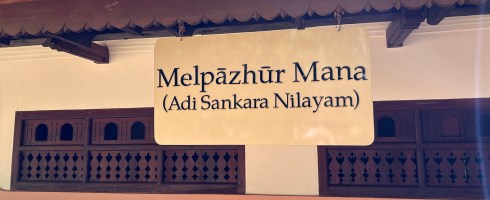
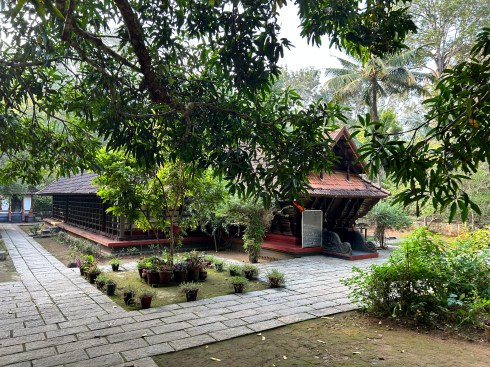

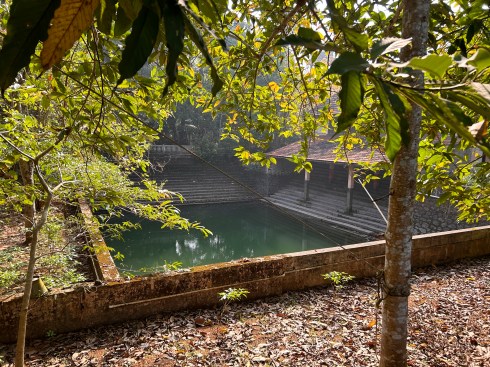
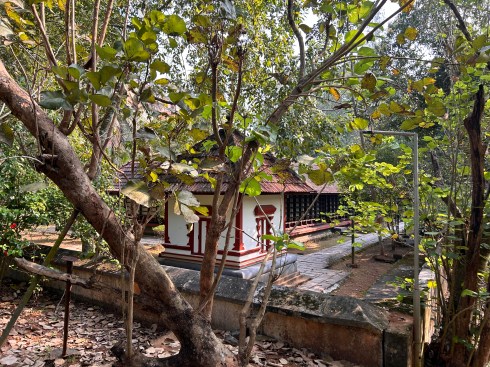


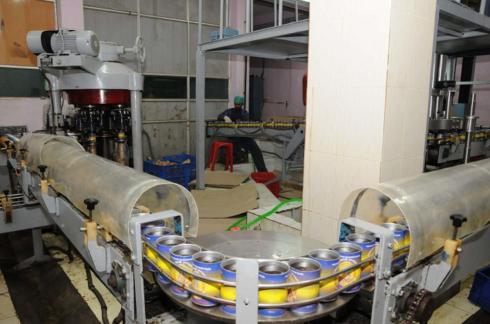
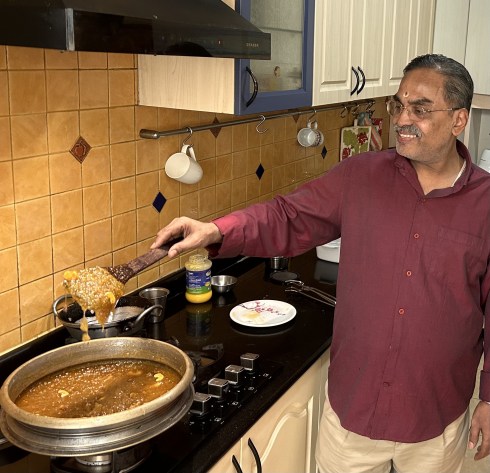
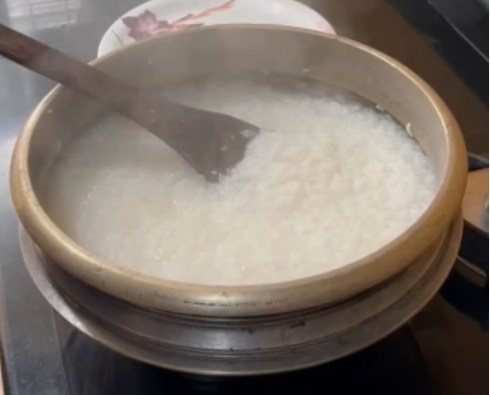
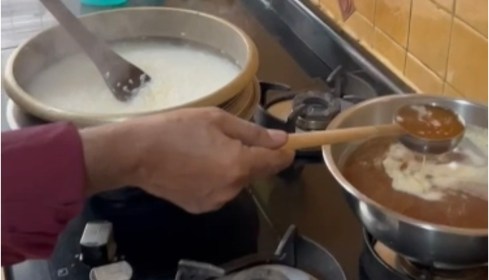
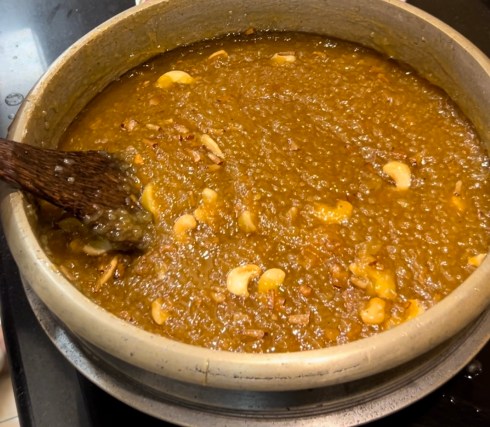

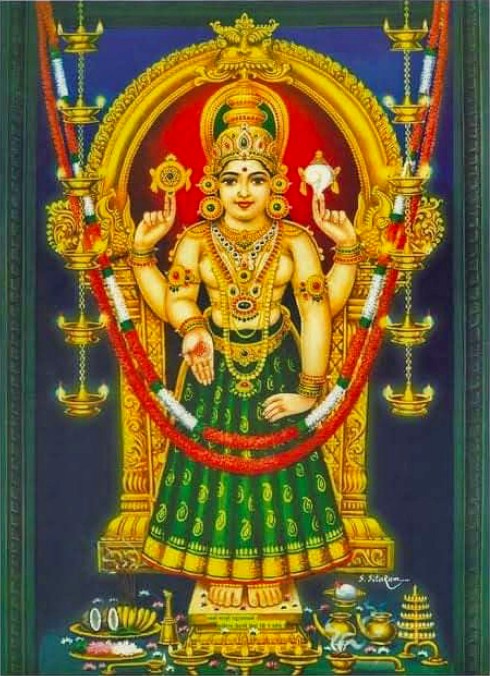
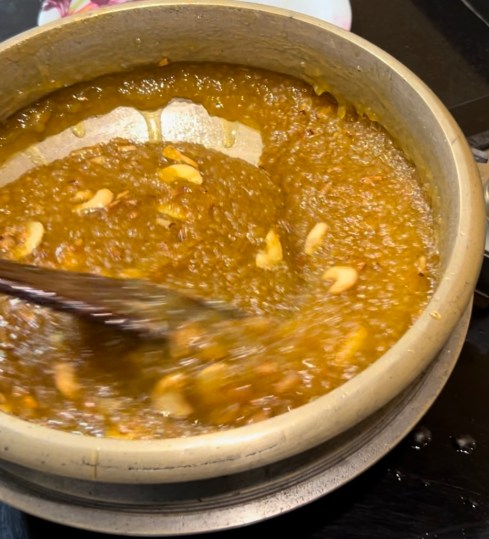




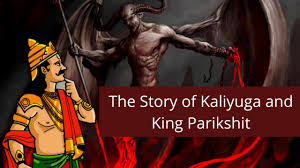
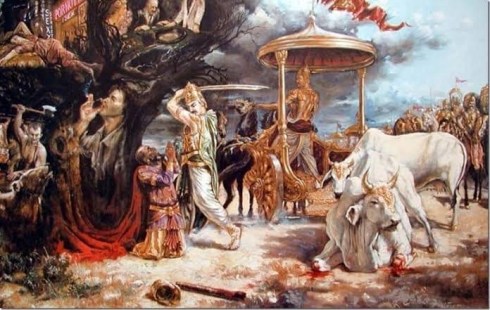
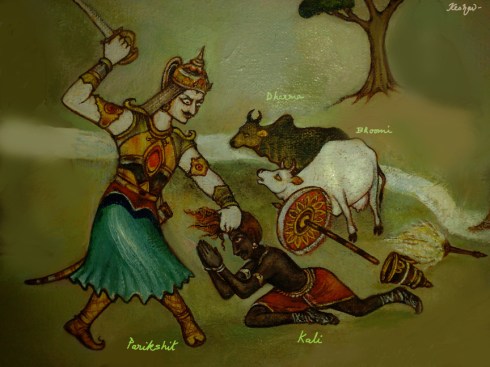
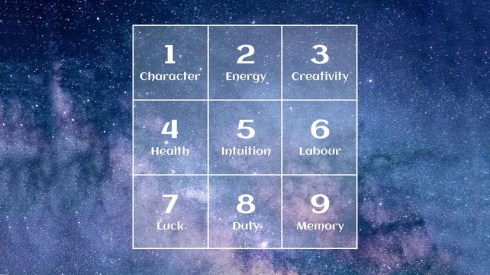
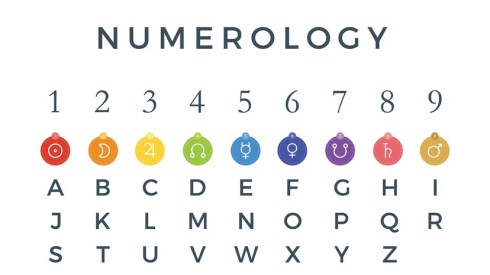
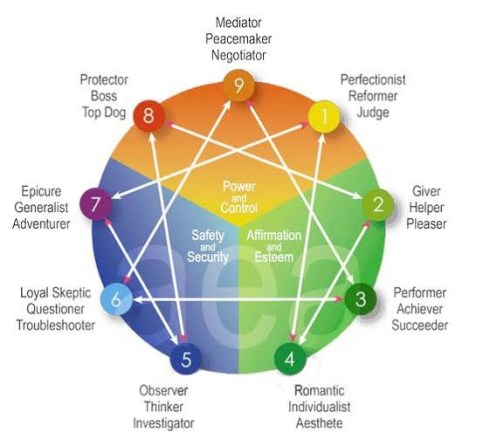
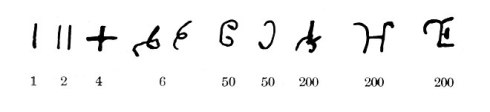

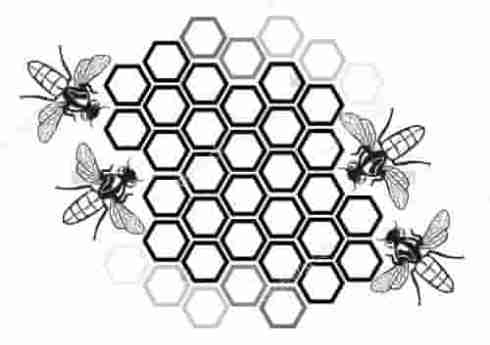


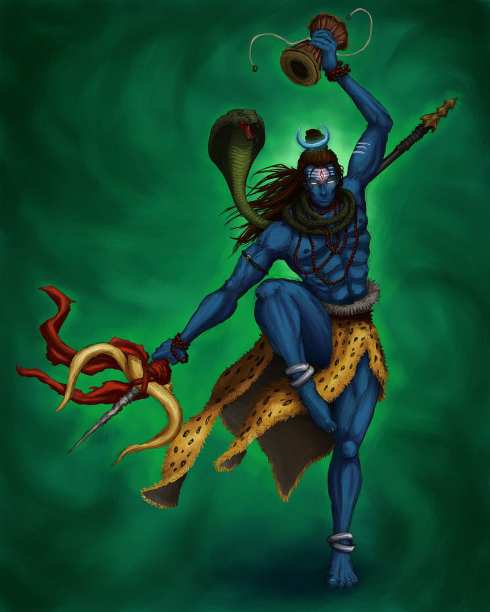

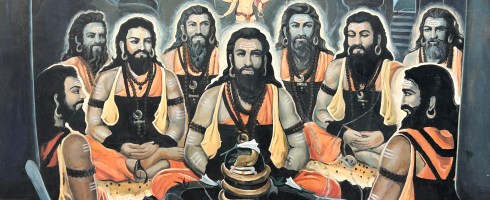
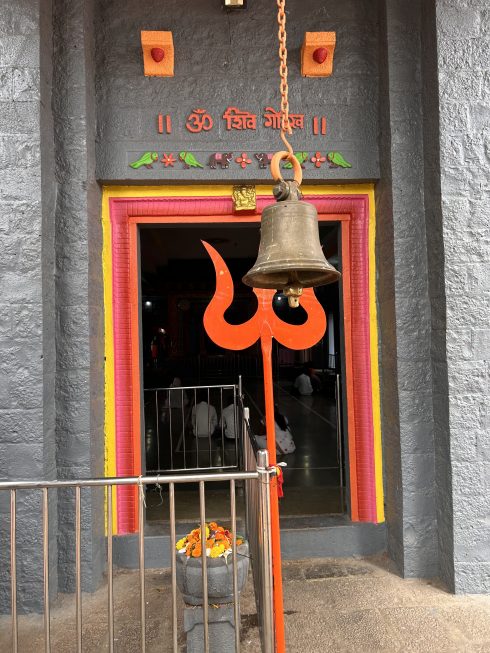

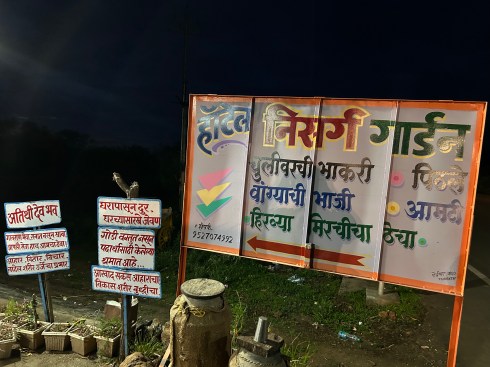
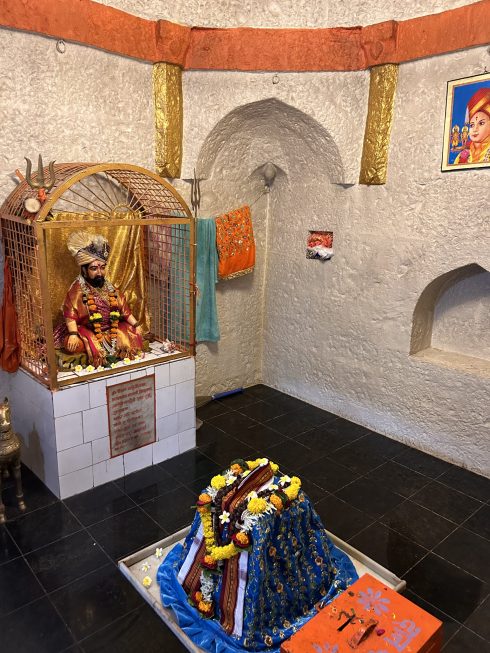
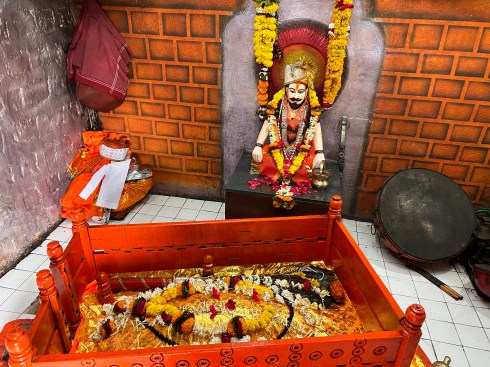
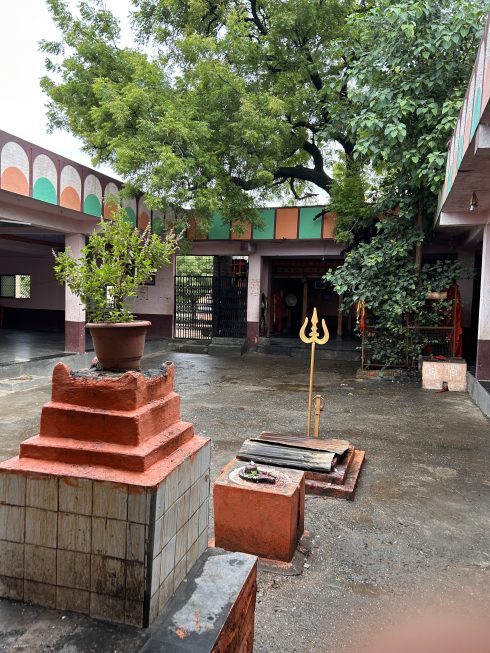
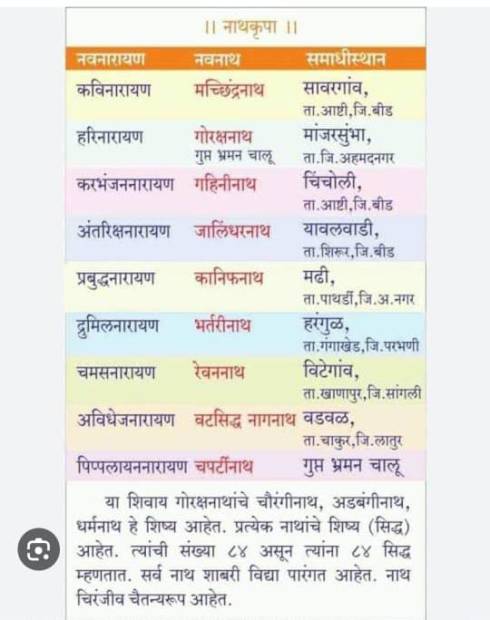
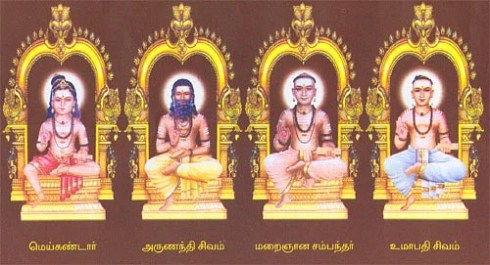
 A Few Good Things
Recent Comments