In recent years, Psychology has emerged as one of the most popular career choices, with colleges across India and globally reporting 80–90% female students in Psychology programs.
What is driving this strong trend? In this episode of Back to Basics, host V Anandkumar (VAK) speaks with Krittika and Ananya, Master’s students in Psychology, to explore the reasons behind the growing interest in Psychology—especially among women—and to break down what studying Psychology really involves. In this Podcast, we discuss:
Why girls are naturally drawn to Psychology as a career
Is Psychology a science or a liberal arts discipline?
How modern Psychology connects with ancient Eastern philosophy and Indian scriptures
Career roadmap after Psychology: degrees, specializations, and job options
Scope of Psychology in India and abroad
This episode is especially valuable for students, parents, and educators exploring career options in Psychology, understanding the gender gap in Psychology education, and learning about the future of Psychology as a profession.
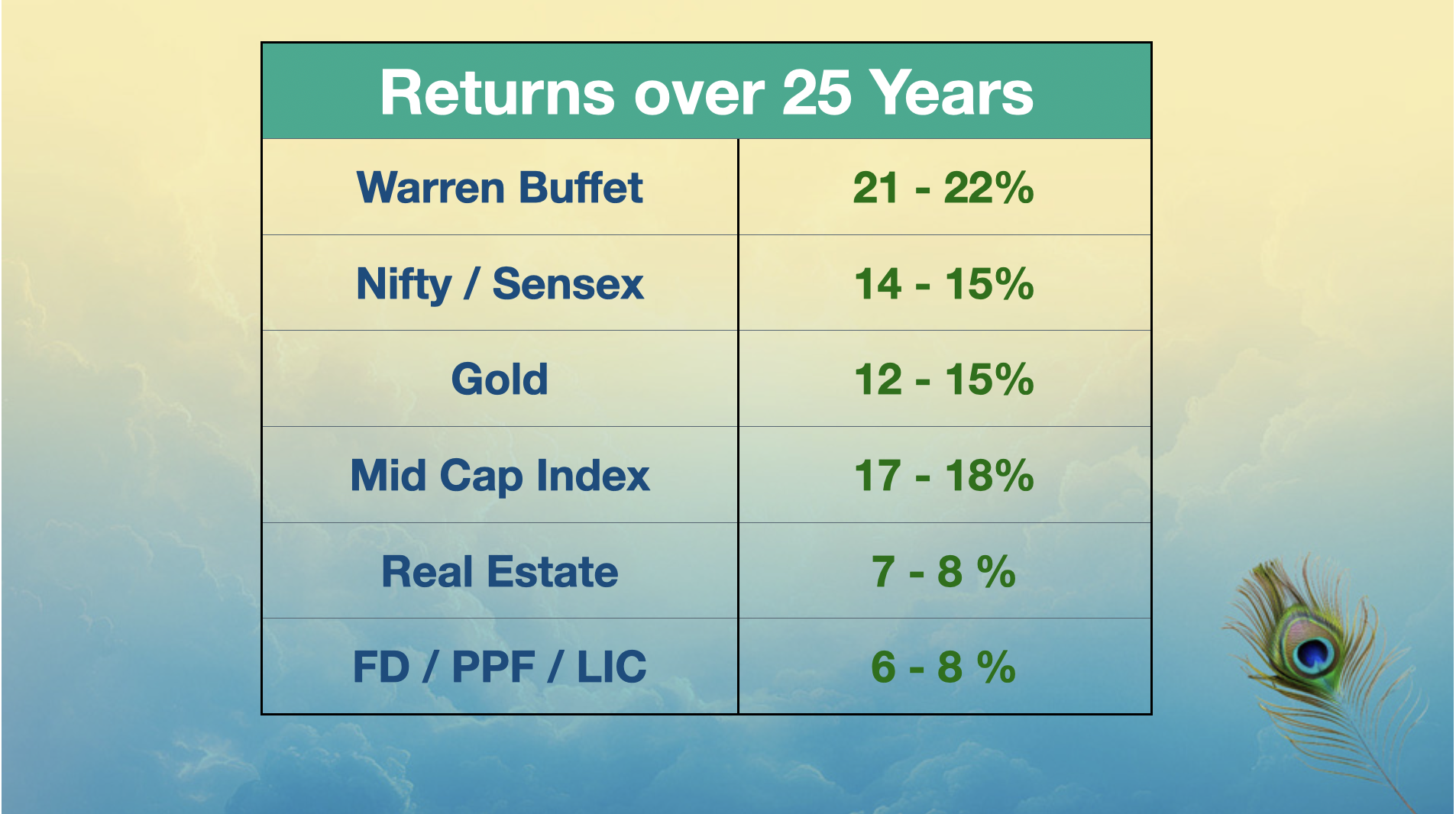
In this episode of Back to Basic’s we look at some of the simple tools that we can all use to build wealth. This is especially of importance to a young couple starting their financial journey. We look at the mistakes we made in our career and how the youngsters can avoid that.
Is it feasible for a young couple in urban India to aim for a corpus of ₹100 crore? What are the fundamental principles of investing? How can one discern clarity amidst the noise? Just as Arjuna required guidance from Krishna, how can an investor find a reliable wealth advisor? What is SIF ? Is there a crash coming – How do I plan for that ? What are the 3 Golden rules of a sensible investor?
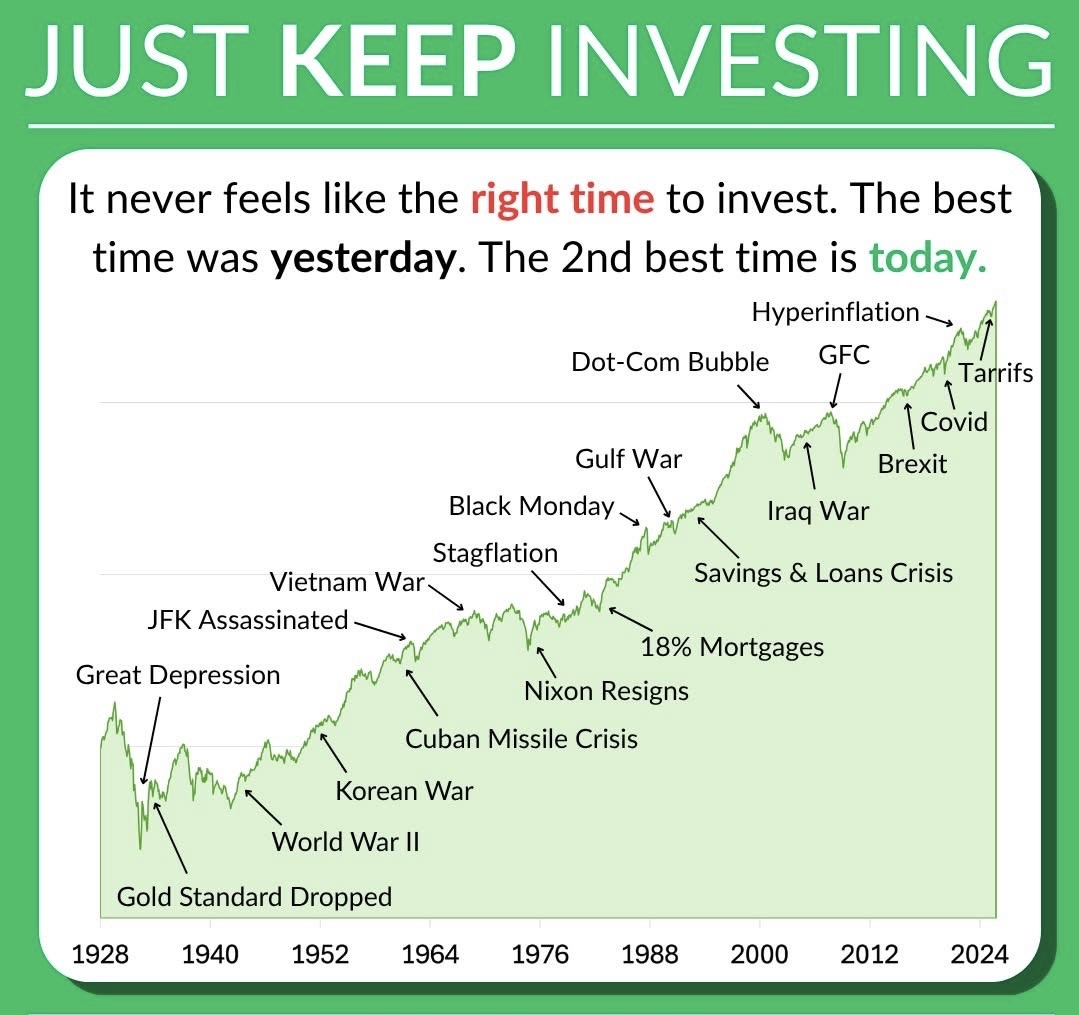
In this edition of Back to Basics, Deepak Jain helps answer these questions in a simple manner. He emphasises on the power of Compounding and importance of Asset Allocation. Think long terms – the next 25 years a disciplined investor can make a lot of wealth riding on the growth story of India.
Bangalore has grown from a city of a few million in 2000. It has become a sprawling metropolis of approximately 14 million in the last 25 years. The city’s per capita income is 3X the national average. The ideal weather, cosmopolitan population, and IT boom have contributed to an unprecedented real estate explosion.
Over 2,600 real estate projects across Karnataka – mainly in Bangalore have missed their scheduled completion deadlines. A recent report indicated that many of these projects are now facing indefinite delays. This Blog examines the issue. It also analyses how things have changed for the worse in the last 25 years despite RERA.
10X Appreciationin 25 years – 25 years back, you could have booked a nice 2000 Sft flat. The flat would be from a Tier 1 developer in Indiranagar or Koramangla. It would cost about 30 Lacs (~ 1500 Rs / Sft). Today the rates are Rs 15000 /Sft + and the location is not so prime. We are slowly inching towards the Mumbai / Gurgaon rates of 20 – 25,000 /sft.
Carpet / Super Built Up – The flat you booked in 2000 had a spacious carpet area of 75 – 80%. It included 3 balconies, and a 10 – 11 feet high ceiling. If you book a flat today, the carpet area is less than 60%. This means your usable space in the flat is reduced by 300 sft. You will most probably get only 1 balcony, and the ceiling height has shrunk to 9 feet. By reducing the ceiling height the developer just added one floor for every ten floor he constructs.
More flats in a 3 acre plot – In 2000 a 3 acre plot with 3 towers would have 7 – 8 floors. It would accommodate 100 – 125 flats. You had a lot more of undivided share of land allotted to you. Today a 3 acre plot will accommodate 350 – 500 flats and each tower will be 25 – 30 floors. So it’s a lot more congested, the common amenities, pool, gym etc are a lot more stretched. And wait. You should read the contract for your flat carefully today. You may find there is no mention of undivided share of land.
Car Park – When we booked a flat in 2001 the second car park was 1 Lac. Today it’s very difficult to get a second car park. If you do manage to get one, it is priced 5 – 7.5 L. You may say that’s only a 5X appreciation. However, most people have 2 cars now. It’s a necessity today, unlike in the past when 1 car was the norm.
Amenities & Facilities
Not much has changed in terms of your apartment in the last 25 years. Apartments built in the US in the 1970’s came with inbuilt microwave, refrigerator, carpets, kitchen shelves and wardrobes. They had a common washing machine room. There was also a disposable chute for waste. None of this exists in any apartment complex you will book in 2025. You will have the standard amenities. These include a pool, gym, and generator. Maybe the only new addition is a gas bank. There is metering for generator and water usage. Green sustainable designs are limited and solar / rain water harvesting are rare to find. The construction quality may have deteriorated – red bricks have been replaced with solid /hollow blocks.
Timely possession
Then developers were accessible, you could walk in to their office and meet the owner of the company. They were apologetic and sympathetic. Yes there were delays but it was minimal 3 – 6 months or maximum 1 year. Things have changed now – you will be lucky to get possession of your flat after 7 – 8 years even if the commitment while booking is 3 – 4 years.
Let’s dig a little deeper into this. We need to understand why this is happening. This is what RERA was supposed to fix. So, what went wrong?
How developers delay possession
Step – 1 : You book the flat
You liked the ad, visited the site, found the rates reasonably and decided to book your chosen flat. You pay 10% on booking and another 10% within a month on signing the contract. So 20% paid – nothing has happened in the barren site.
Step – 2 : Milestone based payments
If there are 5 towers in your complex the construction will start for 3 and move rapidly. Your payment is linked to floor completion and with latest technology a floor can be built in 2 weeks. In less than 18 months, the building rises rapidly from the basement to the 12th floor. It happens in the blink of an eye. And you have paid almost 75% of the amount due.
But the overall building is not even 30% complete. The remaining two towers are at foundation level. They are waiting for the equipment and workers from Tower 1 – 3 to be reallocated. The structure completion is only 50% of the work. Electricity, plumbing, interiors, tiling, doors, and windows are more time-consuming activities.
After 3 – 4 years, you realize that you have paid 75% of the money. The chances of you getting possession in time seem to be shrinking.
Step – 3 : The phase 2 whammy
This is when the Phase – 2 news hits you. The contract includes a line stating that the developer can build additional floors. This is an option as part of Phase – 2. You ignored it. While buying, the sales guy convinced you that phase 2 approval was a foregone conclusion. He assured you it would be obtained halfway through the project. He added that overall timelines would not be impacted. Phase 2 is the juicy part. Rates have shot up, and the approvers want their share of the pie.
Step – 4 : RERA Extension
As the battle for Phase – 2 approval continues in the background the developer quietly applies for a RERA extension. Now the buyer can’t fall back on the RERA timeline. He has paid 75 – 80% of the cost, with a RERA extension his delivery is delayed. If he files a complaint with RERA he may get a compensation for Phase – 1 delay. (Which most don’t since they find the process intimidating and they don’t want to antagonize the developer)
Can you get a refund or sell your property
If you look around Bangalore you will find many apartment complexes from big name developers pending handover after 10 years. Yes, the rates have increased. However, your money is stuck. The house you wanted to move into is still a mirage. The paper profit shrinks when you add your rent and mortgage interest you have been paying over the years. The biggest beneficiary is the builder who has got low cost finances upfront.
So can you sell and ask the developer to pay you back market rates? NO. The developer will ask you to find a buyer. You must pay the full amount due. Then, the developer facilitates a tripartite transfer agreement. This happens after collecting his transfer charges, which are as high as 3 – 5% and add the broker charges.
So what’s the solution
There is no easy solution. If you want a ready to move in property, the rates are steep. You don’t get the floor, location, or flat number you prefer. You have to compromise with the leftover units.
Developers are mega corporations
The top Developers are large publicly listed corporations. They have projects pan India. Some have even expanded to Dubai. Projects are not 100 – 200 flats complex but are so massive that they look like mini cities. The quarterly revenue & profit dictates their project management. They have ample resources and it’s very difficult for a common man to stand up against them.
Why is RERA disappointing
The expectation that RERA would lead to prompt completion of quality projects has been misleading. The onus is on the individual to seek redressal. CREDAI, RERA, Developer Lobby, and Government authorities form a complex web. The buyer feels helpless. The media is silent – they get full page ads from the developers.
So what do you do? – All you can do is pray and hope your dream flat is handed to you – eventually. The Supreme Court intervened and solved for the subvention scheme – which was another loophole to trap buyers with interest free loans during construction. But court intervention is rare.
Frustrated you finally move in to your complex which is awaiting approvals and Occupancy certificate. The wait has been too long and you decide enough is enough. Finally, the dust settles. In a year or two, the complex becomes a nice community. If you are lucky.
You should maximize the output from your trip to the Himalayas. Make sure it is safe and comfortable. This Blog is based on our 1 week trip between Sep 28 – Oct 5, 2024. It has useful points to help you plan your trip
How to get there
Delhi & Dehradun are your two getaway points. Most cities have direct flights to Dehradun. After a few days with friends at Delhi we left on Sep 28th at 7 AM. The road is good. We covered Rishikesh – Delhi in 4 ½ hrs on the return, starting at 6 AM. The onward journey took us longer. This will improve when the Delhi – Dehradun expressway is completed next year.
TIP – When in Delhi do visit Diggin – a nice restaurant in Panchsheel Marg at Santushti shopping complex. Most long time Delhi residents are not aware of this place.
Where did we stop for the 1st night
We departed Delhi at 7AM. After breakfast at a Dhaba enroute, we reached our first stop – Vashishta & Arundhati caves at 2.30. The Vashist Gufa is closed between 1 – 3, but the Arundhati cave is open all times. Lunch was at a small restaurant after Srinagar around 4 PM.
We reached the Dandi Kanthi hotel by 7 PM. It is a small new hotel located between Srinagar & Rudraprayagon the banks of the Alaknanda. This hotel is 200m from the Dhari Devi temple. The temple is considered the custodian deity of the 4 Dham’s. It is highly revered in Uttarakhand. (This is not the J&K Srinagar – Uttarakhand also has a town called Srinagar)
Day 2 we reach Badrinath in the afternoon
We start the day with a visit to the Dhari Devi temple. The temple opens at 6 AM and there was no crowd. Back in our hotel by 7 – we had a light breakfast and head out to Badrinath. We had lunch on the outskirts of Badrinath and reached our room by 2.30 in the afternoon.
How is the road
Between 2010 – my first trip and now things have not changed much. 80% of the road is good. Yet, the mountains are fragile. Landslides can occur, and these need to be cleared. Lanes can get narrow – one way. Vehicles breakdown. Rail track construction is ongoing till Karnaprayag – close to Joshimath, adding to the traffic woes. So budget for delays en route – you can at best travel 25 Km / hr
Food & Restroom
There are no good cafes / restaurants after you leave Rishikesh. Small village shops that serve decent fresh N Indian food. Clean rest rooms are a big challenge. Food here is mainly Paratha / Roti / Rice / Dal / Aloo / Rajma / Chole / Paneer. Food tip – Eat light, avoid oily food.
Is there an alternate mode of transport
There are helicopter tours. A friend covered Kedarnath & Badrinath from Dehradun in 6 hrs @ 1 L/ person. That’s only the temple visit. There are also one way or return Helicopter rides. If you are not on a pilgrimage and want to explore the area, it is best to drive. The slow ascent also helps in acclimatization.
Our 3 nights at Badrinath
Badrinath is at 10,100 feet. Our plan was to visit the temple multiple times and explore all the areas in and around Badrinath. We had a good driver and a guide .
TIP – always plan an extra night. You could get stuck in traffic enroute or there may be heavy rains, weather in the hills is unpredictable. So budget for some backup time.
Temple Visits
Day – 1 : Evening we visited the temple. We did not have a ticket, but we got VIP entry to the Chandi Aarti. This was thanks to the local DM contact my friend had.
Day – 2 : We had tickets for the Swaran Aarti in the evening at 6.30 PM
Day – 3 : We had tickets for the early morning 4.30 AM Abhishekam pooja.
We also experienced the regular Mukh Darshan from a distance. This happened a few times later in the evening when the crowd was less.
The temple is ancient & small. You can enter the temple and get close to the Sanctum Sanctorum only if you have booked tickets in advance. The regular Darshan is from a distance and that gives you less than 30 seconds of Darshan time.
Strongly recommend that you book a tickets for every day you are there. You must book the early morning 4.30 AM Abhishekam pooja ticket. This Pooja lasts for over 2 hours. It includes Abhishekam, Aarti, Chanting of Mantras, and narration of the history of Badri Narayan. The Aarti tickets for Rs 500 allow you 15 Min inside the main temple complex.
The temple area can become very congested, even with a ticket. Only 30 – 40 people can sit. The rest have to crowd along the sides. The Q entry is not well managed and there is a lot of pushing and shoving.
Maha Abhishekam is 4700, Abhishekam is 4500 – it’s the same pooja, but they allow those with the 4700 tickets first entry
If you have booked Swaran Aarti, make sure to stand in the queue during the earlier Chand Aarti. You can also line up during Kapoor Aarti. That’s the only way you can try to be upfront when your scheduled Aarti starts.
Hot Springs or Tapt Kund
We visited the hot springs and took bath multiple times. The water is almost boiling hot. Its clean – since nobody can enter the Kund. Carry towels & a mug from the hotel to take a bath. Around 7 PM in the evening the crowd at the Kund is light to empty.
Other Things to see in & around Badrinath
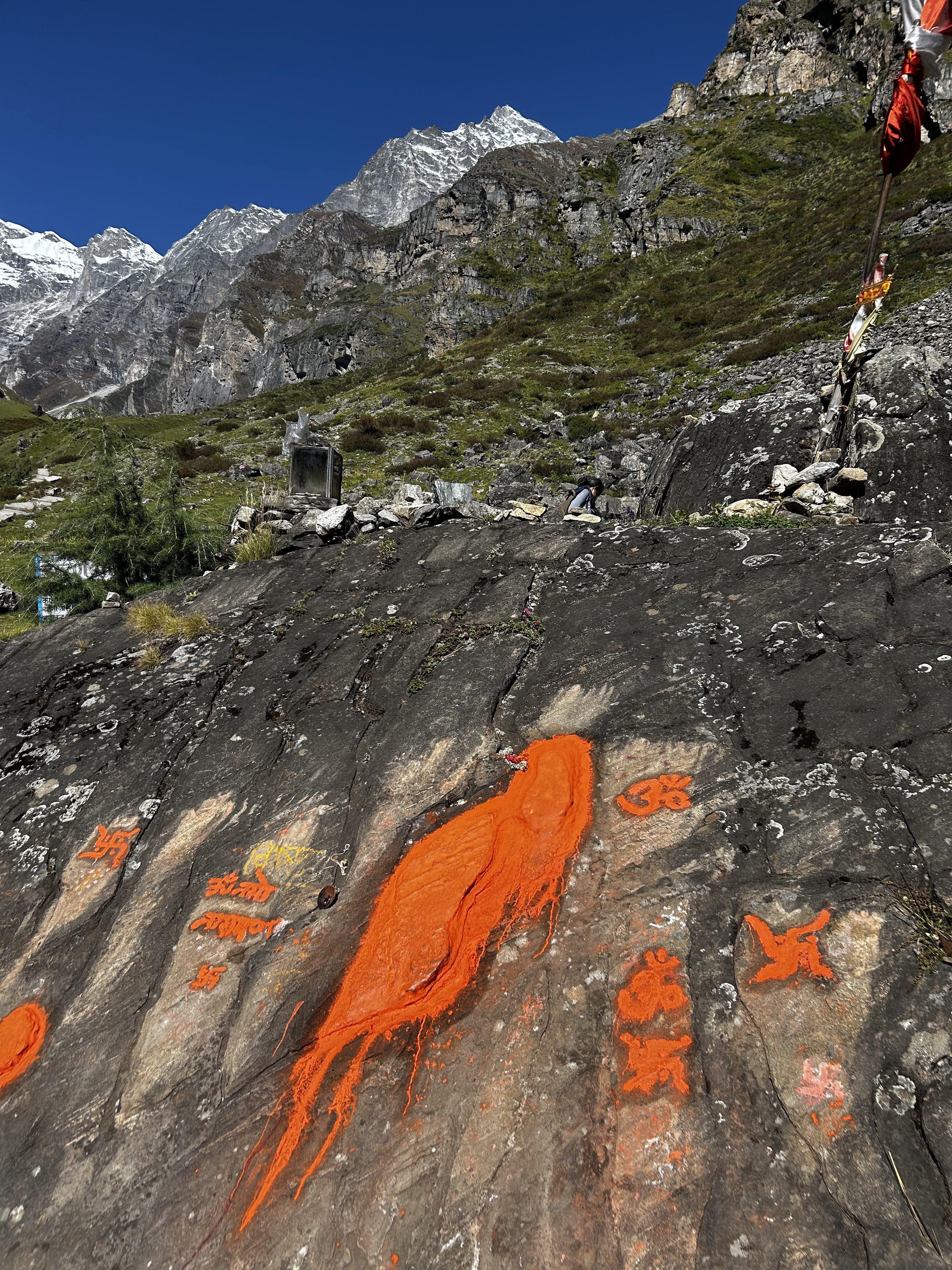
Charan Paduka – a revered place. Lord Vishnu is said to have first set foot on earth here. It is a short trek on the way to Neelkanth Parvat. It’s a beautiful and easy trek. A glacier stream from Neelkanth flows down the route adding to the charm. On both sides are the Nar & Narayan mountains. If you leave at 8 AM you can be back by 1.30 for lunch after a slow relaxed trek to Charan Paduka & beyond.
Mana is a small village close to the Tibet border. It’s a 10 min drive from Badrinath. Mana is home to a few interesting sites
Vyas Gufa & Ganesh Gufa are sites where most of our ancient scriptures were written.
Keshav Prayag is the point where the Saraswathi meets the Alaknanda and then goes underground. Saraswathi has a short 500 m forceful run that is a sight to watch before it merges with the Alaknanda. You can trek down a short steep section to the Prayag.
Vasudhra Falls is a 4 Km (one way) beautiful trek from Mana. This takes you to the point from where the Pandavas started their ascent to the heavens.
Valley of Flowers / Hemkund Sahib are 2 – 3 day’s trekking trips around Badrinath. Auli – is a beautiful hill station 2 hrs from Badrinath.
Where to stay in Badrinath
The area is beautiful. One can only visualize how it would have been 100 years back. Now it’s a concrete commercial jungle – lot of developmental work in progress. There are many accommodation options, most are basic. I would recommend Hotel Snow Crest – This is the best in town. We stayed at Hotel Yoga which was next to this hotel. It’s a 15 – 20 min walk to the temple from here. Badrinath Devlok – run by GMVN( Garhwal Mandal Vikas Nigam) is also a good choice.
What to Eat / Where to eat
Lot of restaurants offering a variety of food items. Avoid Idlis – they are tempting but the ones here are hard as a rock. The sambar is also disappointing. Dosa is better – its fresh. Most of our meals were at Sardeswari Restaurant – Near Devlok Chowk. Their service was excellent. One meal was special. They kindly cooked the Bhindi we provided. We got tired of the usual items on the menu. Carry cash – many please dont accept Pay.
We head to Tungnath
After 3 nights at Badrinath we head to Tungnath – one of the Panch Kedar temples in Chopta. We left Badrinath at 8.15 AM and reached our hotel, Regenta Resort Madhunganga at 4 PM. Chopta is beautiful – dense forests and nice views. There are many camps here called Swiss & Alpine camps. Trekkers use these camps. Sadly, they look like refugee camps and spoil the landscape.
Regenta Resort Madhunganga
This is an excellent 4 star property located at Ukhimath. It is strategically positioned on the Kedarnath – Badrinath route. The property offers easy access to many destinations.
Omkareshwar – 2 Km
Kedarnath – 45 Km by road + 16 Km trek
Madhmaheshwar – 20 Km by road + 16 Km Trek
Tungnath – 29 Km by road + 4 Km Trek
Kalimath – 20 Km by road
Triyuginarayan – 53 Km by Road
Anusuya Devi / Atri Rishi Ashram also comes on the way from Badrinath – Chopta. This involves a 4 km trek.
We stayed here for one night. Our purpose was to visit Tungnath, which is one of the Panch Kedar. It is the highest Shiva temple at 12800 feet. This is a great hub to spend a week and cover a lot of places.
Tungnath Trek
This attracts a lot of traffic and the parking area is a mess. The trek route Is like walking on a crowded city road. Most of the stretch is paved – there are some sections that are steep but its an easy trek.
Most trekkers are attracted to Chandrashila – the peak that is ½ Km beyond Tungnath. This stretch is very steep and there are no cemented paths.
Our 3 night stay at Badrinath had acclimatized us well to the high altitude. As a result, the trek to Tungnath was a breeze. We completed it in 2 hours. There is well laid out track for 80% of the journey. You have the choice of taking a horse ride.
Unfortunately there are no restrooms on the trek route.
I was told that the views are spectacular – they were good, but I have seen better.
On the way back from Tungnath, stop at Bunker House. This was the first place we discovered in a week that had Burgers, Pizza, and French Fries. The restaurant has a nice interior.
Best time to travel
The 4 Dhams are closed from 1st Nov – April end. That gives you access for only 6 months. July / Aug / Sep – heavy rains and prone to landslide. May / June are the busiest months because of summer / school vacation. Oct seems to be the best bet – not too cold + rains are over. If you can time your travel around Vijay Dashami or Diwali – you find the least crowds.
Insist on an Innova
Travel safe in an Innova with a good experienced driver. Even if you start from Delhi, insist on using a UK number plate vehicle. It should be pre-registered for the 4 Dham Yatra. A good vehicles & driver takes away a lot of stress. Travel light – don’t overload your Innova with 7 people. We were 2 in an Innova + Driver and guide.
All travelers need to register their trip for the 4 Dhams. This is checked at the entry point of Badrinath. All these steps help you save time on your travel.
Who did our Booking
Our trip was executed by Om Prakash Ji of Rishikesh Day Trips.- 7078203030. He did a good job and was very responsive. We had planned the trip a few months ahead. We did not have hill rides > 6 hrs on any day. We ensured that we were in the room by 6 PM. Our driver was excellent, high energy and always punctual. Insist on a good driver like Mohit Rana (91937 42876). Contact guide Hukum Chinwan at 9690464301 or 75794 81621. Being in touch with your trip planner and setting clear expectations helps in good execution.
Last but not the least PRAY
We planned this trips months ahead. We were lucky to have excellent weather – blue skies, pleasant weather. We did not get stuck in any landslides. Good driver & guide, nice hotels, friendly restaurants – All this is Divine Grace. So pray for a good trip and enjoy the beauty of Dev Bhoomi Uttarakhand.
And one more thing …..
On the way back, stop at Chauhan Bengali sweet shop in Srinagar, Pauri. It is located on the main Badrinath road. Pick up a few Uttarakhand delicacies to carry home. I suggest trying the Bal Mithai without the sugar balls on the top. Also, try the Singori (सिङ्गौड़ी) which is a delicacy from Uttarakhand made with Khoya. It is wrapped in a maalu leaf. It is akin to Kalakhand.
______________________________________________
A few days catch up with old friends in Apple was a good start to the trip
On our way to Charan Paduka
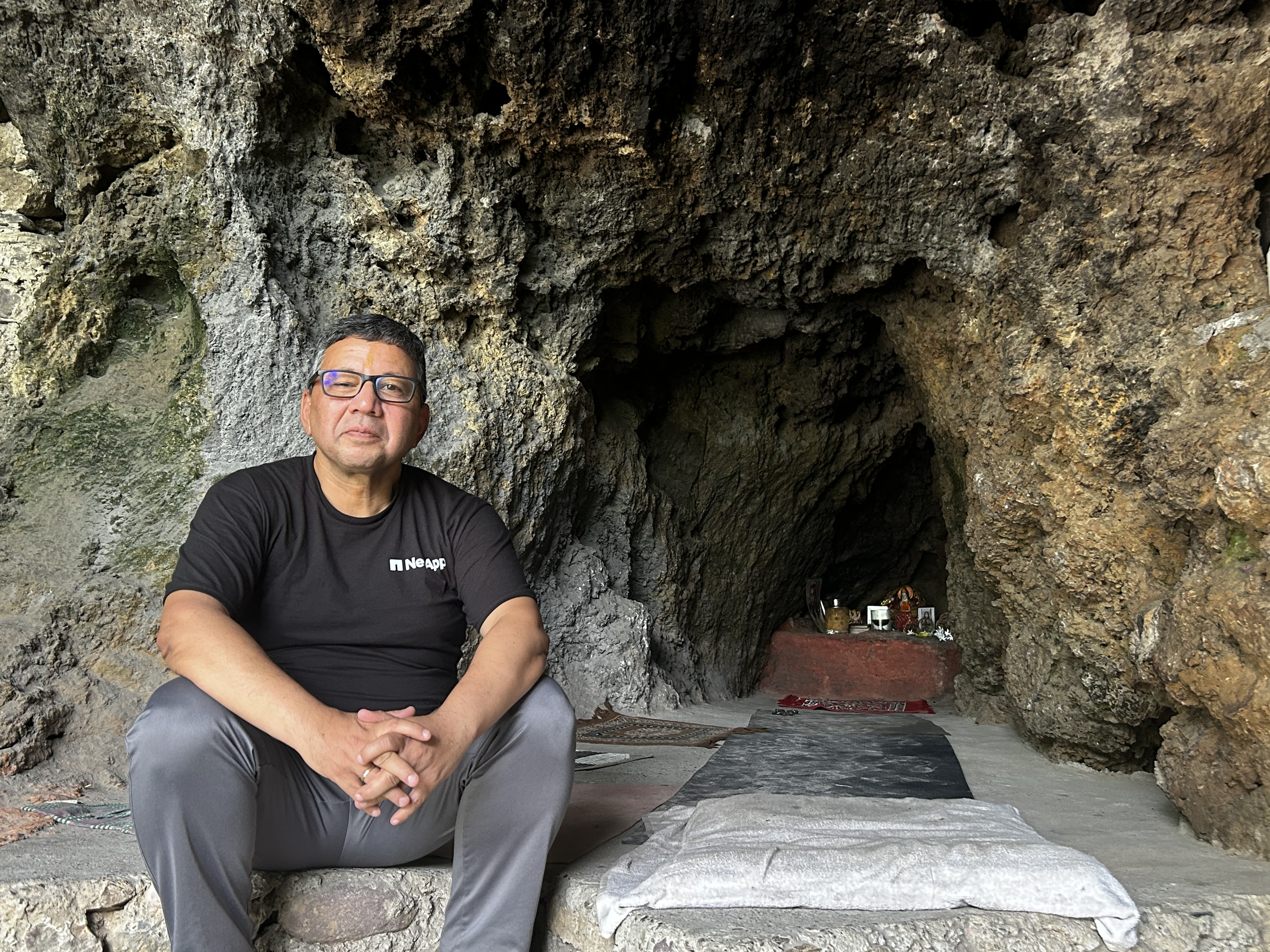
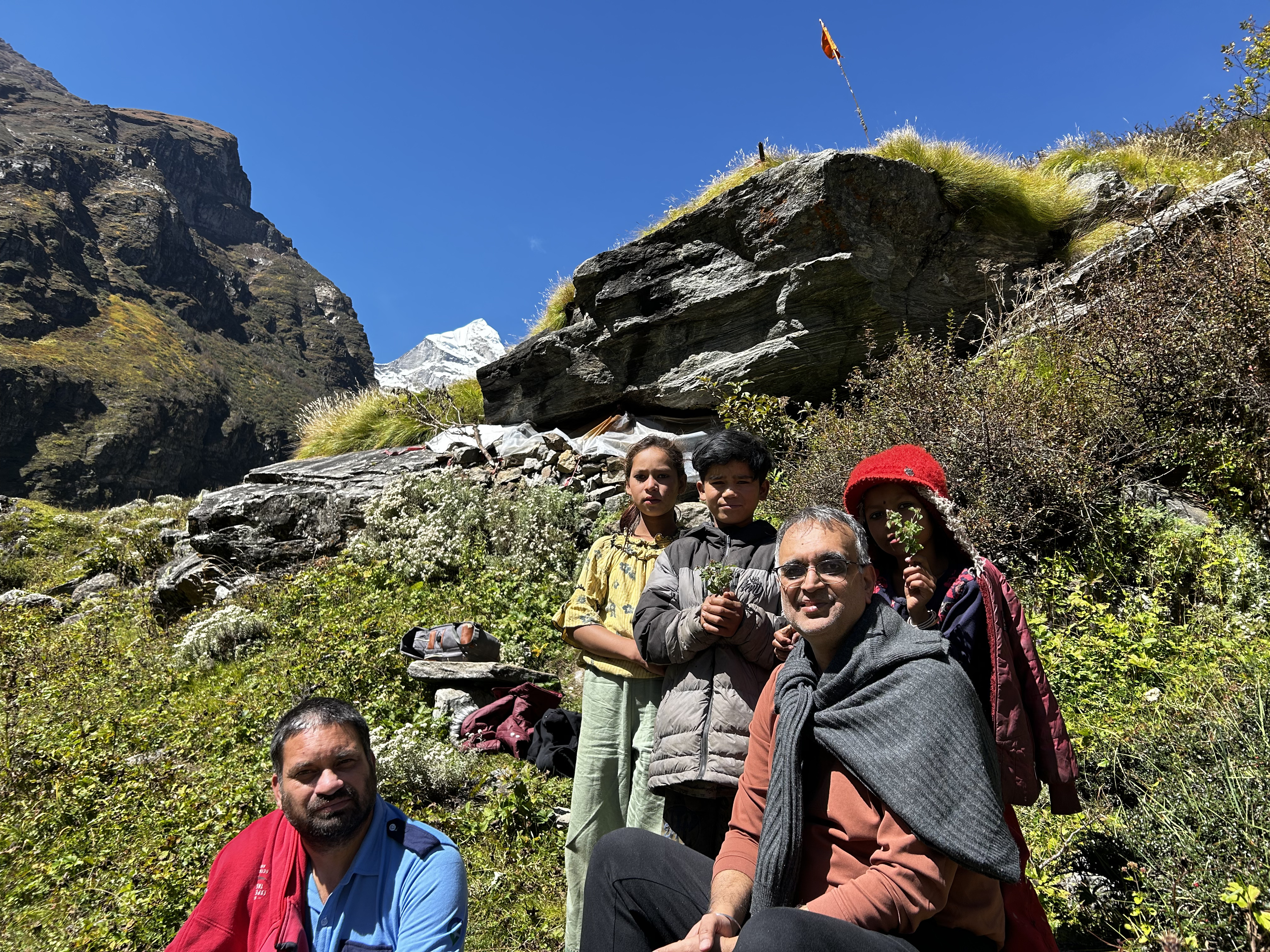
A few kids at Charan Paduka took us further up to Maheshwarnath Babaji cave
At Diggin Delhi
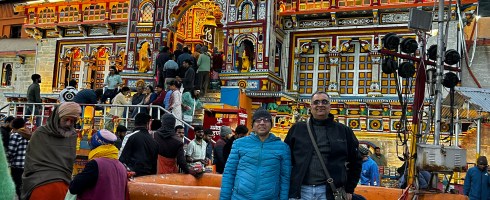
View of the crowded Badrinath Dham on the way to Charan Paduka
Mental illness can be a silent killer. WHO estimates ~ 280M people suffer from depression globally. NIMH (National Institute of Mental Health) estimates 21M US adults had one major depression episode a year – that is ~ 8% of the adult population. Depression is just one of the mental health issues – Anxiety, Bipolar, Eating Disorders, ADHD, OCD, Panic, Schizophrenia, PTSD and others cumulatively impact 11% of the world population.
A large section of those impacted are youngsters and women. Read more on this topic on this Blog that was published in Bharat Yogavidya Kendra monthly newsletter.
Depression, anxiety and behavioural disorders are among the leading causes of illness among adolescents. This trend is accelerating. A WHO report highlighted that globally one in seven 10-19 year-olds experiences a mental disorder, accounting for 13% of the global burden of disease in this age group. Antidepressant prescriptions for young adults and teens in the US increased by nearly 64% from 2020 onward.
Depression in teens is a serious medical illness. It’s more than just a feeling of being sad or “blue” for a few days. It is an intense feeling of sadness, hopelessness, and anger or frustration that lasts much longer. These feelings make it hard for you to function normally and do your usual activities. You may also have trouble focusing and have no motivation or energy. Depression can make you feel like it is hard to enjoy life or even get through the day. In its acute form it leads to suicide.
What impacts Mental Health
Bio-physical – Genetics, family history, prenatal complications, brain injury, lack of sleep, chronic medical condition, poor nutrition, usage of drugs / alcohol etc.
Psychological – Stress, low self-esteem, poor coping skills, poor communication skills, emotional Immaturity, traumatic life experience, gender identity crisis etc.
Social-environmental – Loneliness, family conflict, discouraging environment, financial crisis, unemployment, family structure, parental style, insecurity etc.
In today’s world, most health problems are caused by a faulty lifestyle and emotional complexities.
The changing times and the fear of the youngsters is best depicted in the popular song “Brutal” by Olivia Rodrigo. It spells out the fear and insecurities of the youth by defining how brutal the world is out there. No wonder the song became an instant hit amongst the teenagers.
Healthy Mind
Neuroscientists explain the reason and cause of mental illness through imbalances of 3 neurotransmitters – serotonin, glutamate & dopamine. The Mind impacts our immunity, cardiovascular system, the gut & digestion and also our hormones.
Charak Samhita an ancient Vedic medicinal text highlights the role of the mind in the happiness or sadness of human life. The following verse from the text brings it out clearly.
The person who has become impatient, who is in a dilemma, and whose organs have lost the energy, such a person becomes mentally weak and it is difficult to cure him.
Yoga Identifies the root cause for mental illness
In Yoga, mind or intellect can be represented as ‘Chitta’. The ‘Vrittis’ (disturbance of mind) is understood as the root cause of all mental pains. Vrittis are created in mind by ‘Kleshas’ (afflictions). These five Kleshas are responsible for all diseases.
Avidya (ignorance)
Asmita (egoism)
Raga (attachment to material world)
Dvesa (aversion or hatred)
Abinivesah (fear of death and attachment for life)
Avidya is seen as the root cause of all Kleshas and problems. Avidya disturbs the equilibrium of all cognitive, emotional, and behavioural pillars of a personality. This is called as Chitta-Vritti (modification of mind).
Yoga is a structured science to settle the mind and calm the Vrittis. It is comprehensive and if followed patiently step by step is the perfect solution for most of the mental illness – especially depression faced by humanity.
A healthy yogic lifestyle with proper ‘Achar’ (right conduct), ‘Vihar’ (recreation), ‘Vichar’ (positive thoughts), and ‘Ahara’ (right food) can solve most of our day to day problems.
Yoga is also found effective in increasing the markers of brain plasticity such as brain-derived neurotropic factors. Chanting Mantras and Shlokas has also brought evidence-based favourable changes in the mind and body at functional and structural levels.
The Bhagavad Gita explains the means of calming and controlling the mind in detail. The approach to Sthithprajya (Equanimity / Stability of Mind) has been discussed extensively in the Gita.
Yogic methods that promote mental health
Yoga Nidra: This practice induces alpha waves in the brain, promoting relaxation and significantly increasing dopamine levels, which can enhance mood and alleviate psychological conditions like anxiety and sleep disorders.
Yogasanas: Specific postures like Sarvangasana, Setubandhasana, and Bhujangasana help maintain mind-body harmony, reduce stress, andimprove brain function.
Pranayama: Techniques such as Anuloma-Viloma and Nadishodhana regulate energy flow, balance the autonomic nervous system, and improve overall mental health by increasing oxygen levels and reducing negative thoughts.
Meditation: Regular meditation reduces activity in the limbic system, thereby decreasing emotional reactivity and stress.
In Conclusion
Physical activity, including yoga asanas, boosts mood by lowering stress hormones, increasing endorphins, and enhancing brain function. Yoga offers unique benefits by raising levels of GABA, a neurotransmitter linked to better mood and decreased anxiety. Studies have shown that yoga, compared to other complementary therapies like massage or music, is particularly effective for depression and anxiety, often providing long-lasting benefits. Incorporating yoga into daily life can thus be a powerful tool for improving mental health and complementing traditional therapies.
Shanti Mantra from the Taittiriya Upanishad – Sha(m)n No Mitra Sham Varunaha
It is recommended to chant this mantra daily before the start of the day. It helps in removing obstacles in the aspirants spiritual journey. This blog gives a summary of the Taittiriya Upanishad – where this Mantra is the Shanti Mantra. The significance of the mantra is explained as per Adi Shankara’s commentary. The last part includes the wording and a YouTube rendition.
Essence of the Taittiriya Upanishad
This Upanishad Belongs to The Krishna-Yajurveda.
The great sage Yajnavalkya quarrelled with his preceptor. He was asked by Vaishampayana, his Guru, to return the Veda which he had studied under him. Yajnavalkya vomited the Yajurveda he had learnt. The other Rishis, the pupils of Vaishampayana, assumed the forms of Tittiris (birds, partridges) and swallowed the Veda thus thrown out or vomited. Therefore it came to be known as Taittiriya-Samhita.
This Upanishad is divided into sections called vallis, viz., (1) Siksha-valli or the section on instruction. (2) Brahmananda-valli or the section on Brahma-bliss. (3) Bhrigu-valli or the section on Bhrigu.
In the first section the preceptor gives clear instructions to the aspirants on character building. He imparts to them rules of right conduct or right living in order to prepare themselves for the attainment of Brahma-Jnana or the knowledge of the Self.
The second section deals with bliss of Brahman. The order of creation is described in this Valli.
The third section deals with the story of Bhrigu, son of Varuna, who, under instructions from his father, understood Bliss or Brahman, after undergoing the required penance. In this section the description of the five Kosas or sheaths is clearly given.
Adi Shankara’s commentary on the Taittiriya Upanishad brings to fore a regular syllabus to teach the Brahma Vidya.
Attaining the knowledge of Brahman is not easy. The Gods themselves take a special interest in placing obstacles on the way of an aspirant. Even Rishis are not ready to impart the knowledge lest the householder who nourishes all ceases to work. But if the aspirant has passion to know the knowledge would come to him.
Shankara says this Upanishad opens with a mantra which removes obstacles when chanted.
It is a prayer to the vedic deities – Mitra, Varuna, Aryama, Indra, Brihaspati, and Vishnu. Shankara explains as follows. Mitra is the Devata Atman – The Shining One, the Intelligence, the Self identifying Himself with, and manifesting Himself as day & Prana or upward current of life breath. Varuna is the intelligence concerned with night and Apana or downward current of life breath. Aryama with the eye and the Sun, Indra with strength, Brihaspati with speech and buddhi or intellect, Vishnu with the feet.
Shankara says if these Vedic deities in charge of each individual organism are propitious, then one retains the wisdom acquired and imparts to others.
Praise and salutations are offered to Vayu (air) by the student seeking knowledge of Brahman so that obstacles to the attainment of such knowledge may be removed. All actions and their fruits are under the control of Vayu who is identified with prana. Here Vayu is addressed as Brahman. He is referred to as the visible because of his being direct, immediate, nearer than the sense organs and he can be felt.
The Teacher’s Vow of Truth
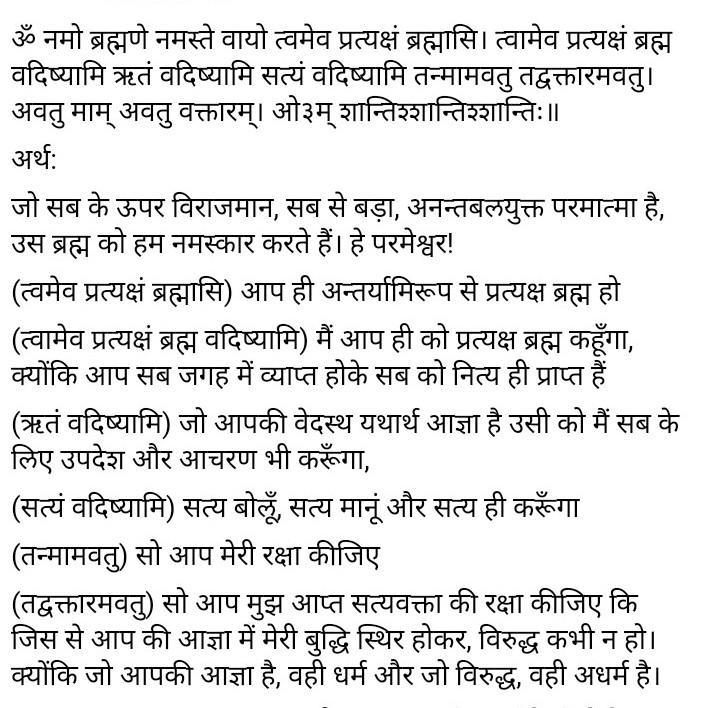
To speak the truth is the first necessity of a preceptor, tutor or teacher. ‘ऋतं वदिष्यामि। सत्यं वदिष्यामि।’ – ‘Rutam vadishyãmi; Satyam vadishyãmi’ – ‘I will only speak eternal principles. I will speak the truth (i.e., I will not teach false principles)’.
With these words the rishi has vowed to speak the truth. Here, the rishi is a preceptor, a tutor, a teacher and it is his duty to teach. To lie is a sin, but to teach a lie would be a grave sin. This is a special feature of Vedic guru-shishya dialogues. The teacher understands his responsibility to the disciple and to society. He understands his duty. He is fully aware of how much a defiled education can ravage a disciple’s life, and affect the whole of society.
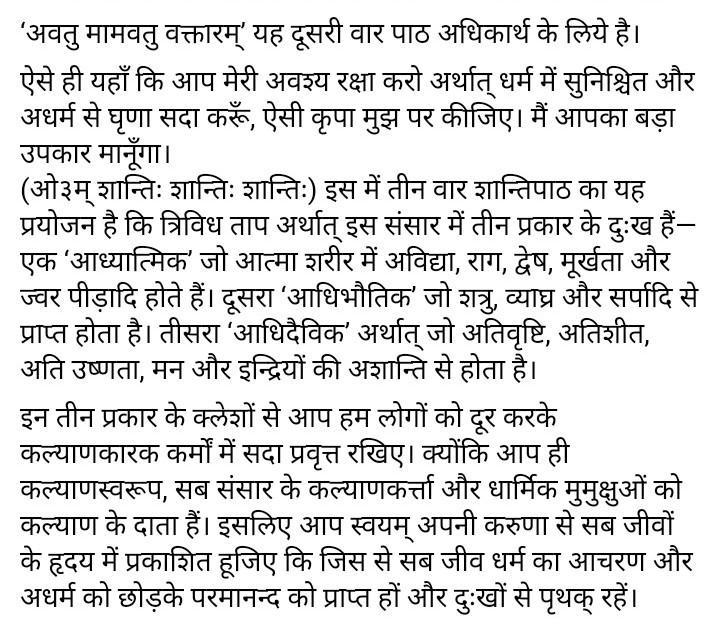
Moreover, an honest person must be tolerant. He knows that he must bear the occasional hostile reactions of speaking the truth. For this very reason, knowing the continual necessity of such honest and tolerant preceptors in society, the tutoring rishi prays,
Thus, the reason for praying for one’s safety is ultimately just to keep society well educated. This mantra shows the ideal approach a teacher before commencing his lesson.
Full Mantra
ॐ शं नो मित्रः शं वरुणः
Om Shan No Mitrah Sham Varunaha
शं नो भवत्वर्यमा
Shan No BhavatyaVaryama
शं नो इन्द्रो बृहस्पतिः
Shan Na Indroo Brihaspatihi
In God’s Own Country a unique dish has been perfected over the centuries as offering to the Gods. The Aravana also called as Nei Payasam is traditionally made in Bhagavati or Devi temples as ritual offering. Aravana Payasam is to Sabarimala Ayyappa what Laddoo is to Tirupathi Balaji. The rich sweet is made with raw rice, jaggery and ghee. There are different variants across regions / families / temples – but they are all time consuming and need skill and passion to execute perfectly. The unique aspect of this sweet is its long shelf life – and that’s probably why it is used in Sabarimala since the trek back in the past was arduous and long – and the Prasadam to be carried to the family had to last.
Families have passed on the tradition from generations – father to son. In the current generation there is a threat of this skill being lost. As fast food & automation replace passion and hard work there are very few who can follow the original recipe to perfection. Given the millions of cans that need to be made at the large temples automation has taken over and the authentic taste is lost.
Aravana production in progress at the mechanised Aravana plant at Sabarimala Sannidhanam.
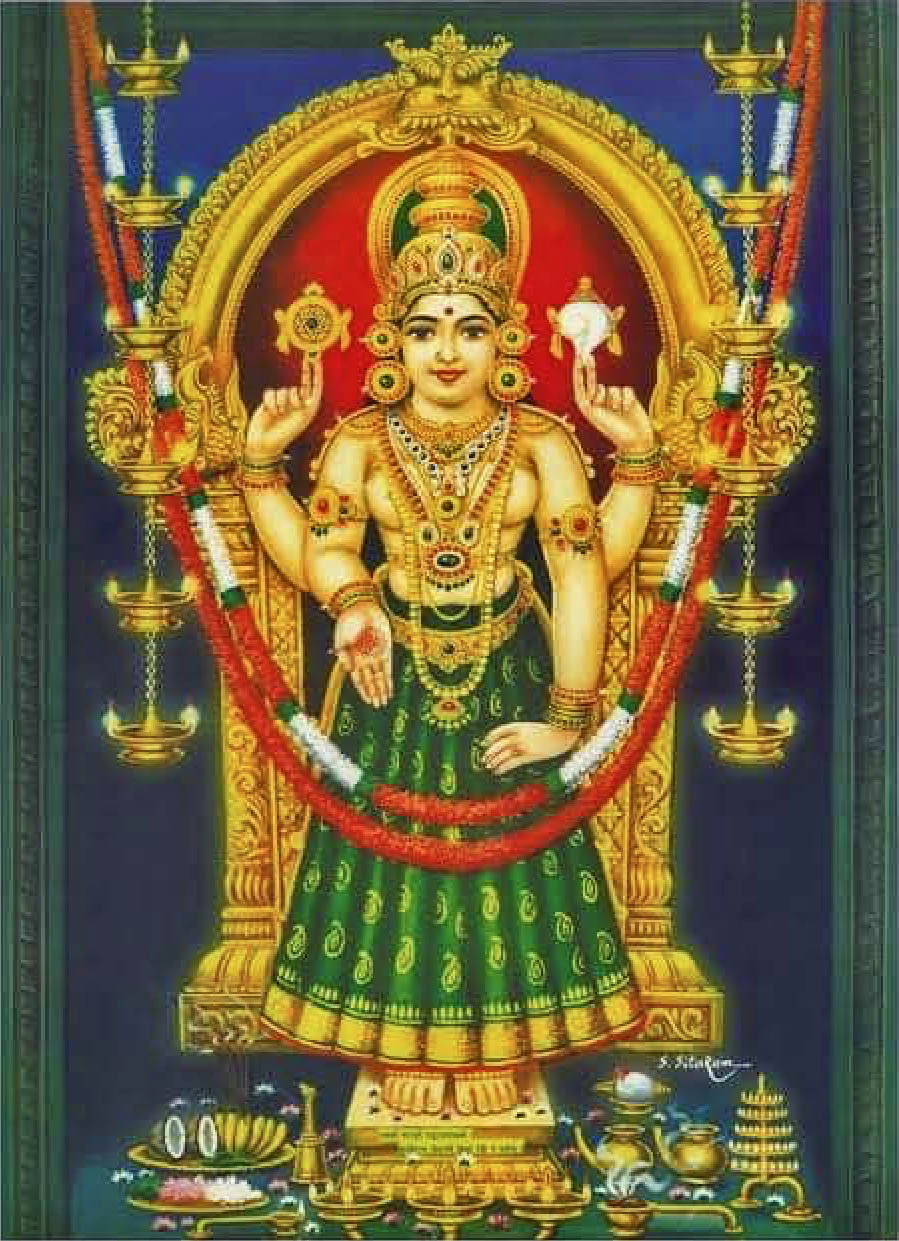
The Chirayathumadom family from Nadavarambu (Village in Irinjalakuda near Trichur) belongs to the Palghat Iyer clan. Known for their unique culinary skills, the secret family recipe of the Aravana Payasam they used to make as offering to their family deity Puthucode Bhagavati – is still kept alive by a few. Prominent among them is my cousin master chef Venkat who has perfected it over the years. We had the privilege of Venkat coming home and demonstrating how to make it. The recipe is precious – treasure it, try it and use it at your next family get-together
Here is the original recipe passed on over generations
ARAVANA PAYASAM (NEI PAYASAM) RECIPE
Time to cook 1 1/2 – 2 Hrs, 25 medium sized servings
1. Ingredients – 2 kg broken Jaggery (dark brown, not salty), 350-400 gms uncooked rice (Govind Bhog / small grains), 350-400ml of Ghee, one large cup each of of Coconut chips – rectangular 5 mm by 2 mm with copra on one side, Raisins and split Cashew ; a small cup of ground Cardamom.
2. Equipment – Traditional Uruli or any thick bottomed deep and wide pan for making Payasam, another thick bottomed vessel to melt the Jaggery pieces in some water overheat, a vessel to pour the melted jaggery, one Aapai (deep ladle), one long wooden / metal spatula with rectangular shape (longer the better but should be at least 2 ft long), a small vessel to fry coconuts and cashew in ghee.
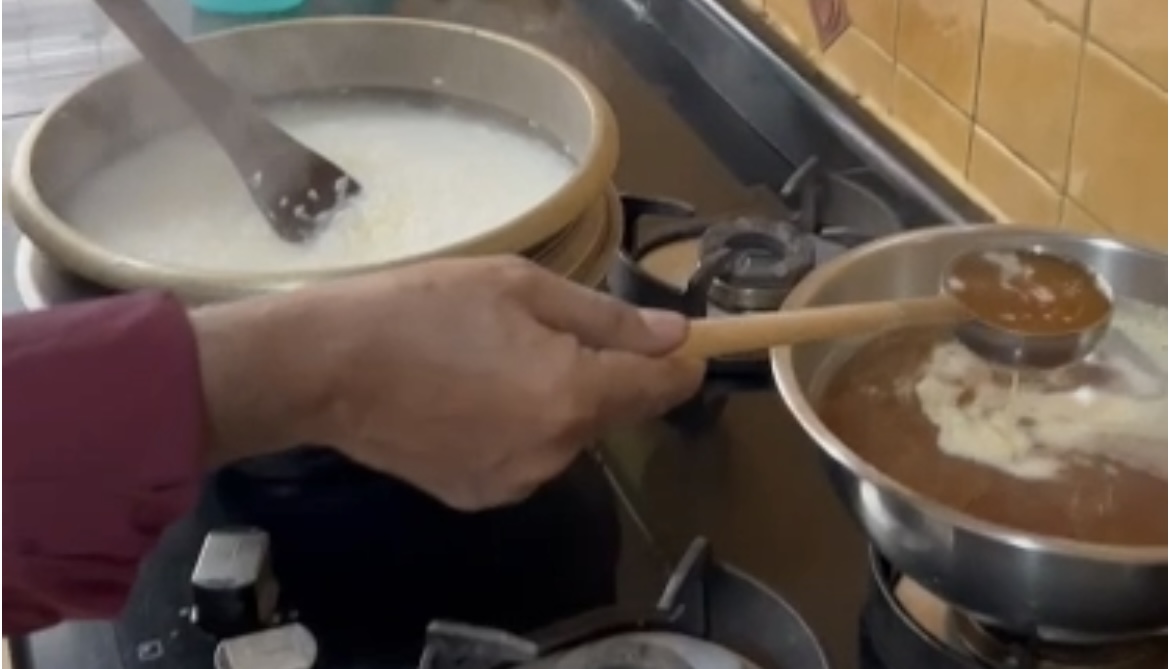
3. Wash the rice couple of times and strain to remove any impurities. Add 2 cups of water to Uruli and let the water come to boil. Add the rice to the boiling water and stir for about half an hour till rice is cooked. Keep adding some hot water occasionally as and when required till rice is 80% cooked. Keep gas in medium flame on large burner. Ensure the rice is not burnt, overcooked or raw.
4. As the rice is cooking in Uruli, parallelly melt the jaggery in the second thick bottomed vessel with some water by heating it. Pour the melted jaggery slowly into third vessel ensuring any sediments, grit, dust etc. do not flow into the third vessel with the jaggery. Important to note that the jaggery just needs to melt – dont let it becoming a thick concoction. The colour of the jaggery determines the final colour of the payasam. Look for good quality dark jaggery. Avoid readymade powder jaggery or with salty taste.
5. Once the rice is cooked 80%, start adding the melted jaggery one ladle at a time over the next 30-40 minutes, with continuous stirring of the rice mix so that the jaggery is fully absorbed by the rice.
Tip – How to know when to add each ladle of jaggery – as the jaggery gets absorbed and water content evaporates, the rice mix will get slightly viscous and you may notice some resistance while stirring and not see any water, – at this point add next ladle of melted jaggery and continue this process till less than 20% jaggery is left at which point you may pour all the jaggery liquid into the rice mix. Stir carefully but continuously so that the rice mix doesn’t get burnt at bottom of Uruli.
Tips – If available wear long sleeved gloves to safeguard against hot mix bubbling out of Uruli (this is why extra-long wooden ladle preferred so that one can stand at a distance while stirring). Also, the stirring speed should be slow but deep – avoid fast stirring since it will increase the amount of bubbles bursting as more air will get mixed into the rice.
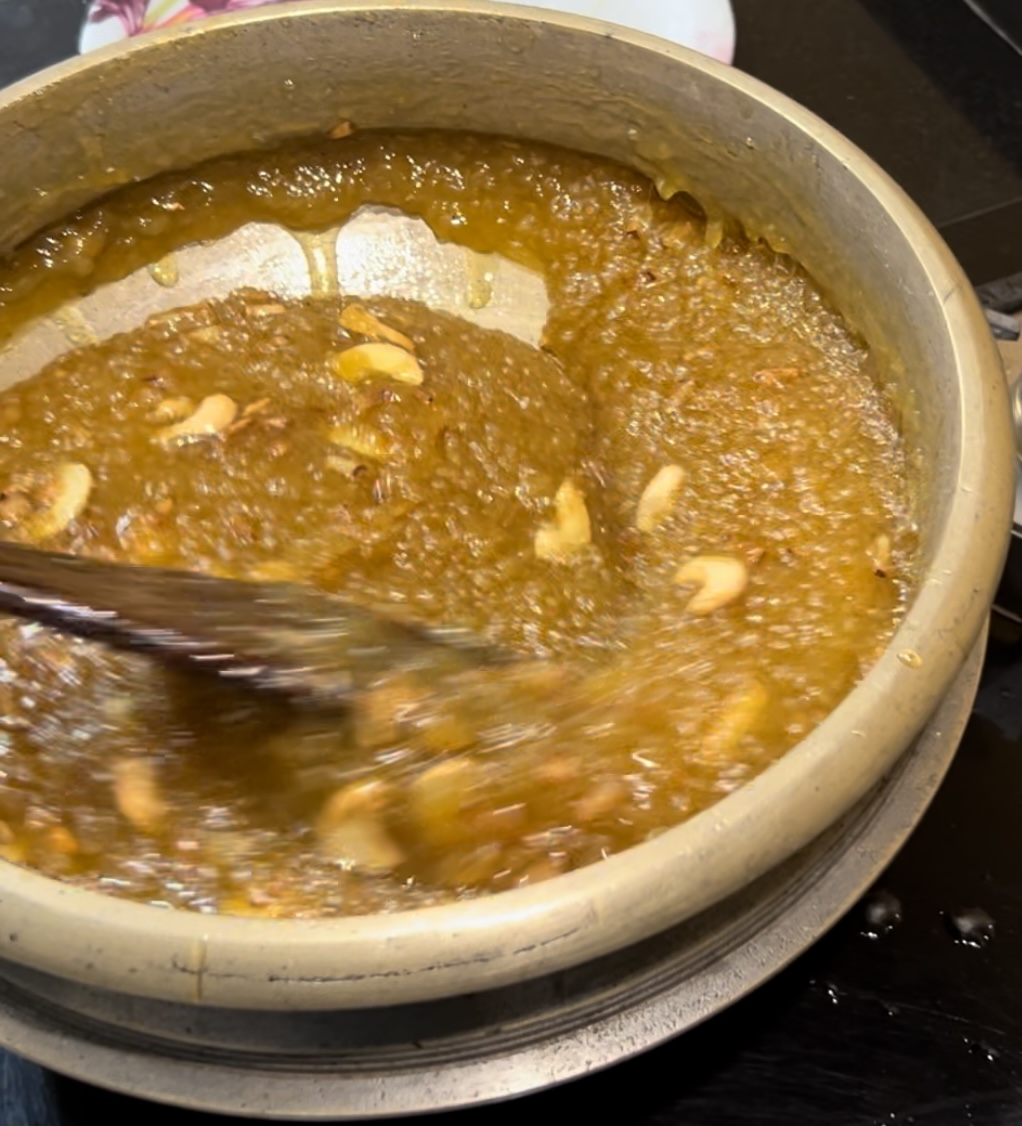
6. About 50 min to 1 hr. from process start (i.e. Step 3 – starting to cook rice), the rice and jaggery mixture should be nice and relatively viscous. At this point start adding the ghee and keep stirring. The ghee now needs to get absorbed in the rice. Adding the entire 250 – 350 ml of ghee with stirring will take about 20 minutes and the mixture should be viscous again.
7. Add the raisins and keep stirring. Switch off heat. Add some more ghee on top. Parallelly, fry the coconut chips in separate vessel in ghee until they turn creamish brown, at which point add the split cashewnut also and keep frying till cashew also turns light brown. Pour the mix into the Nei Payasam.
8. Add a couple of Tulsi (Basil leaves) if available on top and Aravana Paayasam is ready to serve the Lord and then partake by all. Retain it in the Uruli for some time.
Important Points to note
Practise makes it perfect – will take a few attempts to get it right. Dont get disheartened if 1st attempt is not a success.
Use medium flame in big burner for entire cooking
Preferably find a long ladle that has a rectangular top vs a round top.
Keep jaggery broken / semi powdery – easier to melt . Important that jaggery should melt only and not become a thick syrup. Good quality jaggery is key to success. Some versions use Palm jaggery or dark brown cane jaggery.
Don’t use long grained rice like Basmati. Some versions used Matta Rice – Parboiled Red Rice.
You know you are getting it right when you observe while stirring that it is not sticking to the side of the Urli.
The Payasam tastes best a day after cooking. If you have stored it in the fridge reheat before eating.
Fasting is a natural process that has been practised since ancient times. Hindu women are known to fast during Ekadashi, Navratri, full moon days etc. Fasting is an integral part of Muslim faith during Ramadan. Christ & Buddha both fasted for 40 days before enlightenment.
Fasting is a spiritual process. In Sanskrit it is called Upavasa – It encompasses not only abstaining from food but also includes refraining from negative thoughts and actions, and focusing on spiritual practices
The recent popularity of drugs that help with Obesity reduction is an indication of how we are scared to even miss a meal and have become a slave to our tastebuds. Obesity, diabetes, heart blockages, BP, knee pain are all a result of excessive eating.
This Blog introduces you to the benefits of fasting and how this simple process can help you stay healthy.
_________________________
What is Fasting
It is a simple practise to improve physical & mental health. It is also the basis of curing many diseases. Fasting does not mean starvation. Fasting takes place so long as the body can support itself with its stored reserves. Starvation is when the body reserves are depleted or at a dangerous level.
Fasting is based on the principle that the body contains the most efficient healing agents. These agents are most effective when they are unhampered by the process of digestion – which tends to drain off much of the body’s energy. Fasting gives these systems a rest and releases energy to eliminate toxins for restoring the body to health.
Why do we need to Fast
Most people tax the body by overeating, drinking and staying in a state of stress. Over time there is build-up of waste material in the digestive tract. This causes the body system to clog up over time. This is the breeding ground for many illness. The body efficiency is impaired by the surplus of food which it is unable to use or throw up.
Fasting gives the body time for thorough cleaning and expulsion of accumulated waste.
The simplest way to clean the digestive system is to miss a few meals. When no food is ingested the body can concentrate fully on what is there. The build-up is more effectively expelled. This leads to purification of blood and a wonderful feeling of lightness & freshness.
Fasting & Disease
One of the first signs of sickness is loss of appetite. Rather than rest, fast & recuperate – we try to induce the sick person to eat and stay healthy and strong.
Fasting speeds up the catabolic process which occurs in illness helping eliminate toxins. When bacteria invades the body the immune system is mobilised. All available energy is needed to fight the bacteria. Eating and digesting requires a lot of metabolic energy.
Fasting is not a cure all – it is a technique that is used to stay healthy and eliminate toxins.
Fasting is relaxing
When approached correctly fasting can be relaxing. It must not be done with a goal of losing X Kgs. As the body slows down the mind also does and this results in
Freer breathing
Ease of movement
Tiredness disappears
Fullness and discomfort in the abdomen is replaced by lightness
Blood Pressure is lowered
Preparing to Fast
Here are a few tips to help you as you get started
Try to fast during the warmer periods of the year. During cold weather food is converted to energy to keep the body warm.
Family members tend to nag you to eat – ensure that your surroundings are suitable. Don’t allow family pressure to act as stress.
Rely on the body to tell you how long to fast. Fasting is not total elimination of food , you can switch to lighter diet of liquids, fruits etc
It is good to drink a lot of water while fasting. If you are fasting longer than 2 days take water with lemon juice (no sugar) three times daily
In a one day fast feeling of weakness is purely psychological. On a one day fast maintain all normal activities. If you rest 80% of the day all the benefits of fasting will be lost due to lack of natural blood circulation
In prolonged fast the hunger sensation disappears. Drinking water helps to relieve the desire for food. Never drink iced water.
Hunger is the natural call of the body for food in order to maintain itself. While appetite is the hunger of the conditioned mind.
Fasting is not for losing weight. It is a spiritual process. Don’t advertise it. Apart from health benefits fasting is a powerful method of developing will power and self-discipline.
Don’t force fast. The key things is moderation. Never fast if the craving of the body & mind is excessive.
Break a fast slowly – don’t overeat and spoil all the hard work.
Fasting is a simple way to stay healthy. You just need to get started…
Source
The above writeup is excerpts from a chapter on Yoga for the Digestive System by Dr Swami Shankardevananda. Yoga Publications trust, Munger. (Bihar School of Yoga)
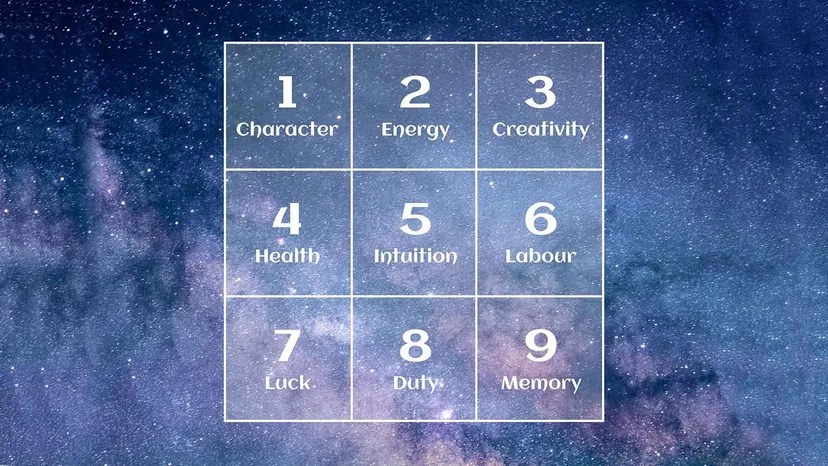
In the world of Harry Potter, Hermione Granger’s favourite subject is Arithmancy – A subject that involves the magical properties of numbers. In ancient India Anka Shastra had a close relation with Astrology & Mathematics. Anka Shastra talked about how numbers and their associated planets influenced human behaviour.
To a layman, Anka Shastra & Arithmancy is known as Numerology. According to numerologists, everything in the world is dependent on numerical patterns – These patterns come from the numbers’ inherent vibrations. While the significance of numbers has been profound since Vedic times in India, most numerologists credit the Greek philosopher Pythagoras as the founder of numerology. He and his followers became interested in the mystical properties of numbers after discovering that Pythagoreans became interested in number mysticism after discovering that if you add up a series of odd numbers beginning with the No 1, the result is always a square number.
They also described numbers in terms of non-numerical traits. These traits had more to do with intuition and mysticism than science or mathematics. For example, odd numbers are masculine and even numbers are feminine. Two represents duality and is female, while three is male. As the sum of two and three, five represents marriage, and since it falls exactly in the middle of the numbers one through nine, it also represents justice.
How do you find your numerology number?
Start with the numbers in your birthdate and add them up in a specific way. For instance, if you are born Feb. 14, 1990, in numerology that is 2 + 14 + 1990 = 2006. Further add 2 + 6 = 8, to get your life path number of 8.
If your apartment number is C 104 – then it adds up to 1 + 4 + 3 = 8
The Romans created the Roman numerals, using the Roman alphabet. The Hindu – Arabic numeral system became the most common system used around the world to represent numbers. It is considered the most effective because of the symbol “zero”. Moreover, you can write the numbers in numerals, such as 1, 2, 3, 4, 5, or words, like six, seven, eight, nine, and ten.
Number Zero
Zero is Nothing & Everything. Zero helps us understand and explain concepts that do not have physical forms.The number zero is used as a placeholder. It is the fulcrum that separates Positive numbers from Negative numbers. So it is at the centre – it is the Core.
Numbers were known to the ancient Indians since time immemorial. The science of Anka Shastra & Astronomy is one of the Upa Vedas. The Vedas are timeless and are considered to have originated from the breath of God. The last section of Chamakam – a part of the ancient mantra Rudram from the Yajur Veda is dedicated to numbers from 1- 33 and then from 4 – 48.
Aryabhatta is credited for using zero in the decimal system and introducing zero in mathematics. Brahmagupta, an astronomer and mathematician from India used zero in mathematical operations like addition and subtraction. Aryabhatta introduced zero in 5th century and Brahmagupta introduced zero in calculations in around 628 AD. This was then adopted by the Arab traders and found its way to Europe.
“The Indian system of counting has been the most successful intellectual innovation ever made on our planet,” John Barrow, an English mathematician, in his book, Pi in the Sky
Brahmi numerals – Ancestors of Hindu Arabic numerals
Europeans resisted Hindu-Arabic numerals. The numerals, including zero, were not accepted. Florence – Italy, passed a law prohibiting the use of the numerals. Slowly, the numbers became accepted in 1500s. Leonardo of Pisa, known as Fibonacci , born to a merchant family living in North Africa learned Hindu-Arabic numerals from his Arabic tutors . He brought the news of zero and new computational methods to Europe.
Zero was called ‘Shunya’ in India, it was called ‘Sifr’ in the middle east, when it reached Italy, it was named ‘Zefero’ and later in English, it was called ‘Zero’.
The concept of Zero – Nothingness, is core to Spirituality in many religions. The Void, Emptiness is the source from which all answers emerge. In Hinduism it is called “Shunya“.
Zero Hour in Parliament, Zero Based budgeting, Absolute Zero – there are many such reference to Zero in our daily life.
Ekam Sarvam – Number One
Many consider it as the source or the beginning – hence associated with God. All numbers are created by adding 1 – so it is the Origin. All spiritual roads lead to the ultimate Truth – Brahman, Consciousness , God – which is ONE. Indivisible.
People associated with #1 have the following traits. Strong individuality, masculinity, likes to be in control, authoritative, bright, freedom loving, intelligent, able-bodied, prefers luxuries and comforts of a good life. It is also a lonely number. In Hindu traditions #1 is associated with the Sun.
Number Two
The digit used to represent the number 2 traces its roots back to the Indic Brahmic script, where “2” was written as two horizontal lines. Modern Chinese & Japanese languages (and Korean Hanja0) still use this method. During the Gupta period they rotated the two lines 45 degrees, making them diagonal. The top line was sometimes also shortened and had its bottom end curve towards the centre of the bottom line. In the Nagari script, the top line was written more like a curve connecting to the bottom line. In the Arabic Ghubar writing, the bottom line was completely vertical, and the digit looked like a dotless closing question mark. Restoring the bottom line to its original horizontal position, but keeping the top line as a curve that connects to the bottom line leads to our modern digit.
Number 2 has different meanings in various cultures. In Chinese culture, it’s associated with balance, harmony, and the concept of yin and yang. Yin and yang represent the interconnectedness of all things and the need for balance in all areas of our lives. In Hinduism, it represents duality and the balance between masculine and feminine energies. In numerology, it’s considered a powerful number that represents balance and cooperation.
Regardless of the culture, the number 2 is a symbol of balance and harmony. It reminds us that we need to create balance in our lives to achieve happiness and fulfillment. When we are in balance, we are more productive, creative, and able to handle stress and challenges with ease.
The reigning deity for Number 2 in Hinduism is Moon or Chandra Navagraha. People associated with this number are gentle, passive, artistic, but more geared to thought than action. They have charm and powers of intuition. Its negative attributes are lac of self-confidence and physical strength.
Number Three
Most people believe in the adage that “all good things come in threes”.
The number 3 has always held powerful symbolism. The Trinity, Brahma – Vishnu – Shiva, Three worlds, Birth – Life – Death, Mind -Body – Soul connection, The 3 Gunas, The 3 main channel of consciousness – Ida, Pingala & Sushumna, the 3 sections of an essay, 3 Little Pigs, 3 Musketeers, 3 Golliwogs. A Tripod has 3 legs for perfect balance, Breakfast – lunch – dinner are the 3 meals of the day, there are 3 states of matter….. Number 3 is beautiful and complete.
Two Points form a line, 3 points create an enclosed space with a Triangle. Trigonometry is born from there – the science of 3 angles. The best communicators always focus on 3 points. However, the Japanese and the Vietnamese avoid taking photos if there are only 3 people because of an old superstition that death will come to whoever is in the middle of the photo.
In numerology, the number 3 is linked to Jupiter, the planet of joy, abundance, success, good fortune, and wisdom. This connection reinforces the connection between 3 and positive traits like being optimistic, lucky, adventurous, ambitious, passionate, clever, knowing, and worldly.
Number Four
There are 4 directions and 4 dimensions – Length , breath, depth & time. The most popular and efficient automobile engines are 4 stroke engines.
The Chinese consider number four an unlucky number since its Chinese pronunciation sounds like the Chinese term for ”death.” Therefore, buildings in China do not have a fourth floor. In the buildings’ elevators, number 4 is not included. Instead, they use the letter F. The same belief is true in Japan and South Korea and other Asian countries where Chinese is spoken. But the belief is not applicable to Germany where the number is considered lucky, because it is associated with the ”four-leaf clover” which is a symbol for luck.
In many countries around the world, including developed countries such as Norway, Sweden, Portugal, and the UK, the number 13 (1 + 3 = 4) is considered an unlucky number.
Did you know that the fear or avoidance of the number 13 is called triskaidekaphobia?
The Mayan calendar ended with the 13th Baktun, which was believed to bring the apocalypse in 2012. Tall buildings use different methods to name the 13th floor. The fear extends to manufacturers and companies. People avoid having 13 guests to their party or event and Friday the 13th for many is very unlucky.
There is no acceptable proof that the number 13 is unlucky, but it remains a sign of bad luck due to traditional beliefs. For example, in The Last Supper, the 12 apostles were gathered around Jesus, thus there were 13 people around the table. Judas Iscariot betrayed Jesus.
The members of the Knights Templar were ordered arrested by King Philip IV of France on October 13, 1307, which fell on a Friday. A year with 13 full moons was considered unlucky, simply because the monks who were in charge of organizing the calendar and the religious festivals had to rearrange everything.
Rahu is the presiding deity of # 4. Traits of people with this number are rebellious, unpredictable, stubborn, aggressive, moody, short tempered, secretive, impulsive, selfish.
Number Five
Right in the middle, this is a number with a lot of significance across cultures and religions. We have 5 Senses. The Universe is made up of 5 elements or the Pancha Bhutha’s.
There are five special points where a small mass can orbit in a constant pattern with two larger masses – these are called the Lagrange Points. The Olympic symbol is made of 5 Rings. There are 5 Vowels in the English language. And there are 5 Vedas.
In Sikhism there are 5 sacred symbols that all devout Sikhs must wear. There are 5 pillars of Islam – one of them being that they must pray 5 times a day. In Christianity there are 5 sacred wounds that Jesus is said to have suffered during his crucification. The book of Psalms is arranged into 5 books and the Torah contains 5 books.
Presiding deity of number 5 is Mercury. Qualities of people with this number are child like, free spirited, flexible, progressive, logical, playful, adaptable, princely, shrewd, sensitive and bright.
Number Six
They say God created all things in 6 days. The number 6 is a symbol of completeness. Number 6 symbolizes beauty and high ideals. Number 6 is A Perfect Number. In mathematics, 6 is the first perfect number, meaning it is equal to the sum of its factors (1, 2, and 3). The “sixth sense” refers to a supposed ability to perceive things beyond the five physical senses. Number 6 is the symbol of luck, the highest number of the dice.
The first appearance of 6 is in the Edicts of Ashoka around 250 BC .
The symbol of number 6 is the hexagon.
In nature, the hexagon is the structure of a honeycomb. The bees use this structure because they can generate the largest possible amount of space for the honeycomb based on the conjunction of each hexagon. Thus, the hexagon is the sacred geometry standing for perfection.
The spiritual symbol of number 6 is the hexagram. This is also a sacred Jewish symbol.
The upward-pointing triangle represents the active masculine aspect of men, while the downward-pointing triangle symbolizes the passive feminine nature of women.
Thus, the hexagram symbol means harmony between the 2 sexes. It also represents the esoteric doctrine of “As above, so below”, which is the spiritual law of “we shall reap what we sow”.
This explains why the 6th commandment in the Bible is “thou shall not kill” because the principle of number 6 is the law of procreation and karma.
Presiding deity of number 6 is Venus. Attributes are – Artistic, sensuous, romantic, creative, inventive, friendly, organized, tactful, manipulative, soft spoken, gentle.
Lucky Seven
If you are buying a house of plot of land – the first choice for most people is # 7. Most parts of the world # 7 is considered a lucky number.
There are 7 continents and the Rainbow is made up of 7 colours. In Judaism, there are seven heavens. The Koran, also speaks of seven heavens, and Muslims making the pilgrimage to Mecca walk around the Kaaba seven times. Hindu marriages are solemnised by walking around the fire seven times. Ancient beliefs from around the world believed that the seventh son of the seventh son would be gifted with magical powers (both good and evil).The neutral pH value between acidity & alkalinity is 7. The 7 year itch – most people tend to change their jobs or life partners after 7 years. Statistics show that on an average, couples divorce in about 7 years of marriage.
There are 7 Chakras (energy centres) in the human body. The Sapta Rishis spread the knowledge across the globe. Sapta Matrika are the 7 Goddesses. Sapta Dhatu – 7 elements that form the foundation for nourishment in life. Hindus also believe that there are 7 holy seas and seven holy rivers. traditional Indian music, musical notes are called svaras and commonly represented using the seven notes – Sa, Re, Ga, Ma, Pa, Dha and Ni.
But in countries that came under Chinese influence such as Thailand and Vietnam, number 7 is an unlucky number. It’s because it represents the month of July, which is the time people pay respect to their dead relatives. People in these countries offer food items and various fruits in the hope that the dead won’t haunt them.
September, October and December are named after the Sanskrit / Roman numbers seven, eight and ten respectively. July and August used to be named Quintilis and Sextilis, meaning fifth and sixth month, before they were renamed after Julius Caesar and and his heir, Augustus. The reordering of the roman calendar pushed back Sep & November by 2 months and they no longer represent the 7th and 9th months.
The ruling deity for Number 7 is Ketu (Neptune). Traits associated with this number are indecisive, disruptive, social, artistic, Intuitive, mystical, religious, insightful, creative, dreamy, nature loving, romantic, sentimental.
Number Eight
Many religions around the world, including Hinduism, Buddhism, Judaism, Christianity, Islam and Taoism consider 8 an auspicious number. Chinese people are particularly fond of the number 8. The number translates to bā, which sounds like the Chinese word fā, which means to generate wealth.
The association of the number 8 with wealth is very strong in China. So much so that they consider properties with the number 8 in the address as highly valuable possessions. Here’s another solid example – the August 2008 Summer Olympics held in Beijing officially started at 08:08:08 local time.
In Japan, they also consider the number 8 as lucky, and they call it ya or Hachi. The association with luck is in the formation of the word in Japanese characters, which gives off the idea of getting wealthy because the shape of the letter – 八- gradually broadens.
Ashtami is the highest point of celebration during the Durga Puja Festival. It is believed that on this day Goddess Durga killed Mahishasura. Lord Krishna’s birth is celebrated and observed on the eighth day (Ashtami) of the dark fortnight (Krishna Paksha) in Shravana Masa. His consort Radha’s birth is celebrated in Barsana and the entire Braj region also on an ashtami. Radha Ashtami comes fifteen days after Krishna Janmashtami.
The number eight is a Fibonacci number. The sixth number in the Fibonacci sequence, eight, is the only number in this sequence (other than the number one) that is a perfect cube (2³).The amount of clouds in the sky is calculated in oktas, ranging from zero oktas to eight oktas. So, for example, on a day with zero oktas, the sky is completely clear of clouds, while a six okta day would be mostly cloudy.
Saturn is the reigning deity of number 8. Traits associated with it are introverted, lonely, thoughtful, wise, depressive, strong willed, caring, protective, radical, laborious, subservient, suffering, striving. People with this number are disciplined and hard working but life is a struggle as they never get the appreciation for the effort they put. They are strong people with a keen sense of right & strong and have the courage to stand up for what is right.
Number 8 is the symbol of Infinity. It has perfect symmetry. It is both spiritual and materialistic. It is a number that comes blessed with positive energy, the power of transitions, and the possibility of infinite abundance.
Only 3 numbers – 0, 3 & 8 have lines of symmetry.
0 has 2 lines of symmetry 1 horizontal and 1 vertical.
3 has one horizontal line of symmetry if we draw the top and bottom both equal size.
8 has two symmetry lines, vertical and horizontal.
Number Nine
This number is so fascinating we can write and entire book in its magical powers.
They say that the universe begins with zero and ends with 9 because after 9 the numbers just repeat themselves in two digits. So, 9 is also seen as a complete number. This is evident from the fact that any number that is multiplied with 9 and reduced to a single digit always becomes 9. (For example, 9 times 3 is 27 and if you add 2+7, it will give you 9 – Try this with any number).
In Pythagorean numerology the number 9 symbolises the end of one cycle and the beginning of another.
The number 108 (1+8 = 9; 12 times 9 is 108) is considered very holy in Hinduism, Buddhism and across a range of religions and cultures. 108 times is used in many spiritual chants in different religions to mark the completion of prayer.
There are 18 chapters (1+8 = 9) in the entire Mahabharata as well as in the Bhagavad Gita, the sacred epic and scripture. The battle of Kurukshetra in the Mahabharata went on for 18 days. There are 18 Puranas and 108 Upanishads, which again are associated with 9.
The human body has 9 doors – two eyes, two ears, two nostrils, the mouth and the openings for excretion and procreation. Even the shape of the womb is in the form of 9. Perhaps it is no surprise that it takes 9 months for a human being to give birth to a child.
In Vedic culture, the number 9 finds a place of spiritual significance. There are 9 planets in Vedic astrology that are said to govern an individual’s life based on his/her actions (karma). These 9 planets are: Mars, Venus, Jupiter, Mercury, Saturn, Sun, Moon, Rahu (Northern lunar node), Ketu (Southern lunar node). There are 9 gems or Navaratnas that are associated with each of these planets: Pearl (for Moon), Ruby (for Sun), Blue Sapphire (for Saturn), Yellow Sapphire (for Jupiter), Red coral (for Mars), Emerald (for Mercury), Diamond (for Venus), Gomed or Hessonite (for Rahu) and Cat’s eye or Chrysoberyl (for Ketu).
We celebrate 9 days of Navaratri to mark the victory of Goddess Shakti over evil. There are 9 emotions (bhavas or rasas) in Indian classical dance known as the ‘Navarasas’: Shringara (love and beauty), Hasya (laughter), Karuna (compassion), Raudra (anger), Veera (courage), Bhayanaka (fear), Bibhatsya (disgust), Adbutha (surprise), and Shantha (tranquility)
There are 9 forms of devotion to God or our Supreme Self (Paramatma) – Shravan (hearing); Kirtan (praying); Smaran (remembering); Padasevan (resorting to feet); Archan (worship); Namaskar (bowing); Dasya (service); Sakhyam (friendship); Atma-Nivedana (surrender of the self).
The nine Muses in Greek mythology are Calliope (epic poetry), Clio (history), Erato (erotic poetry), Euterpe (lyric poetry), Melpomene (tragedy), Polyhymnia (song), Terpsichore (dance), Thalia (comedy), and Urania (astronomy).
El Castillo, the Mayan step-pyramid in Chichen Itza, consists of nine steps. It is said that this was done to represent the nine levels of Xibalba.
In Christianity the number 9 also represents the fruits of God’s Holy Spirit. These fruits are faithfulness, gentleness, goodness, joy, kindness, long suffering, love, peace and self-control (Galatians 5:22 – 23).
The famous Ayyappa Temple in Sabarimala, Kerala has 18 steps as the last finale to the shrine ( 1 + 8 = 9)
Diameter of the Sun = 864000 miles = 8 + 6 + 4 + 0 + 0 + 0= 18 = 1 + 8 = 9
Diameter of the Moon = 2160 miles = 2 + 1 + 6 + 0 = 9
Diameter of the Earth = 7920 miles = 7 + 9 + 2 + 0 = 18 = 1 + 8 = 9
Second in a hour = 3600 = 3 + 6 =9
Second in a day = 86400 = 8 + 6 + 4 =18 = 1 + 8 =9
Second in a month = 2592000 = 2 + 5 + 9 + 2 = 18 = 1 + 8 = 9
Second in a year = 31104000 = 3 + 1 + 1 + 0 + 4 = 9
Even the universe vibrates at a frequency of 432 Hz = 4 + 3 + 2 = 9.
There are 27 Nakshatras or stars 2 + 7 = 9
The importance of the number 108 can be seen repetitively in astronomy and astrology : 1 + 8 = 9
In Vedic astrology there are 12 solar houses and 9 lunar houses, 9 x 12 = 108
The diameter of the sun is about 108 times that of the diameter of Earth.
The average distance between the Earth and the Sun is 108 times the sun’s diameter.
The average distance from the Earth to the Moon is 238,800 miles, about 108 times the moons diameter. This makes the moon appear the same size as the sun during eclipses.
To quote Manoj Chalam a scientist from Cornell University , “the ratio of 108 may be the key to finding planets hospitable to life outside of our solar system, just look toward this same size and distance relationship,” 108 is key to our being.
Nine is so popular that there are many Idioms also based on this number
The sound of the number 9 in Japan is very similar to the Japanese term for ”torture.” It’s avoided because it is considered an unlucky number. Airlines and hospitals in Japan avoid the number for this reason.
Mars is the ruling deity of number 9. Attributes associated with this number are warlike, egoistic, short tempered, violent, hard outside but soft inside, dominating, aggressive, strong, rough, fighting, alienating, strong leadership.
Evolution of Number 9
Circa 300 BCE, as part of the Brahmi numerals, Indians wrote a digit 9 similar in shape to the modern Q mark without the bottom dot. The Kshatrapa, Andhra and Gupta started curving the bottom vertical line coming up with a 3-look-alike. The Nagari continued the bottom stroke to make a circle and enclose the 3-look-alike, in much the same way that the sign @ encircles a lowercase a. As time went on, the enclosing circle became bigger and its line continued beyond the circle downwards, as the 3-look-alike became smaller. Soon, all that was left of the 3-look-alike was a squiggle. The Arabs simply connected that squiggle to the downward stroke at the middle and subsequent European change was purely cosmetic
In Conclusion
Is Numerology a predictable science – Clearly NO. But almost everyone is fascinated by numbers and have preferences. We also strongly avoid some numbers (Eg 8 & 4 are in a state of perpetual clash). Beliefs with numbers also vary by culture and countries, in todays global era marketeers need to be mindful of the impact their messaging may create.
ReferenceInformation compiled from the following sources


























 A Few Good Things
Recent Comments